
JB Insights
Jewellery Trends to Look Forward to in 2026
Where Craft, Conscious Choice, and Contemporary Design Converge


As the global jewellery industry steps into 2026, it finds itself at a powerful intersection of tradition and transformation. Jewellery is no longer defined only by carat weight or craftsmanship—it is increasingly shaped by personal identity, ethical considerations, evolving lifestyles, and technological innovation. From bridal choices to everyday luxury, consumers are redefining what jewellery means to them, and brands are responding with creativity, transparency, and purpose.
Here are the key jewellery trends set to shape 2026.
1. Conscious Luxury Takes Centre Stage

Sustainability is no longer a niche conversation—it is an expectation. In 2026, conscious luxury will move beyond marketing language into measurable action. Consumers want clarity on sourcing, production, and impact, and brands that fail to provide transparency risk losing relevance.
Natural diamonds backed by responsible mining practices, certified lab-grown diamonds, recycled gold, and traceable supply chains will dominate purchasing decisions. Jewellery buyers—especially millennials and Gen Z—are asking where their jewellery comes from and what it stands for.
Luxury in 2026 is about making informed choices that align with values, without compromising on beauty or craftsmanship.
2. Premium Lab-Grown Diamonds Gain Ground

Lab-grown diamonds will continue their strong upward trajectory, but 2026 will mark a clear distinction between standard offerings and premium-grown diamonds. Consumers are becoming more educated and selective, seeking stones with superior cut, clarity, and light performance rather than price alone.
Brands that combine high-grade grown diamonds with fine-jewellery craftsmanship will lead this segment, especially among urban, value-conscious buyers who prioritise design, ethics, and versatility.
3. Natural Diamonds Reassert Their Emotional Value

While lab-grown diamonds rise, natural diamonds are simultaneously reaffirming their position as symbols of rarity, legacy, and emotional depth. In 2026, storytelling around natural diamonds will focus strongly on time, origin, and individuality.
Consumers are leaning toward fewer but more meaningful purchases. A natural diamond is no longer just a luxury item—it is an heirloom, a marker of milestones, and a piece of Earth’s history. Expect renewed emphasis on certification, diamond science, and education-led selling to help buyers understand why natural diamonds remain irreplaceable.
4. Bridal Jewellery Becomes More Personal
The bridal jewellery market is undergoing a quiet revolution. In 2026, brides are moving away from uniform, traditional sets and embracing pieces that reflect their personal style and lifestyle.
Key shifts include:

- Lighter, modular bridal sets
- Rings designed for daily wear post-wedding
- Mix of natural and lab-grown diamonds
- Investment split between jewellery, experiences, and destination weddings
Customisation will be central—whether through engraving, bespoke design, or choosing unconventional shapes and settings. The modern bride wants jewellery that evolves with her, not just something reserved for one day.
5. Statement Silver and White Metals Rise
Silver is shedding its “affordable alternative” image and emerging as a bold fashion and fine jewellery choice. In 2026, expect to see:

- Sculptural silver jewellery
- High-polish finishes
- Mixed-metal designs
- Gemstone-studded silver for everyday luxury
Platinum and white gold will also remain strong, especially in minimalist and contemporary designs. The preference for cooler metal tones reflects modern aesthetics and versatility across occasions.
6. Colour Makes a Confident Comeback
After years of minimalism, 2026 will see colour returning with confidence. Coloured gemstones—both natural and lab-grown—will feature prominently, particularly in:

- Engagement rings
- Stackable bands
- Cocktail jewellery
- Occasion wear
Emeralds, sapphires, rubies, spinels, and pastel-toned stones will be paired with clean, modern settings. Colour will no longer be about extravagance, but about individuality and expression.
7. Jewellery Designed for Everyday Elegance
The boundary between fine jewellery and everyday wear continues to blur. In 2026, jewellery will be designed for versatility—pieces that move seamlessly from work to social settings.
Key design cues include:

- Lightweight constructions
- Minimal yet impactful silhouettes
- Stackable and layerable formats
- Subtle sparkle rather than overt opulence
Consumers want jewellery that fits into their daily lives, not something that stays locked away.
8. Craftsmanship Meets Technology

Technology will increasingly support—not replace—craftsmanship. Advanced diamond-cutting techniques, AI-assisted design, and precision manufacturing will work alongside skilled artisans to enhance quality and consistency.
At the retail level, science-backed tools such as light performance viewers, origin verification systems, and advanced certification will empower customers to make informed decisions. Transparency through technology will become a trust-building cornerstone in 2026.
9. Gender-Neutral and Fluid Jewellery Gains Momentum

Jewellery in 2026 will continue to break traditional gender norms. Clean lines, bold forms, and versatile designs will appeal across identities. Rings, chains, bracelets, and earrings will be styled without labels, allowing consumers to define how they wear their jewellery.
This shift reflects broader cultural changes and opens up new creative and commercial opportunities for brands willing to think beyond convention.
10. Heirloom Thinking in a Fast-Changing World

Amid rapid trends and technological change, there is a growing desire for permanence. Jewellery buyers in 2026 are thinking long-term—choosing pieces meant to last, to be worn repeatedly, and eventually passed down.
Quality, durability, and timeless design will outweigh fleeting fashion. Jewellery will be seen not just as adornment, but as a legacy.
The jewellery trends of 2026 reflect a deeper shift in consumer mindset. Today’s buyer is informed, values-driven, and emotionally connected to their choices. Whether it’s a natural diamond formed over billions of years, a premium lab-grown stone crafted with precision, or a consciously designed silver statement piece, jewellery is becoming a reflection of who we are—and what we believe in.
For the industry, 2026 is not just about innovation, but about intention. Brands that balance beauty with transparency, craft with conscience, and tradition with modernity will define the next chapter of jewellery’s evolution.
Source:JbExclusive


JB Insights
Devotion, Heritage & Diversification: The defining trends of SSI Delhi’s 3rd Edition
From sacred artistry to lifestyle-driven expansion, how top exhibitors bridged timeless tradition with modern market demand.
Spirituality as a design anchor
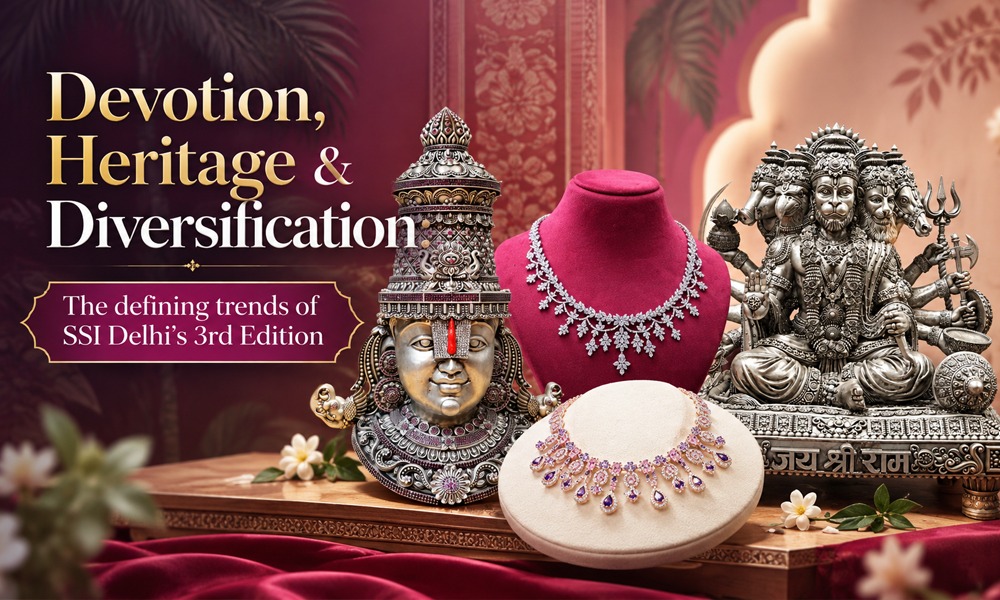
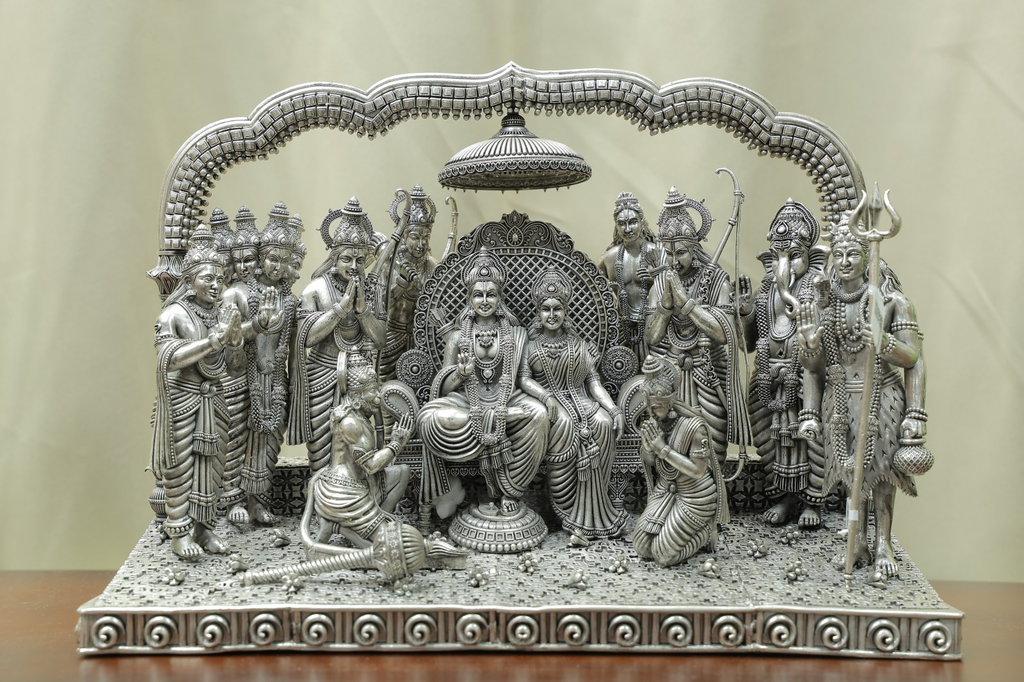
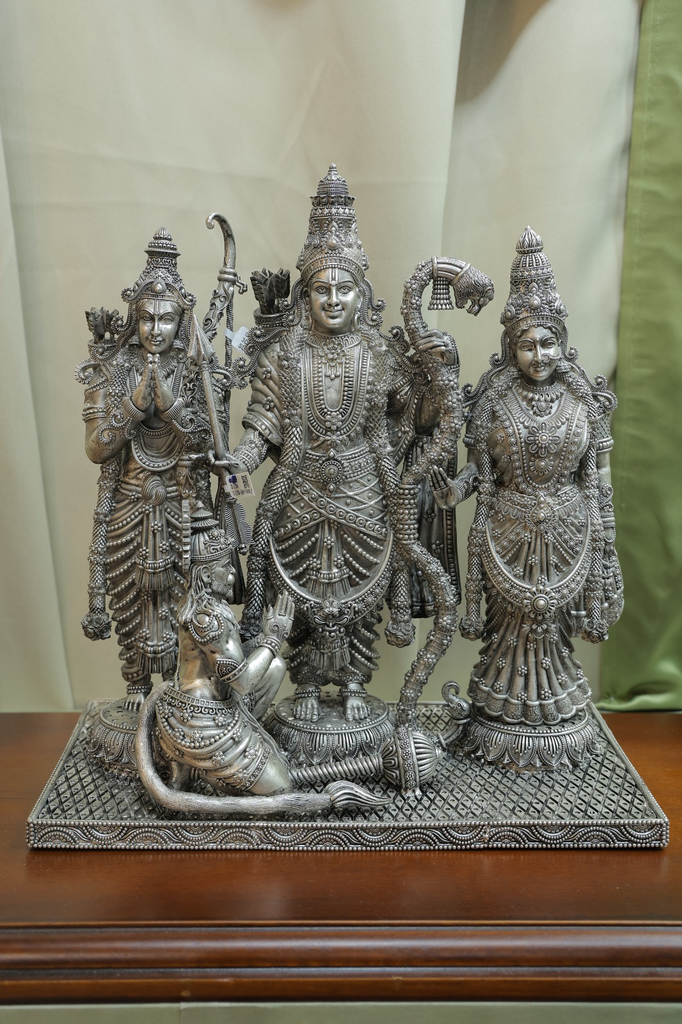
Devotional and spiritual artistry emerged as the single strongest thread of the show. Ricchezza’s Idols Collection, SILORA’s Shrinathji timepiece, Purple Jewels’ Balaji idols and Shiva Lingam, and Anmol Jewellers’ extensive range of silver and gold idols (Vishwarupa, Panchmukhi Hanuman, Ram Parivaar, and more) together show that sacred and devotional pieces are no longer a niche category but a mainstream, premium-positioned offering across exhibitors.
Antique, oxidized and heritage finishes
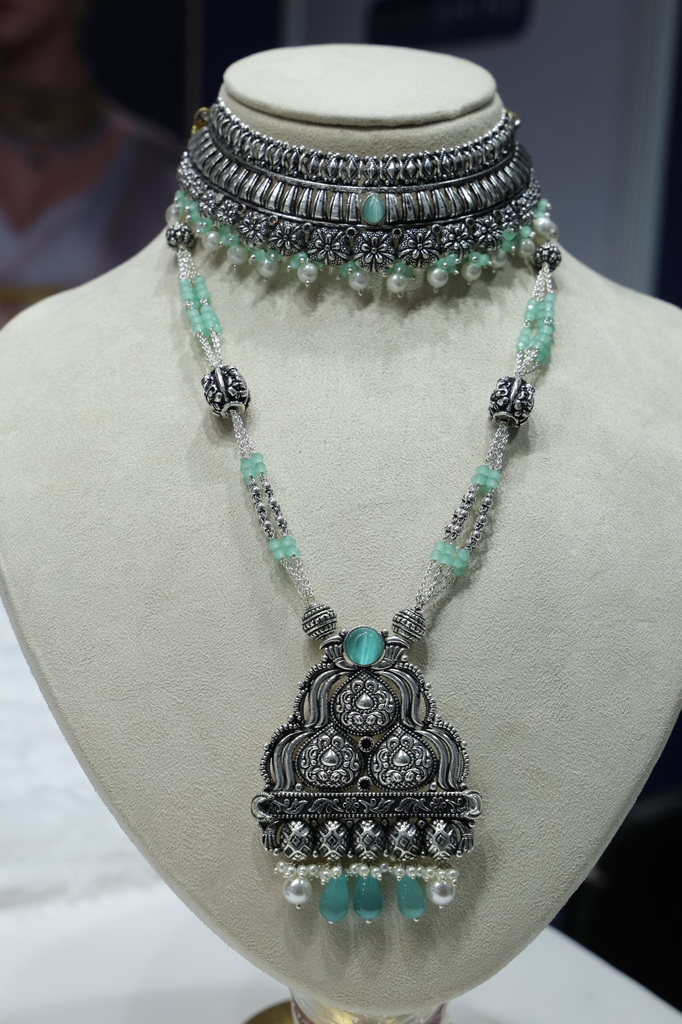
SILORA’s glorious Antique Finish Collection and Oxidized Silver Jewellery reflect a broader pull toward deep patina, folk-tribal textures, and traditional Indian artistry — a counterpoint to high-polish contemporary pieces and a signal that heritage aesthetics remain commercially strong.
Rose gold’s continued momentum
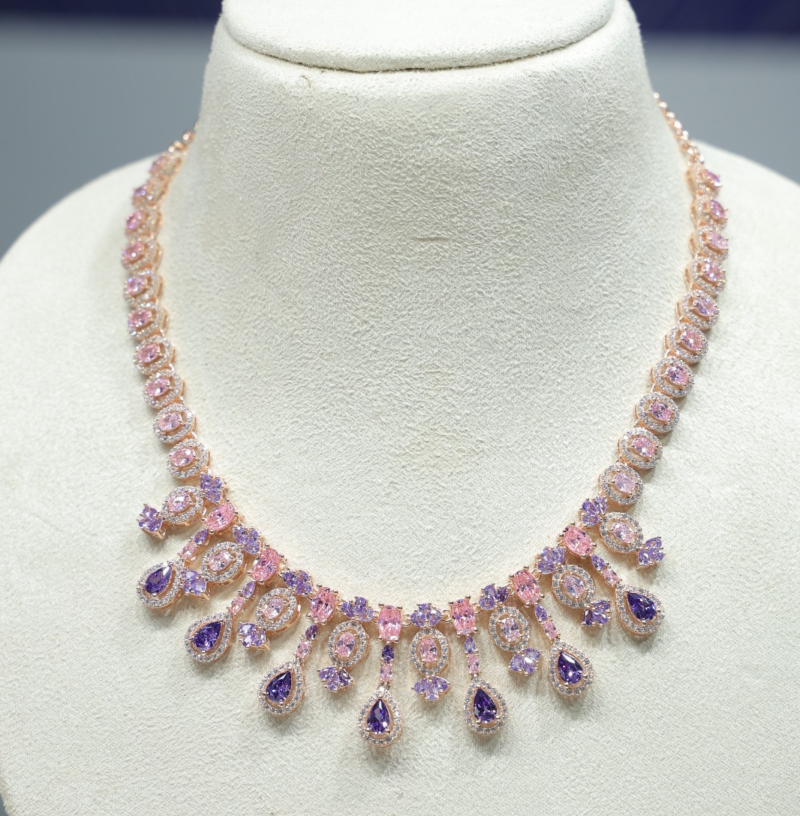
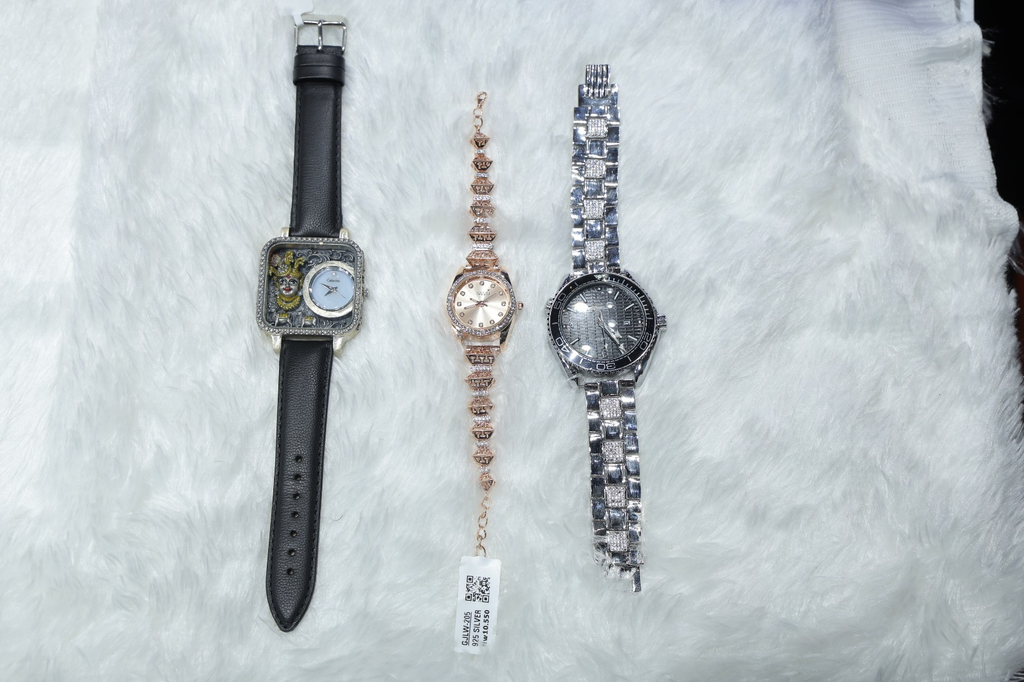
Rose gold surfaced across multiple product types — not just jewellery but also timepieces — as seen in SILORA’s Luxe Rose Gold Finish Jewellery and rose-gold-finished watches, reinforcing its position as a staple modern finish rather than a passing trend.
Category expansion beyond traditional jewellery
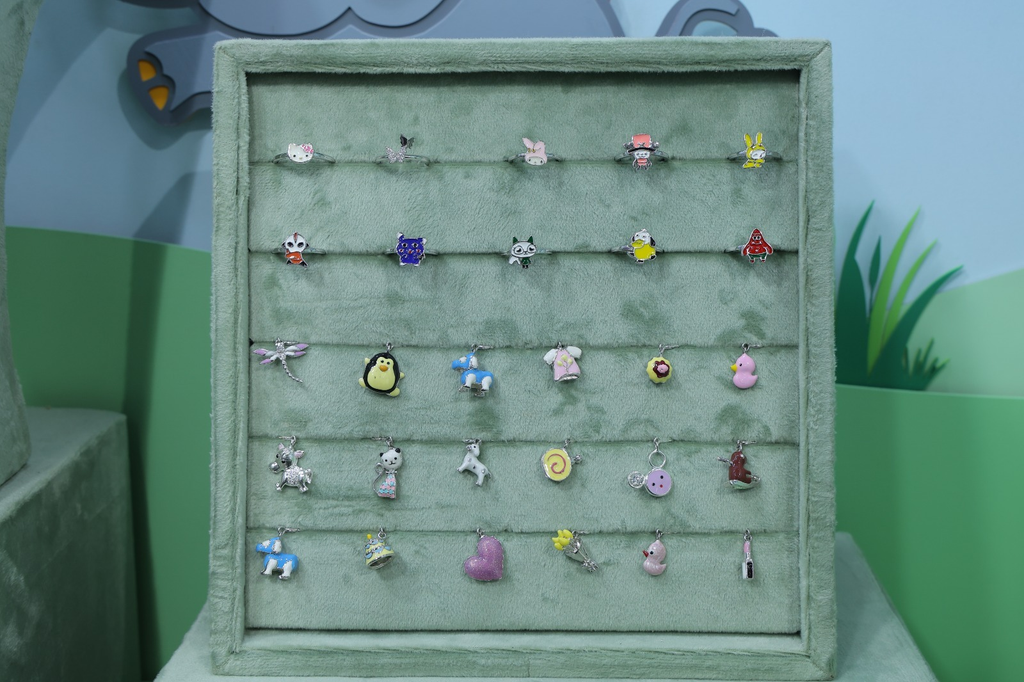
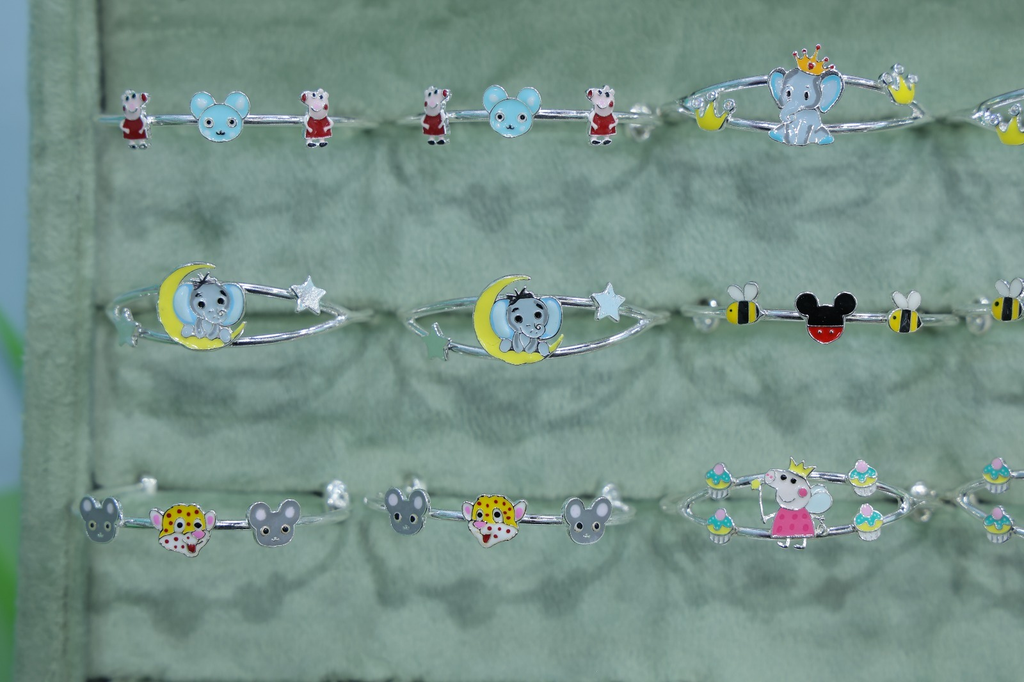
Exhibitors are widening their range beyond rings, chains, and bangles. Ricchezza’s Anamitra line targets infants, while SILORA’s Exclusive Timepieces extend a jewellery brand into horology — both pointing to lifestyle-driven diversification as a growth strategy.
Gender-Specific Design Lines
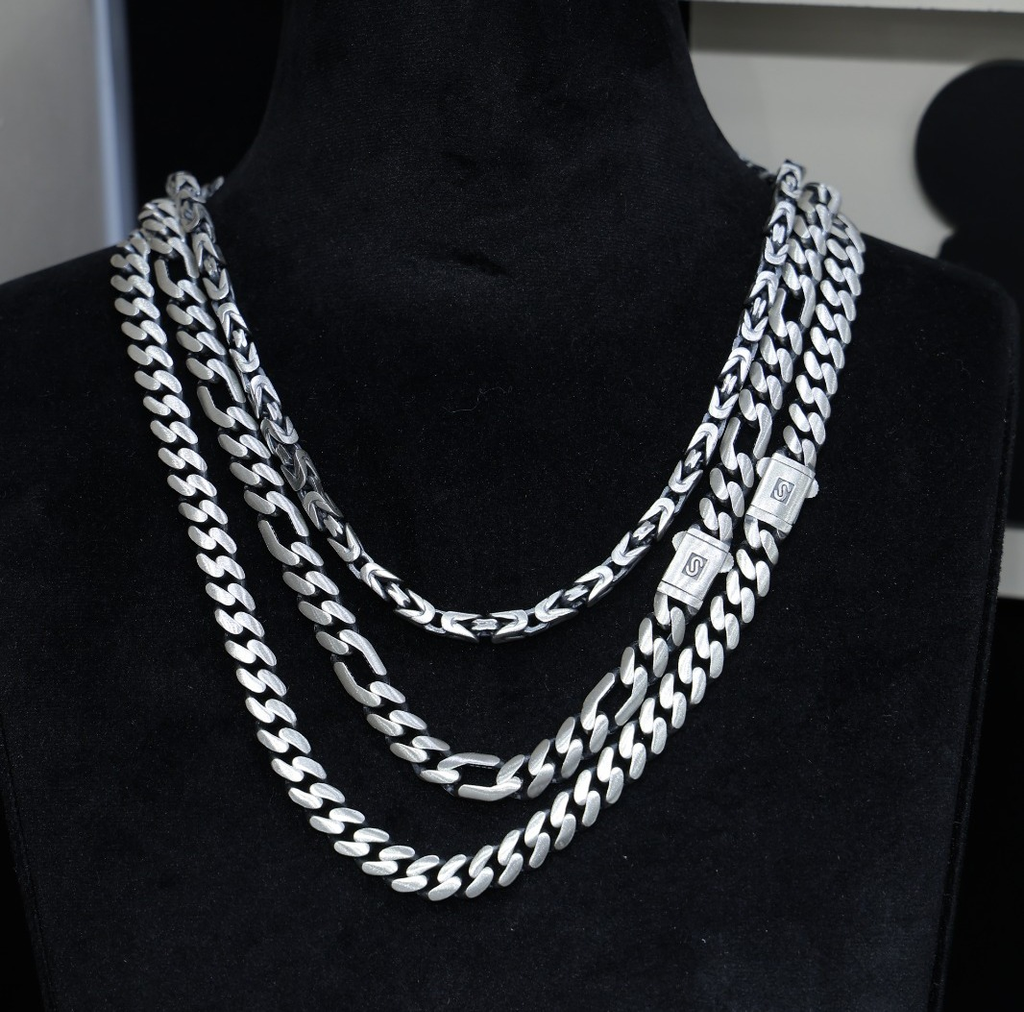
Distinct masculine and feminine lines were a notable feature, exemplified by Ricchezza’s Cuban Collection (bold, masculine) alongside Tixty (chic, feminine) — indicating that targeted, gender-specific collections continue to be a deliberate merchandising strategy rather than a one-size-fits-all approach.
Mastery in Silver Artefacts and Idols
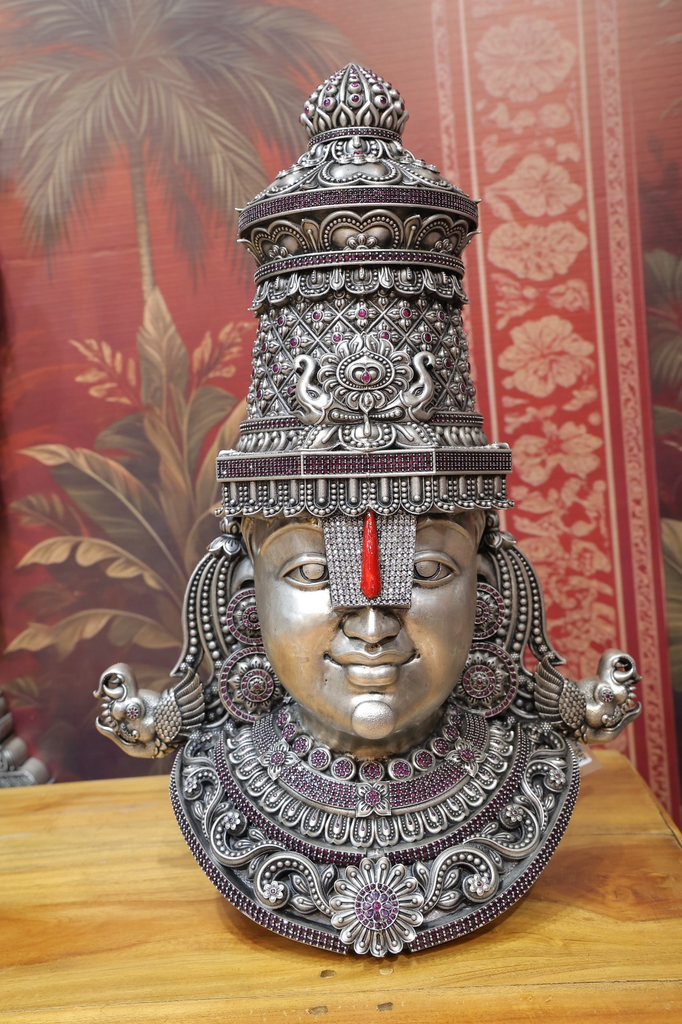
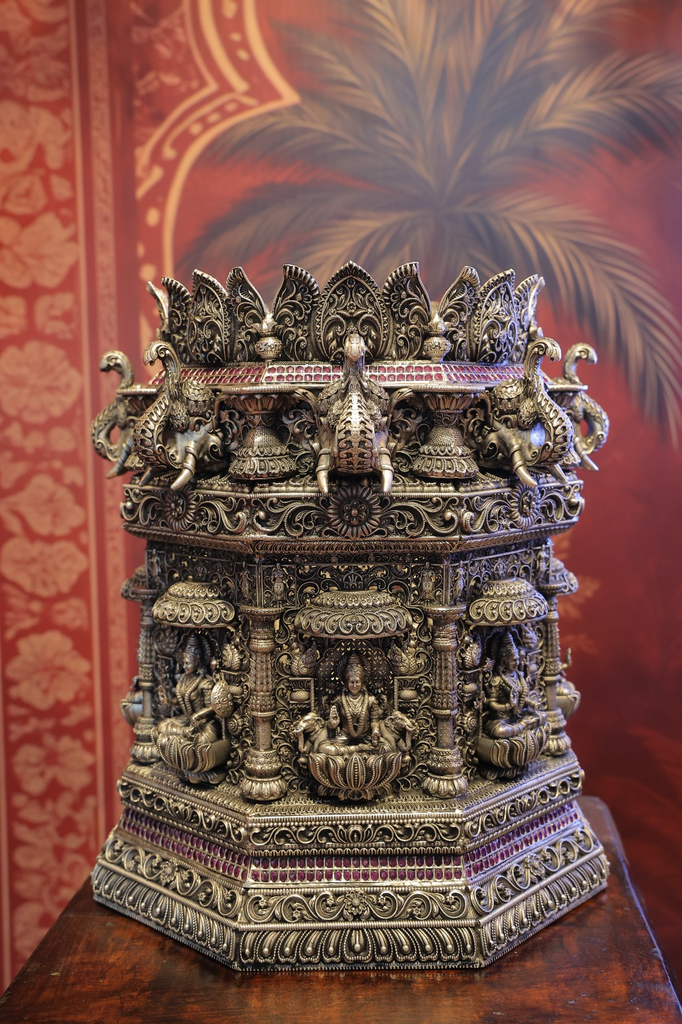
Both Purple Jewels and Anmol Jewellers demonstrated the depth of skill in silver idol-making, from the Saptashwa Vase’s mythological detailing to the technical complexity of Vishwarupa and Panchmukhi Hanuman forms, underscoring silver artefacts as a distinct and thriving craft category alongside wearable jewellery.
Balancing tradition and modernity
Taken together, the exhibitors at the 3rd edition of SSI Delhi painted a picture of an industry balancing tradition and modernity — where antique finishes and devotional artistry sit comfortably alongside rose gold sophistication, gender-targeted lines, and category extensions such as infant jewellery and timepieces. This blend of heritage craftsmanship and contemporary lifestyle relevance appears to be the defining character of the show.


-

 International News1 hour ago
De Beers Assumes 100% Control Of Gahcho Kué Diamond Mine
-

 National News53 minutes ago
Keemti Jewels Unveils Second Lagship Store In Mumbai At Borivali-West
-

 New Premises4 hours ago
Malabar Gold & Diamonds Opens Its Second-Biggest Showroom In Goa
-
 National News1 hour ago
Tanvi Exports Files DRHP For Proposed IPO
