

News
India Sets the Global Jewellery Calendar with Grand Opening of IIJS Bharat – Signature 2026

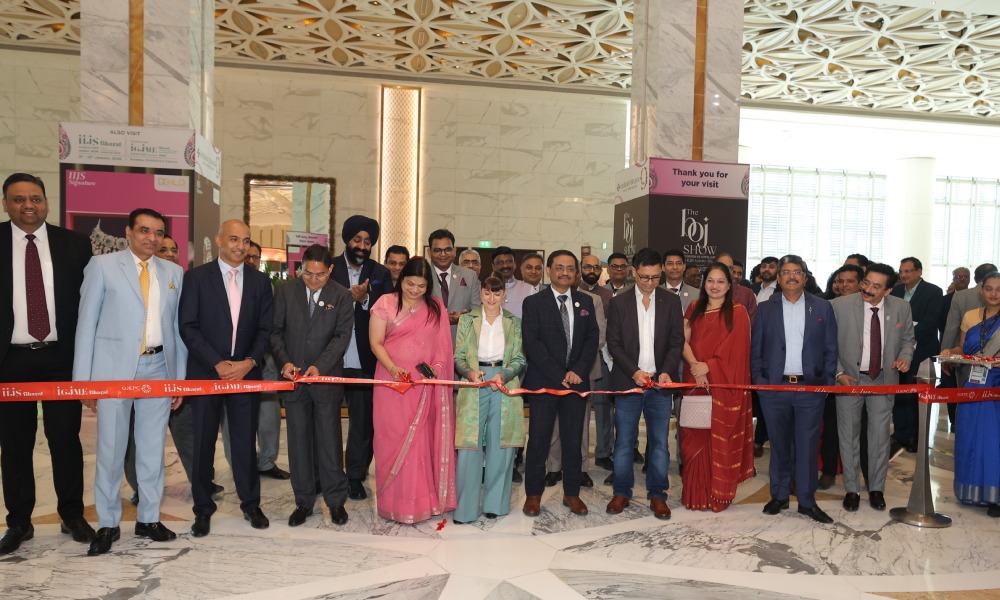
- IIJS Bharat – Signature 2026 to expected to generate Inr. 75,000 crore in orders
over the next three months - Industry on Track for USD 100 Billion Exports by 2047, Aligned with PM’s
Vision of Viksit Bharat: GJEPC Chairman - IIJS Bharat – Signature 2026 features 1,600+ exhibitors and 3,300+ stalls across
1.25 lakh sq. m. at two premier Mumbai venues. 25,000+ trade buyers, including 1,400 international buyers from 40 countries and 12 international buyer delegations.
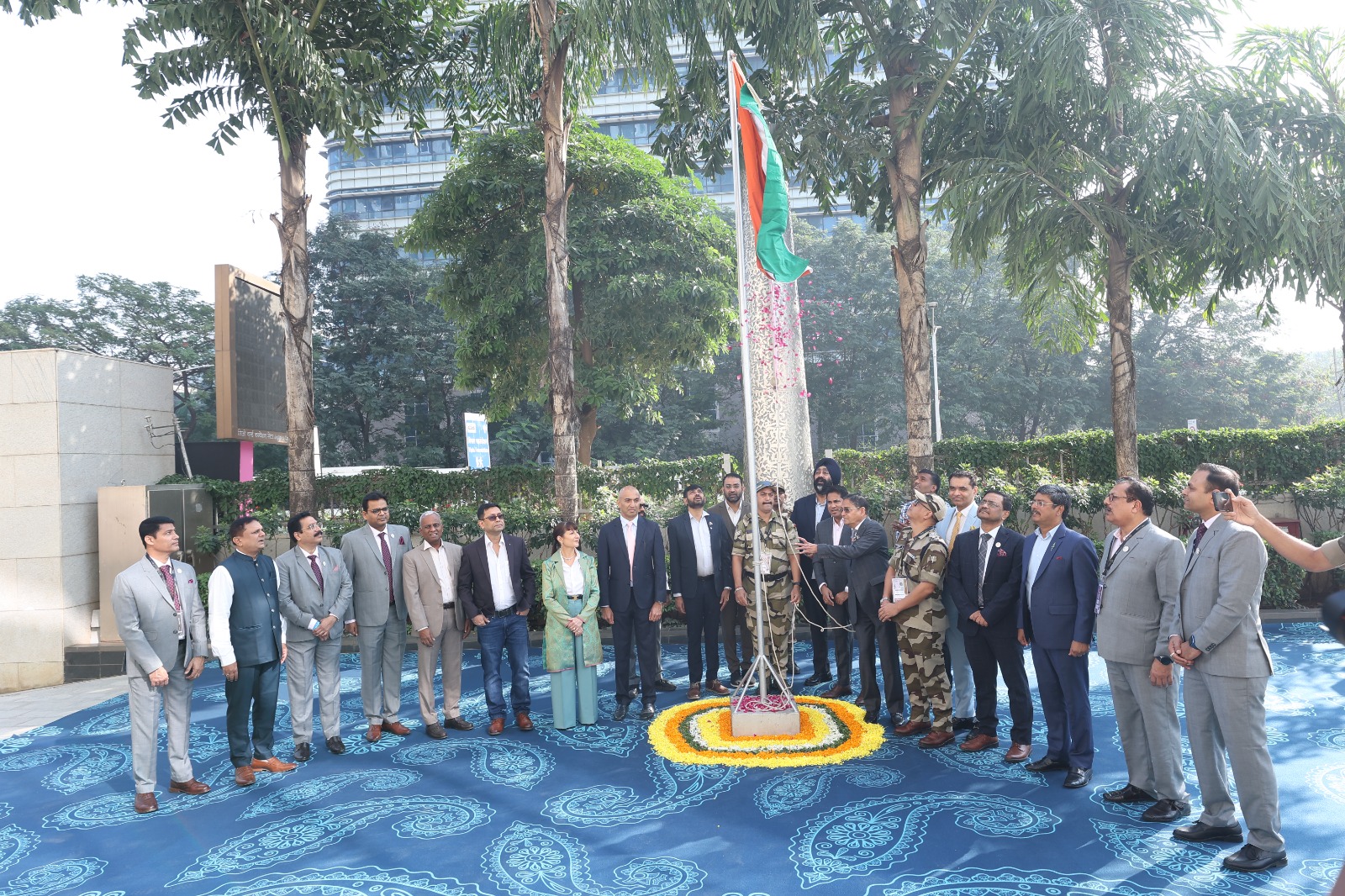
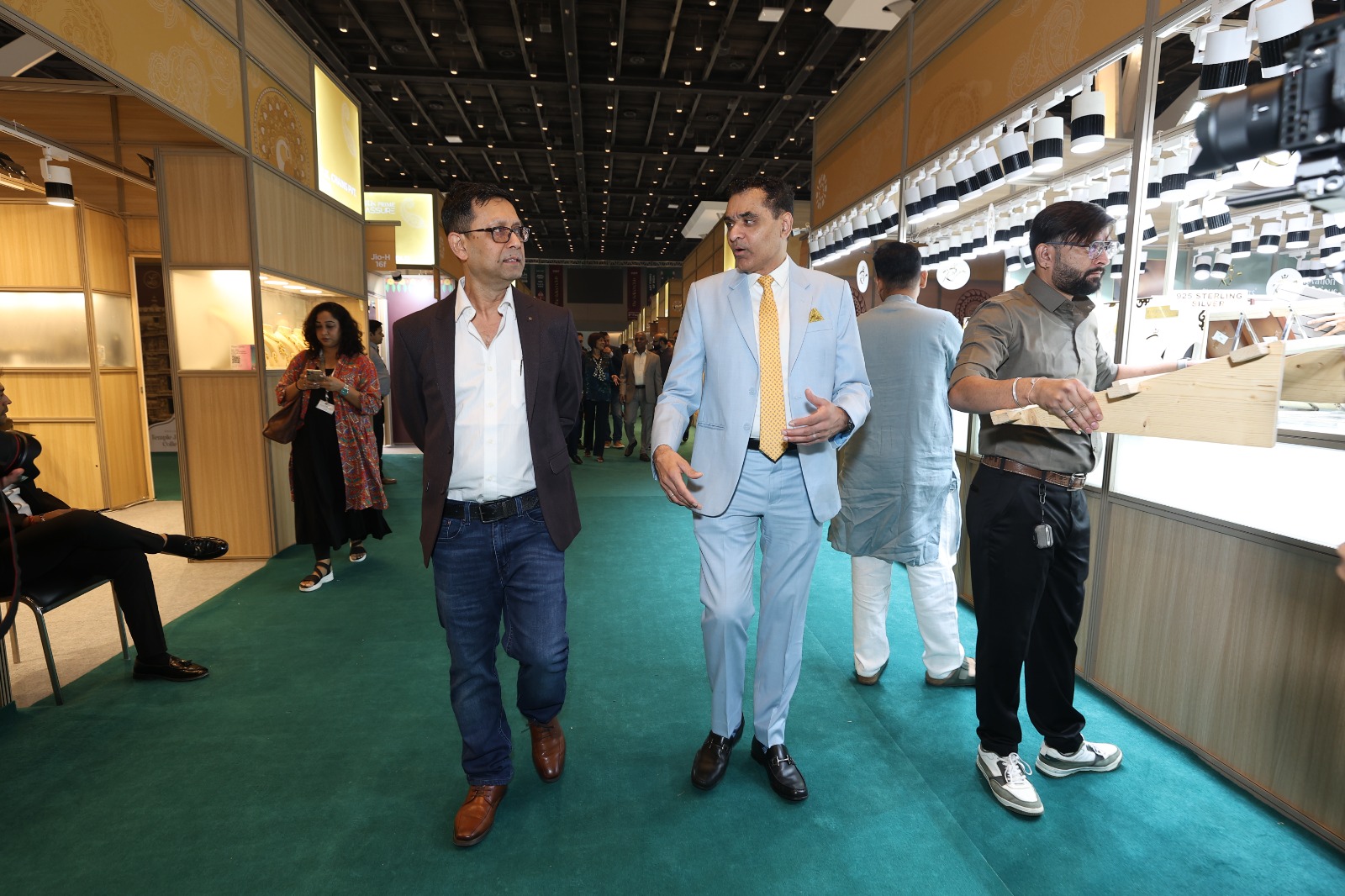
India today reaffirmed its position at the centre of the global gems and jewellery trade as the Gem & Jewellery Export Promotion Council (GJEPC) inaugurated the 18th edition of IIJS Bharat – Signature 2026 at the Jio World Convention Centre (JWCC), Mumbai—formally opening the global jewellery business calendar for the year.
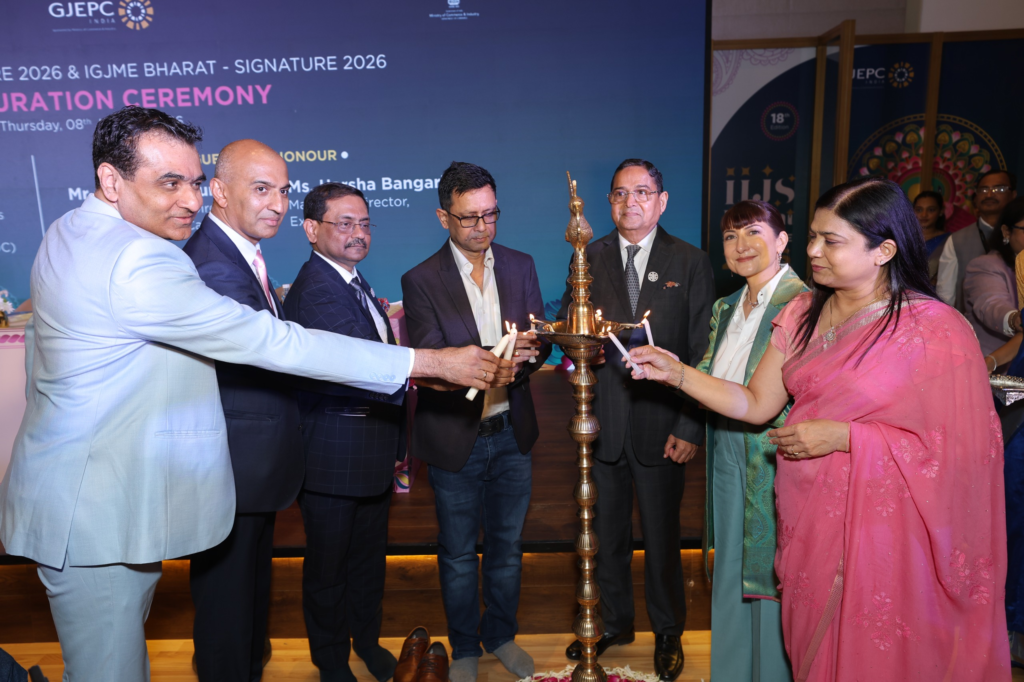
Widely regarded as the first and most influential B2B jewellery trade fair of the year, IIJS
Bharat – Signature 2026 brings together the entire global value chain at a time when
market sentiment, sourcing strategies, and business direction for the year ahead begin
to take shape.
The inaugural ceremony was graced by Chief Guest Sandrine Conseiller, CEO, De
Beers Brands and Chair, Natural Diamond Council, and Guests of Honour Harsha
Bangari, Managing Director, EXIM Bank and Saumen Bhaumik, Managing Director,
CaratLane.
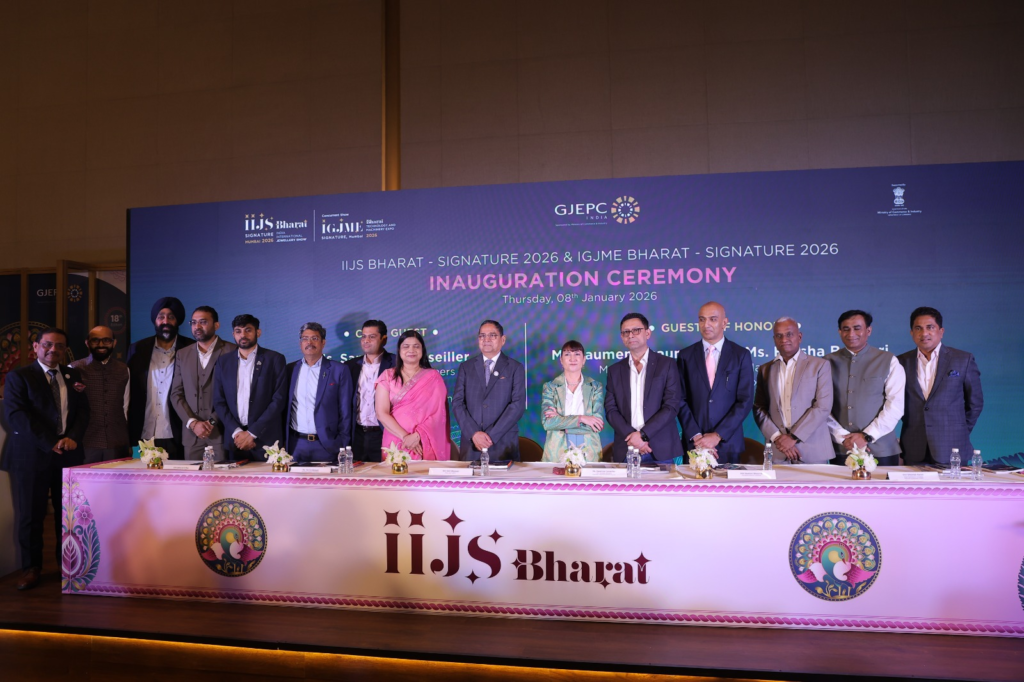
The inauguration took place in the presence of Kirit Bhansali, Chairman, GJEPC;
Shaunak Parikh, Vice Chairman & Convener, National Exhibitions, GJEPC; and
Sabyasachi Ray, Executive Director, GJEPC, along with members of the Committee of
Administration, exhibitors, buyers, and leading stakeholders from across the global gem
and jewellery industry.
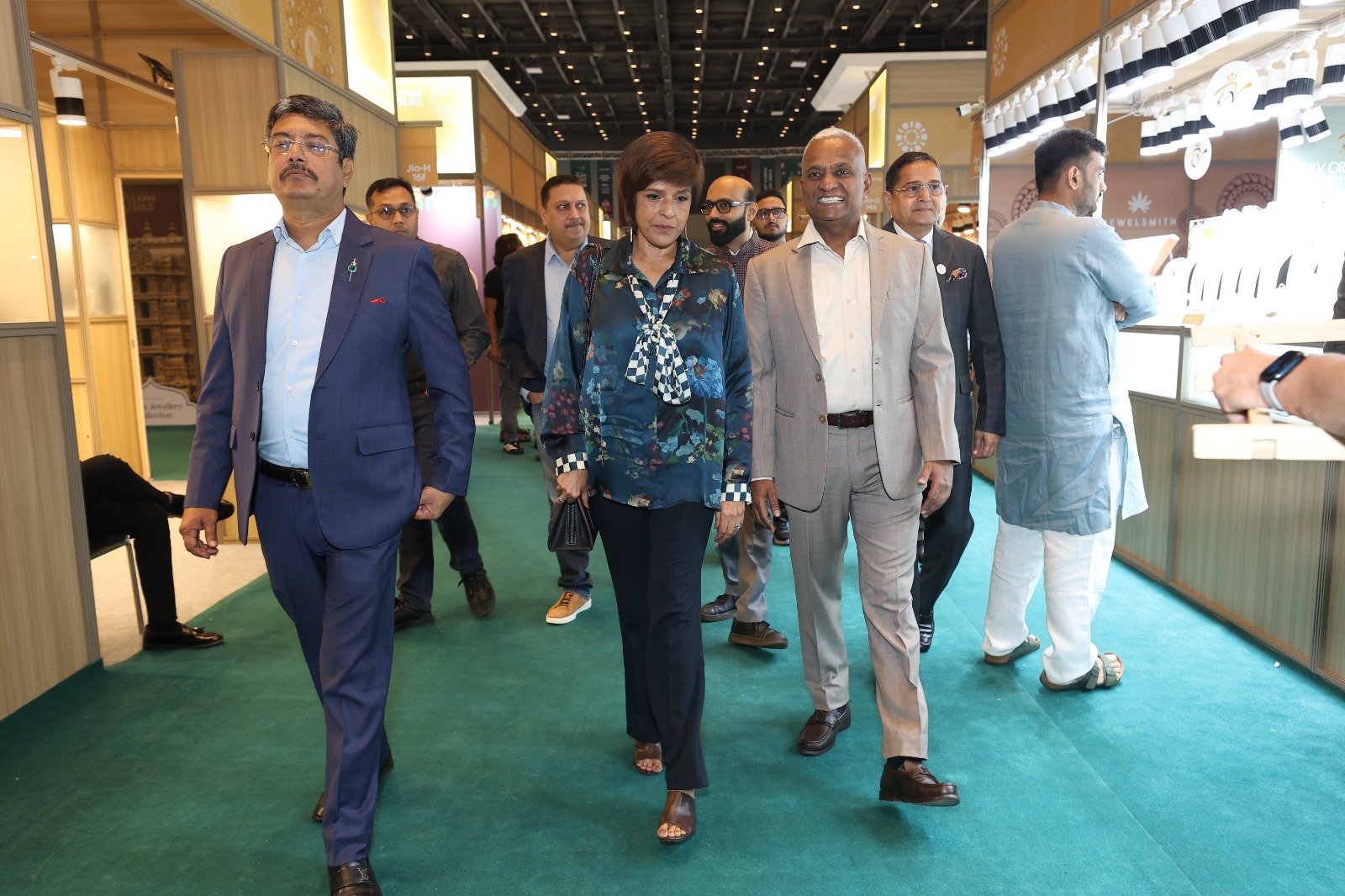
IIJS Bharat – Signature 2026 is being held at two premier venues in Mumbai—Jio
World Convention Centre (8–11 January 2026) and Bombay Exhibition Centre,
NESCO, Goregaon (9–12 January 2026)—alongside IGJME Bharat – Signature
2026, the machinery and technology showcase.
Spanning over 1.25 lakh square metres, the exhibition brings together 1,600+
exhibitors across 3,300+ stalls, welcoming over 25,000 trade buyers from 800+
Indian cities, including 1,400 international buyers from 40 countries and 12
international buyer delegations. The show offers a comprehensive sourcing platform
across gold, diamond, silver and studded jewellery, loose natural diamonds, coloured
gemstones, couture and fine jewellery, lab-grown diamonds, and machinery and allied
segments.

The Chief Guest, Sandrine Conseiller, CEO, De Beers, inaugurated the show and highlighted, “there is no better place to talk about the future of jewellery than India. From being the birthplace of the world’s diamond story to emerging as one of the fastest-growing markets today, India continues to be a pillar of stability and opportunity for the global gems and jewellery industry. Platforms like IIJS Signature play a critical role in strengthening trust, partnerships and confidence across the ecosystem, while
reinforcing India’s position at the heart of the global jewellery trade.”
Shri Kirit Bhansali, Chairman, GJEPC, said, “As the year’s first major international showcase, IIJS Bharat – Signature embodies the Indian gem and jewellery industry’s confidence, resilience, and global readiness. India stands at the nexus of trust, transparency, and opportunity—with IIJS bringing this story to life.”
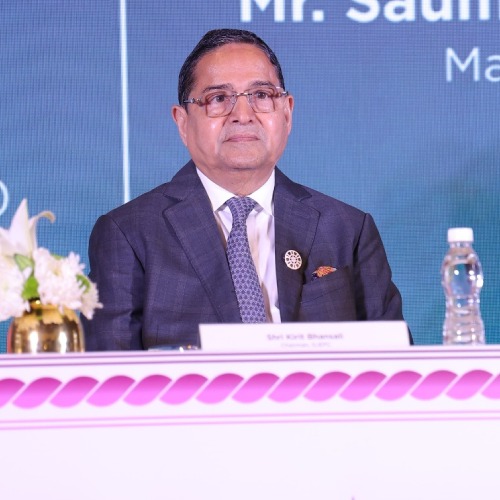
“In 2026, India steps boldly onto the world stage, assuming the Kimberley Process
Chairmanship for the third time—a resounding vote of confidence in our leadership,
credibility, and dedication to ethical trade. Poised to achieve the USD 100 billion export
milestone by 2047, India’s gem and jewellery sector has outgrown dependence on
traditional markets. It will drive growth through Free Trade Agreements, robust
government support, strategic diversification, manufacturing and technology innovation, and retail expansion. These pillars—anchored in transparency and consumer
trust—strengthen our global competitiveness and ensure sustainable, long-term
growth”, Chairman added.
Highlighting the role of finance and infrastructure in strengthening the sector, Harsha
Bangari, Managing Director, EXIM Bank, said, “Gems and jewellery is a traditional yet
dynamic sector with a significant contribution to India’s exports and employment.
Strengthening infrastructure, improving awareness about financial products, addressing
technology and skill gaps, and easing trade bottlenecks are critical for clusters to realise
their full export potential.”
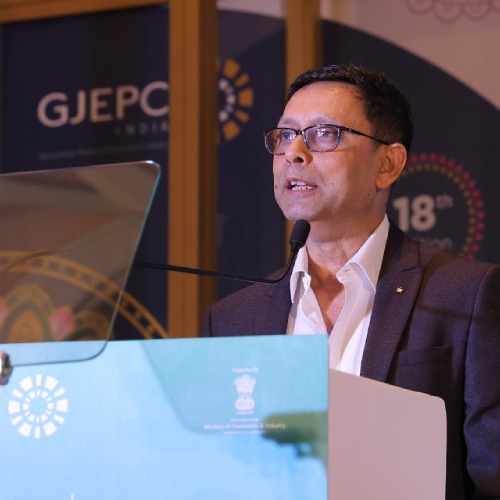
Saumen Bhaumik, Managing Director, CaratLane said, “As our industry grows, every stakeholder has benefited, but continued investment in skills and craftsmanship will be key to sustaining this momentum. With the industry expected to grow significantly in the
coming years, the availability of skilled hands will become critical. Making artisans a priority is not charity, it is business prudence. If we want to be global leaders, dignity, pride and security for craftsmanship must sit at the centre of our growth story.”
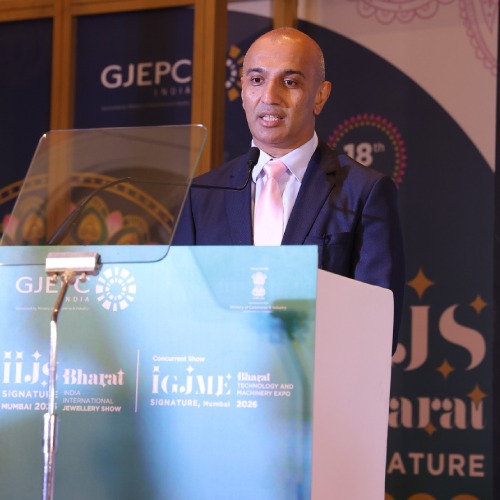
Shaunak Parikh, Vice Chairman, GJEPC said, “IIJS Bharat – Signature 2026 represents India’s commanding position in the global gem and jewellery industry, spanning manufacturing excellence, design innovation, and a rapidly growing domestic market. As the first major international jewellery trade fair of the year, it is where the global industry turns to India for direction and opportunity. The scale of participation,
growing international presence, and strong entry of new enterprises reflect the confidence of the trade—making IIJS Bharat – Signature the definitive platform where the global jewellery business year truly begins.”
Inspired by the Art Forms of India under the overarching “Brilliant Bharat” theme, the
dedicated Crafts Pavilion at IIJS Bharat – Signature 2026 celebrates the country’s rich
jewellery heritage through curated displays and live demonstrations by National Award-
winning artisans. The pavilion showcases GI-tagged traditions such as Thewa (gold on
glass), Banarasi Meenakari, Cuttack’s centuries-old silver filigree, and distinctive silver
crafts from the Hupari cluster, offering visitors a focused glimpse into India’s living craft
legacy.
The exhibition also features Select CLUB, a curated luxury segment at JWCC
showcasing high-end couture and fine jewellery by 107 select companies, alongside
Innov8 Talks & Symposium Knowledge Forums addressing critical themes such as
the future of natural diamonds, Free Trade Agreements, lab-grown diamond technology,
ease of doing business, and the role of AI in jewellery by 2030.
Aligned with GJEPC’s One Earth sustainability initiative, IIJS Bharat – Signature 2026
continues its commitment to responsible exhibitions, including the elimination of over
600,000 single-use plastic water bottles at the Bombay Exhibition Centre and wider
adoption of eco-conscious practices.
With global buyers, industry leaders, and policymakers converging in Mumbai, IIJS
Bharat – Signature 2026 is poised to set the tone for the gem and jewellery industry in
the year ahead—combining heritage, innovation, sustainability, and global business
opportunity on one unified platform.









India’s appetite for borrowing against gold is reshaping the country’s credit landscape. Outstanding gold-backed loans have surged 128% from a year earlier, crossing Rs.4 lakh crore ($48 billion) for the first time, according to data from the Reserve Bank of India. As of Jan. 31, loans secured by gold jewellery stood at Rs.4,00,517 crore, marking one of the fastest expansions in retail credit in recent years.
The boom in gold loans has helped propel overall non-food bank credit growth to 14.4% year-on-year. Personal loans now account for 34.5% of total bank lending, outpacing other segments and underscoring a broader shift toward consumer-driven credit expansion
Gold loans alone contributed roughly 9% of incremental bank credit during the period. Between January 2024 and January 2026, outstanding gold-backed credit rose by nearly Rs.3.1 lakh crore—an increase of about 338% over two years—more than quadrupling the size of the portfolio.
Two factors are driving the surge. First, gold prices have climbed roughly 152% over the past two years, increasing the collateral value of household holdings. Second, regulatory guidance requiring banks to classify loans secured by gold explicitly as gold loans has sharpened reporting and accelerated balance-sheet growth in the segment.
The trend highlights a distinctive feature of India’s financial system: households’ vast stock of physical gold, long viewed primarily as a store of wealth, is increasingly being mobilized as collateral for formal credit.
While personal lending and credit to nonbank financial companies within the services sector continue to expand rapidly, industrial credit remains uneven. Loans to micro, small and medium enterprises are growing steadily, but borrowing by large corporations has stayed relatively muted.
Since March 21, 2025, banks have added Rs.21.8 lakh crore to their non-food loan books, translating into 12% growth for the financial year to date. Yet it is gold—rather than factories or infrastructure—that is emerging as one of the most dynamic engines of India’s current credit cycle.


-
 National News4 days ago
IIBS-11: Navigating the ‘New Gold Rush’ in a fragmenting global economy
-

 International News4 days ago
Oroarezzo 2026, with Italian Exhibition Group, Manufacturing Explores New Markets
-

 International News4 days ago
Gemfields nets $53m in Bangkok ruby auction
-

 New Premises4 days ago
Limelight Diamonds Unveils Exclusive Visakhapatnam Store in the Presence of Union Minister of Civil Aviation Shri Kinjarapu Ram Mohan Naidu
