
JB Insights
IAGES is a pioneering framework to ensure transparency, trust and sustainability in the gold sector

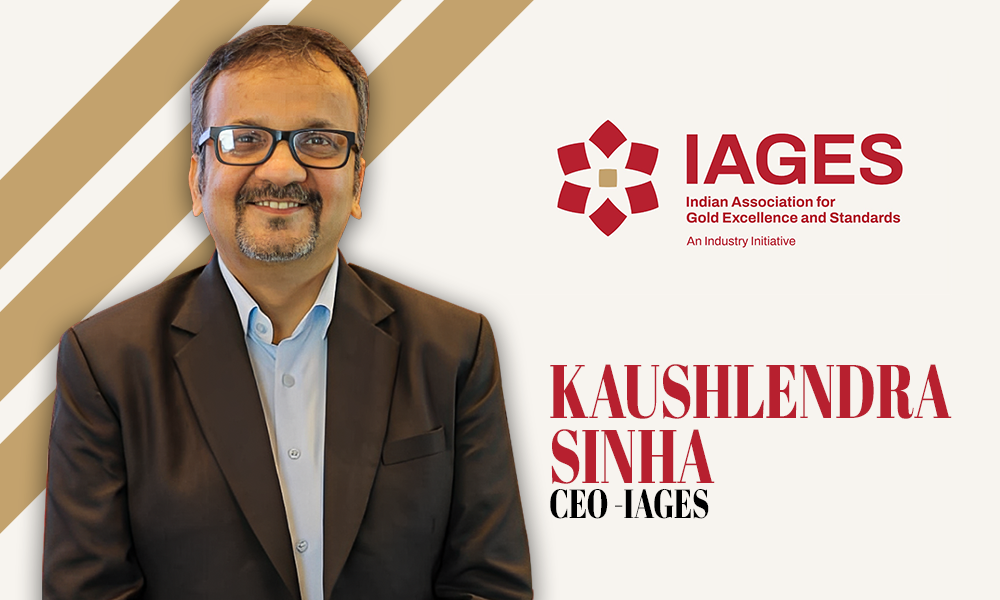
Indian Association for Gold Excellence and Standards (IAGES)is a Self Regulatory Organisation (SRO) created by the Indian gold industry, for the Indian gold industry, and supported by prominent gold sector industry associations. IAGES stands as an independent body revolutionizing the gold industry in India, aims to brings a pioneering framework to ensure transparency, trust, and sustainability in the gold sector. Kaushlendra Sinha, CEO -IAGES speaking to JewelBuzz, underscores how IAGES will enhance compliance and build trust in the gold sector and dwells on the pan – India roll-out of IAGES.
We are at GJS Diwali edition-What’s your impression of this year’s event?
The energy here is palpable. There’s a renewed sense of optimism, and I must commend the GJC for orchestrating such a seamless show. Events like this are invaluable—they allow us to connect with stakeholders across the ecosystem.
Tell us about IAGES’s relationship with trade organizations.
We maintain a close partnership with the GJC, which is a primary shareholder of IAGES. Our collaboration extends across multiple initiatives, ensuring alignment with industry standards. In essence, we are an industry-led, self-regulatory organization—the first of its kind globally in the gold sector.
What’s the mission behind IAGES?
Our goal is to enhance compliance across the gold industry, thereby strengthening consumer trust throughout the value chain. By creating transparency and standardization, we aim to give consumers confidence when engaging with gold businesses, particularly in high-value, emotional transactions.
How has IAGES evolved since inception?
The initiative began in collaboration with the World Gold Council. By August 2025, IAGES became an independent entity and now operates as a fully industry-led initiative. Our shareholder base includes the GJC and IAGES partners, with more joining progressively.
How are you engaging with the industry across India?
Currently, our accreditation program is live in Mumbai. However, we’ve received significant inquiries from other regions, and we’re actively expanding our assessor network nationwide. Our long-term objective is Pan-India coverage, enabling businesses to access our services regardless of location.
And on the consumer side, what’s the strategy?
Consumer engagement is central to our initiative. IAGES accreditation provides a seal of trust, signifying that a business has undergone third-party assessment, not self-certification. This ensures consumers interact with entities that demonstrate integrity, compliance, and best practices. Our marketing campaign will roll out within the next month, directly targeting consumer awareness and trust.
Can you share some numbers?
We’ve seen a strong response, with over 200 expressions of interest to date. Our panel of 10 trained assessors is currently onboarding, with rigorous training on our code of conduct. Accreditation isn’t instantaneous—it’s a structured, methodical process, ensuring credibility and consistency.
Any final thoughts as you expand this initiative?
Our vision is clear: drive the gold industry towards organization, transparency, and consumer confidence. With government encouragement for the organized sector, initiatives like IAGES are critical in enhancing credibility and reputation.
Thank you for your insights. Wishing you and your team continued success.
Thank you, Steve. We thank JewelBuzz for providing this platform to share our vision and look forward to connecting further with both industry and consumers.



JB Insights
CIBIL Score Plays A Key Role In Festive Financing
A Consumer’s CIBIL Score and Report Play A Decisive Role In Determining Loan Eligibility, Interest Rates, and Overall Borrowing Terms During High-Spending Seasons.

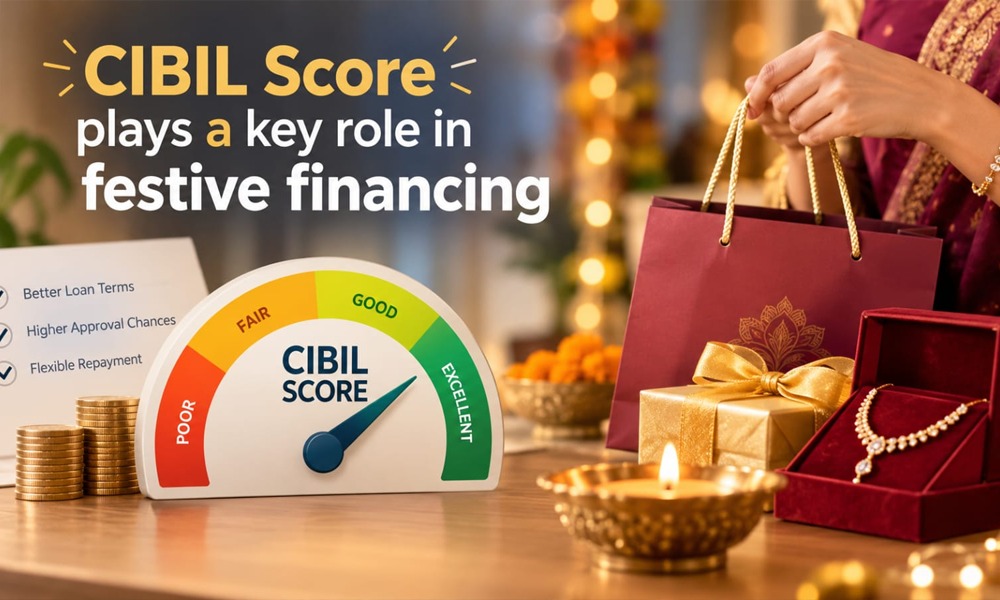
Gold in India is more than just a precious metal; it represents tradition, emotion, and long-term financial security. As major celebrations such as Dhanteras, Diwali, and the upcoming wedding season approach, consumer demand for gold reaches its annual peak.
However, with gold prices rising due to both global macroeconomic pressures and heightened domestic demand, an increasing number of buyers are turning to credit options—specifically gold loans and personal loans—to finance their festive purchases.
In light of these market dynamics, maintaining awareness of one’s financial profile is critical.
A consumer’s CIBIL Score and Report play a decisive role in determining loan eligibility, interest rates, and overall borrowing terms during high-spending seasons.
The Mechanics Behind Festive Gold Price Surges
Gold prices do not move in isolation. The seasonal increase in retail price is driven by a combination of key domestic and international factors:
Global Economic Uncertainty: International market volatility frequently drives capital into gold as a traditional safe-haven asset.
Macroeconomic Indicators: Currency fluctuations and persistent inflation impact local procurement costs.
Domestic Seasonal Demand: Concentrated buying during auspicious cultural dates creates short-term supply-demand imbalances, further driving up retail costs.
The Strategic Role of Your CIBIL Score in Festive Financing
When household budgets face pressure during peak shopping periods, credit-based financing offers immediate liquidity. Whether securing an uncollateralized personal loan or a loan against existing gold holdings, financial institutions rely heavily on credit risk assessments.
The CIBIL Score—a 3-digit numerical summary ranging from 300 to 900—serves as the primary benchmark for creditworthiness:
Approval Probability: A high CIBIL Score significantly increases the likelihood of quick loan sanctioning.
Cost of Capital: Lenders offer competitive, lower interest rates to high-scoring applicants, reducing total borrowing costs.
Flexible Repayment Structure: Favorable credit profiles grant borrowers stronger leverage to negotiate manageable tenure options.
Best Practices for Smart Festive Borrowing
To enjoy festive celebrations without compromising long-term financial stability, consumers are advised to adopt responsible borrowing strategies:
Check Credit Reports Early: Review your CIBIL Report prior to applying for financing to resolve any discrepancies or evaluate your standing.
Borrow Within Limits: Limit loan amounts strictly to what can be comfortably serviced within monthly household budgets.
Maintain Timely Repayments: Ensure all equated monthly installments (EMIs) are paid on time to avoid negative marks on your credit profile.
By pairing festive financial planning with active credit monitoring, consumers can meet their cultural commitments while preserving robust financial health for the future.



Festive Dressing, But Make It QWEEN: 10 Jewellery Pieces To Add To Your Festive Wardrobe

WGC Report-Digital Gold: Unlocking a $700bn Opportunity

Malabar Gold & Diamonds Unveils ‘SWAYE’, A Natural Diamond Collection Inspired By Spiral Forms and Modern Elegance

Limelight Lab Grown Diamonds Crosses 100 Stores Milestone This Dussehra: Targets 200 In 2027
Malabar Gold & Diamonds Unveils ‘SWAYE’, A Natural Diamond Collection Inspired By Spiral Forms and Modern Elegance
Festive Dressing, But Make It QWEEN: 10 Jewellery Pieces To Add To Your Festive Wardrobe
-
 National News2 days ago
Limelight Lab Grown Diamonds Crosses 100 Stores Milestone This Dussehra: Targets 200 In 2027
-
 BrandBuzz6 hours ago
Malabar Gold & Diamonds Unveils ‘SWAYE’, A Natural Diamond Collection Inspired By Spiral Forms and Modern Elegance
-
 National News1 hour ago
Festive Dressing, But Make It QWEEN: 10 Jewellery Pieces To Add To Your Festive Wardrobe
-

 National News9 hours ago
Gold and Silver Prices Drop Post-Dussehra On Stronger US Dollar
