
National News
HSBC Mutual Fund launches gold ETF


HSBC Mutual Fund has officially entered India’s Exchange-Traded Fund (ETF) sector with the launch of two gold-backed products. This move aims to capture a share of a rapidly maturing market that saw India rank 3rd globally for net inflows in 2025.
- HSBC Gold ETF: NFO active March 16–18, 2026.
- HSBC Gold ETF FoF: NFO active March 19–25, 2026.
- Fund Management: Led by Dipan S. Parikh, targeting domestic gold price tracking.
Current Market Dynamics & Valuation
The launch arrives at a critical technical juncture. While 2025 saw a 65% year-on-year increase in total holdings (reaching 95 tonnes), the immediate environment is characterized by:
- Short-term Volatility: Domestic gold prices hit a three-week low on March 16, 2026, driven by a strong U.S. dollar and hawkish interest rate expectations.
- Waning Momentum: February 2026 saw a 78% MoM drop in inflows, signaling significant profit-taking by retail and institutional investors.
Critical Note: While some sources report a 0.0% expense ratio for HSBC’s direct ETF, this is likely a short-term promotional “teaser” rate. Long-term operational sustainability at this level is improbable given storage and insurance costs for physical bullion.
Risk Assessment: The FoF Structure
The Fund of Fund (FoF) model offers accessibility for non-demat holders but introduces specific headwinds:
- Compounded Costs: Investors face “double-dipping” fees—management fees for the FoF on top of the underlying ETF expenses.
- Liquidity Constraints: A reported 1.00% exit load on the FoF penalizes short-term tactical movements.
- Market Exposure: The mandate to remain invested regardless of price outlook limits the fund’s ability to hedge during bearish cycles.
Strategic Outlook
The transition of Indian investors from physical bullion to “paper gold” remains a long-term tailwind. For HSBC to successfully penetrate this saturated market (25+ existing products), it must:
- Validate Pricing: Clarify the long-term expense ratio beyond the NFO period.
- Prove Liquidity: Demonstrate tight bid-ask spreads to compete with Nippon’s Gold BeES.
- Performance Tracking: Maintain minimal tracking error against domestic spot prices to gain institutional credibility.




National News
Kantilal Jewellers, Launches Flagship Showroom At Vastrapur, Ahmedabad
Marking Its First Expansion Outside Surat, The Massive Three-Story Space Is The Brand’s Largest Retail Destination To Date.

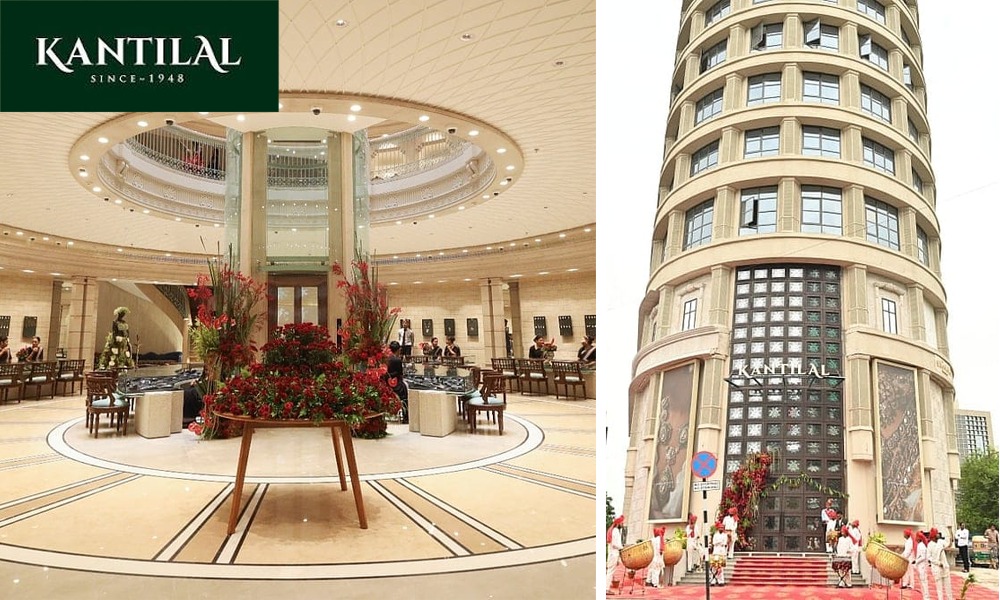
Surat-based Kantilal Jewellers, a legacy brand established in 1948, has expanded beyond its home base with the launch of a 28,000 sq. ft. flagship showroom at Keshavbaug Capital, Vastrapur, Ahmedabad.
Marking its first expansion outside Surat, the massive three-story space is the brand’s largest retail destination to date.
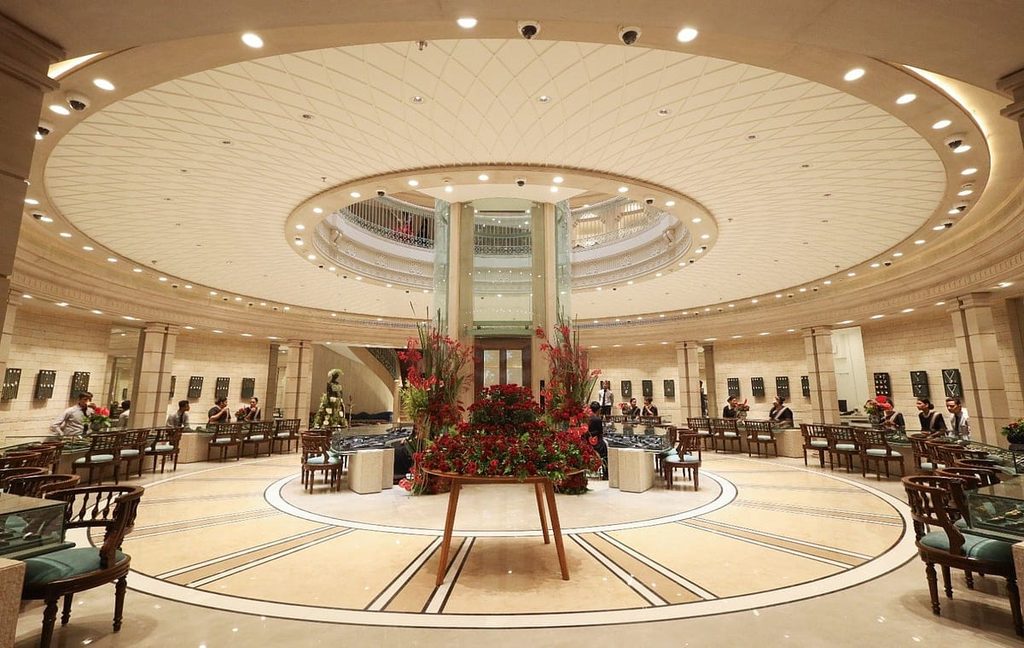
Palatial Architectural Concept: The store design takes inspiration from Jodhpur Palace, featuring Jharokha-style screens, marble passageways, domed skylights, chandelier lounges, and a central atrium linking all three levels.
Experiential Studio Retail: Departing from traditional counters, the showroom offers private studio spaces, VIP viewing areas, and dedicated experience centers.
Ambient Luxury: The shopping experience is elevated by live sitar and guitar performances alongside personalized consultation lounges.
Product Offering: The flagship showcases the brand’s signature gold, diamond, and bridal collections tailored for the Ahmedabad market.
Led by Director Jinay Choksi, this flagship rollout is a strategic move to establish a distinct, experiential luxury footprint across major Gujarat markets while preserving the heritage of the Kantilal brand.


-

 Special Reports1 day ago
Growth of the 925 Sterling Silver Gifting Segment
-

 ShowBuzz1 day ago
TRENDS @ SSI DELHI 3RD EDITION
-

 JB Insights2 days ago
Devotion, Heritage & Diversification: The defining trends of SSI Delhi’s 3rd Edition
-

 JB Insights2 days ago
Gold-plated silver jewellery is seeing explosive growth
