
International News
Hong Kong International Jewellery Show opens, showcases global designs and trends
Twin fairs bring together 4,000 exhibitors from 40+ countries, highlighting luxury brands, innovative gold technologies, antique treasures and emerging design talent.

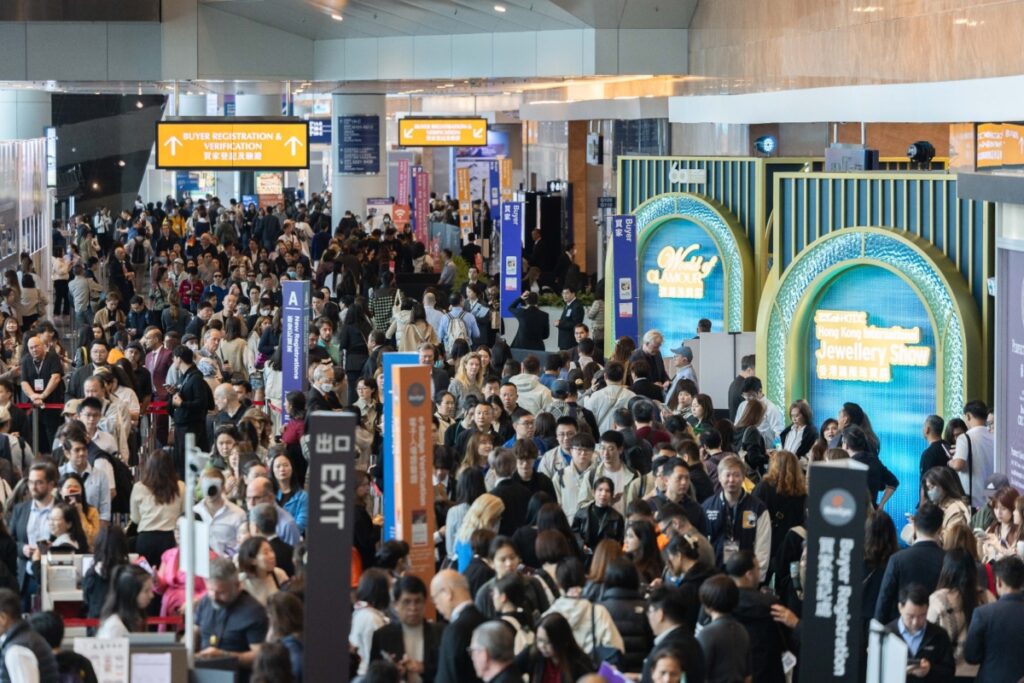
The 42nd Hong Kong International Jewellery Show, organised by the Hong Kong Trade Development Council (HKTDC), opens today at the Hong Kong Convention and Exhibition Centre (HKCEC) and runs for five consecutive days until 8 March. It is held concurrently with the 12th Hong Kong International Diamond, Gem & Pearl Show which opened on Monday (2 March) at Asia World-Expo and concludes on 6 March. The two shows bring together some 4,000 exhibitors from over 40 countries and regions, forming the world’s largest one-stop jewellery marketplace.

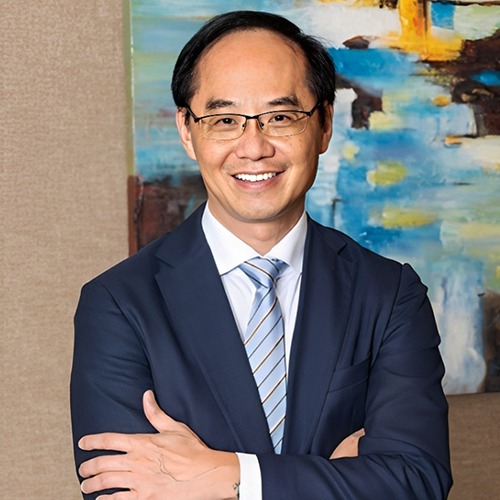
Jenny Koo, Deputy Executive Director of the HKTDC, said: “Alongside the expanded Hall of Fame, the show will feature the debut of the Hard Pure Gold Pavilion and the Hong Kong Watch Manufacturers Association Pavilion. Furthermore, Uzbekistan is participating for the first time with a delegation of 10 companies, showcasing a wide range of gold jewellery. Through diversified exhibit profiles, we aim to create more collaboration opportunities for the industry and reinforce Hong Kong’s status as a global jewellery trading hub.”
Kent Wong, Chairman of the Hong Kong International Jewellery Show and the Hong Kong International Diamond, Gem & Pearl Show Fair Organising Committee, said: “Hong Kong is an international trade and sourcing centre and our twin jewellery shows play a pivotal role. Continuing the successful ‘Two Shows, Two Venues’ format, the fairs attract global jewellery professionals for sourcing and networking, helping the industry capture the latest global market trends.”
International brands converge, key zones expand
At the Hong Kong International Jewellery Show, the Hall of Fame has expanded by over 40%, welcoming more renowned international jewellery brands. Among them, Turkish exhibitor Hosgor Kuyumculuk Mucevherat Ticaret Limited Sirketi (Booth: CEC 3B-D15) presents a 35.5-carat diamond necklace that combines exquisite craftsmanship with brilliant radiance. Another highlight is the Hall of Extraordinary, which features exhibitors such as Hong Kong’s Glamour Fine Jewelry Enterprise Company (Booth: CEC GH-C16), showcasing a bracelet featuring Colombian emeralds paired with diamonds and rubies in a radiant and luxurious style.
New pavilions highlight oriental aesthetics
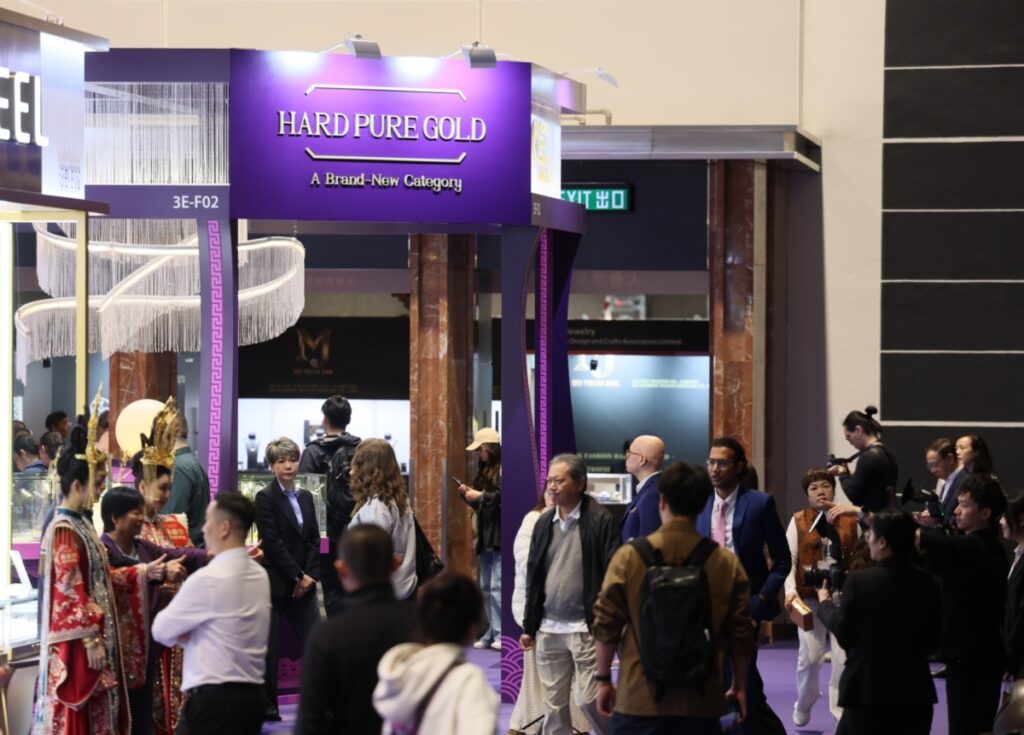
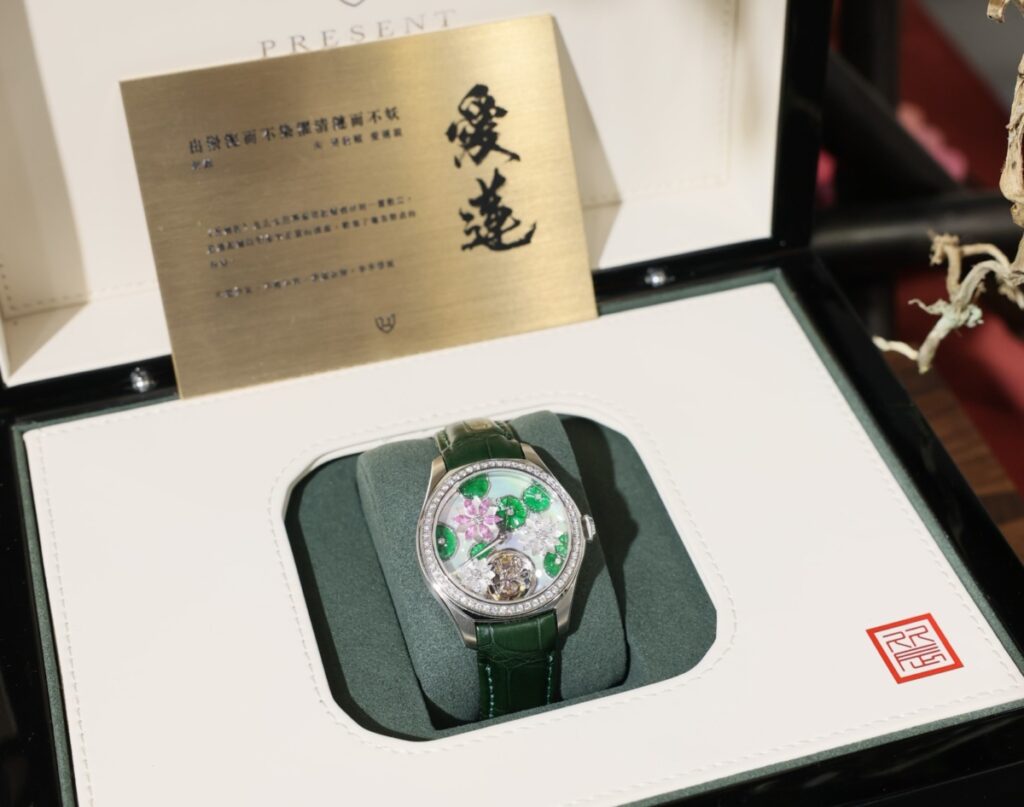
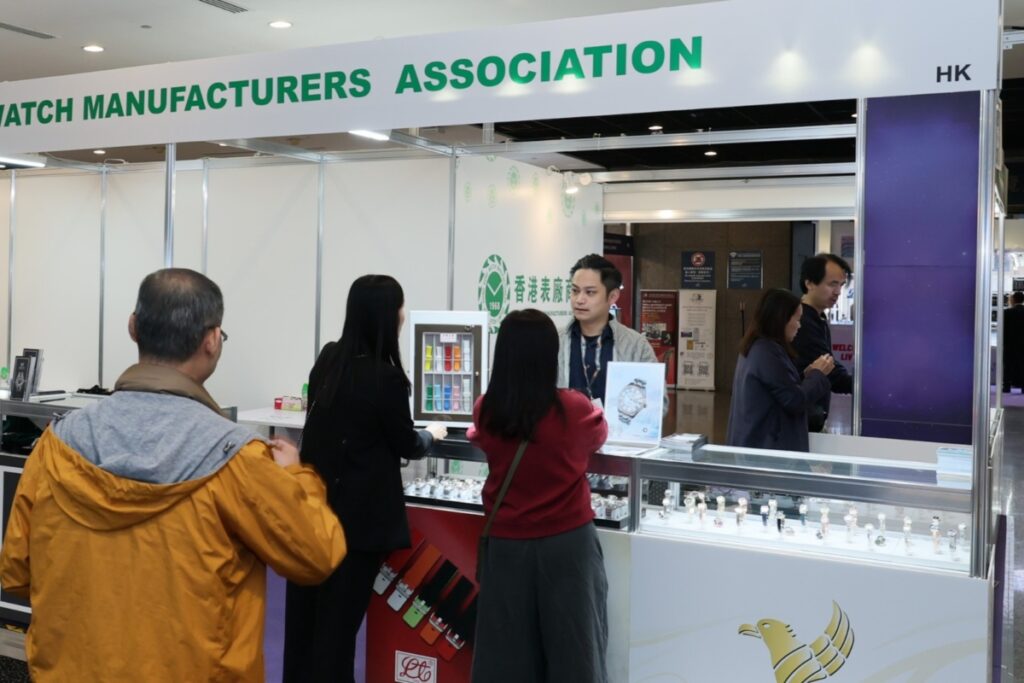
With hard pure gold technologies gaining popularity in the Chinese Mainland, the Hard Pure Gold Pavilion (Booth: CEC 3E-F02) features 11 exhibitors organised by the World Gold Council. The pavilion showcases innovative techniques that produce harder, lighter and brighter gold pieces capable of setting a variety of gemstones. Also, the Hong Kong Watch Manufacturers Association Pavilion highlights crossover craftsmanship between jewellery setting and watchmaking.
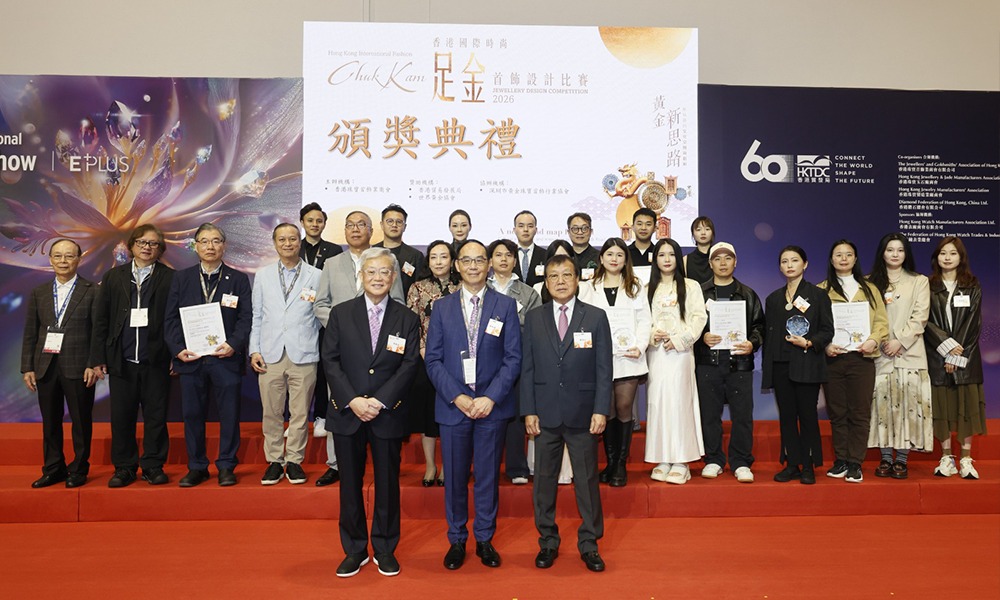
The fairs also feature several events celebrating oriental aesthetics. Today, the Jewellers’ and Goldsmiths’ Association of Hong Kong Limited presented the awards for the Hong Kong International Fashion Chuk Kam Jewellery Design Competition. The competition encourages designers to create culturally rich and commercially viable gold jewellery for the ASEAN and the Middle East markets. Tomorrow (5 March) will see the awards presentation of the inaugural International Fei Cui Jewellery Design Competition, organised by the Hong Kong Jade Association, honouring designers who skilfully blend jadeite with global cultural elements.
Antique treasures and cutting-edge design
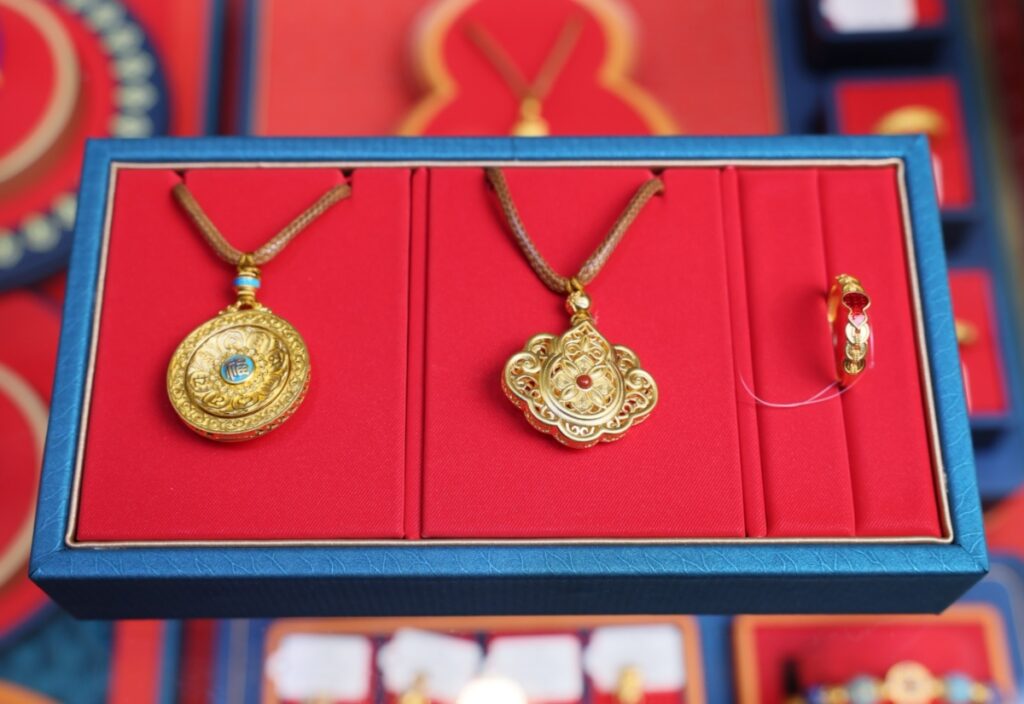
Antique jewellery remains highly sought-after by collectors and high-end customers for its historical value and craftsmanship. The Antique & Vintage Jewellery Galleria presents an array of rare pieces, including a bi-colour enamel diamond piece from World Coins Co., Ltd. (Booth: CEC CH-N12), with a history spanning over a century.
Design pieces are equally captivating, the Designer Galleria welcomes 10 Korean designers this year. Together with the Young Jewellery Designer Arena, participated by the Asia Pacific Creator Association and the Asia Jewelry Culture Design and Crafts Association, about 50 designer exhibitors will showcase their diverse creativities in the fairground.
The HKTDC continues to nurture local talents in the jewellery industry. In partnership with the Jewellers’ and Goldsmiths’ Association of Hong Kong Limited, Hong Kong Jewellery & Jade Manufacturers Association, Hong Kong Jewelry Manufacturers’ Association, and Diamond Federation of Hong Kong, the 27th Hong Kong Jewellery Design Competition returns under the theme “Pure Elegance – Natural Beauty”, offering a stage for local professional designers and students. The awards ceremony will be held tomorrow (5 March) at the HKCEC, with winning pieces on display to demonstrate innovative design.
E-commerce and technology empower industry growth
To help exhibitors expand into the Chinese Mainland market and develop their online sales channels, the fairs continue the collaboration with Taobao Tmall. For the first time, the fairs also welcome Douyin, partnering with influencers and KOLs for on-site live streaming to promote exhibitors’ products. On 7 March, a seminar will feature experts discussing the latest online marketing trends and tactics.
Another seminar on 5 March will explore how AI and new technologies enhance competitiveness, optimise production, and drive product innovation in the jewellery industry.
Engaging events to connect and inspire
A diverse lineup of events will be held to foster industry dialogue. These include a seminar by Dr. Jack Ogden, a distinguished British historian and jewellery authority, who will analyse the evolution of jewellery craftsmanship and changing aesthetic tastes throughout history. The jewellery parades will highlight themes such as intangible cultural heritage jewellery, curated selections from the Antique & Vintage Jewellery Galleria, as well as highlights from the Hall of Extraordinary, Designer Galleria, and gold jewellery.


International News
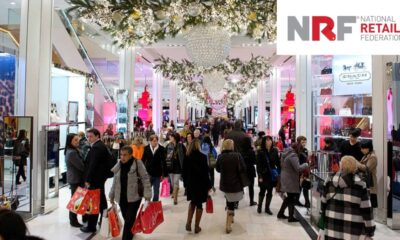
US Holiday Shopping Expected To Top $1 Trillion For The First Time: NRF
While Overall Buying Power Remains High, Ongoing Inflation and Rising Household Costs Mean Some Families Will Have To Watch Their Spending More Carefully Than Others

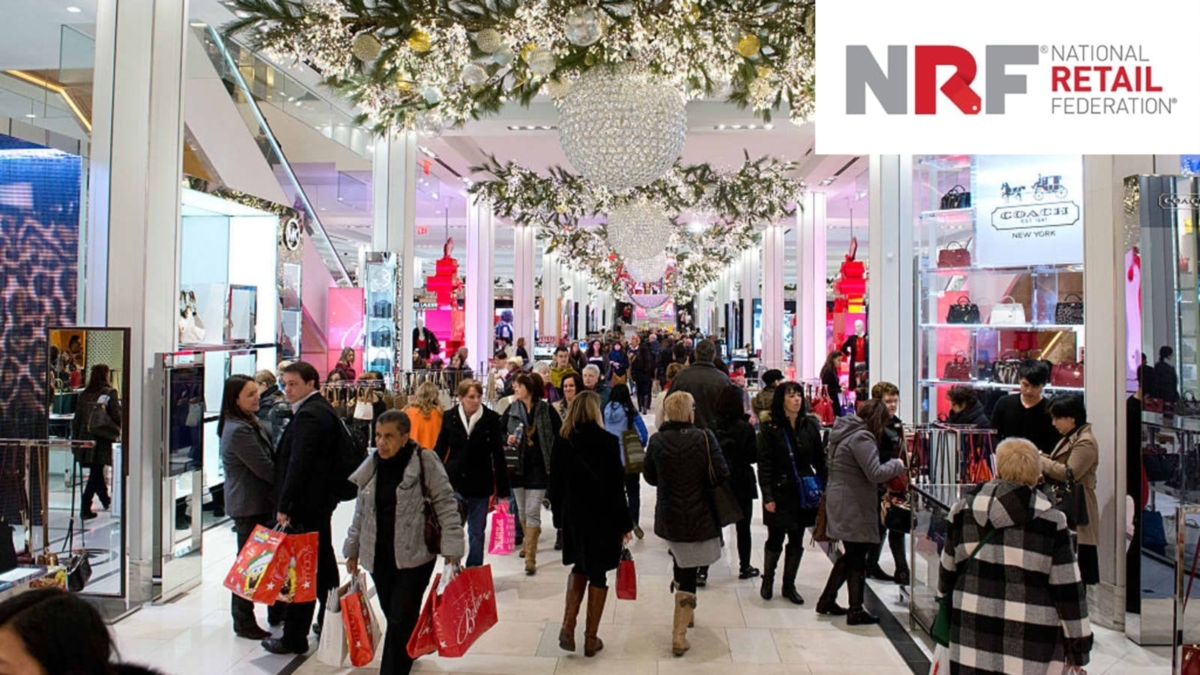
The National Retail Federation (NRF) predicts Americans will spend $1.01 trillion on holiday shopping in November and December. That is a 4.2% jump from $972 billion last year.
NRF said its forecast was based on economic modeling that incorporates consumer spending, employment, wages and historical retail sales data. It excludes automobile, gasoline and restaurant sales
Extra Hiring: To handle the surge in shoppers, stores plan to hire 325,000 to 375,000 temporary holiday workers.
Mixed Budget Impact: Higher gas prices and inflation could still strain some family budgets, affecting low- and high-income shoppers differently.
Retailers expect a strong shopping season because people continue to make holiday spending a priority.
Store owners are ready to attract shoppers by offering competitive prices, deals, and choices for every budget.
While overall buying power remains high, ongoing inflation and rising household costs mean some families will have to watch their spending more carefully than others.



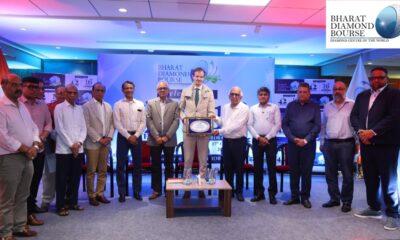
Belgian Consul General H. E. Mr. Pierre Stverlynck Graces BDB Annual Day

Limelight Lab Grown Diamonds Crosses 100 Stores Milestone This Dussehra: Targets 200 In 2027

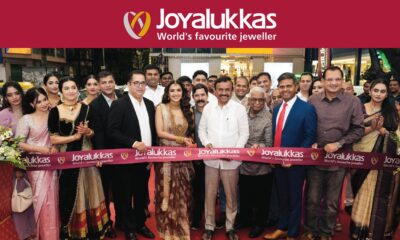
Joyalukkas Opens Its 2nd Bengaluru Showroom in Jayanagar

US Holiday Shopping Expected To Top $1 Trillion For The First Time: NRF
Belgian Consul General H. E. Mr. Pierre Stverlynck Graces BDB Annual Day
Limelight Lab Grown Diamonds Crosses 100 Stores Milestone This Dussehra: Targets 200 In 2027
-
 International News18 hours ago
US Holiday Shopping Expected To Top $1 Trillion For The First Time: NRF
-
 National News12 hours ago
Belgian Consul General H. E. Mr. Pierre Stverlynck Graces BDB Annual Day
-
 National News13 hours ago
Limelight Lab Grown Diamonds Crosses 100 Stores Milestone This Dussehra: Targets 200 In 2027
-
 New Premises13 hours ago
Joyalukkas Opens Its 2nd Bengaluru Showroom in Jayanagar
