
International News
Gold surges as US-Israel-Iran tensions boost safe-haven demand


Today, the price of 24K gold touched Rs.1,67,060 per 10 grams, reflecting a gain of Rs.4,870 compared to its previous close. Meanwhile, 22K gold is at Rs.1,53,138 per 10 grams. Experts suggest prices could reach Rs.2 lakh as geopolitical risks escalate.
Additionally, strong purchases by central banks and risk-off sentiment in equities continue to lend support to gold prices. Major banks such as J.P. Morgan and Bank of America remain constructive on bullion, citing resilient demand and a shifting global risk landscape. Rising geopolitical risk, inflation concerns, central bank buying, and expectations of easier U.S. monetary policy continue to underpin bullion.
Following the international market, gold and silver prices in India opened with a big upside gap. The MCX gold rate today opened at Rs.1,65,501 per 10 gm and touched an intraday high of Rs.1,67,915 per 10 gm, logging over Rs.5,500 per 10 gm gain within a few minutes of the Opening Bell.
Likewise, the MCX silver rate today opened upside at Rs.2,78,644 per kg and touched an intraday high of ₹2,85,978, logging an intraday gain of around 3.75%.
Negotiations between Washington and Tehran will continue next week following what Oman, the mediator, described as “significant progress.”
Gold prices are extending gains sharply amid escalating geopolitical tensions surrounding the US and Israeli strikes on Iran. Safe-haven inflows into gold have intensified as conflict across West Asia drives the surge in prices.
Gold prices tend to rise during periods of geopolitical uncertainty, as the metal is a non-interest-bearing safe-haven asset.
The yellow metal posted its seventh straight monthly gain in February, marking its longest winning streak since 1973. Regional instability continues to support prices, with Iran responding with retaliatory strikes on US troops in the Middle East following the reported death of the country’s supreme leader, Ayatollah Ali Khamenei.


International News
US Holiday Shopping Expected To Top $1 Trillion For The First Time: NRF
While Overall Buying Power Remains High, Ongoing Inflation and Rising Household Costs Mean Some Families Will Have To Watch Their Spending More Carefully Than Others

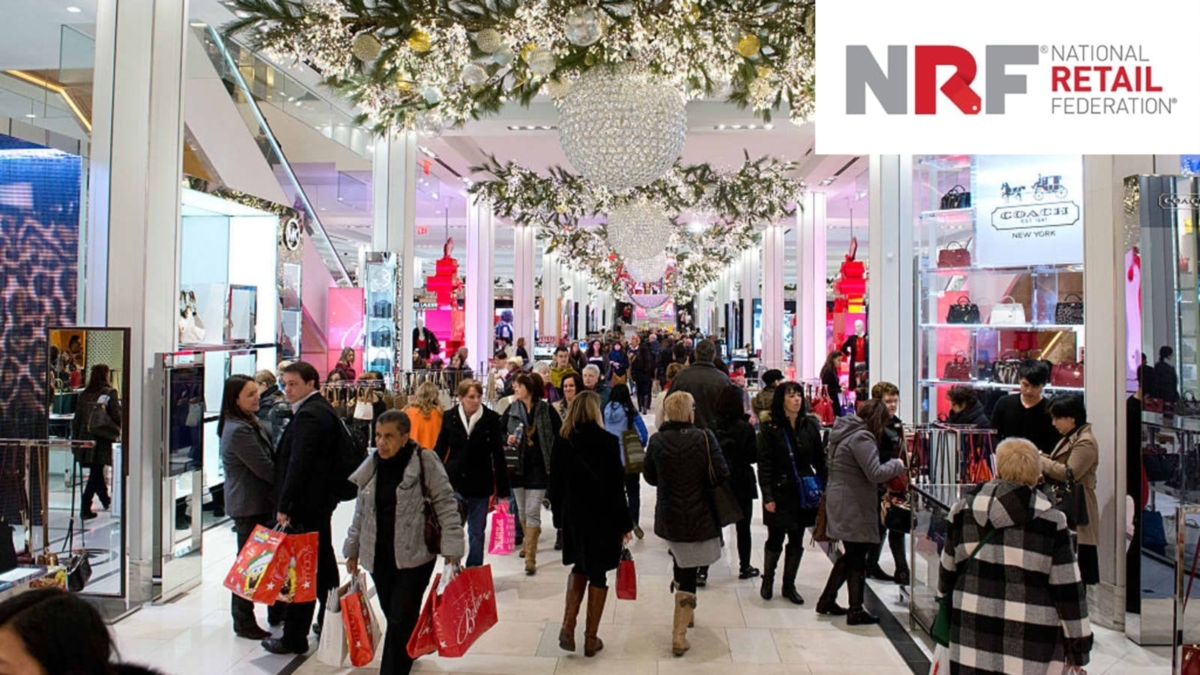
The National Retail Federation (NRF) predicts Americans will spend $1.01 trillion on holiday shopping in November and December. That is a 4.2% jump from $972 billion last year.
NRF said its forecast was based on economic modeling that incorporates consumer spending, employment, wages and historical retail sales data. It excludes automobile, gasoline and restaurant sales
Extra Hiring: To handle the surge in shoppers, stores plan to hire 325,000 to 375,000 temporary holiday workers.
Mixed Budget Impact: Higher gas prices and inflation could still strain some family budgets, affecting low- and high-income shoppers differently.
Retailers expect a strong shopping season because people continue to make holiday spending a priority.
Store owners are ready to attract shoppers by offering competitive prices, deals, and choices for every budget.
While overall buying power remains high, ongoing inflation and rising household costs mean some families will have to watch their spending more carefully than others.



Belgian Consul General H. E. Mr. Pierre Stverlynck Graces BDB Annual Day

Limelight Lab Grown Diamonds Crosses 100 Stores Milestone This Dussehra: Targets 200 In 2027

Joyalukkas Opens Its 2nd Bengaluru Showroom in Jayanagar

US Holiday Shopping Expected To Top $1 Trillion For The First Time: NRF
Belgian Consul General H. E. Mr. Pierre Stverlynck Graces BDB Annual Day
Limelight Lab Grown Diamonds Crosses 100 Stores Milestone This Dussehra: Targets 200 In 2027
-
 International News20 hours ago
US Holiday Shopping Expected To Top $1 Trillion For The First Time: NRF
-
 National News14 hours ago
Belgian Consul General H. E. Mr. Pierre Stverlynck Graces BDB Annual Day
-
 National News14 hours ago
Limelight Lab Grown Diamonds Crosses 100 Stores Milestone This Dussehra: Targets 200 In 2027
-
 New Premises15 hours ago
Joyalukkas Opens Its 2nd Bengaluru Showroom in Jayanagar
