

By Invitation
Gold Rush or Emotional Reset? What this festive season taught us
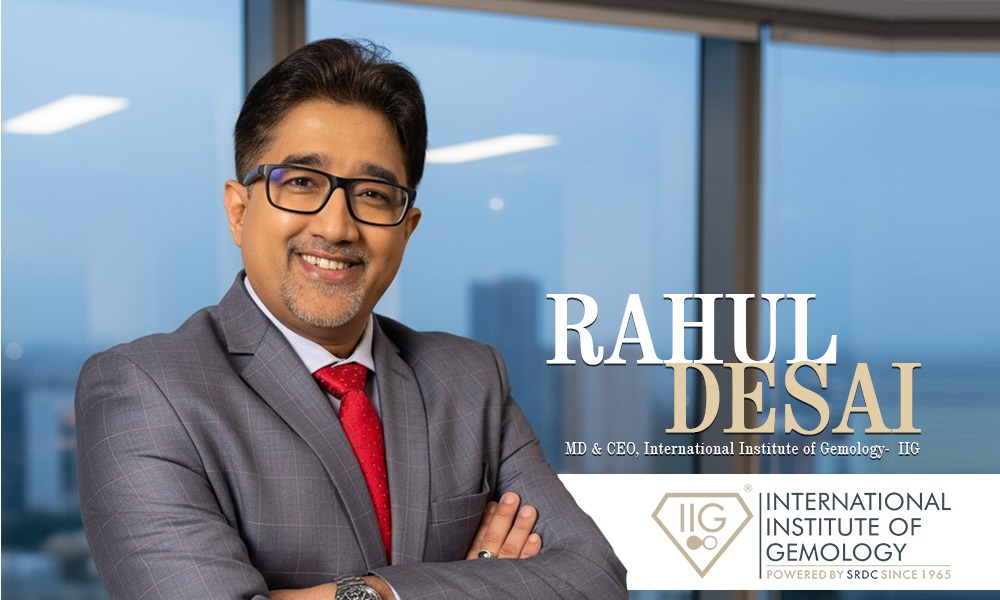
By Rahul Desai, MD & CEO, International Institute of Gemology (IIG)

Every year, around this time, the gold prices somehow skyrocketed and there is always this question and concern in the air. However, around this time, there is one more thing that happens. India turns radiant, not just with lights, but with gold.
This Festive season (comprising Diwali and Dhanteras both), consumers spent an estimated ₹1 lakh crore on gold and silver ahead of Diwali. That’s not a typo, that’s 1,00,000 crore rupees.
And what’s remarkable is that this surge came despite record-high gold prices. You can’t explain that with charts or commodity logic alone. Because in India, gold isn’t a commodity, it’s an emotion. This is what makes India’s gold economy unique. It’s driven not by speculation, but by sentiment that converts into sustainable demand.
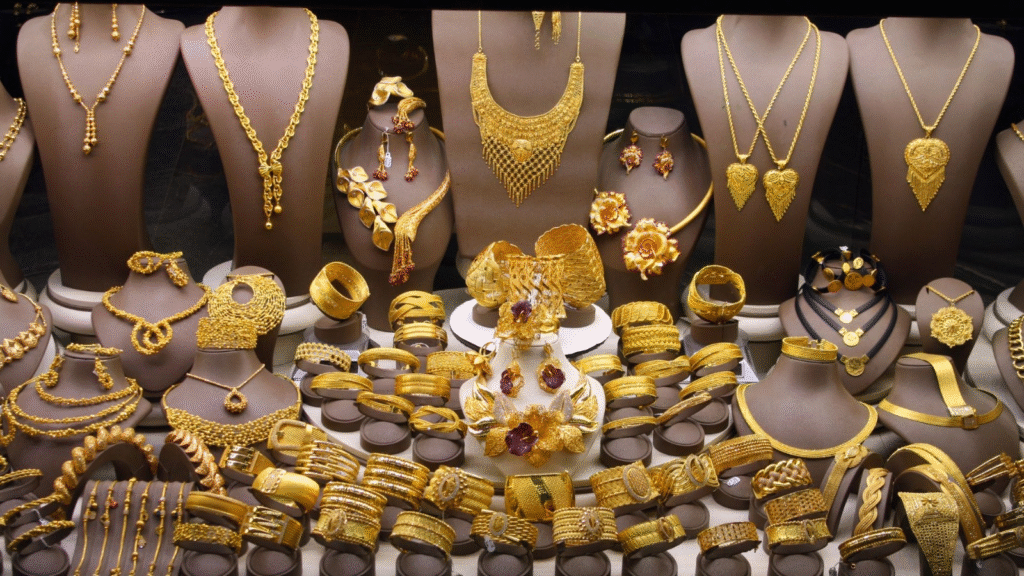
Gold as Emotion: The Invisible Economy
Gold in India isn’t just bought; it’s believed in. When families step into stores, even though they are thinking in ounces and grams, they are also thinking of blessings, milestones, continuity…. Most of them see this purchase as multipliers. They believe what they buy will return in 10x.
Even this year, as prices soared, consumers didn’t stop, they adjusted. Some bought lighter designs, smaller pieces, or silver alternatives. But, the desire remained the same; only the form changed. That’s emotional economics at work, something no spreadsheet can fully capture.
Gold as Investment
From an investment lens, gold remains one of the few assets that sits between emotion and economics. It hedges inflation. It stores value. It brings comfort when markets turn volatile. And while the urban investor sees diversification, the rural household sees gold as security.
The point is, both are right.
Gold has always been the bridge between sentiment and strategy. It’s the one asset class where the heart and the head both find common ground.
But if we’re going to treat gold as a real investment vehicle, we must start with awareness.
Education: The New Currency of the Gold Economy
Here’s where I believe the real opportunity lies. The next big differentiator in India’s gold and jewellery ecosystem won’t just be price, it will be education. The more we train, the more we transform. Training jewellers on transparency. Educating consumers on hallmarking and value. Empowering retailers to merge digital convenience with human trust. These are the small hinges that move big doors.
Because when people are informed, they don’t just buy gold, they build an ecosystem of trust.
At institutions like IIG and others, we’re seeing how education bridges the gap between tradition and transformation. A well-trained workforce and a well-informed consumer are what make this market sustainable.
What the Festive season Data Really Shows
If you read the Mint report carefully, there’s a quiet story beneath the numbers. Gold sales value rose 25%, but volumes fell around 10-15%. Silver saw a 35-40% spike, as buyers looked for accessible alternatives.
That tells me something powerful: The emotion remains constant, but the behaviour is evolving. Buyers didn’t walk away, they adapted/shifted to lighter designs, explored silver, or embraced modern 9k alternatives. That kind of flexibility defines a mature market. It proves that emotion and strategy can coexist. Consumers are becoming smarter, selective, design-driven, and even sustainability-conscious. They’re no longer buying just metal, they’re buying meaning. Gold’s emotional power will always endure, but the way we engage with it will keep evolving.
Gold’s role as a hedge remains strong. It continues to protect against inflation and currency volatility. But in India, its deeper purpose lies in how it converts sentiment into financial security. As someone who has spent decades watching markets and teaching the minds behind them, I can tell you this: The smartest players in the coming decade won’t just be those who sell more gold, but those who understand why people buy it, and strategize accordingly.



By Invitation
Natural diamonds have to rediscover their relevance to a jaded consumer that wants to separate themselves from the past
By Edahn Golan
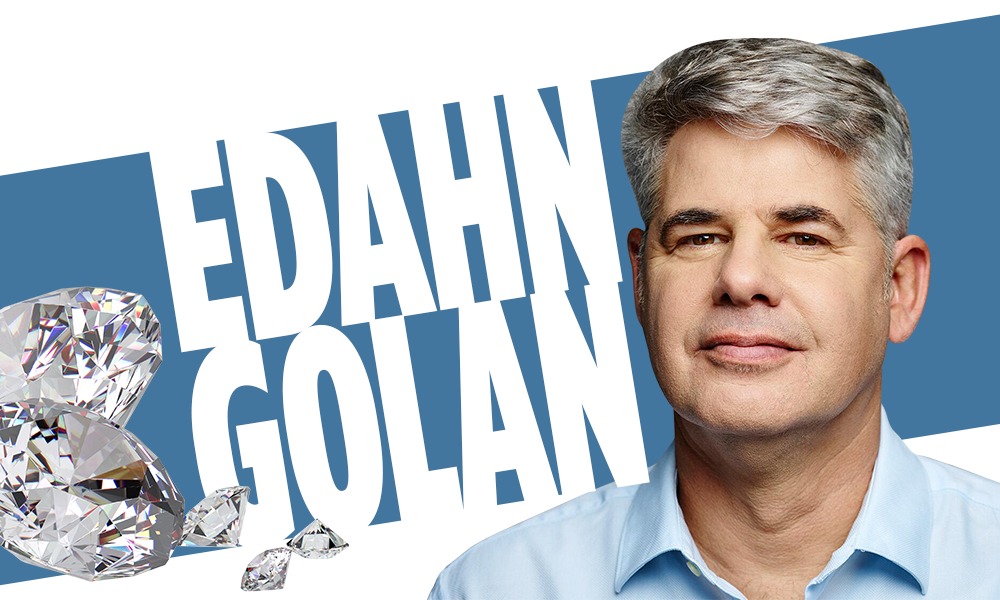
Martyn Charles Marriott, drawing on 45 years in the diamond industry, in a blog titled Co-Operation between African Diamond Producers on the IDMA website, advocates for a new era of co-operation among African diamond producers, seeing the current debate around De Beers’ future as an opportunity. He proposes forming a diamond “OPEC,” reminiscent of the stability once maintained by the Oppenheimers’ Central Selling Organization (CSO). The CSO, through a stockpile, quota system, and vast generic advertising historically benefited the entire industry. Marriott believes a collective entity involving nations like Botswana and Angola would be more stable and bankable than a single-country approach.
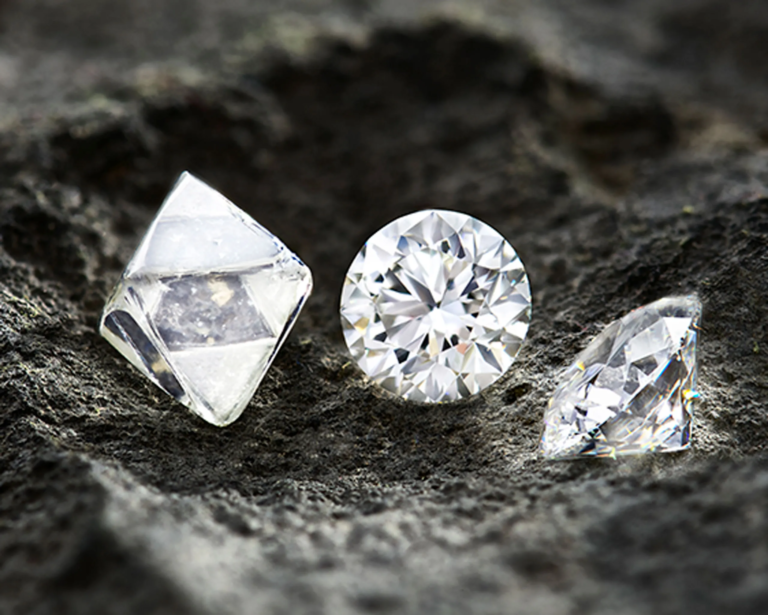
JewelBuzz spoke to noted diamond industry analyst Edahn Golanon his take on Marriott’s view and how practical and feasible this “ nostalgic yearning” was. This is what Edahn Golan has to say:
I don’t think that resurrecting a monopoly is possible, much less legal. I understand the nostalgic yearning for the ‘good old days,’ but that is not where the solution will be found. On the contrary, the industry at large – and De Beers in particular – needs to evolve and adapt. They both need to reinvent themselves.
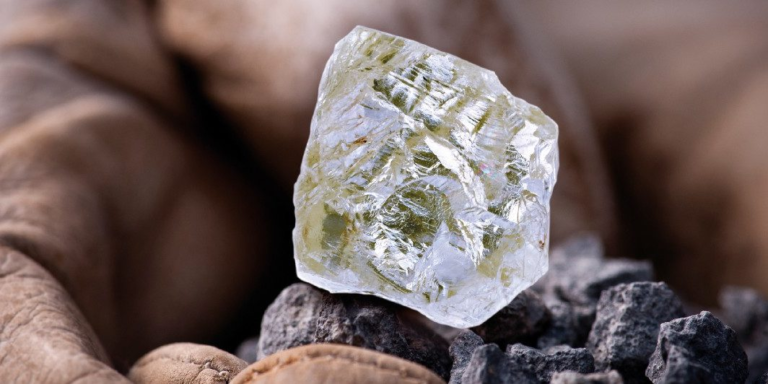
Natural diamonds have to rediscover their relevance to a jaded consumer that wants to separate themselves from the past, a consumer market that wants luxury that doesn’t shout bling. Most importantly, diamonds should stand for values that are relevant to today’s cultural norms.
That is where diamonds will find their future, not by reimposing tight control on the pipeline.
I also read Chaim Even-Zohar’s column. I worked with him for many years and hold deep respect for both him and his approach to the industry.
That said, I believe Botswana does not need to go all in on owning De Beers.The country already receives more than 75% of the diamond revenue generated locally, along with a portion of the revenue De Beers earns from its operations in Namibia, Canada, and South Africa. Expanding that share or seeking a larger cut from other countries would only deepen Botswana’s dependency on diamonds.
Instead, Botswana should diversify its income sources and invest more internally, a process it should have initiated more than a decade ago.
For example, if it channels investment into its international airport and succeeds in expanding tourism, the country would generate greater income, reduce its reliance on luxury sales, improve foreign currency inflows, and, in the process, expose more of the world to its diamonds.



Gold & Precious Metals – A future outlook

All That Glitters: The Jewellery Moments Everyone Talked About at the 2026 Golden Globes

GJEPC launches ‘ JewelStart’ -India’s first dedicated innovation & incubation centre for the GJ industry

-

 GlamBuzz2 weeks ago
GIVA Launches ‘Glow in Motion’, Unveils New Jewellery Collection Fronted by Barkha Singh
-

 International News2 weeks ago
Silver retraces down on margin hike pressure AUGMONT BULLION REPORT
-

 JB Insights2 weeks ago
The JewelBuzz E-zine: Your Fortnightly Pulse of the Jewellery Industry
-

 JB Insights2 weeks ago
IIJS Bharat Signature 2026 set to open the year with scale, innovation and global momentum
