
National News
Gold Prices Decline On Easing Global Tensions
Gold and Silver ETFs Face Selling Pressure As Easing Geopolitical Risks, A Stronger US Dollar, and Hawkish Fed Signals Weigh On Bullion Prices; IBJA Releases Latest Indicative Retail Rates


Gold prices have experienced a downward trend this week, driven by a significant easing of global geopolitical tensions following the recent US-Iran peace agreement and the ceasefire between Israel and Lebanon.
Gold and silver exchange-traded funds (ETFs) came under selling pressure on Friday as precious metal prices remained on track for a third consecutive weekly decline.
The weakness followed a stronger US dollar and hawkish signals from the US Federal Reserve, which weighed on bullion prices.
IBJA has released the latest indicative retail selling rates.
| Metal / Purity | Retail Selling Rate |
| Fine Gold (999) / 24K | Rs. 14,497 per gram |
| 22K Gold | Rs. 14,149 per gram |
| 20K Gold | Rs. 12,902 per gram |
| 18K Gold | Rs. 11,743 per gram |
| 14K Gold | Rs. 9,351 per gram |
| Silver (999) | Rs. 2,31,973 per kg |
These baseline rates serve as market indicators and are strictly exclusive of the mandatory 3% Goods and Services Tax (GST) as well as any additional making charges applied by individual jewelers.


National News
Kantilal Jewellers, Launches Flagship Showroom At Vastrapur, Ahmedabad
Marking Its First Expansion Outside Surat, The Massive Three-Story Space Is The Brand’s Largest Retail Destination To Date.
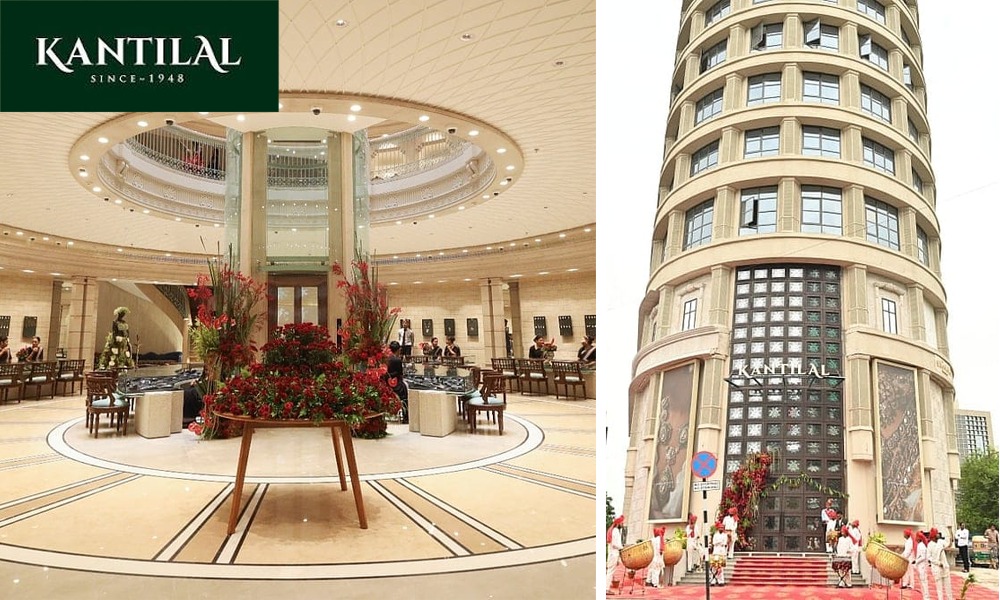
Surat-based Kantilal Jewellers, a legacy brand established in 1948, has expanded beyond its home base with the launch of a 28,000 sq. ft. flagship showroom at Keshavbaug Capital, Vastrapur, Ahmedabad.
Marking its first expansion outside Surat, the massive three-story space is the brand’s largest retail destination to date.
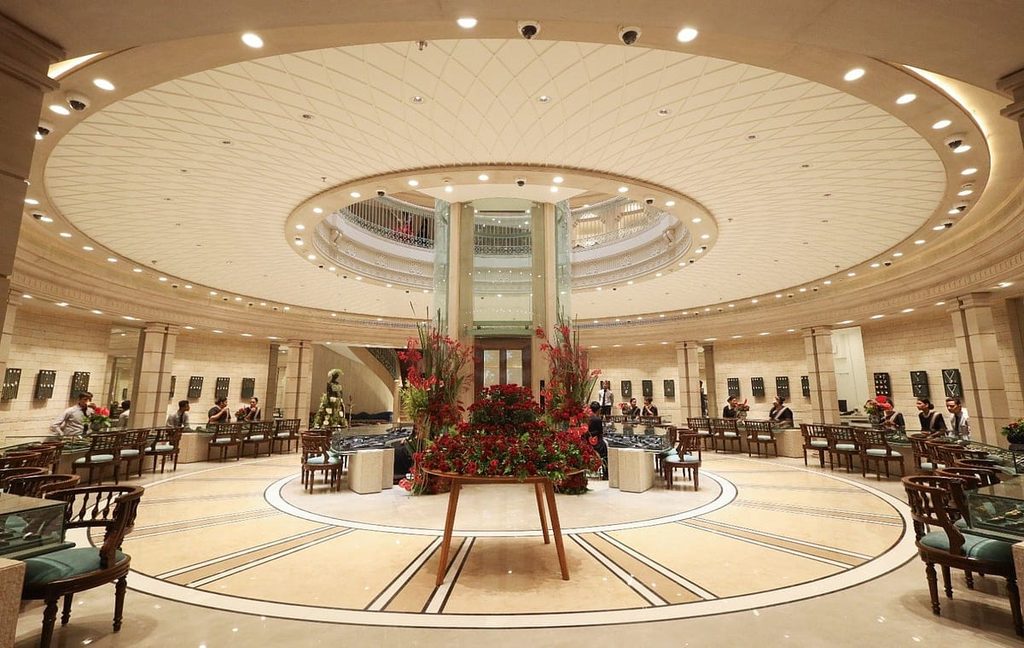
Palatial Architectural Concept: The store design takes inspiration from Jodhpur Palace, featuring Jharokha-style screens, marble passageways, domed skylights, chandelier lounges, and a central atrium linking all three levels.
Experiential Studio Retail: Departing from traditional counters, the showroom offers private studio spaces, VIP viewing areas, and dedicated experience centers.
Ambient Luxury: The shopping experience is elevated by live sitar and guitar performances alongside personalized consultation lounges.
Product Offering: The flagship showcases the brand’s signature gold, diamond, and bridal collections tailored for the Ahmedabad market.
Led by Director Jinay Choksi, this flagship rollout is a strategic move to establish a distinct, experiential luxury footprint across major Gujarat markets while preserving the heritage of the Kantilal brand.


-

 ShowBuzz2 hours ago
Silver Show Of India- Delhi 3rd Edition Unveiled At Yashobhoomi, Delhi
-

 ShowBuzz1 hour ago
Silver Trends To Watch At SSI Delhi 2026
-
 ShowBuzz5 hours ago
GJIIF 2026 Sets New Benchmarks As India’s Biggest-Ever Jewellery Trade Show Opens In Chennai
-

 DiamondBuzz5 hours ago
Divine Solitaires Named ‘Best Diamond Jewellery Brand’ At JewelZ South India 2026
