
JB Insights
GJEPC’s Artisan Jewellery Design Awards celebrate & honour design & craftsmanship


The 7th edition of The Artisan Jewellery Design Awards, hosted by the Gem & Jewellery Export Promotion Council (GJEPC) and powered by GIA, challenged designers to tap uncharted territory by integrating unusual materials and cherished objects into their jewellery designs, to infuse their pieces with a unique identity.
Actress and style icon Sonam Kapoor graced GJEPC’s 7th edition of Artisan Jewellery Design Awards in Mumbai and presented awards to winners. Sonam Kapoor graced the stage with an aura of elegance and charisma along with Vipul Shah Chairman, GJEPC; Kirit Bhansali Vice Chairman, GJEPC; Sriram Natarajan Managing Director, GIA India; Milan Chokshi Convener, Promotions & Marketing, GJEPC; Sabyasachi Ray Executive Director, GJEPC bestowed the coveted awards upon 6 Artisan winners.
This year the theme for the Artisan Jewellery Desing Award were two unconventional themes – ‘Objet Trouvé’ (Found Objects) and ‘Unusual Materials’.
The concept of ‘Objet Trouvé’ centred around crafting jewellery pieces that capture the essence of treasured objects from the past within a contemporary context. While the second theme, ‘Unusual Materials’ encouraged designers to create a dialogue between the familiar and the unexpected by combining contrasting materials with at least 50% precious materials.
This jewellery design contest ignited a spark a wave of creativity, prompting nearly 600 participants from India and abroad to push the envelope and create a new design grammar. The outcome surpassed expectations, breathtaking creations that challenged convention.
Actress & style icon Sonam Kapoor said, “I am proud to be a part of the jewellery industry, which showcases India’s excellence in design and craftsmanship to the world. The Artisan Awards is a great initiative by the GJEPC to nurture and celebrate young talent, who are pushing the boundaries of creativity and innovation. “
Vipul Shah, Chairman, GJEPC, notes, “The Artisan Jewellery Design Awards, now in its 7th edition, stands as a beacon for creative expression in the jewellery design realm. It offers a coveted platform for talented individuals to unleash their creativity and showcase their innovative designs. Each year, this competition brings forth exclusive, never-seen-before masterpieces that underscore the boundless innovation within our industry. This this competition, our aim is to redefine the landscape of jewellery design and elevate India as a premier design centre. Aligned with the government’s Make in India campaign, The Artisan Awards reinforces GJEPC’s dedication positioning India as a leader in design innovation.”
Milan Chokshi, Convener, Promotions & Marketing, GJEPC, observes: “Each year, we strive to introduce a distinctive theme, challenging participants by collaborating with curators to elevate their engagement. Over the past seven years, the Artisan Awards have assumed increasing significance globally, with India recognising them as the most coveted accolade.”
The list of winners
UNUSUAL MATERIALS: Winner – Cufflinks designed by Aparna Kesarkar and manufactured by Laxmi Dia Jewel Pvt. Ltd.; First Runner-up – Bracelet designed by Ahalya Vijayakumar and manufactured by VBJ; Second Runner-up – Earrings designed by Dipali Ghadigaonkar and manufactured by KP Sanghvi Jewels Pvt. Ltd.
OBJET TROUVÉ: Winner – Earrings designed by Yamini Devasree and manufactured by VBJ; First Runner-up – Hairstick designed by Rashmi Kaushik and manufactured by Kiran Jewels; Second Runner-up – Earrings designed by Vijay Indulkar and Manufactured by Walking Tree Venture Pvt. Ltd.
The entries underwent thorough scrutiny by a distinguished jury comprising Alice Cicolini, a renowned UK jewellery designer; Biren Vaidya, Managing Director of The Rose Group; Payal Singhal, Fashion Designer; Apoorva Deshingkar, Senior Director of Education and Market Development at GIA India; and Toktam Shekarriz, a jewellery designer based in Dubai.
The two-day art festival was held on February 12th-13th, 2024, at Ice Factory, Ballard Estate, Mumbai, and drew a diverse audience including curators, art gallery owners, patrons, art school students and faculty members, socialites, celebrities, connoisseurs, architects, painters, sculptors, and jewellery designers.
Among the highlights of the event were the six winning pieces that captured the attention of attendees:
UNUSUAL MATERIALS
Winner

Designed by Aparna Kesarkar; Manufactured by Laxmi Dia Jewel Pvt. Ltd.
First Runner-up

Designed by Ahalya Vijayakumar; Manufactured by Vummidi Bangaru Jewellers
Second Runner-up

Manufactured by KP Sanghvi Jewels Pvt. Ltd.
OBJET TROUVÉ
Winner

Designed by Yamini Devasree; Manufactured by Vummidi Bangaru Jewellers
First Runner-up
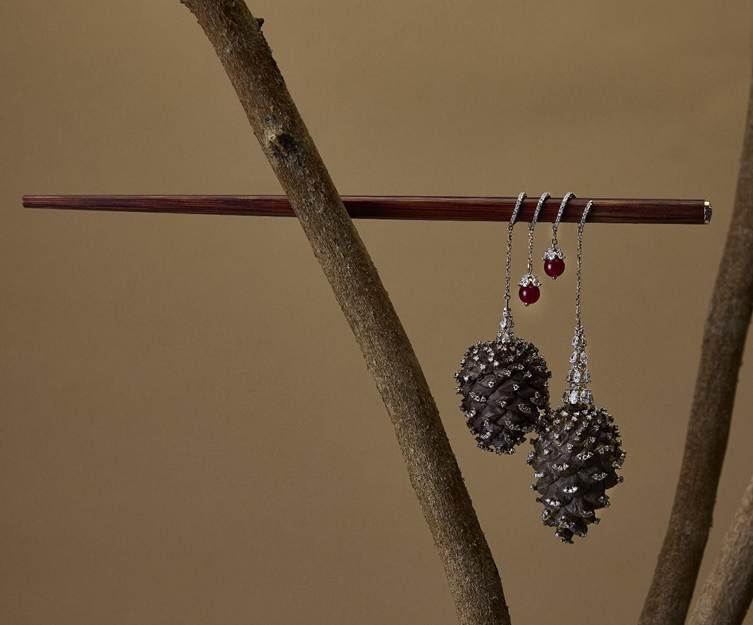
Designed by Rashmi Kaushik; Manufactured by Kiran Jewels
Second Runner-up
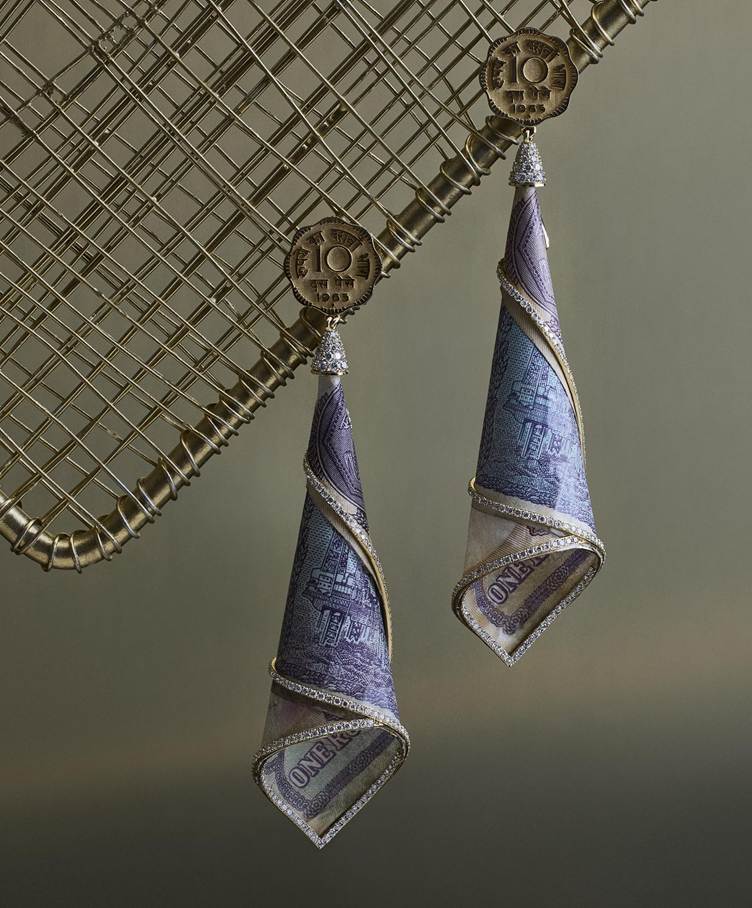
Designed by Vijay Indulkar; Manufactured by Walking Tree Venture Pvt. Ltd.







JB Insights
CIBIL Score Plays A Key Role In Festive Financing
A Consumer’s CIBIL Score and Report Play A Decisive Role In Determining Loan Eligibility, Interest Rates, and Overall Borrowing Terms During High-Spending Seasons.


Gold in India is more than just a precious metal; it represents tradition, emotion, and long-term financial security. As major celebrations such as Dhanteras, Diwali, and the upcoming wedding season approach, consumer demand for gold reaches its annual peak.
However, with gold prices rising due to both global macroeconomic pressures and heightened domestic demand, an increasing number of buyers are turning to credit options—specifically gold loans and personal loans—to finance their festive purchases.
In light of these market dynamics, maintaining awareness of one’s financial profile is critical.
A consumer’s CIBIL Score and Report play a decisive role in determining loan eligibility, interest rates, and overall borrowing terms during high-spending seasons.
The Mechanics Behind Festive Gold Price Surges
Gold prices do not move in isolation. The seasonal increase in retail price is driven by a combination of key domestic and international factors:
Global Economic Uncertainty: International market volatility frequently drives capital into gold as a traditional safe-haven asset.
Macroeconomic Indicators: Currency fluctuations and persistent inflation impact local procurement costs.
Domestic Seasonal Demand: Concentrated buying during auspicious cultural dates creates short-term supply-demand imbalances, further driving up retail costs.
The Strategic Role of Your CIBIL Score in Festive Financing
When household budgets face pressure during peak shopping periods, credit-based financing offers immediate liquidity. Whether securing an uncollateralized personal loan or a loan against existing gold holdings, financial institutions rely heavily on credit risk assessments.
The CIBIL Score—a 3-digit numerical summary ranging from 300 to 900—serves as the primary benchmark for creditworthiness:
Approval Probability: A high CIBIL Score significantly increases the likelihood of quick loan sanctioning.
Cost of Capital: Lenders offer competitive, lower interest rates to high-scoring applicants, reducing total borrowing costs.
Flexible Repayment Structure: Favorable credit profiles grant borrowers stronger leverage to negotiate manageable tenure options.
Best Practices for Smart Festive Borrowing
To enjoy festive celebrations without compromising long-term financial stability, consumers are advised to adopt responsible borrowing strategies:
Check Credit Reports Early: Review your CIBIL Report prior to applying for financing to resolve any discrepancies or evaluate your standing.
Borrow Within Limits: Limit loan amounts strictly to what can be comfortably serviced within monthly household budgets.
Maintain Timely Repayments: Ensure all equated monthly installments (EMIs) are paid on time to avoid negative marks on your credit profile.
By pairing festive financial planning with active credit monitoring, consumers can meet their cultural commitments while preserving robust financial health for the future.


-

 International News12 hours ago
US Holiday Shopping Expected To Top $1 Trillion For The First Time: NRF
-

 National News6 hours ago
Belgian Consul General H. E. Mr. Pierre Stverlynck Graces BDB Annual Day
-

 New Premises8 hours ago
Joyalukkas Opens Its 2nd Bengaluru Showroom in Jayanagar
-

 National News7 hours ago
Limelight Lab Grown Diamonds Crosses 100 Stores Milestone This Dussehra: Targets 200 In 2027
