National News
Gargi by PNGS Celebrates Growth with New Store Openings in Aurangabad and Indore
The Fashion Jewellery Brand Marks Significant Expansion, Bringing its Total Store Count to 12 in Just Three Years

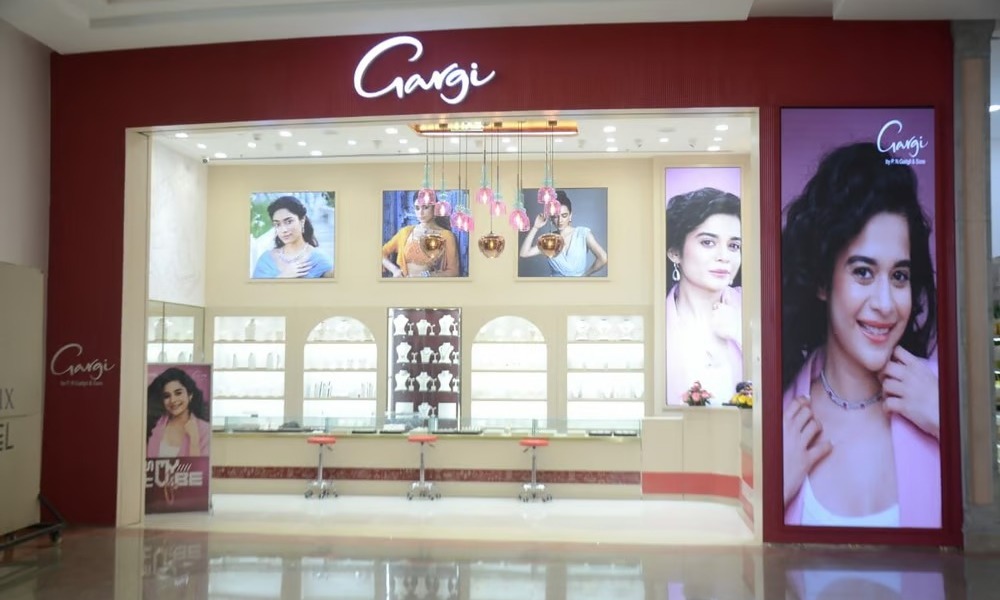
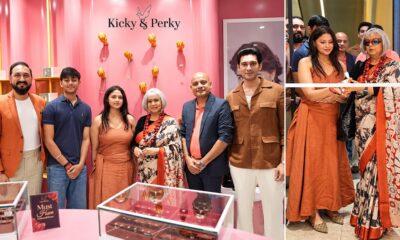
Gargi by P N Gadgil & Sons (PNGS), a leading name in the fashion jewellery industry, has closed the year with a strong performance, inaugurating two new stores in Aurangabad and Indore. These additions bring the total number of exclusive Gargi outlets to 12, marking a major milestone in the brand’s rapid retail growth over the past three years.
Expanding Reach in Emerging Markets
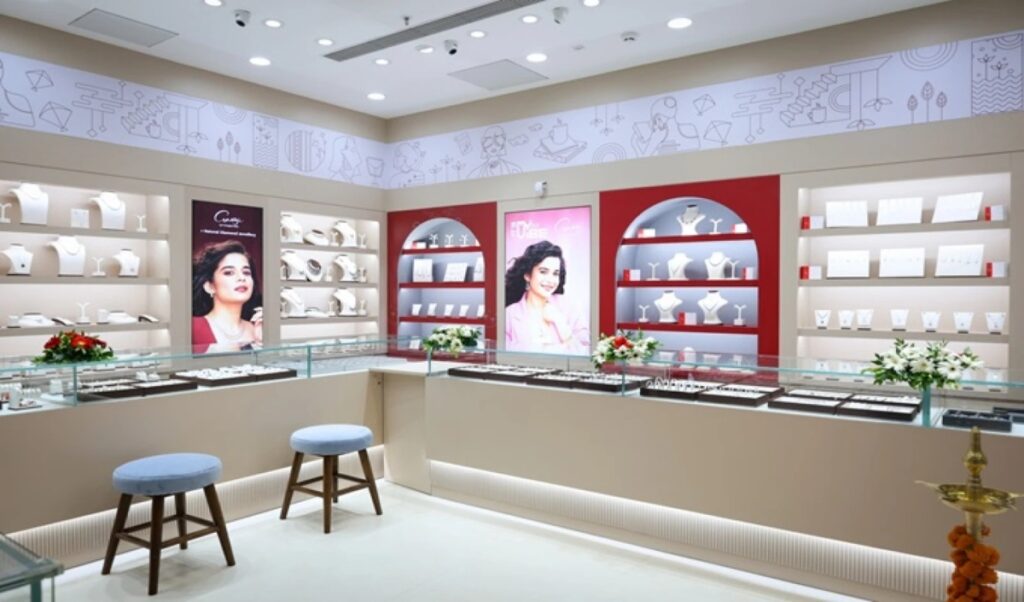
The new stores, located in high-traffic retail destinations—Prozone Mall in Aurangabad and Citadel Mall in Indore—are part of Gargi’s strategy to expand into Tier 2 and Tier 3 cities. This move is aimed at catering to the increasing demand for affordable, high-quality fashion jewellery in smaller urban centers, beyond the metropolitan regions.
A Year of Achievements and Innovation
2024 has proven to be a landmark year for Gargi. The brand expanded its footprint in Delhi with the opening of its Kapil Vihar, Pitampura store, and made further strides in Maharashtra with new outlets in Pimple Saudagar and Aurangabad. These expansions reinforce Gargi’s commitment to making stylish fashion jewellery more accessible to a wider audience.
The brand also launched the Utsaav collection, a festive range perfect for special occasions, and introduced its first-ever Kids Collection, featuring certified sterling silver jewellery designed with both safety and style in mind. These initiatives demonstrate Gargi’s dedication to inclusivity and diversification within the fashion jewellery market.

Aditya Modak, Co-founder of Gargi by PNGS, expressed, “Our growth isn’t just about numbers; it’s about connection. When people from different cities—whether women, men, or children—resonate with our designs, we know we’re on the right track. Aurangabad and Indore are not just new stores; they represent fresh relationships, inspiration, and opportunities for creative expression.”
Financial Growth and Future Goals
Gargi by PNGS has also achieved impressive financial milestones, surpassing a market capitalization of Rs. 1,500 crore, with plans to reach Rs. 100 crore in revenue by March 2025. The brand’s franchise-driven model has played a key role in this success, empowering local entrepreneurs while expanding the PNGS legacy. With PNGS boasting an annual turnover of over Rs. 8,500 crore, Gargi’s journey is marked by a blend of heritage and innovation.
Looking to the future, Gargi aims to continue its expansion across India, capitalizing on shifting consumer preferences and forging deeper connections with jewellery enthusiasts of all ages.




National News
Jos Alukkas Unveils New Website For A Seamless Online Jewellery Shopping Experience
Video-Led Discovery, Swipe-Based Browsing, AR Try-On and a Simplified Checkout Experience

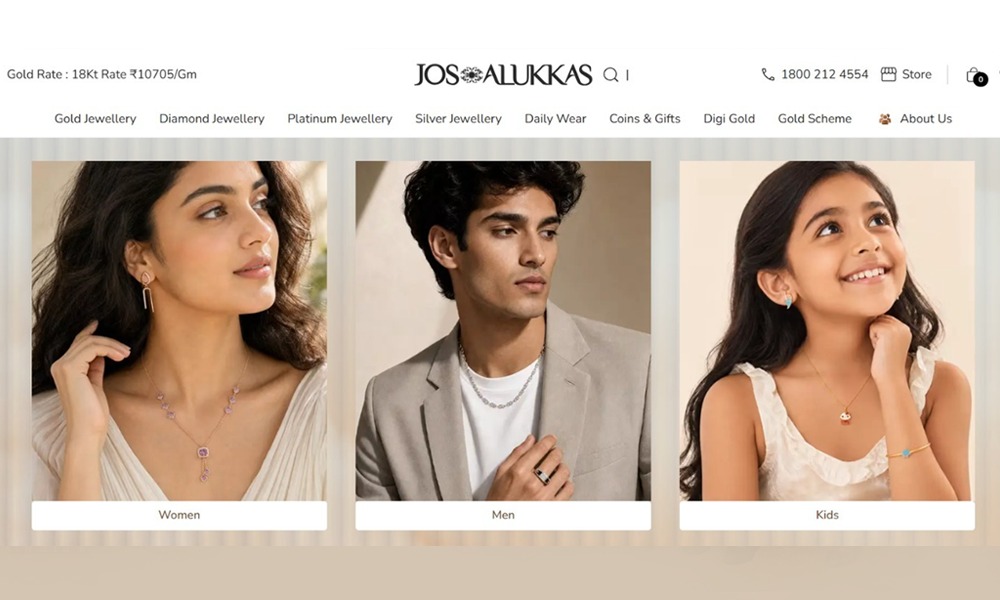
Jos Alukkas, a trusted name in quality, innovation and contemporary jewellery in India, has unveiled its new website, introducing a mobile-first digital experience to make jewellery shopping convenient. Built around the way customers browse on their smartphones, the renewed website offers a faster, more intuitive and visually engaging way for consumers to explore jewellery collections online.
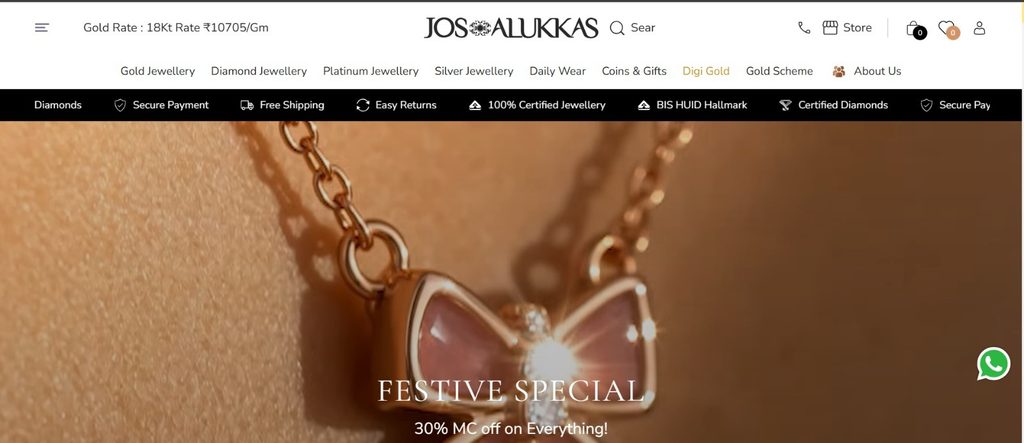
The new digital platform features a more intuitive layout, with clearer product categorisation and presentation, an expanded selection of videos and increased use of model imagery to help consumers explore jewellery and visualise how the pieces can be styled. The landing page brings together key product categories and essential shopping features, giving customers a more streamlined starting point for browsing collections, discover new designs and navigate the website with ease.
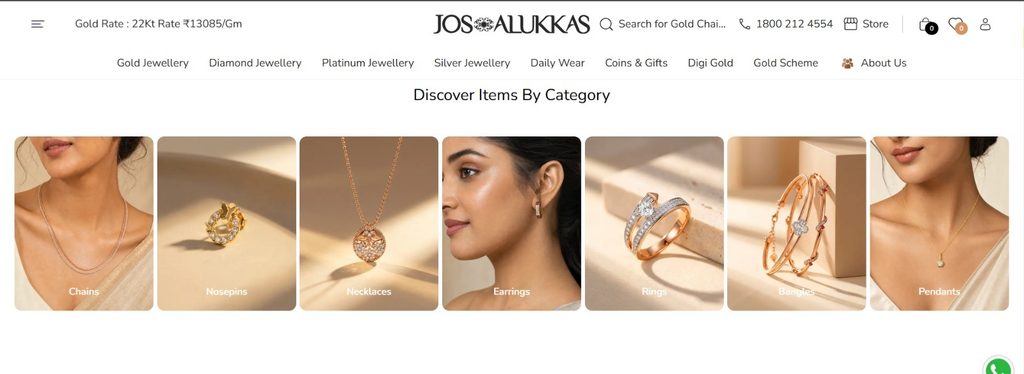
Moving beyond conventional category catalogues, the website introduces the ‘Discover’ section where customers can explore designs through videos featuring jewellery styled on models showcasing the jewellery.
Taking inspiration from social media, the enhanced website features a swipe-based browsing option allowing the younger generation to interact with designs from the wide range of collections. Customers can also like the videos and return to their favourites later, making online shopping more personal and engaging. Additionally, customers browsing the website on their phones can use the AR try-on feature, enabling them to explore jewellery from the comfort of their homes.
The website also has a technological upgrade; the checkout process has been limited to 2 steps for existing customers. This makes the journey from selecting jewellery to completing a purchase more convenient.
Speaking on the new website launch, John Alukkas, Managing Director, Jos Alukkas said:

“At Jos Alukkas, we have always believed in delivering the best shopping experience for our customers. Our redesigned website reflects this commitment while catering to the evolving digital preferences of consumers. The upgraded platform brings together interactive product discovery, video-led storytelling and a more seamless shopping journey.”
Through this re-designed website, Jos Alukkas aims to offer a seamless online jewellery shopping experience, creating a digital destination where customers can explore, engage with and shop effortlessly.
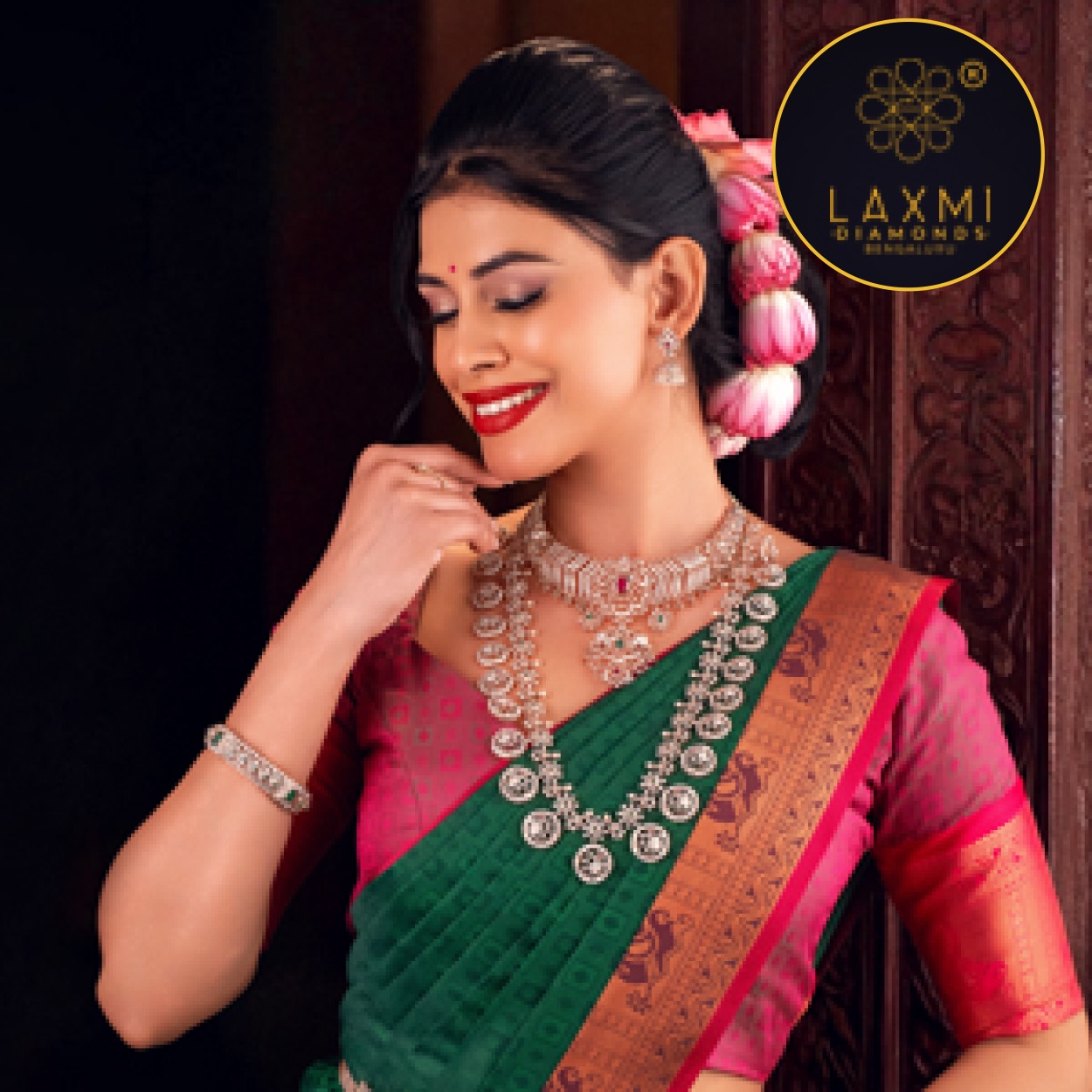


Jos Alukkas Unveils New Website For A Seamless Online Jewellery Shopping Experience

Mavitrra Launches Karwa Chauth Fine Jewellery Collection, Celebrating Love and Festive Elegance

Malabar Gold & Diamonds Relaunches Its Showroom In South Extension, New Delhi

Dhanteras Shopping Guide 2026:Gold, Silver, Diamonds & Festive Jewellery Trends To Watch

The Solenne Collection: A Celebration Of Diwali By Bharti Bangur Fine Jewels

From Diya Puja To Diwali Soirées: Jewellery Designed To Go Beyond The Festive Season
-
 JB Insights4 days ago
Dhanteras Shopping Guide 2026:Gold, Silver, Diamonds & Festive Jewellery Trends To Watch
-
 BrandBuzz4 days ago
The Solenne Collection: A Celebration Of Diwali By Bharti Bangur Fine Jewels
-
 BrandBuzz4 days ago
From Diya Puja To Diwali Soirées: Jewellery Designed To Go Beyond The Festive Season
-
 National News4 days ago
Indriya, Aditya Birla Jewellery Unveiled India’s Largest Sustainable Jewellery Rangavalli