National News
From Pune’s Tech Corridors to Punjab’s Fashion Capital – Gargi by PNGS Marks a Landmark Double Debut
The fashion jewellery brand opens its newest kiosk at Grand Highstreet, Hinjewadi in February, followed by its first Punjab store at Nexus MBD Neopolis, Ludhiana on March 1 — signalling a deliberate, market-by-market expansion across India.

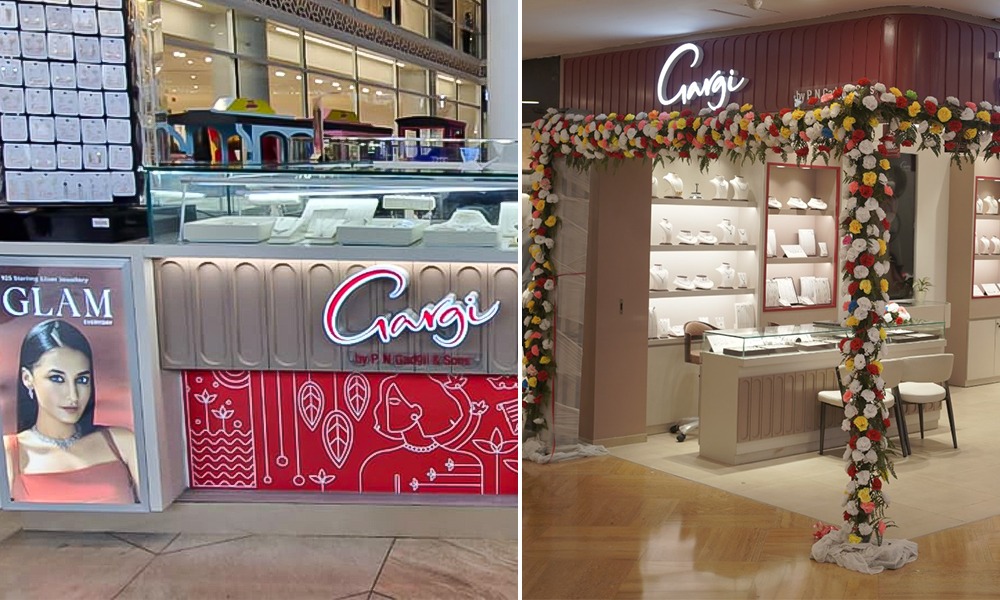
Some brands expand to fill space. Gargi by P.N. Gadgil & Sons expands to find the right customers. That philosophy is evident in its two newest store openings: a kiosk at Grand Highstreet Mall in Hinjewadi, Pune — launched in February — and a full-format store at Nexus MBD Neopolis Mall in Ludhiana, Punjab, which opened its doors on March 1, 2025. Together, they represent something more than a store count milestone; they reflect a brand that is learning how different Indian cities wear their jewellery.
Hinjewadi, Pune: Jewellery Meets the Innovation District
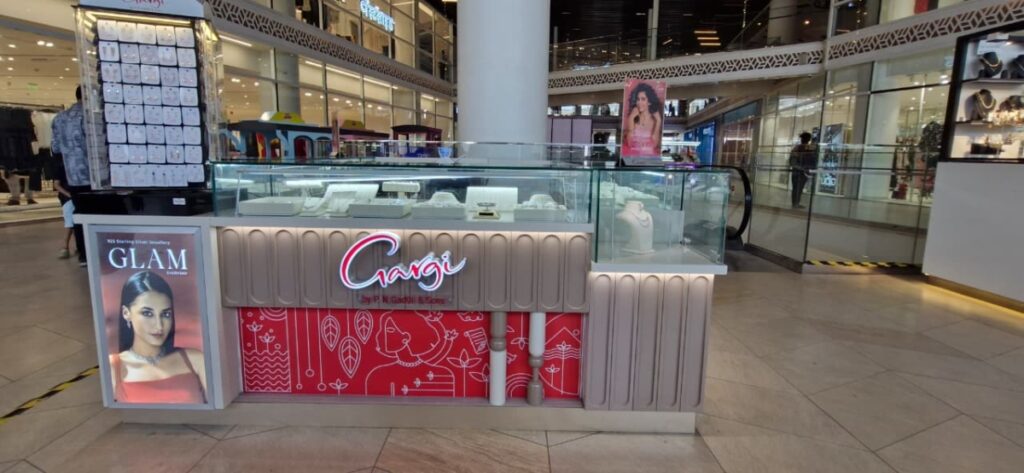
Hinjewadi is not your typical jewellery market. Home to Rajiv Gandhi Infotech Park — one of India’s largest IT hubs — it is a neighbourhood built around young professionals: engineers, product managers, and startup founders who dress sharply and spend thoughtfully. Gargi’s kiosk at the Upper Ground Floor of Grand Highstreet Mall, situated within this tech corridor, is a deliberate bet on this demographic.
Grand Highstreet is among Hinjewadi’s most frequented lifestyle destinations — a 2.25 lakh sq. ft. al fresco mall anchored by brands like Lifestyle, Westside, Pantaloons, and a PVR multiplex. For Gargi, the location is as much a statement as the store itself: fashion jewellery that belongs not just in a traditional market but on the shopping list of someone who just picked up a coffee and is heading to catch a film.
Ludhiana, Punjab: A Brand’s First Step into the North
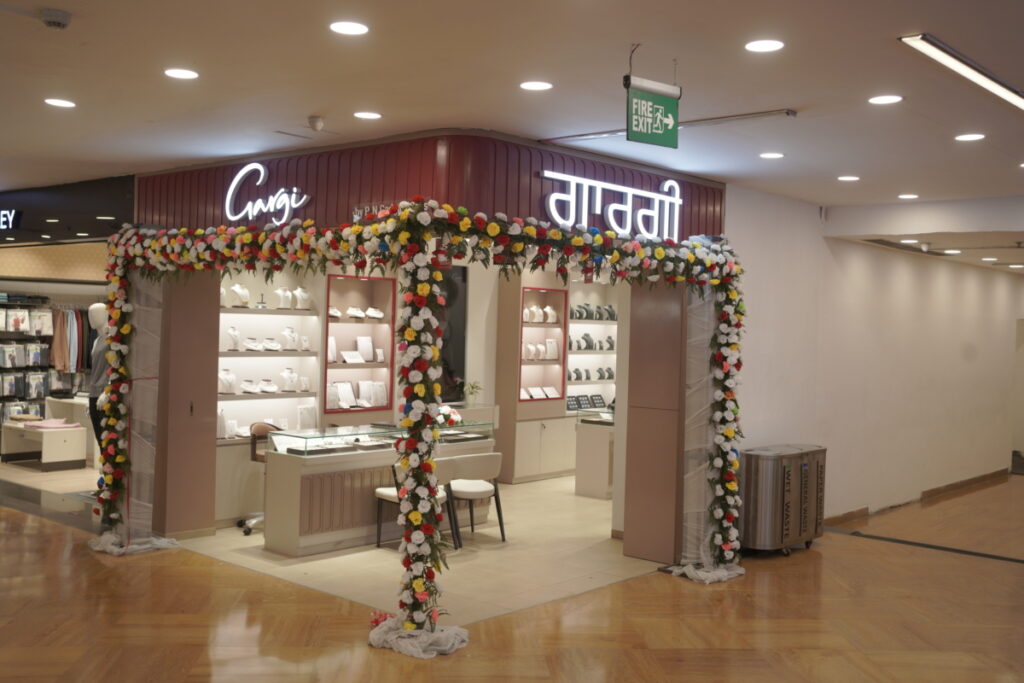
If Hinjewadi is about the new India, Ludhiana is about ambition with deep roots. The commercial capital of Punjab — a city known for its textiles, its traders, and its unapologetic appetite for style — is the kind of market a jewellery brand earns its stripes in. Gargi’s entry here, at Unit No. 05B, Lower Ground Floor of Nexus MBD Neopolis Mall on Ferozepur Road, is the brand’s first store in Punjab.
Nexus MBD Neopolis is no ordinary mall address. Spanning over 8 lakh sq. ft., it houses global names like Tommy Hilfiger, Calvin Klein, Armani Exchange, Lacoste, and MAC, alongside a Radisson Blu hotel and a five-screen multiplex. Gargi’s presence here places it within a retail ecosystem that Ludhiana’s fashion-forward consumers have come to associate with quality and aspiration.
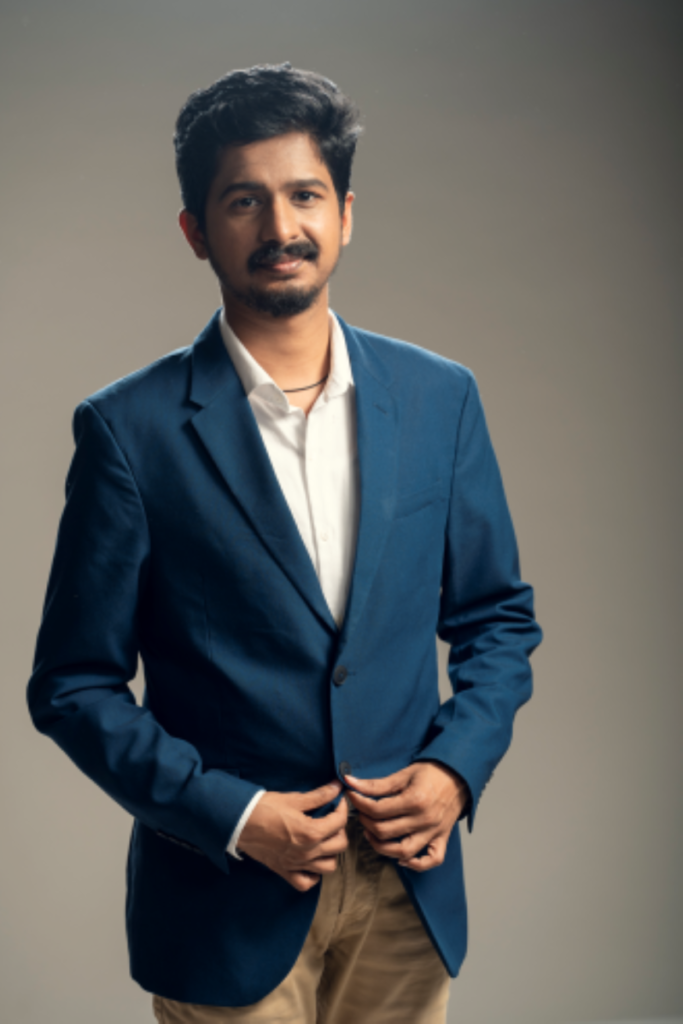
“Hinjewadi and Ludhiana are very different cities with very different energy — and that is exactly why we chose them. One is building India’s digital future; the other is one of the country’s most powerful trading communities. In both, we found women who know precisely what they want, who dress intentionally, and who have been underserved by the options available to them in fashion jewellery. Gargi exists for them — and these two stores are our way of saying, we see you.”
— Aditya Modak, Co-Founder, Gargi by P.N. Gadgil & Sons
A Brand Built for the New Indian Woman
Launched in FY21 as part of P.N. Gadgil & Sons’ portfolio — a fine jewellery group — Gargi was conceived to occupy a gap in India’s fashion jewellery landscape: pieces that are designed thoughtfully, priced accessibly, and crafted from 92.5% certified sterling silver, brass, and 9,12,14 to 18 carat gold studded with natural diamonds. With over 36 offline stores and approximately one million designs, the brand has grown rapidly since its BSE listing.
The Hinjewadi and Ludhiana openings are part of a continued push to bring Gargi’s universe of designs — from everyday silver earrings to its bridal sub-brand Utsaav by Gargi — to consumers across geographies and lifestyles.



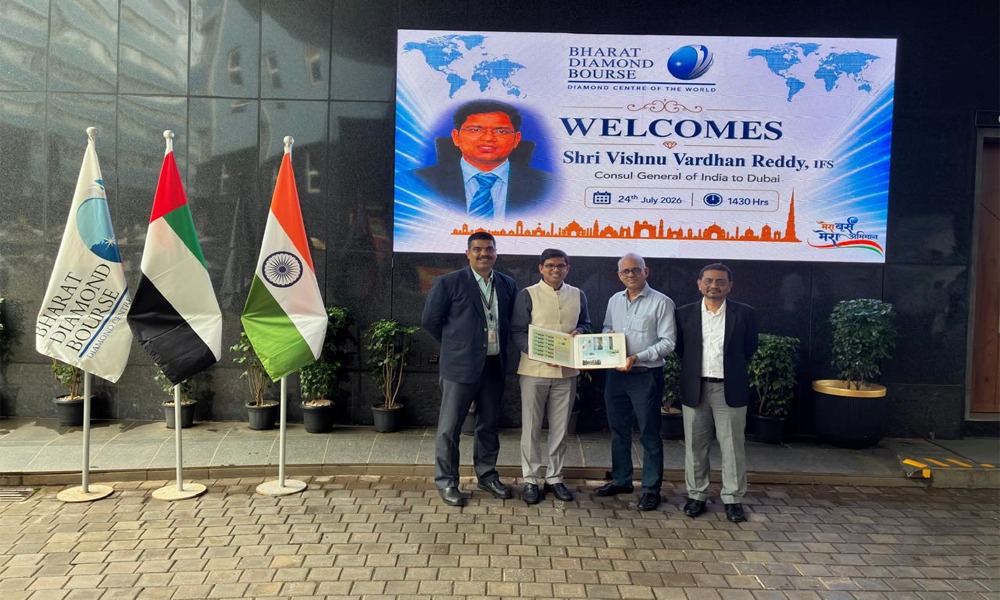
- Visit gives CG greater insights into diamond trade and import-export operations
- BDB Committee Highlights Close Ties between Diamond Industries in UAE and India
The Hon’ble Consul General of India to Dubai, Shri Vishnu Vardhan Reddy, visited the Bharat Diamond Bourse (BDB) complex on July 24, and after being shown around the complex, engaged with members of the Bourse Committee.
The visit enabled the Consul General to gather better insights into the functioning of the diamond trade and the operations within the Bourse. He also observed the smooth functioning of import-export trade in diamonds between the two countries, facilitated by the PCCCC run by Indian Customs within the complex.
The UAE is one of India’s most significant trading partners in the field of diamonds and jewellery. Bilateral trade between the two countries reached US$33.51 billion in FY2025-26.
In addition to a tour of the complex to understand the complete cycle from the import of rough diamonds to the export of polished diamonds, Shri Vishnu Vardhan Reddy also spent time interacting with Mehul Shah, Vice President, BDB, and other Committee members.
The BDB Committee highlighted the close connections between diamond companies in Mumbai and those in Dubai, as well as the regular interactions between the two centres. They thanked Shri Vishnu Vardhan Reddy for the cooperation they have always received from the Indian Embassy and expressed confidence that this visit would further streamline the movement of import-export parcels between the two countries.
Shri Vishnu Vardhan Reddy appreciated the global standards of the infrastructure and systems within the Bharat Diamond Bourse, as well as the professionalism with which the import-export trade operates. He assured the BDB Committee of the continued support of the officials at the Indian Embassy in the UAE.


Regal Jewellers appoints Vijay Sethupathi and Simran as brand ambassadors for Tamil Nadu

Fluorescent Diamonds: GIA to Introduce Clearer Guidance

India’s Consul General to Dubai, Shri V V Reddy, Interacts with BDB Committee
Fluorescent Diamonds: GIA to Introduce Clearer Guidance
Regal Jewellers appoints Vijay Sethupathi and Simran as brand ambassadors for Tamil Nadu
India’s Consul General to Dubai, Shri V V Reddy, Interacts with BDB Committee
-
 International News11 hours ago
Fluorescent Diamonds: GIA to Introduce Clearer Guidance
-
 GlamBuzz11 hours ago
Regal Jewellers appoints Vijay Sethupathi and Simran as brand ambassadors for Tamil Nadu
-
 National News12 hours ago
India’s Consul General to Dubai, Shri V V Reddy, Interacts with BDB Committee
-

 National News12 hours ago
Shankesh Jewellers Ltd. Unveils New Corporate Office at Kalbadevi Road, Mumbai