JB Insights
Fiona Diamonds:Combining AI, sustainability, Customization and Allure Of LGD
At The Heart Of The Consumer Experience, Fiona Diamonds Is Positioning Itself At The Forefront Of India’s Evolving Fine Jewellery Ecosystem.

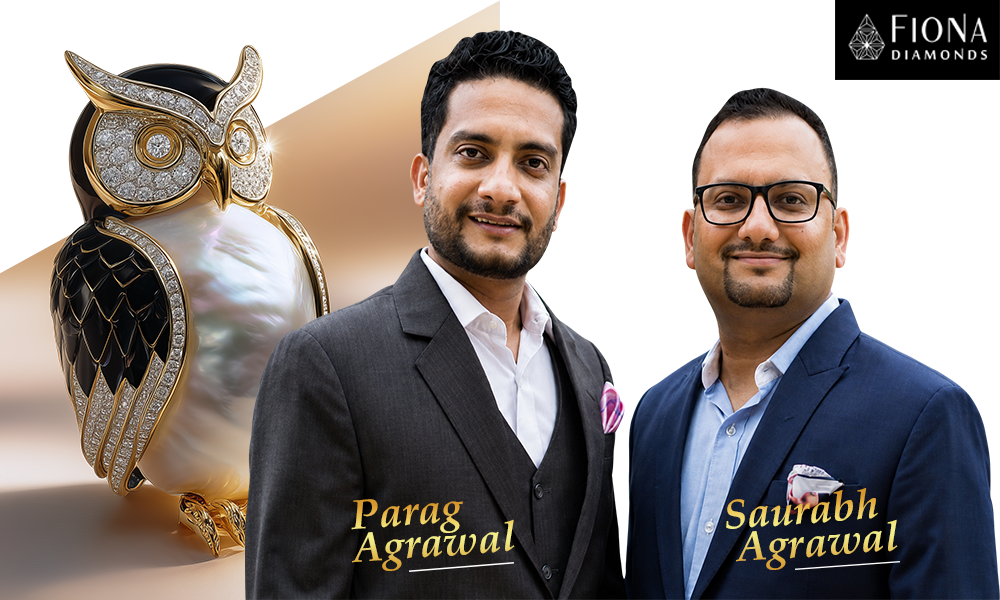
Fiona Diamonds is redefining India’s fine jewellery industry by combining AI-powered design, personalised craftsmanship, and lab-grown diamonds. In an exclusive interaction with JewelBuzz, Parag Agrawal and Saurabh Agrawal, Co-Founders of Fiona Diamonds, shared insights into their entrepreneurial journey, the inspiration behind building India’s first AI jewellery designer, the rapid evolution of consumer preferences, and their vision for creating a more accessible, sustainable, and technology-led future for the jewellery industry.
Q1. What inspired both of you to build Fiona Diamonds, and what gap did you identify in the jewellery market? As Co-Founders, how do your individual roles complement each other in driving the company’s growth and innovation?
Parag: I entered the jewellery trade at 22, and very early I saw a fundamental gap — fine jewellery in India was priced for a privileged few, and the customer had almost no say in what was made for them. Diamonds were sold as inventory, not as personal stories. We started Fiona Diamonds to change both of those things: to make certified, high-quality diamonds accessible through moissanite and lab-grown diamonds, and to put the customer at the centre of the design process. Sustainability became the third pillar — luxury should not cost the earth, literally.
Saurabh: Our roles are genuinely complementary. Parag brings over two decades of deep jewellery-industry expertise — sourcing, craftsmanship, merchandising and the instinct for what the Indian customer wants. I come from 20-plus years in enterprise technology, so I own the digital side: our D2C engine, data, automation and the AI design platform. Parag makes sure every piece is a jeweller’s piece; I make sure the experience around it is a technology company’s experience. That combination — jeweller plus technologist — is really the DNA of Fiona.
Q2. Looking back at your entrepreneurial journey, what have been the biggest challenges and the most rewarding milestones?
The biggest challenge was being early. When we began advocating lab-grown diamonds, the category barely existed in the Indian consumer’s vocabulary. We spent years educating customers — explaining that a lab-grown diamond is chemically, physically and optically identical to a mined one, and that certification standards are the same. Convincing the trade was often harder than convincing customers. Building trust in an online-first model for a high-ticket, emotional purchase like diamond jewellery was another mountain: people were used to buying diamonds from their family jeweller, not a website.
The rewarding milestones mirror those challenges. Watching lab-grown move from scepticism to mainstream acceptance — and knowing we helped drive that shift — is deeply satisfying. Launching India’s first AI jewellery designer was a defining moment. Our appearance on Bharat ke Super Founders, where we raised Rs 17.5 crore, validated the model in front of the whole country. But honestly, the most rewarding moments are smaller: a customer’s sketch or idea becoming a finished piece they wear every day.
Q3. Take us through your product portfolio. What is your USP?
Our portfolio spans the full spectrum of fine jewellery: lab-grown diamond solitaires and engagement rings, earrings, pendants, bracelets, tennis jewellery and everyday diamond wear, alongside moissanite jewellery for value-conscious buyers and an 18kt gold vermeil line that brings the Fiona design language to more accessible price points. Every diamond we sell is certified, and every piece can be made to order.
Our USP is customisation at scale, powered by AI. “Your Idea. Our AI.” is not a tagline — it is how we operate. A customer can walk in with a thought, a photograph, or a rough sketch, and our AI design platform converts it into photorealistic renders in minutes, which our craftsmen then bring to life. Combine that with lab-grown pricing — typically a fraction of an equivalent mined diamond — full certification, and a sustainability story the new generation genuinely cares about, and you have a proposition no traditional jeweller currently offers.
Q4. How is Fiona Diamonds blending traditional jewellery aesthetics with contemporary design preferences?
India’s relationship with jewellery is emotional and cultural, and we never lose sight of that. Our design library draws heavily on traditional motifs — temple and heritage-inspired patterns, polki-style aesthetics, sacred and figurative pieces — but executes them with contemporary sensibilities: cleaner lines, lighter weights, wearability for everyday life, and modern settings that suit western and Indo-western wardrobes alike.
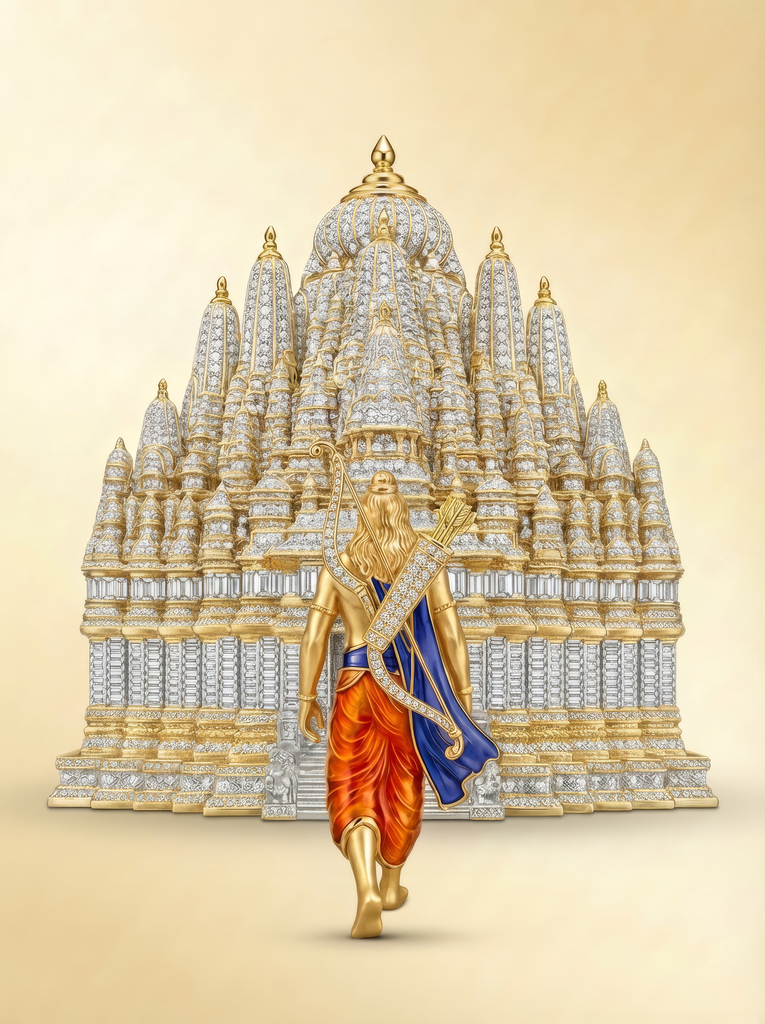
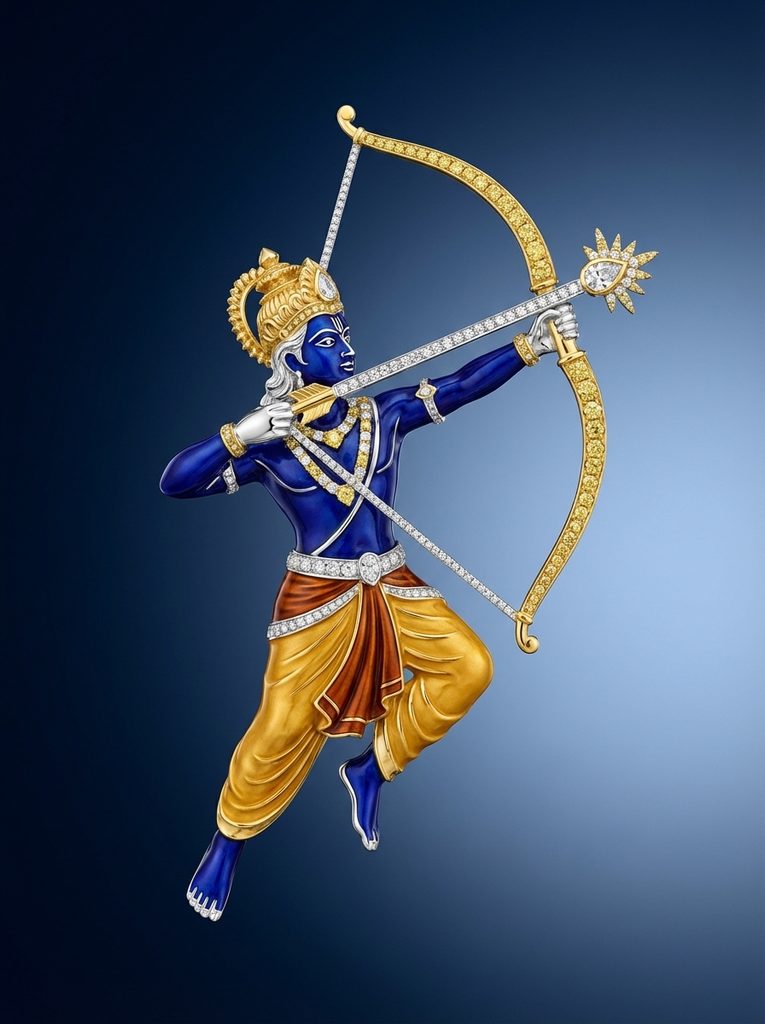
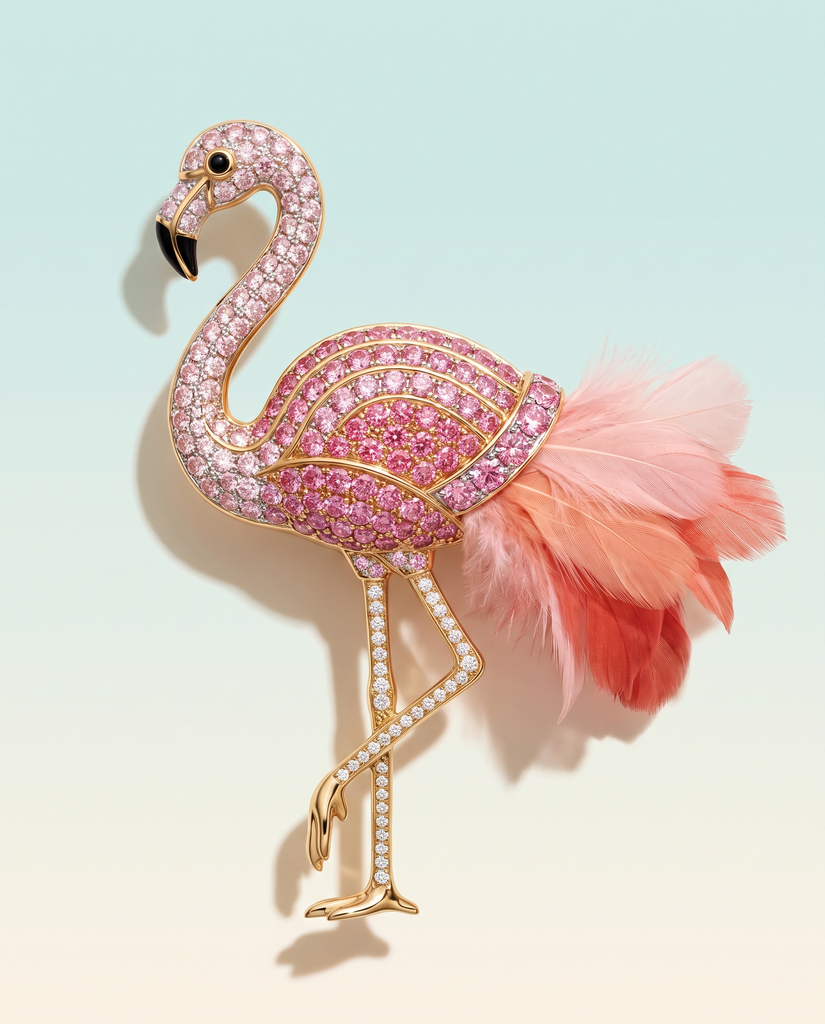
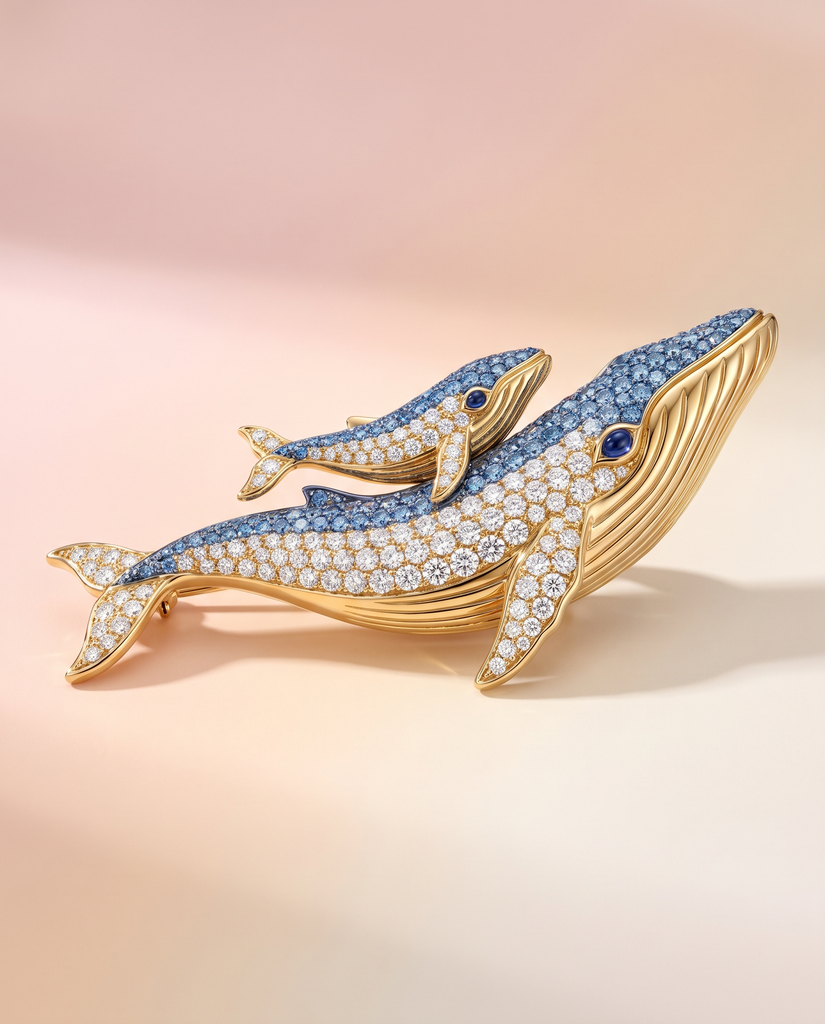
AI actually helps us bridge the two worlds. Because every piece can be customised, a bride can take her grandmother’s design and reinterpret it in a lighter, modern silhouette; a young professional can take a classic solitaire and personalise it with details that are entirely her own. We are not asking customers to choose between tradition and modernity — we let them blend both, in their own proportion.
Q5. Fiona Diamonds describes itself as India’s first AI jewellery designer. What inspired you to integrate artificial intelligence into the jewellery design process? How does the “Your Idea. Our AI.” concept work, and what kind of customization can customers expect?
Saurabh: The inspiration came from a very real bottleneck. Custom jewellery traditionally requires multiple rounds between customer, designer and CAD artist — weeks of back and forth before the customer even sees what their idea looks like. With generative AI, we realised we could collapse that cycle from weeks to minutes. As a team with deep tech roots, it was a natural step, and we moved early enough to become India’s first AI jewellery designer.
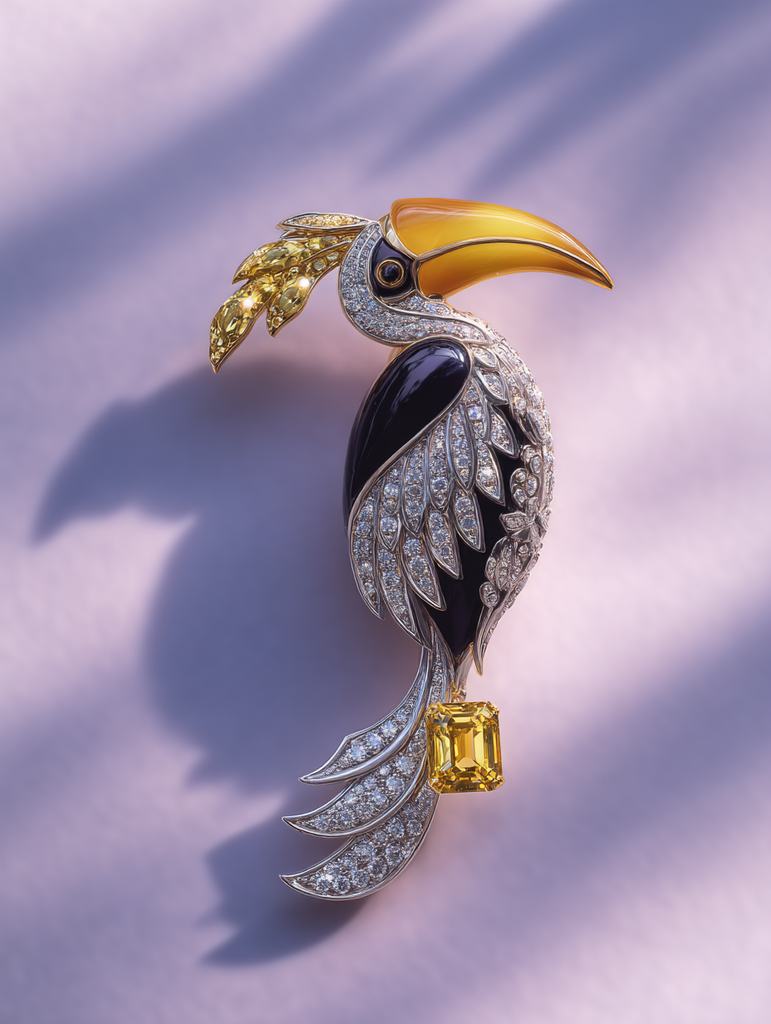
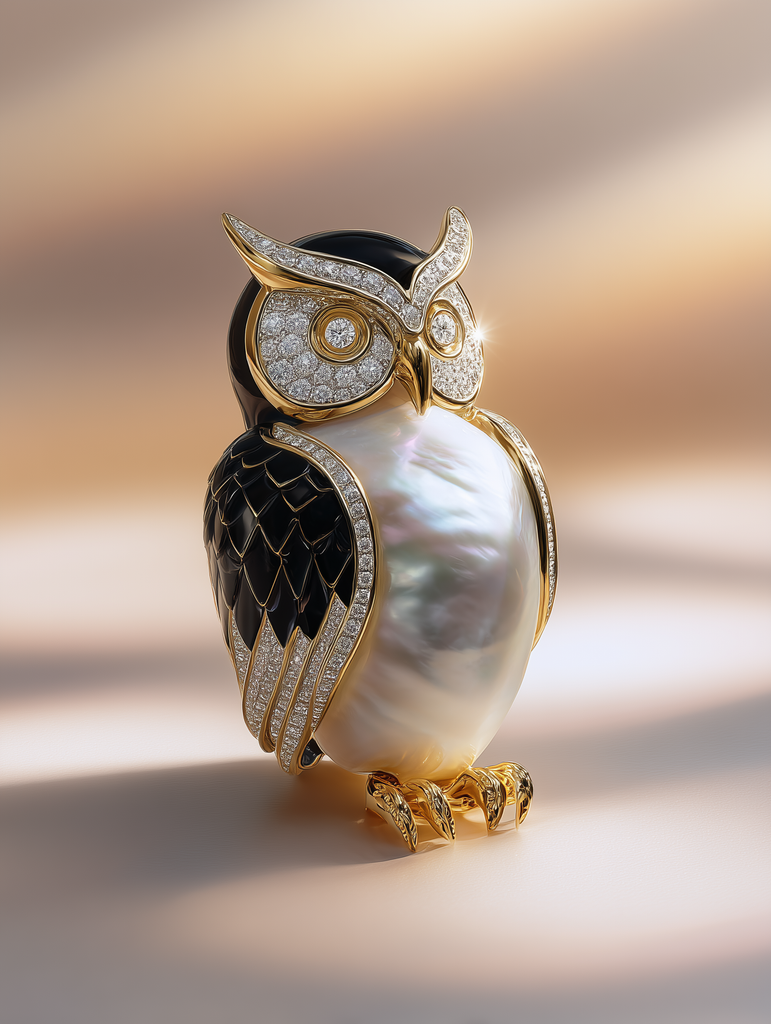
The concept works exactly as it sounds. The customer shares an idea — a description, an inspiration image, a sketch, even a memory they want captured. Our AI generates photorealistic design renders reflecting their brief; the customer iterates on styles, stones, metals and proportions in real time; and once a design is approved, our craftsmen manufacture the piece with certified lab-grown diamonds. Customers can personalise virtually everything — stone shape and size, metal and colour, engraving, motifs, even highly personal figurative pieces like a beloved pet, a deity, or a car they love. AI has also transformed our own operations, from design ideation to marketing creatives, which is how we run one of the most efficient inventory and ad-spend models in the industry.
Q6. The lab-grown diamond segment is witnessing rapid growth in India. What consumer trends are driving this shift? How has consumer perception of lab-grown diamonds evolved over the past few years?
Three trends are driving the shift. First, value consciousness without compromise — younger buyers want a bigger, better-quality stone for their budget, and lab-grown delivers exactly that. Second, sustainability and ethics — this generation asks where products come from, and a diamond grown above the ground, with no mining footprint, answers that question well. Third, the desire for self-expression — lab-grown pricing makes customisation and everyday diamond wear realistic, so diamonds are no longer reserved only for weddings.
Perception has evolved dramatically. Five or six years ago, customers asked, “Is this a real diamond?” Today they ask, “What certification does it carry and what design can I make?” The conversation has moved from legitimacy to choice. Grading by independent certification bodies, wider retail availability, celebrity adoption and honest education by brands like ours have normalised the category. Interestingly, we now see customers who can comfortably afford natural diamonds choosing lab-grown deliberately — as a considered, modern decision rather than a compromise.
Q7. What opportunities do you see in India’s rapidly growing direct-to-consumer (D2C) jewellery market? As you expand your omnichannel presence, how do you see the balance between online sales and physical retail evolving?
India’s D2C jewellery opportunity is significant as consumers increasingly discover jewellery online despite the market remaining largely unorganised. Digital platforms enable nationwide reach, customer education on lab-grown diamonds, and AI-powered customisation, with most demand originating online. However, jewellery purchases still rely on trust and physical experience. A hybrid model—combining online discovery and design with experience stores for trial and purchase—offers the strongest competitive advantage and is expected to shape the future of jewellery retail.
Q8. The jewellery market is becoming increasingly competitive. What differentiates Fiona Diamonds from other lab-grown diamond brands?
The company’s advantage rests on three pillars: an early leadership position in lab-grown diamonds and moissanite, giving it deep sourcing and customer expertise; AI-driven operations across design, customization, inventory, and marketing, delivering strong inventory turns and advertising efficiency; and customization as its core offering, enabling customers to co-create unique, certified, sustainable jewellery at accessible lab-grown price points, differentiating it from catalogue-first competitors in the market.
Q9. How do you see the future coexistence of natural diamonds and lab-grown diamonds within the Indian jewellery industry?
Natural and lab-grown diamonds are expected to coexist with distinct roles. Natural diamonds will remain heirloom, collectible and investment-driven, while lab-grown diamonds will dominate engagement, everyday wear, gifting and self-purchase due to their affordability and identical appearance. India is well positioned as both a global diamond processing and lab-grown manufacturing hub, enabling competitive pricing and global leadership while empowering consumers with greater choice.
Q10. Has your appearance on Bharat ke Super Founders significantly impacted brand awareness, customer acquisition, or sales?
Absolutely — it was an inflection point. Beyond the Rs 17.5 crore we raised on the show, the visibility was transformative. Millions of viewers discovered Fiona Diamonds and, just as importantly, discovered the lab-grown category itself through our story. We saw an immediate and sustained lift in brand searches, website traffic, walk-ins at our stores and inbound enquiries — including from customers in cities we have not yet entered physically.
The show also changed the quality of conversations. Customers now arrive with trust already established — they have seen the founders, heard the story and understood the model, so the journey from enquiry to purchase is shorter. It validated us with investors and partners as well. For a brand whose biggest historical challenge was educating the market, national television did years of category education in a single season.
Q11. What innovations in product design or customer experience can consumers expect from Fiona Diamonds over the next few years?
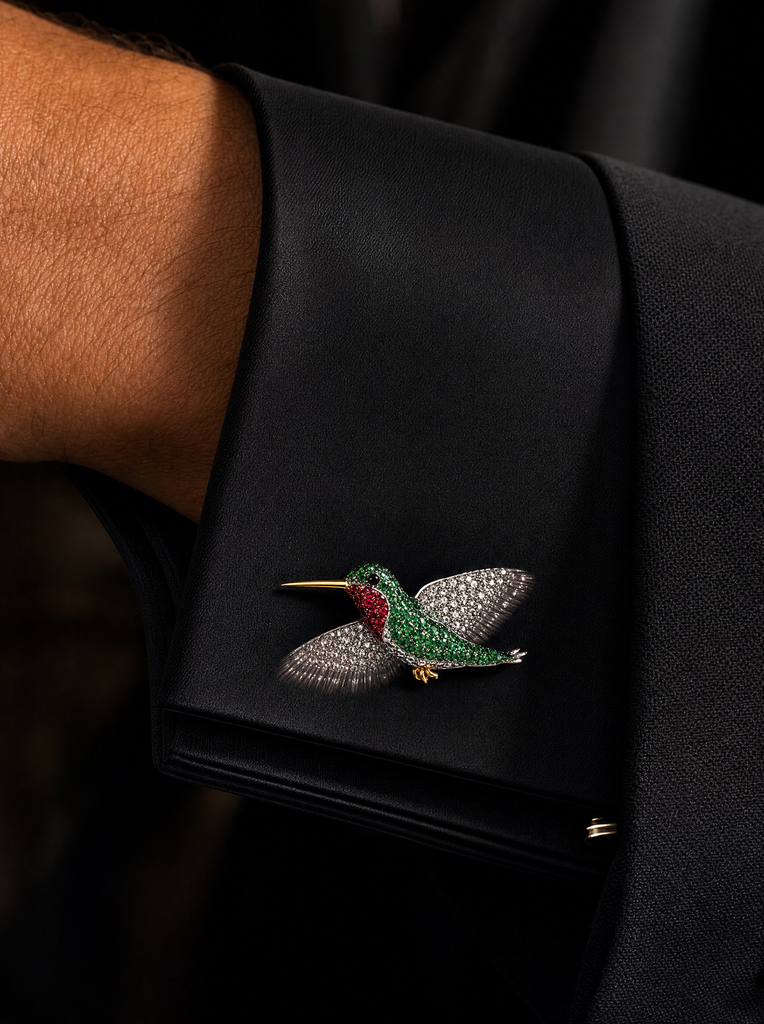
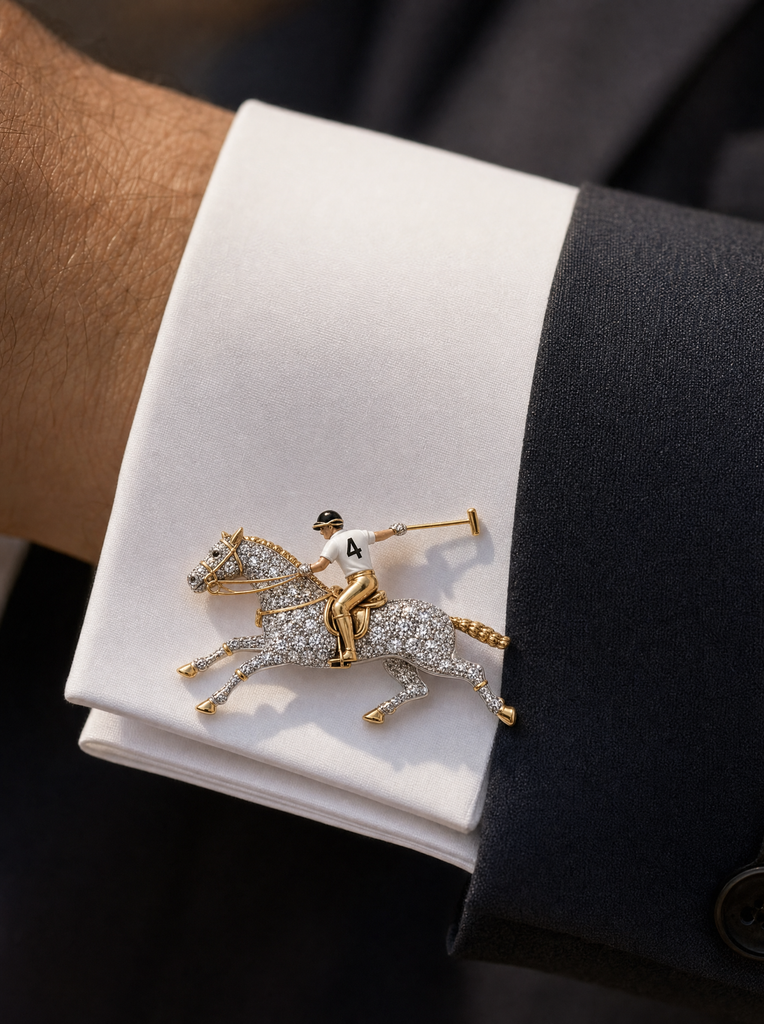
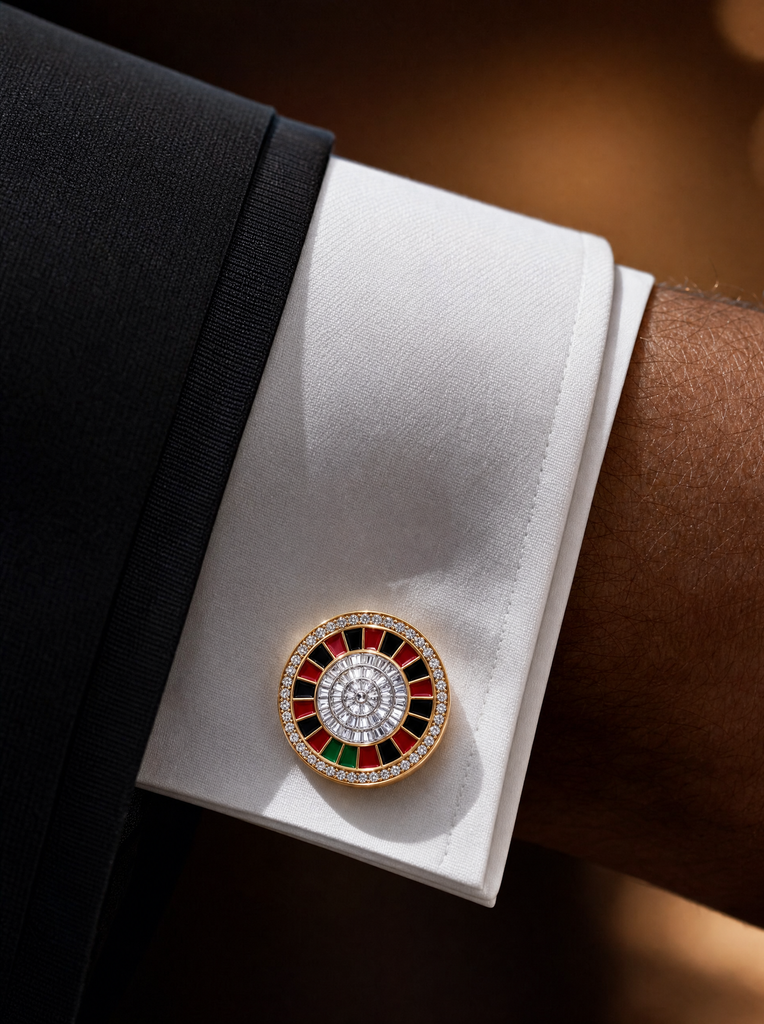
Fiona Diamonds plans to significantly enhance its AI jewellery designer with photorealistic previews, voice- and photo-based design generation, and advanced personalised creations. The company is expanding into sacred, statement and men’s jewellery while strengthening its bridal and solitaire collections. It is also improving the omnichannel experience through virtual try-ons, AI consultations, faster made-to-order delivery, more experience stores, and AI-driven inventory management to deliver better value and quicker fulfilment..
Q12. Looking ahead, what is your long-term vision for Fiona Diamonds, and where do you see the brand in the next five years?
Our vision is to make Fiona Diamonds the most loved custom jewellery brand of the new generation — the name that comes to mind when anyone in India thinks of designing their own jewellery. In five years, we see a truly national omnichannel presence with experience stores across India’s major cities, an AI design platform that has become the industry benchmark, and a meaningful international footprint, taking Indian craftsmanship and Indian technology to global customers.
Beyond scale, we want to lead the industry’s mindset shift — proving that luxury can be personal, accessible and sustainable at the same time. If in five years every young couple believes their engagement ring should be designed by them rather than picked from a catalogue, and every wearer knows their diamond carries no environmental debt, we will have built something far bigger than a jewellery company. That is the legacy we are working towards.



JB Insights
India–UK FTA: Opening A New Chapter For Indian Jewellery
By Darshan Chauhan, Wholetime Director- Sky Gold and Diamonds Ltd..
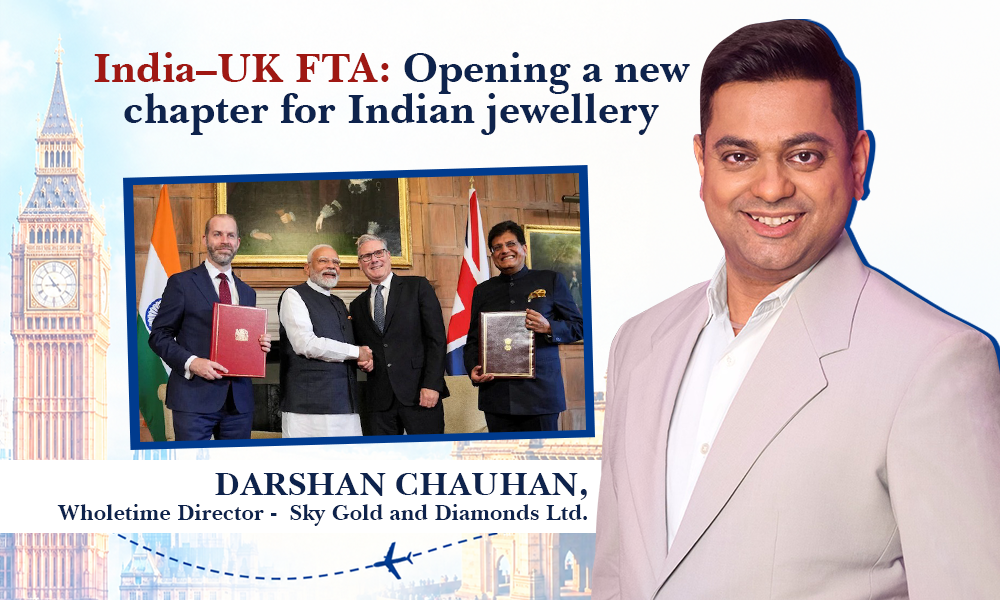
Trade agreements are often discussed in terms of tariffs, trade volumes and market access. But their real significance lies in what they enable businesses to do next. The India–UK Comprehensive Economic and Trade Agreement (CETA), which came into force on 15 July 2026, has the potential to create a stronger platform for Indian businesses to compete, collaborate and grow in one of the world’s most important markets.
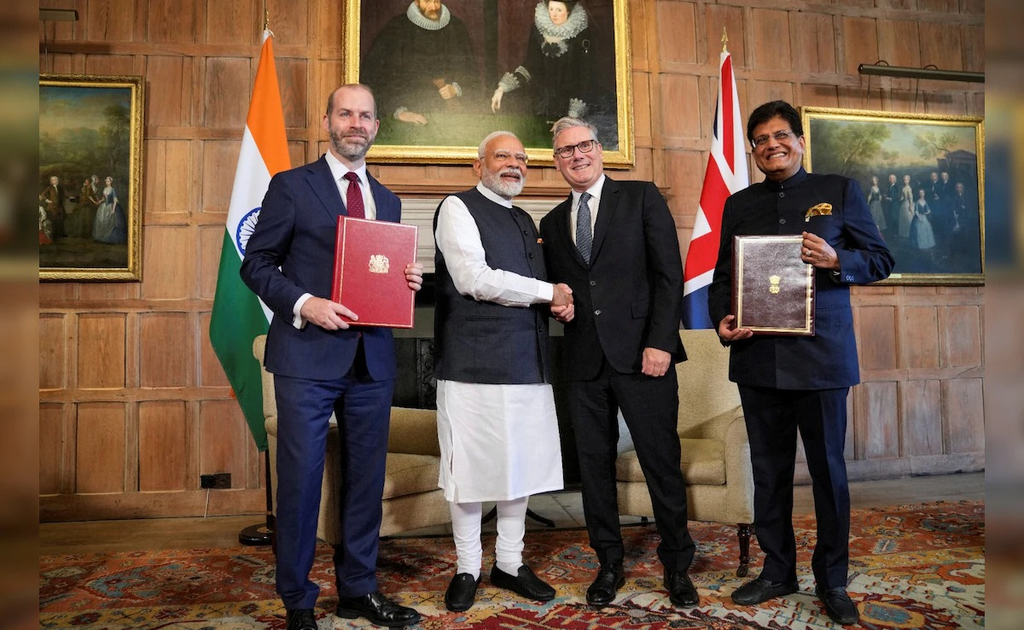
The agreement provides duty-free access to almost 99% of India’s exports to the UK, covering nearly the entire value of India’s trade with the country. For sectors such as gems and jewellery, this is particularly significant. India’s gems and jewellery exports to the UK currently stand at around US$1.03 billion, while the UK imports approximately US$4 billion worth of jewellery annually. This gap represents a substantial opportunity for Indian manufacturers and exporters to expand their presence and build stronger relationships in the market.
A meaningful opportunity for Indian jewellery

India has long been recognised globally for its jewellery craftsmanship. However, the country’s competitive strength today extends well beyond traditional artistry. Over the years, India has developed a sophisticated manufacturing ecosystem that combines skilled craftsmanship with CAD, CNC technology, advanced production processes, organised quality systems, design capabilities and professional merchandising.
The FTA can give this ecosystem greater global reach
Lower trade barriers can improve the competitiveness of Indian jewellery in the UK and create new opportunities across the value chain, from manufacturers and exporters to designers and artisans. Government estimates indicate that tariff relaxations could potentially double India’s gems and jewellery exports to the UK over the next two to three years.
However, market access alone will not determine who succeeds.
From supplier to strategic partner
The global jewellery business is moving beyond traditional supplier relationships towards strategic partnerships built around consumer insight, design, innovation and speed-to-market. India’s manufacturing strength offers a significant opportunity to move up the value chain—from production to design, product development, merchandising and market intelligence. Quality, flexibility, faster development, consistent replenishment and knowledge of international markets can position Indian manufacturers as indispensable growth partners.
The FTA provides market access; the next opportunity is for Indian jewellery companies to deliver greater value.
Trust remains the foundation
Jewellery is built on trust, with quality, purity, craftsmanship and reliability forming the foundation of every transaction. As Indian companies expand into international markets, sustaining these standards will be essential. Global growth must go beyond tariff benefits, supported by transparent processes, dependable supply chains and consistent quality. The UK opportunity lies not merely in increasing sales, but in building lasting relationships with customers and retail partners. Ultimately, trust and reliability will be key to establishing Indian jewellery as a respected global offering.
Positive sentiment after IIJS Bharat Premiere 2026
The timing of the FTA has also been encouraging from an industry perspective. The sentiment following IIJS Premiere reflected growing confidence across the jewellery trade, with conversations increasingly focused on international opportunities, new collections, product innovation and long-term business relationships.
For many businesses, international markets are no longer being viewed simply as additional export destinations. They are becoming an integral part of long-term growth strategies.
That optimism matters. A trade agreement can create favourable economic conditions, but it is the willingness of businesses to invest, innovate and pursue new opportunities that ultimately converts policy into growth.
The first day of the agreement itself provided an encouraging signal, with more than 50 export consignments worth over US$140 million reportedly flagged off under the preferential tariff regime, including gems and jewellery shipments.
Looking beyond tariffs
The India–UK FTA represents more than a tariff reduction; it offers Indian jewellery an opportunity to strengthen its position in global supply chains and expand its international footprint. With skilled craftsmanship, manufacturing expertise, design capabilities and an increasingly organized ecosystem, India is well placed to leverage this opportunity. Manufacturers must focus on innovation, technology, talent and quality, while exporters need to understand evolving consumer preferences, strengthen distribution and build long-term partnerships.
Catalyst for sustained expansion,
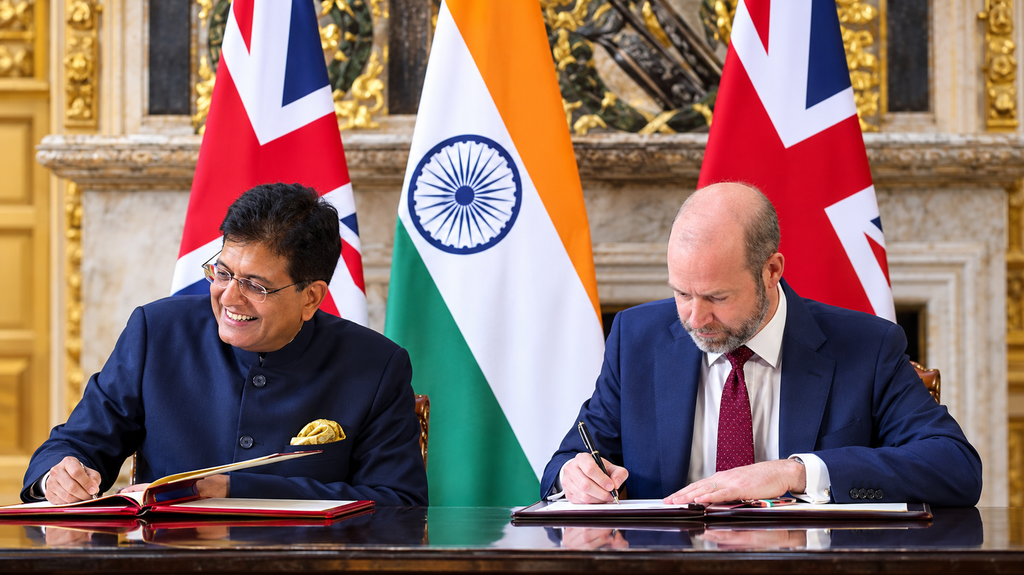
The agreement can help Indian jewellery gain greater recognition for its craftsmanship, design and reliability in the UK market. As global ambitions grow, the FTA could become a catalyst for sustained expansion, encouraging the industry to move beyond short-term exports and establish India as a trusted and influential global jewellery powerhouse.


Talla Jewellers Unveils New Showroom In Akhnoor, Jammu, Fifth Store In The Region

Jagannath Gangaram Pednekar Jewellers Celebrates Jewellery as a Lifestyle with The Great Jewellery Festival

Actress Prarthana Behere Inaugurates Malabar Gold & Diamonds’ New Showroom At Nexus Seawoods Mall, Navi Mumbai
Talla Jewellers Unveils New Showroom In Akhnoor, Jammu, Fifth Store In The Region
Jagannath Gangaram Pednekar Jewellers Celebrates Jewellery as a Lifestyle with The Great Jewellery Festival

US Begins Third Phase Of Tariff Refunds For Diamond and Jewellery Importers
-
 National News14 hours ago
Talla Jewellers Unveils New Showroom In Akhnoor, Jammu, Fifth Store In The Region
-
 National News17 hours ago
Jagannath Gangaram Pednekar Jewellers Celebrates Jewellery as a Lifestyle with The Great Jewellery Festival
-
 International News18 hours ago
US Begins Third Phase Of Tariff Refunds For Diamond and Jewellery Importers
-

 National News18 hours ago
KISNA Launches AI-Powered Jewellery Search In 15+ Indian Languages; Projects 20% Growth In Website Searches Over 4 Months