
DiamondBuzz
De Beers Rough Sales Triple in Q3

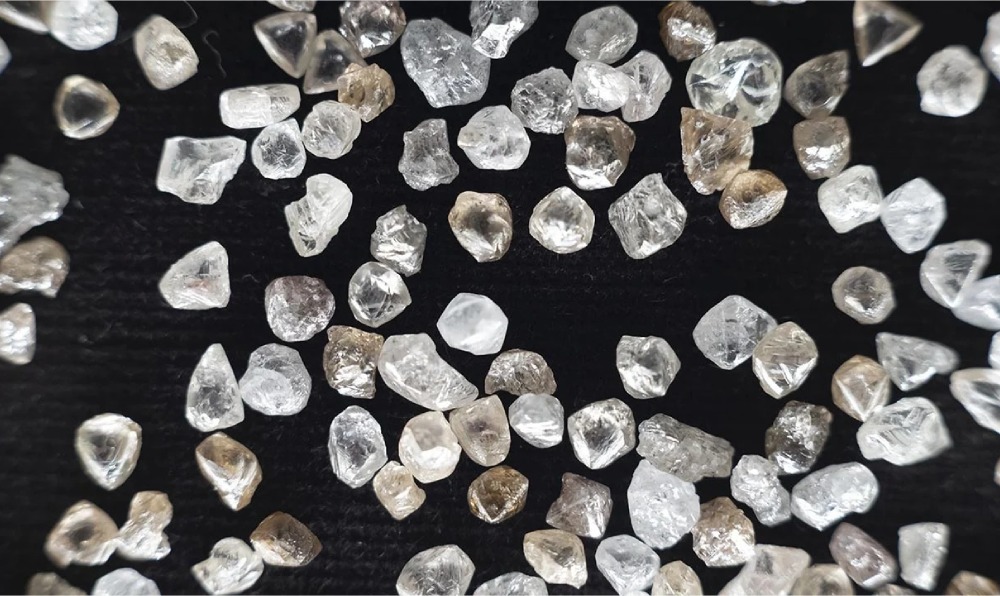
De Beers reported a significant surge in rough diamond sales for the third quarter of 2025, with total sales reaching $700 million across two sights held during the three-month period ending September 30, 2025, representing more than a three-fold increase compared to the $213 million recorded in the same quarter of 2024.
The dramatic year-over-year improvement can be partially attributed to the company holding two sights in Q3 2025 versus only one sight in the previous year, when the August 2024 session was cancelled due to weak market demand. During the recent quarter, De Beers strategically offered specific diamond assortments at discounted prices to stimulate sales, though the company has discontinued its previous practice of providing detailed sight-by-sight updates.
According to the production report published on October 28, 2025, trading conditions remained challenging throughout the period, although consumer demand for natural diamond jewelry showed broad stability, particularly in the crucial United States market. The company noted that the positive momentum observed during the first half of 2025 was hampered by newly imposed US tariffs on diamond imports from India, which created supply chain disruptions given India’s pivotal role in diamond processing.
However, De Beers welcomed the recent policy shift announced in September that granted exemptions for natural diamond imports from countries participating in “aligned partner” trade agreements, viewing this as a positive development for market conditions. On the production front, the company achieved 7.7 million carats in Q3 2025, marking a 38% increase compared to the same quarter in 2024, though year-to-date production of 17.9 million carats represents a 5% decline compared to the previous year, with the company maintaining its unchanged full-year production guidance of 20 to 23 million carats for 2025.


DiamondBuzz
Diamonds Lead The Luxury Wishlist, New Consumer Index Finds
From Diamonds and Watches To Luxury Cars, Fashion and Travel, New Data Reveals What Indian Consumers Value Most When It Comes To Luxury

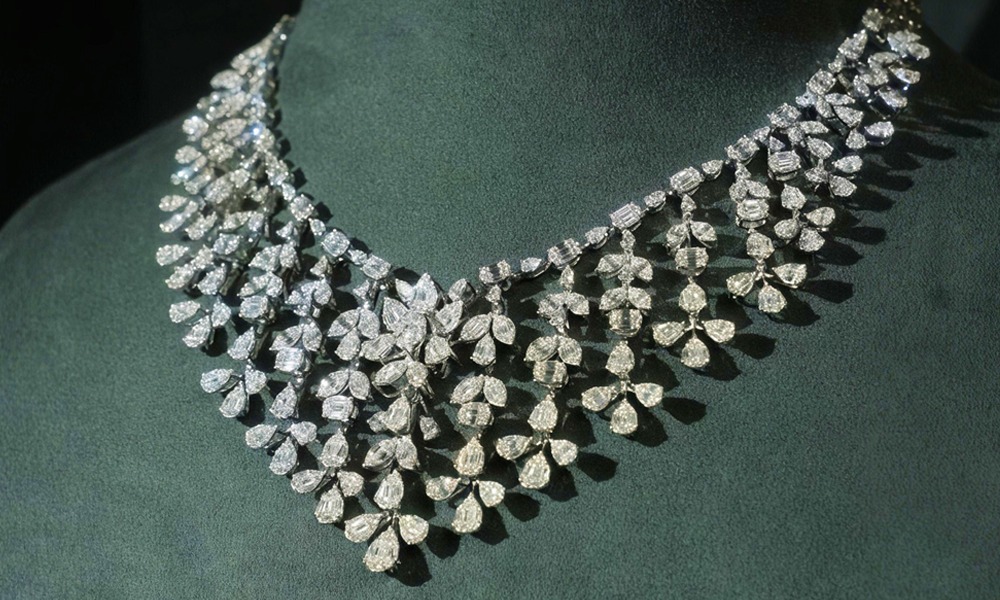
What are Indian consumers really looking for when it comes to luxury? New research from A Diamond is Forever, India’s Most Desired Luxury Purchases, ranks the country’s top 10 luxury categories, revealing not only what captures consumer desire, but how that desire translates into search, social conversation and purchase intent.
The research finds diamond and fine jewelry at the top of India’s luxury wishlist, with a score of 68.22 out of 80, followed by luxury cars at 65.5, luxury watches at 64.9, designer fashion at 62 and premium technology and electronics at 61.2.
But the overall ranking tells only part of the story. Looking across the individual measures reveals distinct patterns in how Indians engage with luxury: luxury cars lead on geographic reach, watches command the strongest commercial intent, diamonds see the highest transactional intent, while luxury travel records the fastest growth in social conversation.
The India’s Most Desired Luxury Purchases Index examines ten major luxury categories across eight measures of consumer interest and intent, offering a broader view of what luxury means to Indian consumers today.
Diamonds lead India’s luxury wishlist
Diamond and fine jewelry ranks first, with a score of 68.2/80. The category records 147,720 searches, including 81,930 commercial searches and 13,720 transactional searches. Its transactional-intent rate stands at 9.3% – the highest among the categories measured.
Beyond the numbers, the research identifies a distinctive combination of emotional resonance, cultural relevance and lasting value behind jewelry’s position at the top. From milestone purchases and wedding jewelry to gifting and heirlooms, fine jewelry occupies a space where personal meaning and perceived long-term value meet.
Watches command the strongest commercial intent
Luxury watches rank third overall at 64.9/80 but emerge as the strongest category when it comes to commercial intent, scoring 10/10 on the measure.
The category generated 250,230 searches, of which 202,470 were commercial searches. That means 80.9% of its search volume carried commercial intent, the highest proportion recorded across the categories.



Richemont and Signet Jewelers Could Join Global Diamond Consortium In Bid For De Beers

Make Karwa Chauth Special With Palmonas 9KT Gold Mangalsutra Collection

First time In India, Golu Showcase Made Entirely Of Silver and Gold At Challani House Of Silver
Richemont and Signet Jewelers Could Join Global Diamond Consortium In Bid For De Beers
First time In India, Golu Showcase Made Entirely Of Silver and Gold At Challani House Of Silver
Make Karwa Chauth Special With Palmonas 9KT Gold Mangalsutra Collection
-
 International News8 minutes ago
Richemont and Signet Jewelers Could Join Global Diamond Consortium In Bid For De Beers
-
 National News20 hours ago
First time In India, Golu Showcase Made Entirely Of Silver and Gold At Challani House Of Silver
-
 National News20 hours ago
Make Karwa Chauth Special With Palmonas 9KT Gold Mangalsutra Collection
-

 ShowBuzz23 hours ago
GIA Board Of Governors In India To Discuss Industry Priorities and Expand Grading Services Scope
