
DiamondBuzz
De Beers adjusts sight boxes, support for small diamonds

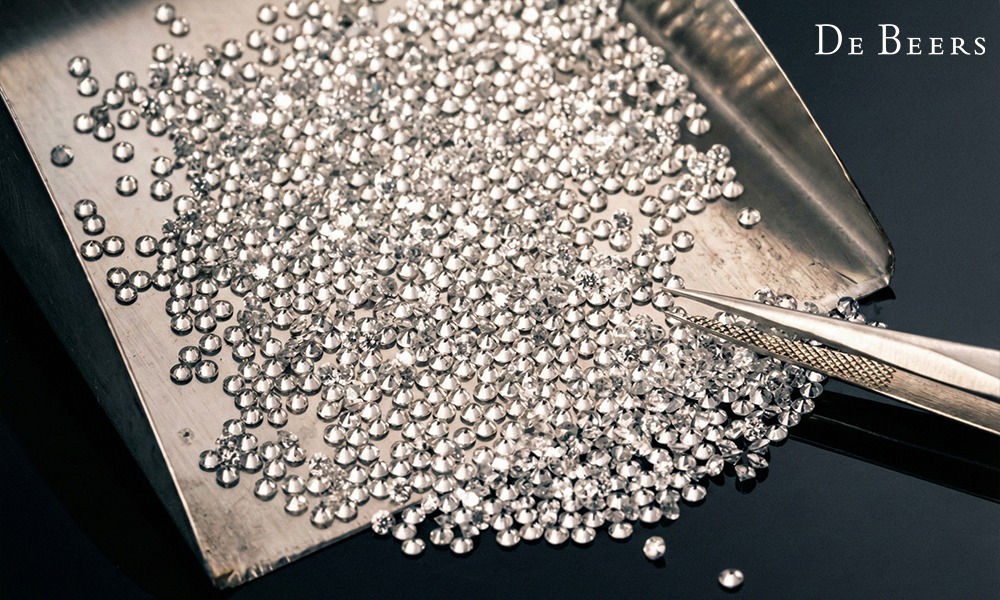
De Beers, has made important changes to how it packages and sells rough diamonds. These changes are designed to help deal with problems in the market for smaller diamonds.The company has moved 8-grainer diamonds (which weigh about 2 carats) from one group to another. Previously, these 2-carat diamonds were sold together with other diamonds weighing between 2 and 4 carats. Now, De Beers will sell these 2-carat stones alongside smaller diamonds that weigh between 1 and 1.5 carats.
This might seem like a small change, but it’s actually quite significant for the diamond industry. The way diamonds are grouped and sold affects their prices and who buys them.
Sight holders, believe De Beers made this change because smaller diamonds have been struggling in the market. When diamonds don’t sell well, it creates problems for everyone involved – from miners to jewelry stores.By moving the 2-carat diamonds into a different group, De Beers is trying to make these packages more attractive to buyers. This could help improve sales and support the overall market for smaller rough diamonds.


DiamondBuzz
Kylie Jenner Debuts At Victoria’s Secret Show In $50 Million Fantasy Bra By Jacob & Co.
Kylie Jenner Walks The Ramp In Bra Crafted By Jacob & Co. From 4,410 Natural Diamonds Surrounding A 75.54-Carat Radiant-Cut Fancy Vivid Yellow Diamond


This year, the famous Fantasy Bra returned to the runway for the first time since 2018. Made by New York jeweler Jacob & Co., it costs $50 million—making it the most expensive Fantasy Bra ever and about $35 million more expensive than any previous version.
Making her Victoria’s Secret Fashion Show runway debut,Kylie Jenner wore the show-stopping bedazzled bra, a gauzy white mini skirt and expansive white feathered angel wings.
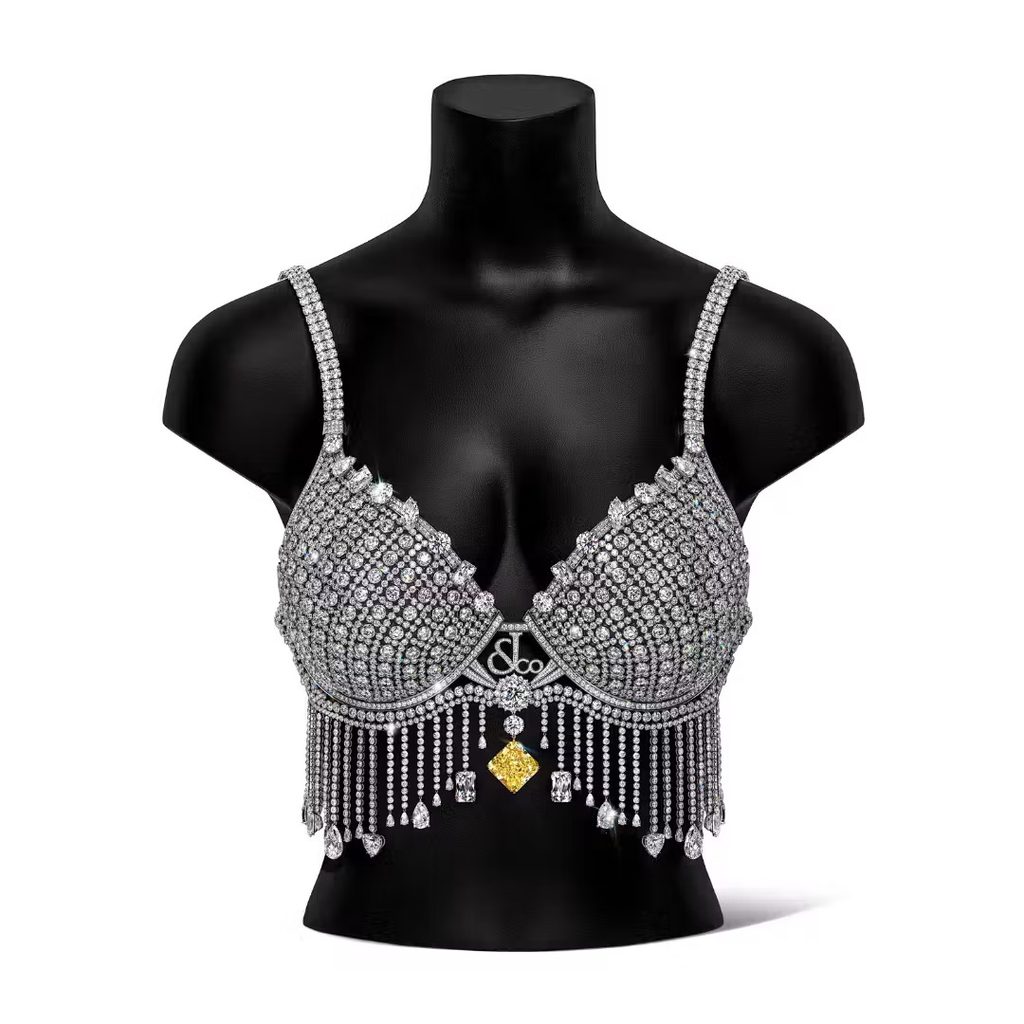
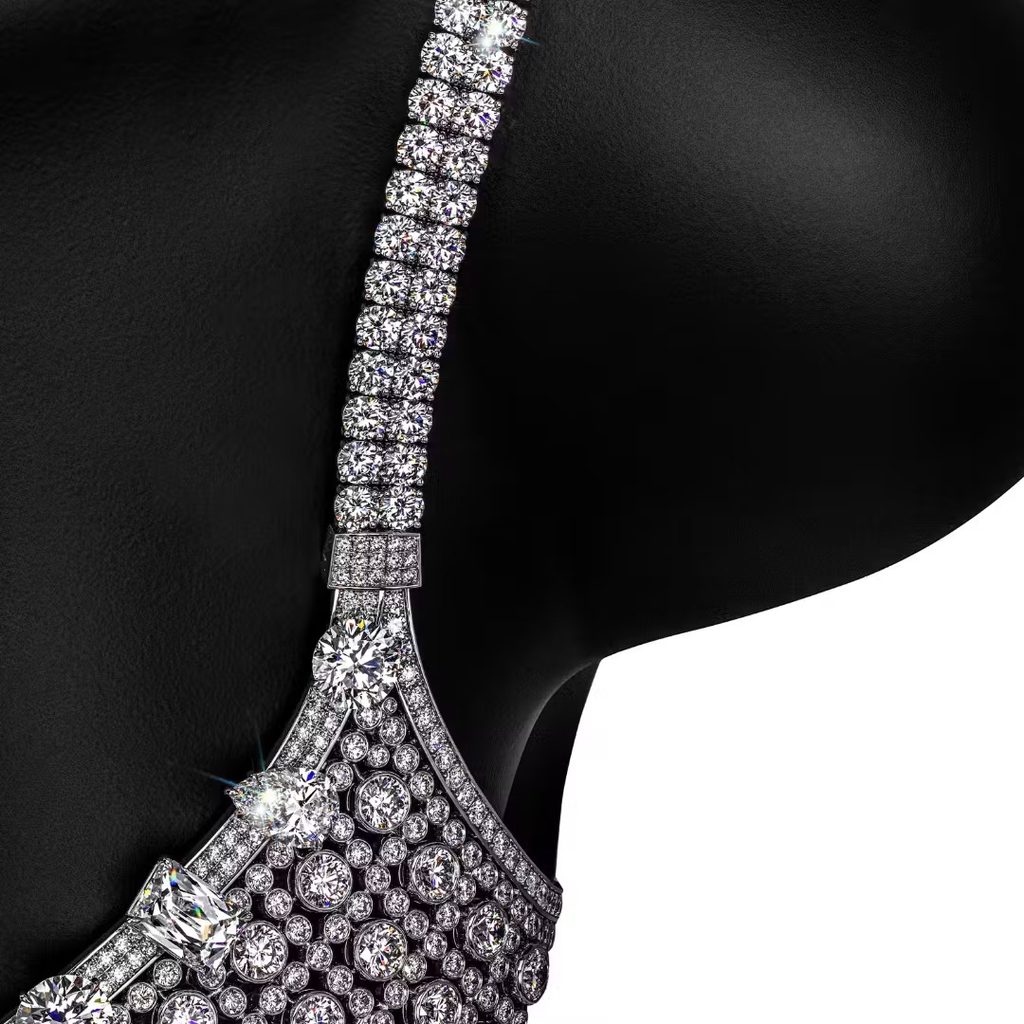
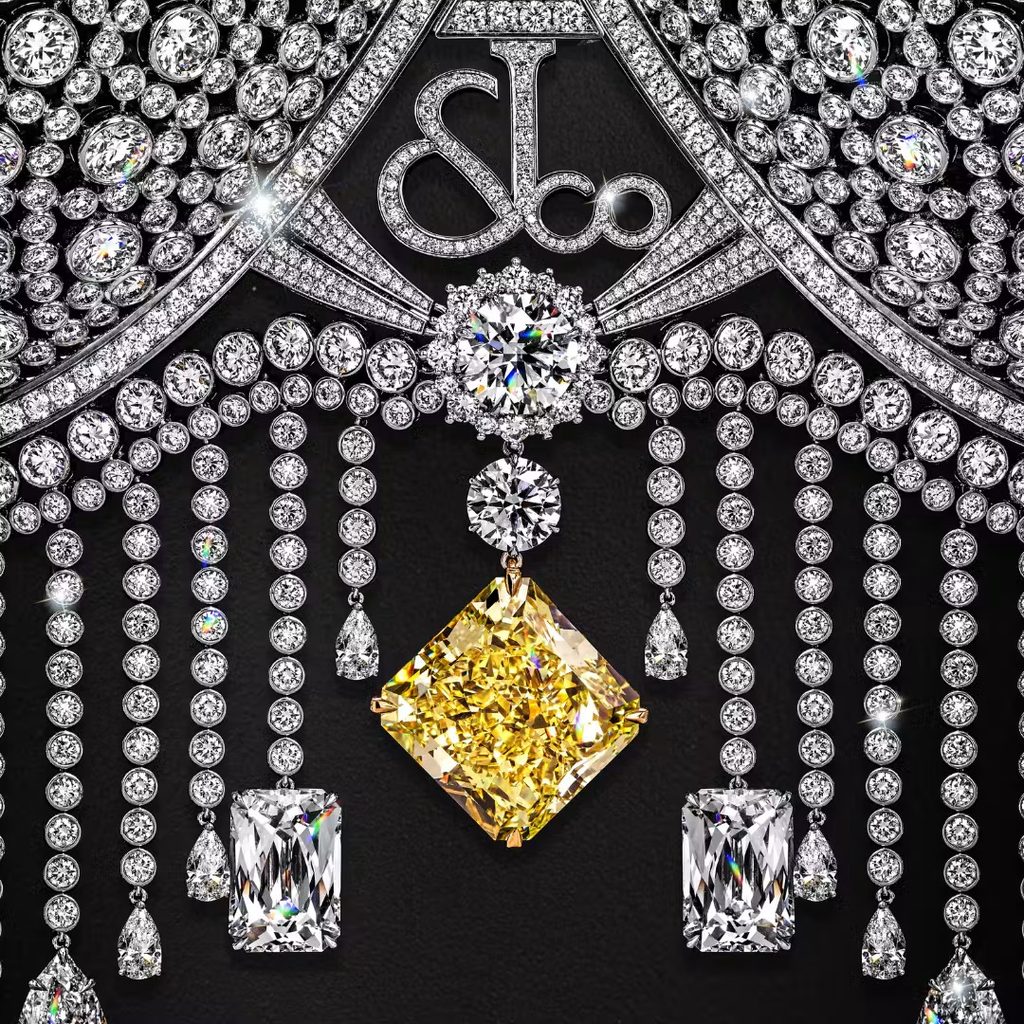
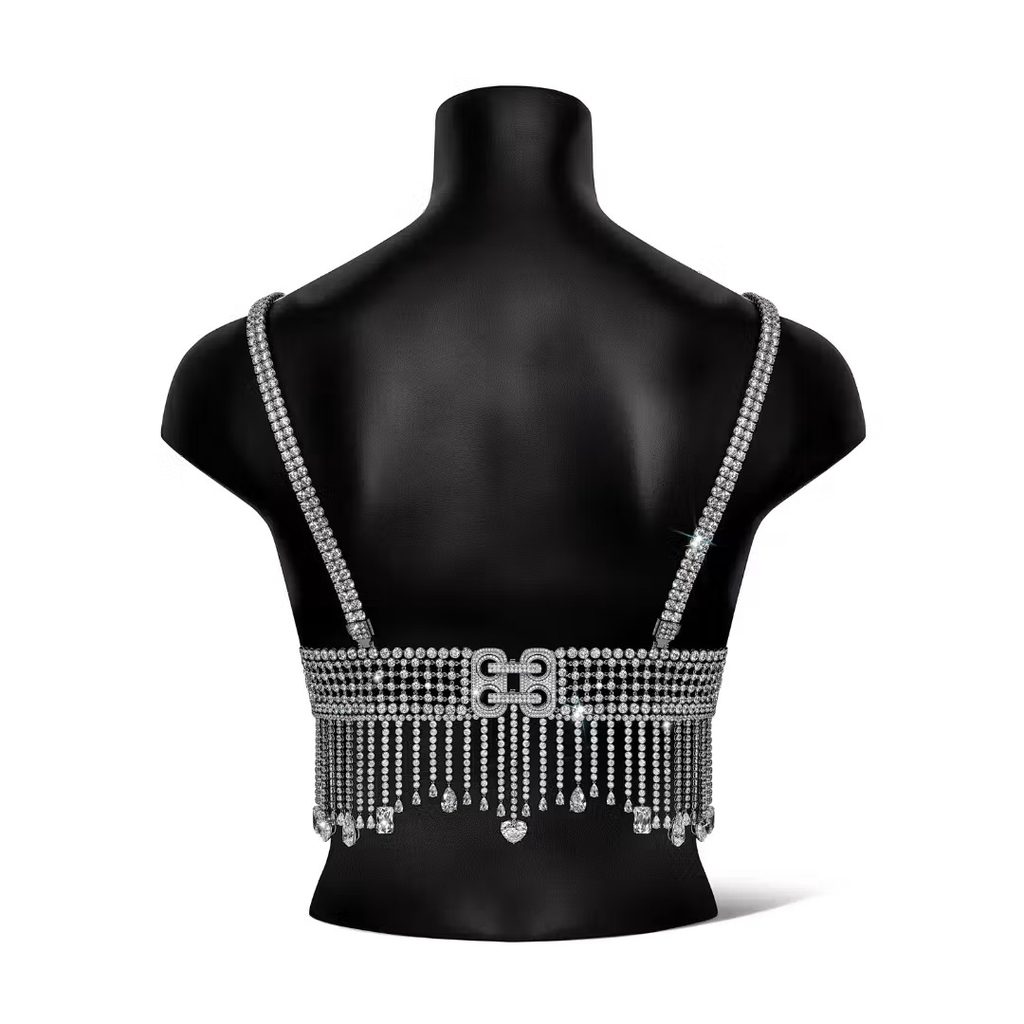
The bra features 4,410 natural diamonds set around a large, bright yellow 75.54-carat diamond. A team of 15 craftspeople spent over 1,000 hours creating the piece, which weighs just under two kilograms (about 4.4 pounds).



Malabar Gold & Diamonds Unveils ‘SWAYE’, A Natural Diamond Collection Inspired By Spiral Forms and Modern Elegance

Nike Enters Jewellery Market With First-Ever Collection Priced Up To $5,750

Kylie Jenner Debuts At Victoria’s Secret Show In $50 Million Fantasy Bra By Jacob & Co.

Limelight Lab Grown Diamonds Crosses 100 Stores Milestone This Dussehra: Targets 200 In 2027
Malabar Gold & Diamonds Unveils ‘SWAYE’, A Natural Diamond Collection Inspired By Spiral Forms and Modern Elegance

De Beers Q3 Sales Volume Rises 71% Year On Year On Price Cuts
-
 National News2 days ago
Limelight Lab Grown Diamonds Crosses 100 Stores Milestone This Dussehra: Targets 200 In 2027
-
 BrandBuzz53 minutes ago
Malabar Gold & Diamonds Unveils ‘SWAYE’, A Natural Diamond Collection Inspired By Spiral Forms and Modern Elegance
-
 DiamondBuzz4 hours ago
De Beers Q3 Sales Volume Rises 71% Year On Year On Price Cuts
-
 DiamondBuzz1 hour ago
Kylie Jenner Debuts At Victoria’s Secret Show In $50 Million Fantasy Bra By Jacob & Co.
