
DiamondBuzz
Christie’s Top Jewels: Kashmir Sapphires, Rare Diamonds and Paraiba Tourmalines Dominate the Sale
A dazzling lineup of historic sapphires, exceptional diamonds, and iconic signed pieces pushed multiple lots well past expectations at Christie’s, reaffirming strong global demand for top-tier gemstones.

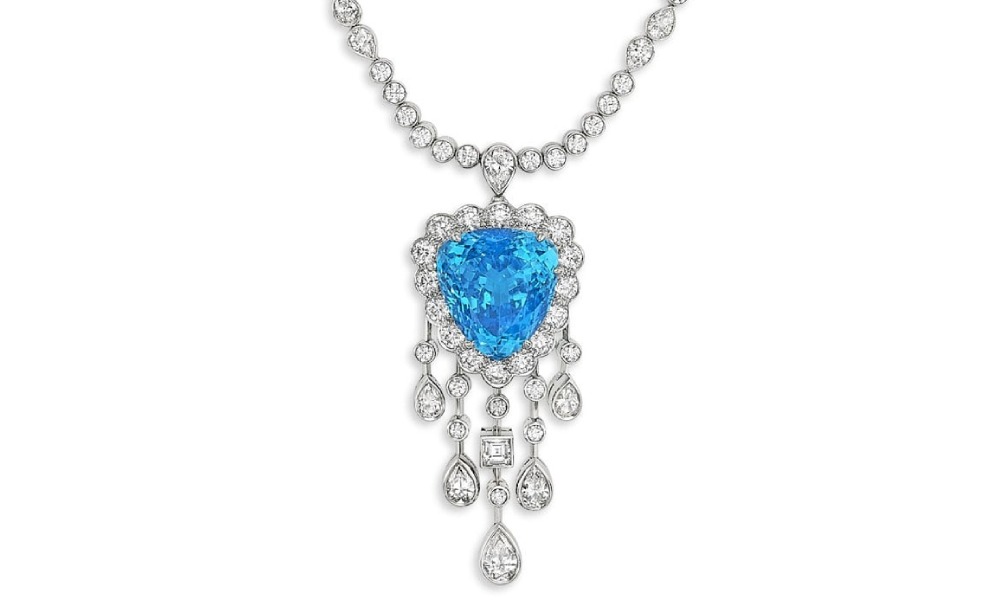
A Tiffany & Co. necklace shattered the world auction record for a Paraiba tourmaline at Christie’s New York, achieving an extraordinary $4.2 million—more than seven times its high estimate. The striking piece, centered on a 13.54-carat triangular modified brilliant-cut Paraiba tourmaline and accented with an array of round, pear and square-shaped diamonds, soared past its expected ceiling of $600,000 to become the top lot of the Magnificent Jewels sale held on December 10.
Christie’s reported that the auction totaled $46.5 million with an impressive 95% sell-through rate, reflecting robust demand for exceptional gemstones and signed jewels. Highlights included strong results for pieces by Harry Winston, Van Cleef & Arpels, and Cartier, all of which attracted enthusiastic bidding from collectors.
Kashmir Sapphires Lead the Charge
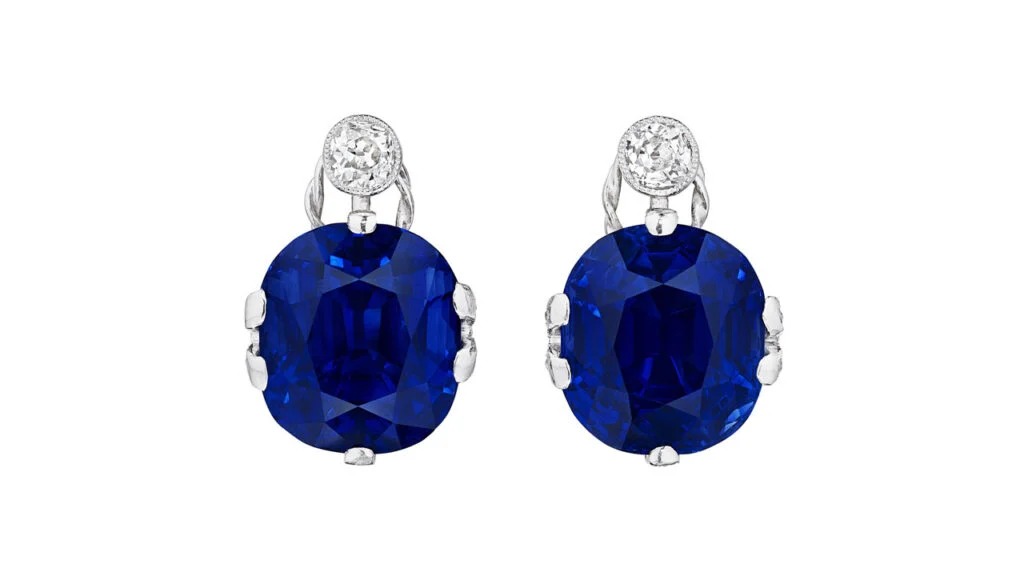
One of the most impressive results came from a pair of circa 1910 antique earrings featuring two cushion mixed-cut Kashmir sapphires of 11.92 and 12.61 carats, suspended from old-cut diamonds. The earrings achieved $3.1 million, doubling their estimate of $1.5 million to $2 million.
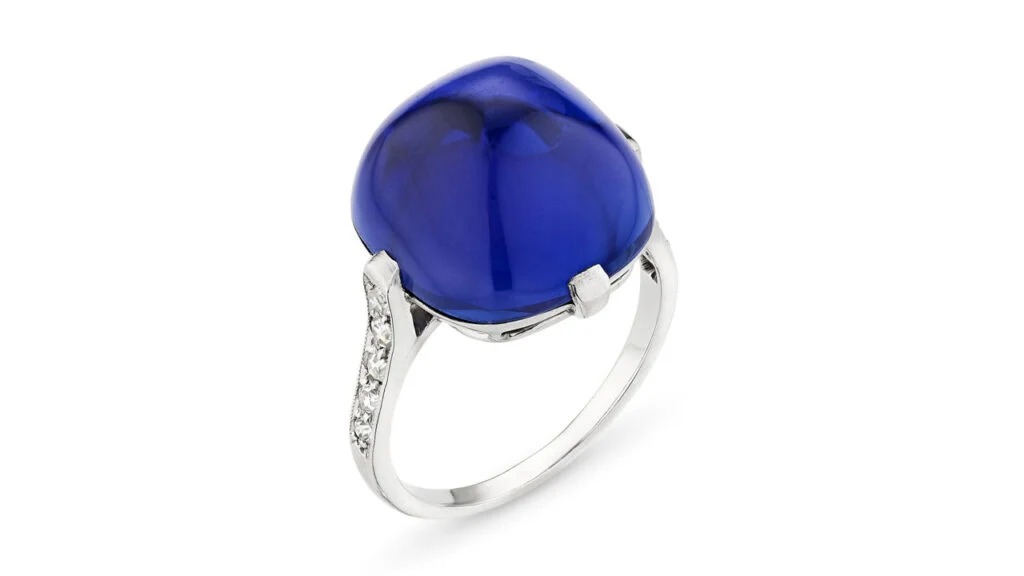
Another standout was an Art Deco Cartier ring from around 1925, centering the famed 17.66-carat Rockefeller Kashmir sapphire. Set as a sugarloaf cabochon with single-cut diamonds, the ring sold for $2.6 million, within its estimate of $1.5 million to $2.5 million.
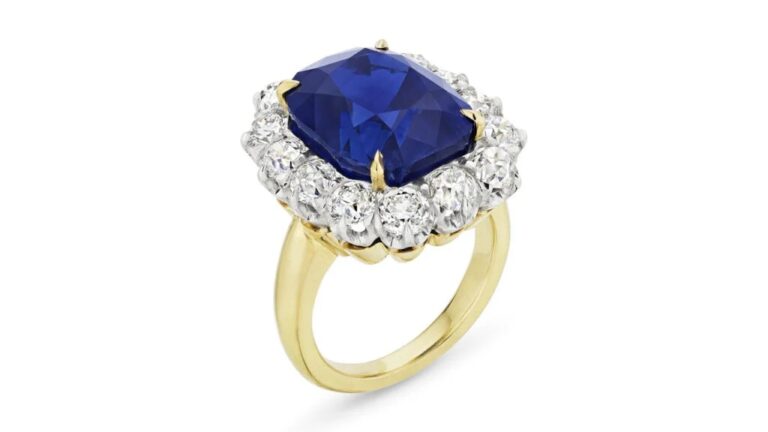
A third Kashmir sapphire highlight was a cushion mixed-cut, 16.23-carat stone surrounded by old-cut diamonds. It soared to $1.8 million, far exceeding its $500,000 to $700,000 estimate.
Exceptional Diamonds Impress
High-quality diamonds also drew strong attention:
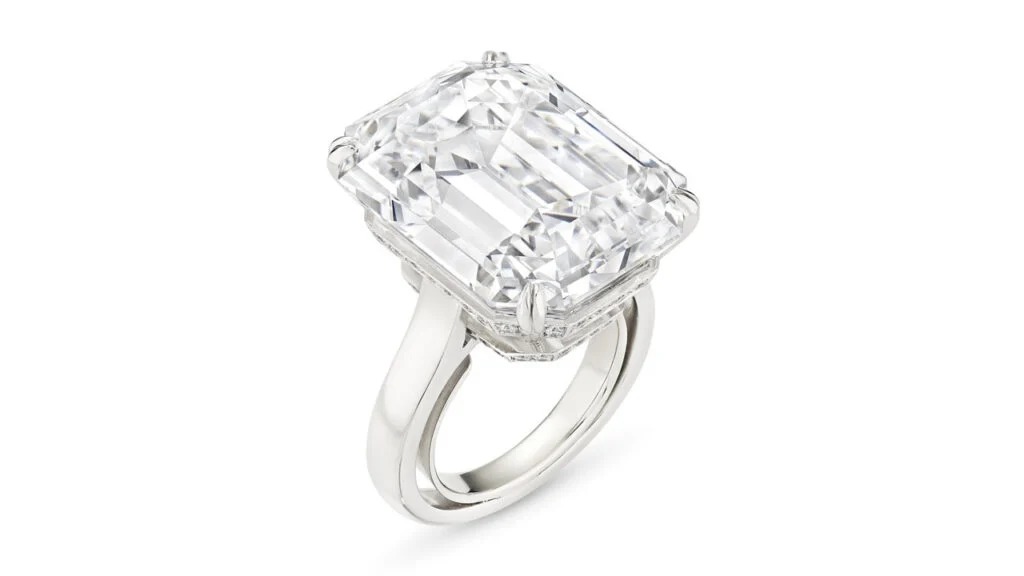
A ring featuring a 27.19-carat, D-color, VS1, type IIa emerald-cut diamond closed at $1.9 million, comfortably above its estimate of $1.4 million to $1.8 million.
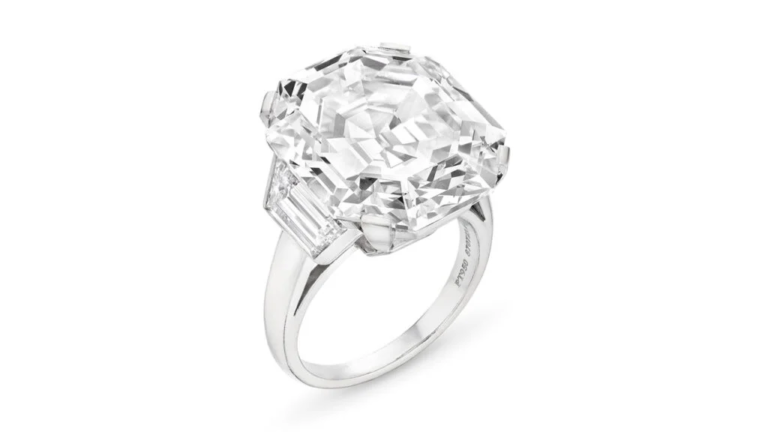
A Cartier ring showcasing a 23.03-carat, D, VVS2 rectangular step-cut diamond flanked by trapezoid diamonds sold for $1.1 million (estimate: $800,000 to $1.2 million).
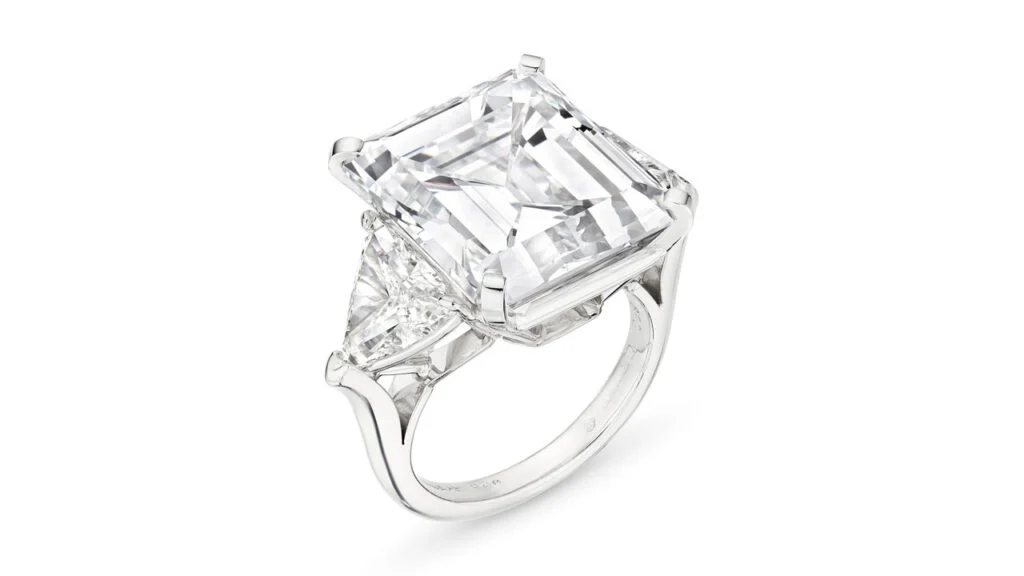
A ring once owned by Barbara and Frank Sinatra, set with a 20.60-carat, D, VVS1 emerald-cut diamond between triangular diamonds, achieved $990,600.
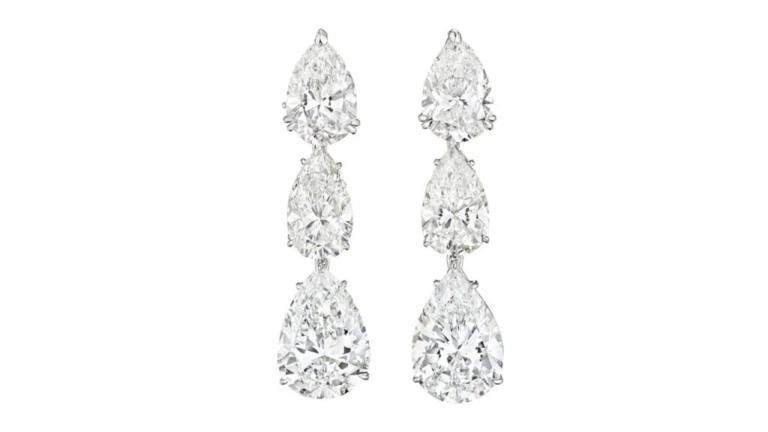
A dramatic pair of diamond earrings featuring three pear-shaped diamonds each also performed well. With stones ranging from 11.36 carats (D, VS2) to 5.13 carats (E–I, VS2–I1), the set sold for $863,600 against an estimate of $500,000 to $700,000.
Color Gemstones See Surprising Momentum
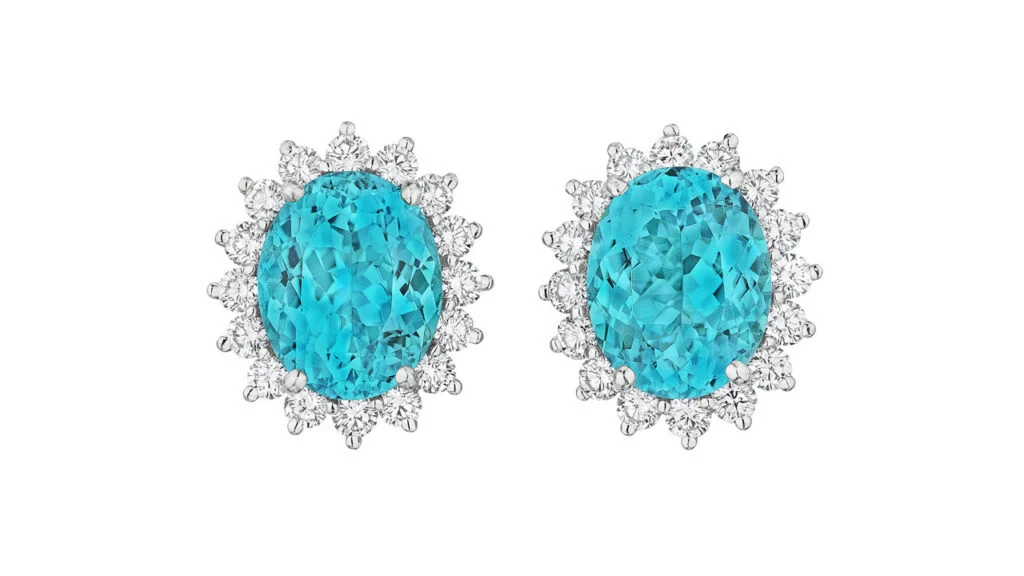
In a notable win for color, a pair of Tiffany & Co. earrings featuring two oval modified brilliant-cut Paraiba tourmalines weighing 3.19 and 3.45 carats framed in round diamonds achieved $1.3 million—a dramatic leap over their presale estimate of $120,000 to $180,000.
Designer Pieces Close the Sale Strong
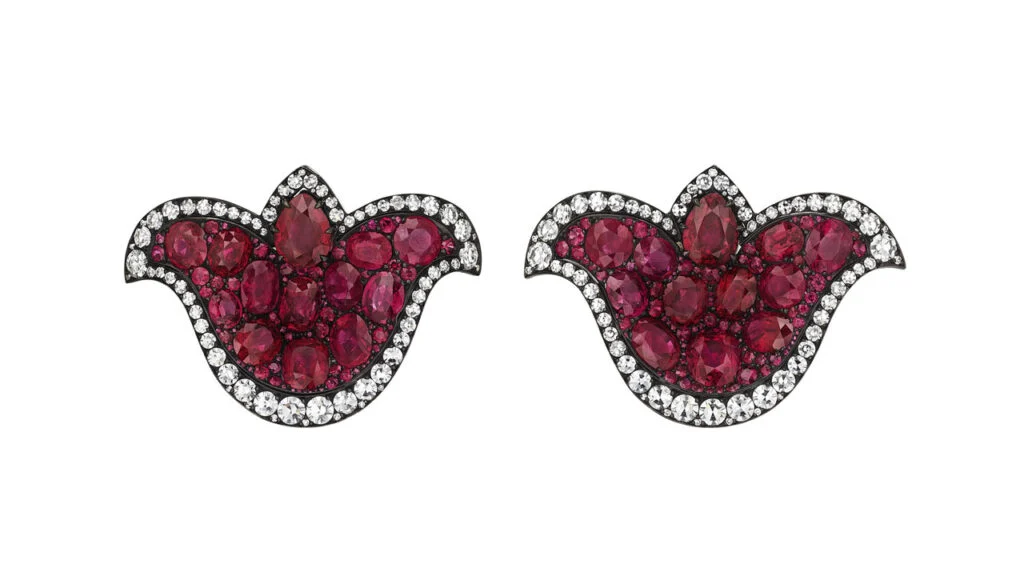
Rounding out the top lots were vibrant JAR earrings set with cushion, oval, pear, and round rubies surrounded by round diamonds. The iconic piece sold for $787,400, surpassing expectations of $400,000 to $600,000.


DiamondBuzz
Kylie Jenner Debuts At Victoria’s Secret Show In $50 Million Fantasy Bra By Jacob & Co.
Kylie Jenner Walks The Ramp In Bra Crafted By Jacob & Co. From 4,410 Natural Diamonds Surrounding A 75.54-Carat Radiant-Cut Fancy Vivid Yellow Diamond

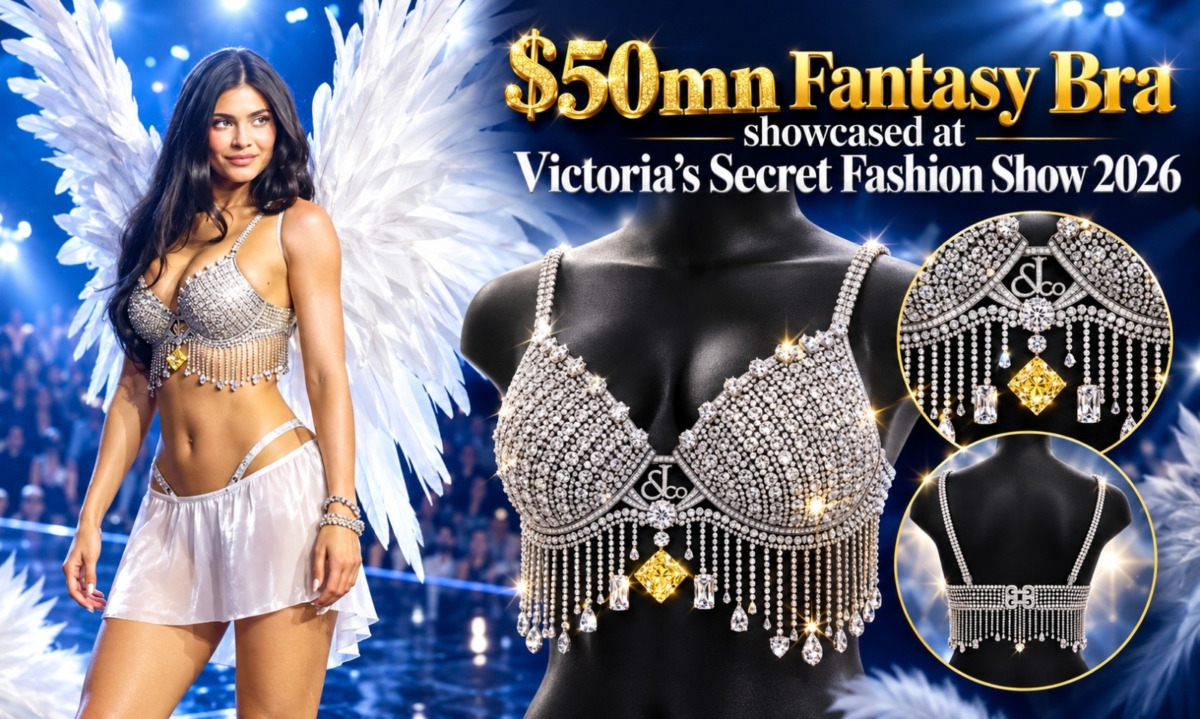
This year, the famous Fantasy Bra returned to the runway for the first time since 2018. Made by New York jeweler Jacob & Co., it costs $50 million—making it the most expensive Fantasy Bra ever and about $35 million more expensive than any previous version.
Making her Victoria’s Secret Fashion Show runway debut,Kylie Jenner wore the show-stopping bedazzled bra, a gauzy white mini skirt and expansive white feathered angel wings.
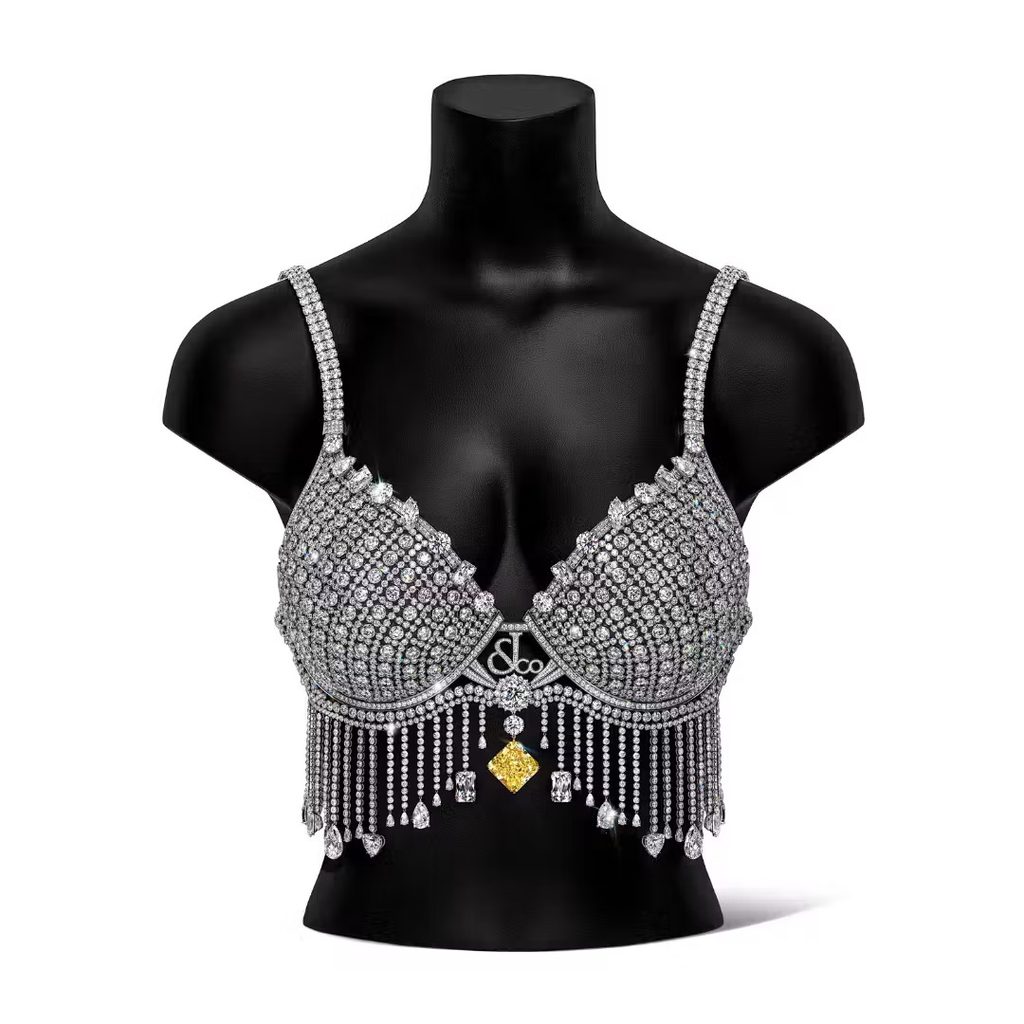
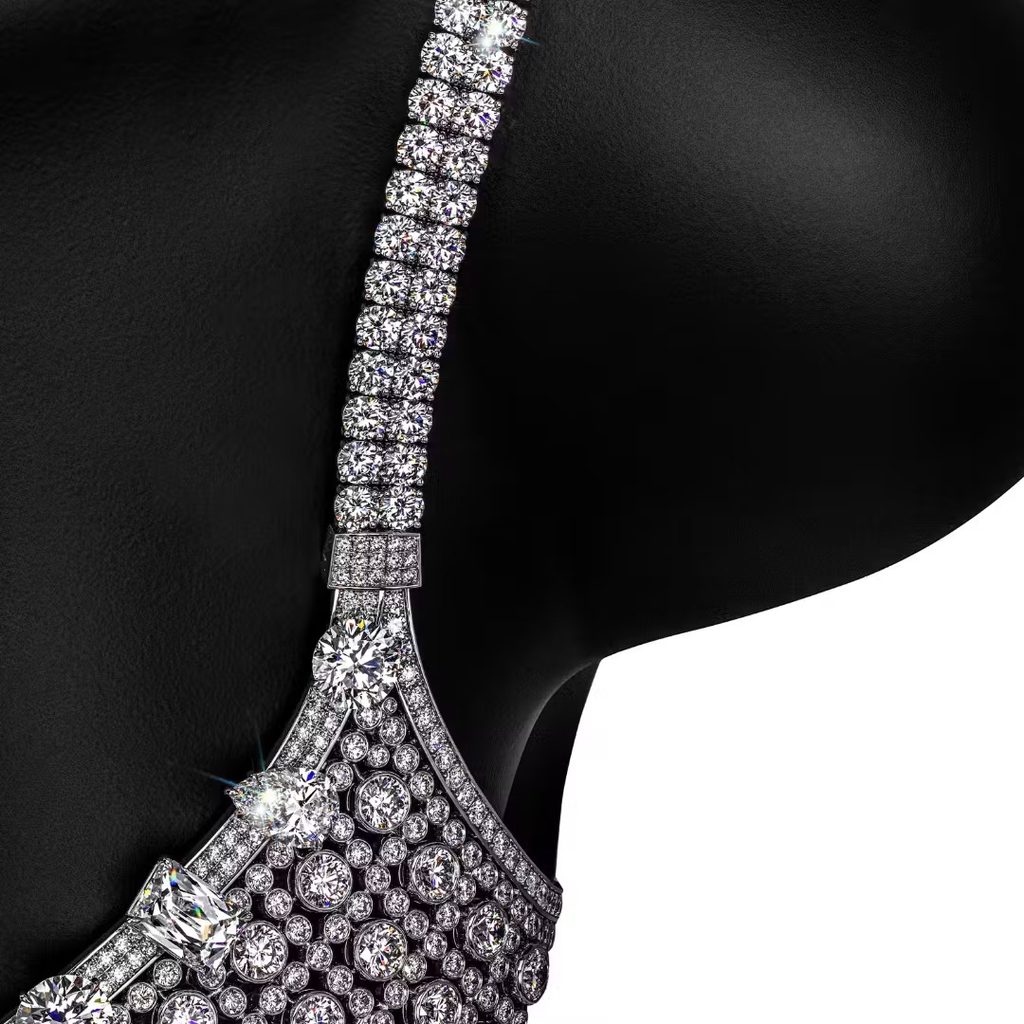
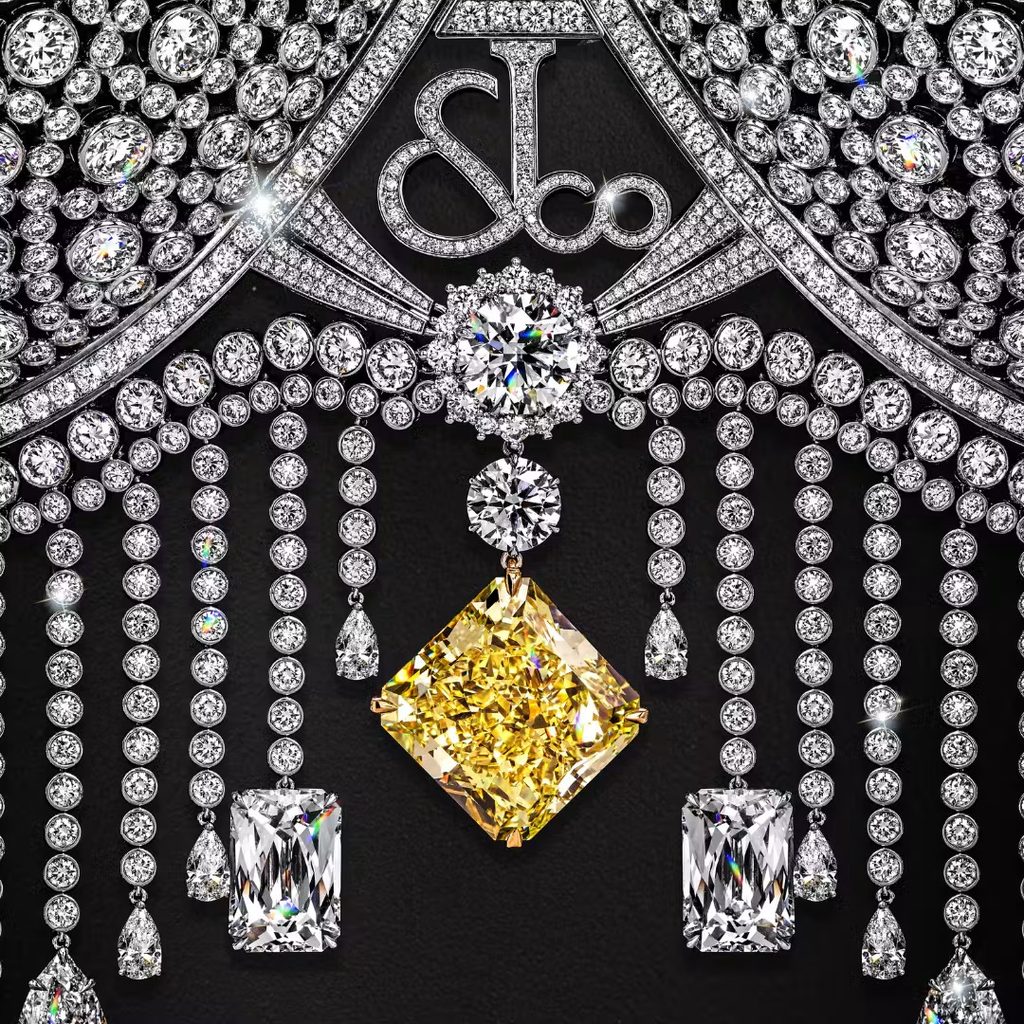
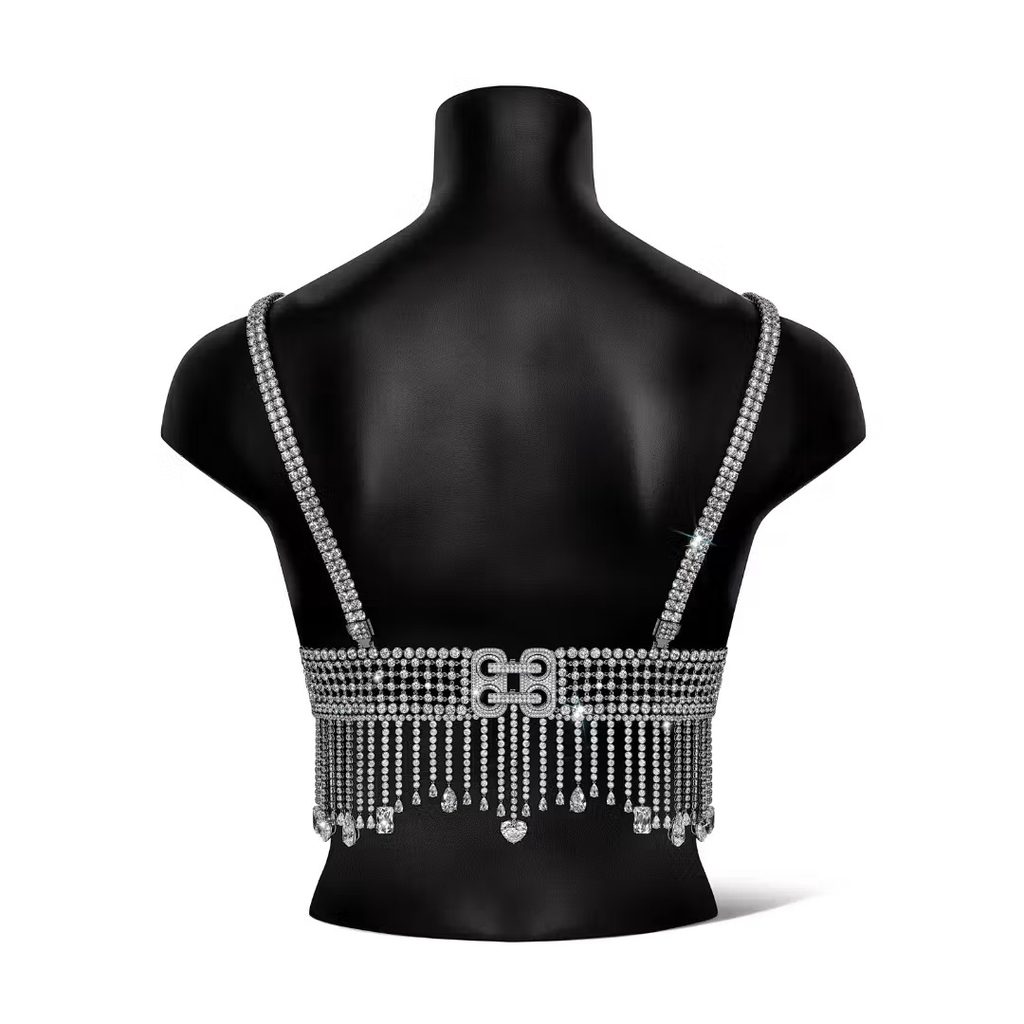
The bra features 4,410 natural diamonds set around a large, bright yellow 75.54-carat diamond. A team of 15 craftspeople spent over 1,000 hours creating the piece, which weighs just under two kilograms (about 4.4 pounds).



Malabar Gold & Diamonds Unveils ‘SWAYE’, A Natural Diamond Collection Inspired By Spiral Forms and Modern Elegance

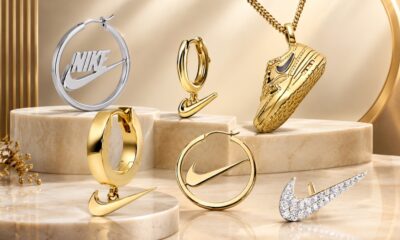
Nike Enters Jewellery Market With First-Ever Collection Priced Up To $5,750

Kylie Jenner Debuts At Victoria’s Secret Show In $50 Million Fantasy Bra By Jacob & Co.

Limelight Lab Grown Diamonds Crosses 100 Stores Milestone This Dussehra: Targets 200 In 2027
Malabar Gold & Diamonds Unveils ‘SWAYE’, A Natural Diamond Collection Inspired By Spiral Forms and Modern Elegance

De Beers Q3 Sales Volume Rises 71% Year On Year On Price Cuts
-
 National News2 days ago
Limelight Lab Grown Diamonds Crosses 100 Stores Milestone This Dussehra: Targets 200 In 2027
-
 BrandBuzz58 minutes ago
Malabar Gold & Diamonds Unveils ‘SWAYE’, A Natural Diamond Collection Inspired By Spiral Forms and Modern Elegance
-
 DiamondBuzz4 hours ago
De Beers Q3 Sales Volume Rises 71% Year On Year On Price Cuts
-
 DiamondBuzz2 hours ago
Kylie Jenner Debuts At Victoria’s Secret Show In $50 Million Fantasy Bra By Jacob & Co.
