
International News
Chow Sang Sang sees 15% decline in sales, 20% drop in profit


Chow Sang Sang’s- China’s third biggest jewelry retailer (by revenue) – 2024 financial results reveal a company grappling with significant headwinds in its core markets. The reported net loss of 74 stores out of 1,032, coupled with a 15% decline in sales and a 20% drop in profit, paints a picture of a retailer under considerable pressure.
Significant Closures: The closure of 122 stores, predominantly in Mainland China, highlights a strategic retreat in response to declining sales. This indicates a recognition of over-saturation or underperforming locations. Limited Expansion: Opening only 48 stores suggests a conservative approach, focusing on optimizing existing resources rather than aggressive expansion.Future Uncertainty: The company’s statement regarding “prudent… physical store network consolidation” implies further closures are possible, reflecting a pessimistic outlook on near-term market recovery.
Revenue Decline: The 15% drop in revenue (HKD 21.18bn) signifies a substantial reduction in consumer spending on jewelry .Profit Slump: The 20% decrease in profit (HKD 805.6m) underscores the impact of reduced sales and potentially heightened operational costs.Same-Store Sales Decline: The steep decline in same-store sales (38% in Mainland China and 24% in Hong Kong and Macau) indicates a systemic issue, not just localized problems. This suggests a broader consumer shift away from jewelry purchases.
Weak Demand: The report attributes the poor performance to “weak demand,” suggesting a shift in consumer preferences or reduced discretionary spending.Record-High Gold Prices: Elevated gold prices likely impacted affordability, particularly for gold jewelry, potentially driving consumers to alternative investments or postponing purchases.Economic Slowdown: The economic slowdown in China, Hong Kong, and Macau created a challenging retail environment, affecting consumer confidence and spending.Declining Diamond Demand: The report specifically mentions a drop in diamond demand as a primary driver of the same-store sales decline. This may indicate a shift in consumer preference away from diamonds, or a reduction in high value purchases in general.
Focus on Cost Optimization: The store closures indicate a focus on cost reduction and operational efficiency.Potential Product Diversification: The decline in diamond demand may necessitate a strategic shift towards other product categories or price points.
E-commerce and Online Strategies: In a challenging physical retail environment, strengthening online sales channels becomes crucial.Market Adaptability: The company’s ability to adapt to changing consumer preferences and economic conditions will be critical for its future performance.






International News
Indian Consulate In New York Hosts India-USA Virtual Jewellery Exhibition; Facilitated By GJEPC
The Exhibition Brought Together 35 Indian Companies, Many Of Them Micro, Small and Medium Enterprises (MSMEs), Offering US Buyers An Opportunity To Explore Indian Jewellery Collections and Establish Direct Business Connections.

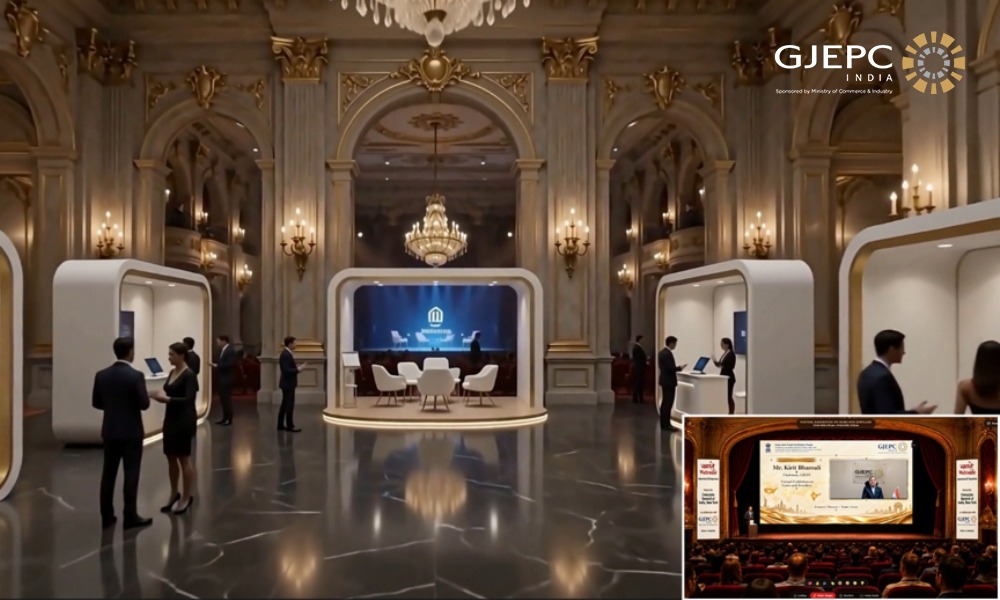
The Consulate General of India in New York, in collaboration with the Gem & Jewellery Export Promotion Council (GJEPC), organised the India-USA Virtual Exhibition on Gems & Jewellery on 23 October 2026, connecting Indian exporters with American buyers through a digital platform.
The inaugural ceremony featured welcome remarks by Ambassador HE . Binaya S. Pradhan, Consul General of India in New York, an inaugural address by Kirit Bhansali, Chairman, GJEPC, and closing remarks by Rajlakshmi Kadam, Consul (Trade), Consulate General of India, New York.
The exhibition brought together 35 Indian companies, many of them micro, small and medium enterprises (MSMEs), offering US buyers an opportunity to explore Indian jewellery collections and establish direct business connections. The event was designed to help exporters reach new customers and develop partnerships in one of India’s most important markets.
Addressing participants, Kirit Bhansali, Chairman, GJEPC, highlighted the importance of the US market, which accounted for around 30% of India’s gem and jewellery exports, worth nearly US$10 billion, in FY2024-25. He noted that tariff uncertainty had affected trade significantly, with India’s gem and jewellery exports to the US falling by more than 44% between April and December 2025.
However, trade has begun to recover. Between April and September 2026, India’s gem and jewellery exports to the US grew nearly 6% year-on-year to almost US$3 billion, compared with US$2.77 billion in the corresponding period of 2025.
Kirit Bhansali also referred to progress on the proposed India-US Bilateral Trade Agreement, expressing hope that it would provide greater clarity and predictability for exporters and buyers once its terms are finalised.
With the US holiday season approaching, followed by Valentine’s Day and retailers’ sourcing plans for 2027, he urged American buyers to explore India’s manufacturing capabilities across diamonds, coloured gemstones and gold jewellery. He also encouraged buyers to engage directly with participating MSMEs, highlighting their skills, flexibility and ability to meet varied sourcing requirements.



Gargi By P N Gadgil & Sons Invites Women To #GETNOTICED This Diwali In New Campaign With Mithila Palkar

IBJA, SAARTHI 360 Sign MoU To Launch ‘NextGen CEO: Leadership for the Future’

Jos Alukkas Unveils New Website For A Seamless Online Jewellery Shopping Experience

Dhanteras Shopping Guide 2026:Gold, Silver, Diamonds & Festive Jewellery Trends To Watch

The Solenne Collection: A Celebration Of Diwali By Bharti Bangur Fine Jewels

From Diya Puja To Diwali Soirées: Jewellery Designed To Go Beyond The Festive Season
-
 JB Insights4 days ago
Dhanteras Shopping Guide 2026:Gold, Silver, Diamonds & Festive Jewellery Trends To Watch
-
 BrandBuzz5 days ago
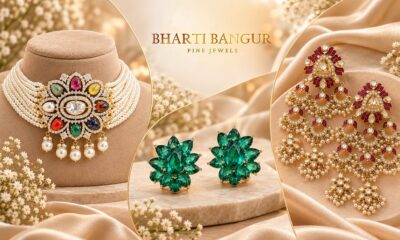
The Solenne Collection: A Celebration Of Diwali By Bharti Bangur Fine Jewels
-
 BrandBuzz5 days ago
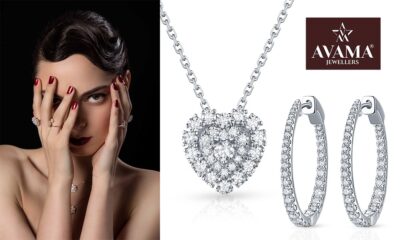
From Diya Puja To Diwali Soirées: Jewellery Designed To Go Beyond The Festive Season
-
 National News4 days ago
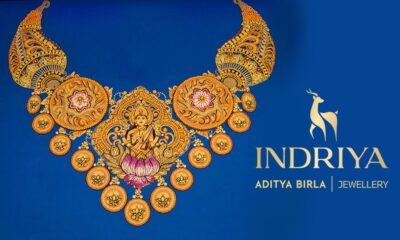
Indriya, Aditya Birla Jewellery Unveiled India’s Largest Sustainable Jewellery Rangavalli
