National News
Budget is pushing gold-related policy suggestions into focus.


As Finance Minister Nirmala Sitharaman prepares to present the Union Budget on February 1, the “yellow metal” has shifted from a traditional household hedge to a high-stakes policy challenge. With global gold prices flirting with the $5,000/oz milestone and domestic rates hitting unprecedented highs of Rs.1.5 lakh per 10 grams, the government faces a delicate balancing act between consumer relief and macroeconomic stability.
1. The Import Duty Tug-of-War
The 2024 decision to slash basic customs duty from 15% to 6% was a landmark move that successfully halved gold smuggling cases. However, the 2025-26 price rally has effectively wiped out those gains for the end consumer.
- The Argument for a Cut: Industry bodies are pushing for a further reduction (potentially to 4%) to align domestic prices with global benchmarks. Proponents argue this would further formalize the market and boost the competitiveness of India’s gem and jewellery exports.
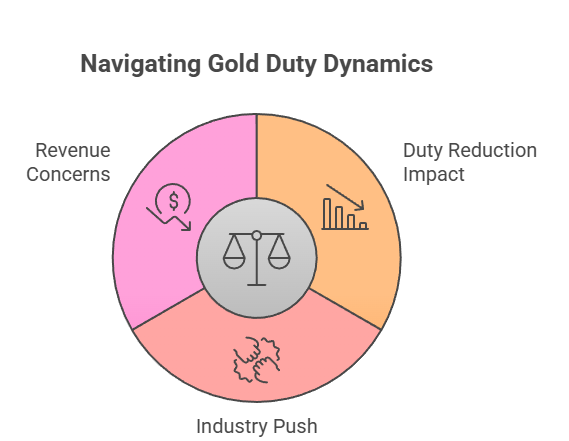
- The Revenue Constraint: While a duty cut helps consumers, the government must weigh this against a widening Current Account Deficit (CAD). With gold import values rising 16% year-on-year (reaching ~$51 billion), further slashing duties could inadvertently encourage higher dollar outflows.
2. Monetizing “Idle” Wealth
A core theme emerging for Budget 2026 is the transition from physical to digital gold. Indian households hold an estimated $4 trillion in gold—nearly matching the nation’s GDP.
- Sovereign Gold Bond (SGB) Revival: There is significant pressure to relaunch SGB tranches. These bonds are seen as a “win-win”: they provide the government with capital without the physical import burden, while offering investors tax-free capital gains and interest.
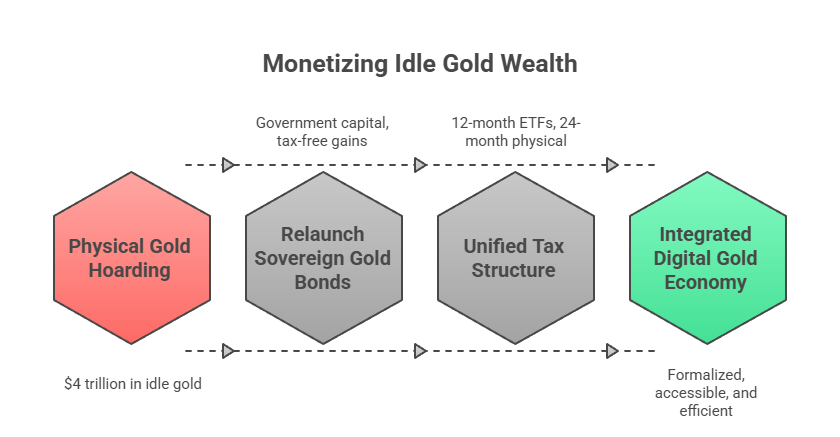
- Tax Parity: Experts are calling for a unified tax structure. Currently, Gold ETFs become “long-term” after 12 months, whereas physical gold and gold mutual funds require 24 months. Correcting this disparity could be a key “Viksit Bharat” move to integrate gold into the formal economy.
3. The Industrial & Geopolitical Context
Unlike previous years, the 2026 budget is set against a backdrop of unique global pressures:
- Safe-Haven Rush: Geopolitical tensions and US rate cuts have driven a 67% price surge in 2025.
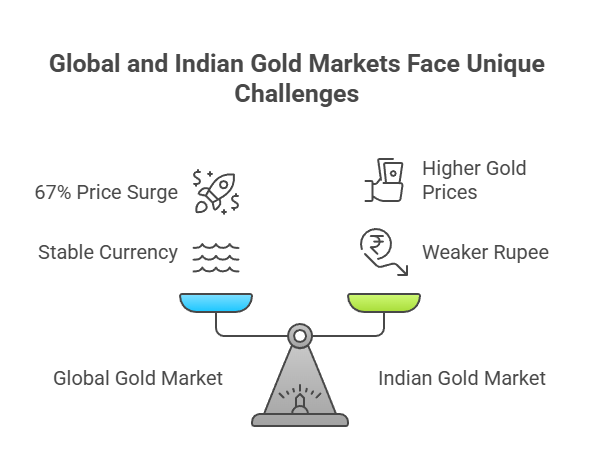
- Currency Volatility: A weaker Rupee has amplified global price hikes, making gold significantly more expensive for Indian buyers compared to international spot rates.




National News
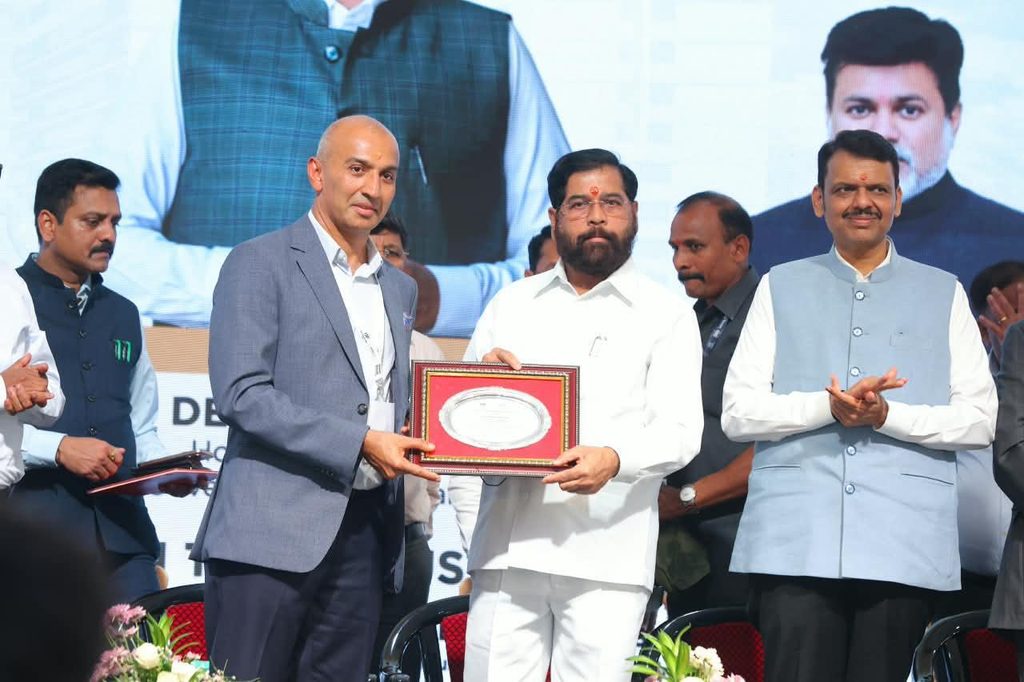
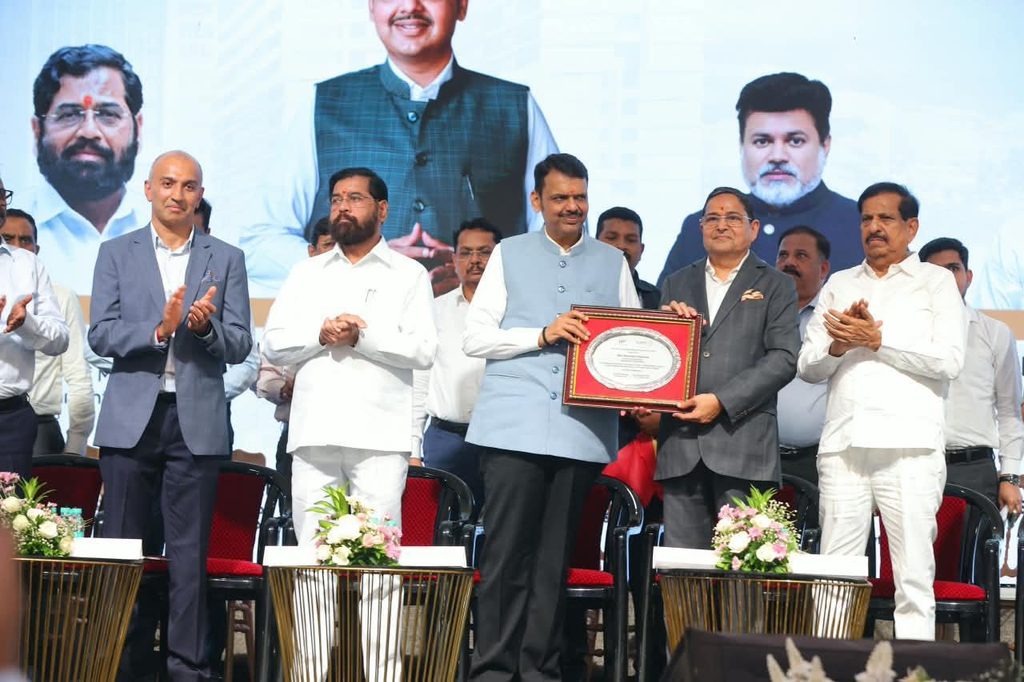
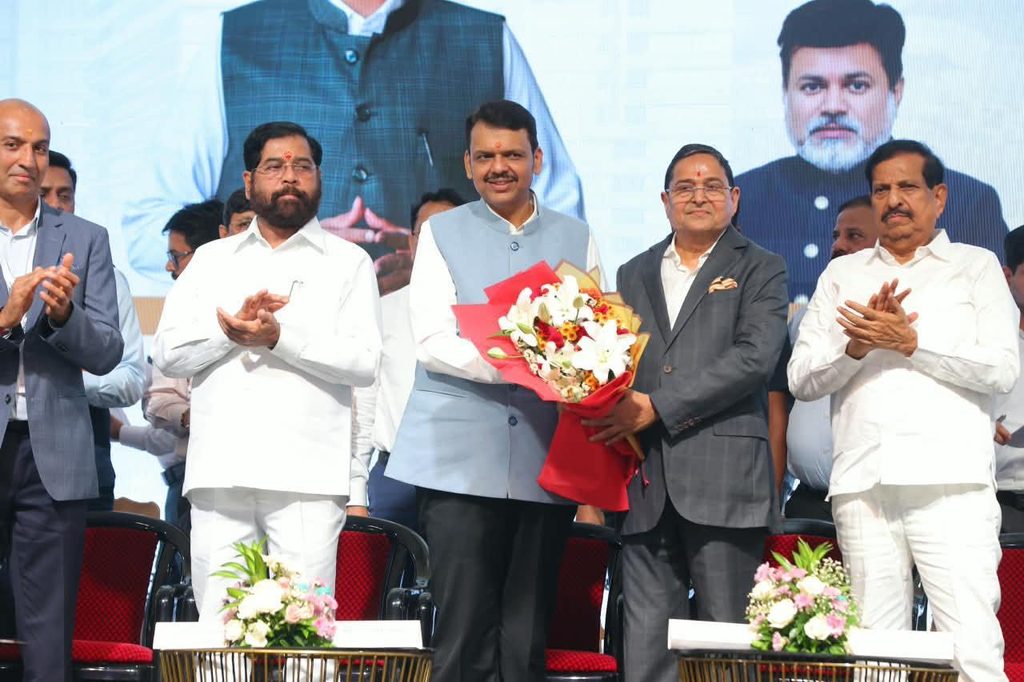
GJEPC Marks Commencement Of Construction Of India Jewellery Park Mumbai, A Landmark Project In Presence Of Hon’ble CM Devendra Fadnavis

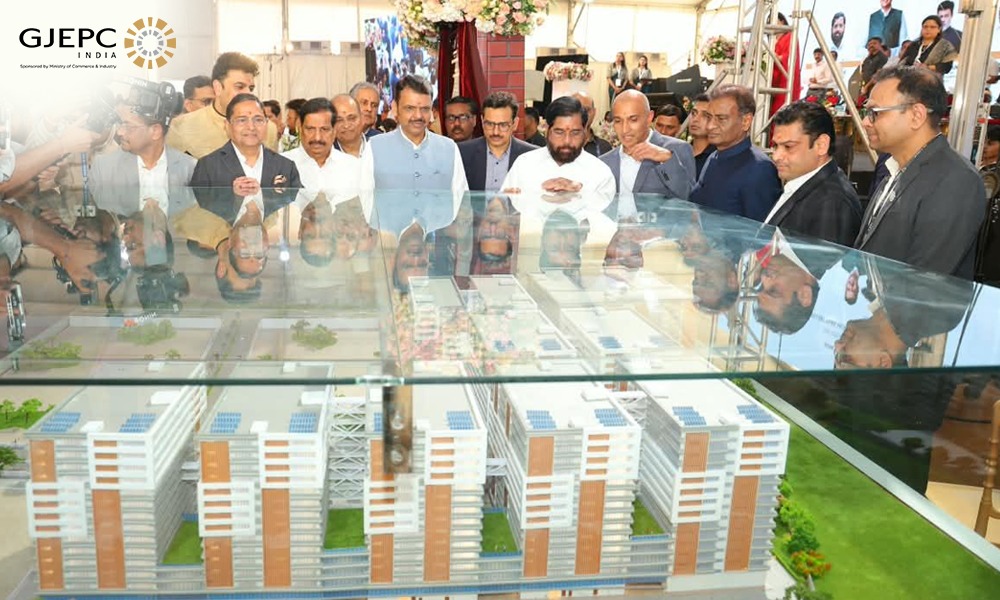
- Phase 1 to cover 24.97 lakh sq. ft. of construction area; landmark project aims to strengthen India’s jewellery manufacturing ecosystem, attract investment and create employment opportunities
- Manufacturing spaces for large and medium units will offer floor plates ranging from 1,000 to 25,000 sq. ft., catering to businesses of different scales.
- Prices starts from Rs. 10400/sq. ft., zero stamp duty and zero transfer charges.
The Gem & Jewellery Export Promotion Council (GJEPC) today marked a historic milestone in the development of India Jewellery Park Mumbai (IJPM) with the commencement of construction at Mahape, Navi Mumbai. The ceremony marks the transition of this long-cherished industry vision into the construction phase, bringing India’s ambition to establish a world-class, integrated jewellery manufacturing hub a significant step closer to reality.
The ceremony was attended by Devendra Fadnavis, Hon’ble Chief Minister of Maharashtra; Eknath Shinde, Hon’ble Deputy Chief Minister of Maharashtra; Ganesh Naik, Hon’ble Minister for Forests, Government of Maharashtra; Mandatai Mhatre, Member of the Maharashtra Legislative Council, Belapur Constituency, Navi Mumbai; Dr. P. Anbalagan, Principal Secretary (Industries, Investment & Services) and CEO, Invest Maharashtra, Government of Maharashtra; Deependra Kushwah, CEO, MIDC; Sandeep Ganesh Naik, Former member of legislative assembly, Maharashtra; Shri Kirit Bhansali, Chairman, GJEPC; Shaunak Parikh, Vice Chairman, GJEPC; Anil Virani, Convener, Audit & Finance, GJEPC; Anoop Mehta, Project Convener, India Jewellery Park Mumbai; Pramod Agrawal, Chairman, National Gems & Jewellery Council of India; Rajesh Rokde, Chairman, GJC; Colin Shah, former Chairman, GJEPC; Saurabh Gadgil, Chairman and MD, PNG Jewellers; Sabyasachi Ray, ED, GJEPC and Sanjiv Sharma, Director, ACIL.
Spread across 21.30 acres in Mahape, Navi Mumbai, India Jewellery Park Mumbai is planned with a total construction area of approximately 65.61 lakh sq. ft. and a carpet area of 34.35 lakh sq. ft. The development will comprise 10 blocks: eight blocks for large and medium manufacturing units, one block for small manufacturing units and one block for commercial offices. Manufacturing spaces for large and medium units will offer floor plates ranging from 1,000 to 25,000 sq. ft., catering to businesses of different scales. Prices start from Rs. 10400/sq. ft., zero stamp duty and zero transfer charges.
Phase 1 will cover four blocks—A4, A5, A6 and A7—with a planned construction area of 24.97 lakh sq. ft. and a carpet area of 13.32 lakh sq. ft. All statutory approvals have been obtained and bank financing has been approved.
Devendra Fadnavis, Hon’ble Chief Minister of Maharashtra said, “The India Jewellery Park Mumbai is the future of our gem and jewellery industry. With the commencement of construction, we are taking a decisive step towards creating world-class infrastructure that will strengthen manufacturing, attract investments and generate employment. With an estimated investment potential of ₹50,000 crore and the capacity to create around one lakh direct and indirect jobs, the Park will be a major catalyst for Maharashtra’s economic growth.
As India expands its global trade partnerships through Free Trade Agreements (FTAs) with key markets, our industry stands to gain new opportunities for exports, market access and international collaboration. The India Jewellery Park Mumbai will provide the infrastructure and ecosystem needed to seize these opportunities and take Indian jewellery manufacturing to greater heights. Maharashtra is committed to supporting this growth through progressive policies, a business-friendly environment and strong infrastructure. Together with GJEPC, we are laying the foundation for a stronger, more competitive and globally connected gem and jewellery industry.”
Eknath Shinde, Deputy Chief Minister of Maharashtra said:
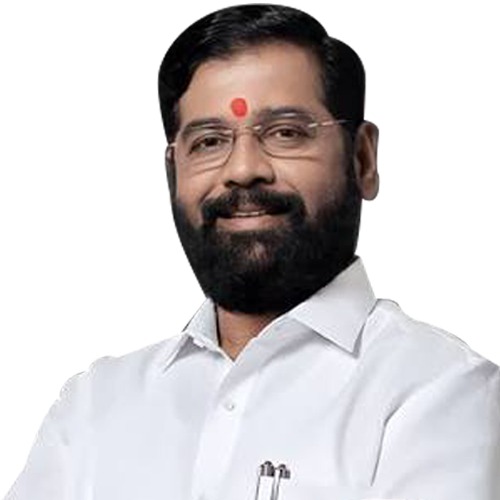
“India Jewellery Park Mumbai is a landmark project that will give fresh impetus to Maharashtra’s economic growth. From Zaveri Bazaar, SEEPZ to Bharat Diamond Bourse, Maharashtra has built a strong legacy in this industry. India Jewellery Park Mumbai will take that legacy forward by bringing manufacturing, skilled artisans, design, technology and innovation together under one roof.
Our artisans and skilled designers are the backbone of this industry. Through skill development, we will create new opportunities for our youth, empower our workforce and help our manufacturers compete on the global stage. This is not just a project for the gem and jewellery industry; it is an important step towards building a stronger, more self-reliant Maharashtra.”
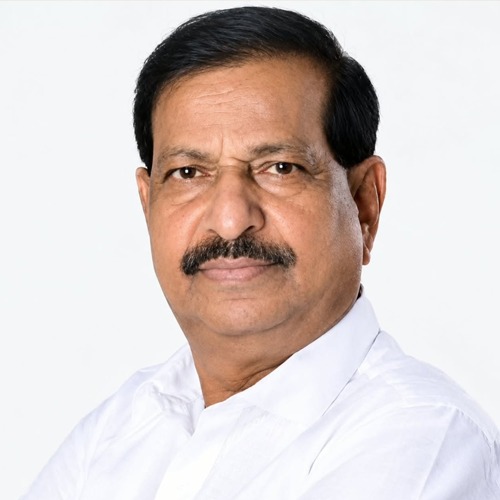
Ganesh Naik, Minister of Forests, Government of Maharashtra said:
“Maharashtra has always been at the forefront of India’s economic and industrial growth. The India Jewellery Park Mumbai (IJPM) in Navi Mumbai will be a major milestone in strengthening the state’s position as a global hub for the gems and jewellery industry. With the support of the government and industry stakeholders, this landmark project will create new opportunities for investment, employment and growth, while giving a strong boost to the sector. IJPM will contribute to Maharashtra’s economic progress and help realise the vision of a developed India, as envisaged by Hon’ble Prime Minister Shri Narendra Modi under Viksit Bharat.”
Kirit Bhansali, Chairman, GJEPC said:
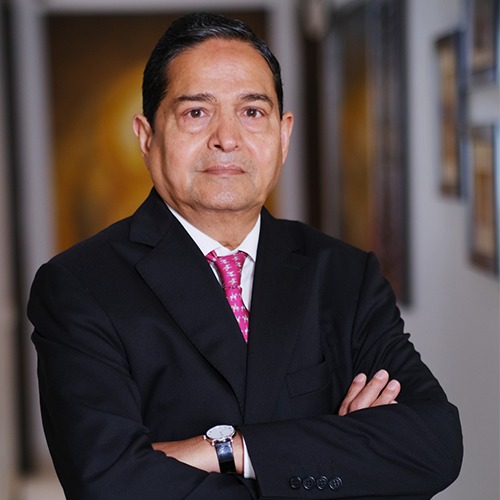
“India Jewellery Park Mumbai will be a game-changer for India’s gem and jewellery industry. By bringing manufacturers, artisans and allied services under one roof, it will create new opportunities for MSMEs, encourage investment, generate employment and strengthen India’s jewellery manufacturing capabilities. With the support of the Maharashtra Government and the incentives offered under the Maharashtra Gems and Jewellery Policy 2025, the Park will help businesses grow, promote Indian jewellery brands and enhance our competitiveness in global markets.
It will be an important step towards achieving India’s ambitious gem and jewellery export targets and establishing Brand India as a global symbol of craftsmanship, quality and innovation.”
The project will benefit from the Maharashtra Government’s policy support for the gem and jewellery sector. Incentives outlined for eligible units include stamp duty and MIDC transfer fee exemptions, a 50% SGST waiver for the specified eligibility period, electricity duty exemptions and interest subsidies on term loans for MSMEs. Eligible lab-grown diamond units may also benefit from electricity tariff support, subject to the applicable conditions. A single-window clearance mechanism under the MAITRI policy is intended to simplify approvals and improve the ease of doing business.
The project has already generated encouraging interest from industry participants, with more than 70 companies expressing interest in investing in the Park. This response reflects industry confidence in the project’s potential and the opportunity to build a modern, globally competitive manufacturing ecosystem in Maharashtra.
The Maharashtra Government’s dedicated Gems and Jewellery Policy 2025 further strengthens the investment proposition by providing sector-specific support. The Park is expected to facilitate business expansion, create opportunities for skilled and semi-skilled workers, and strengthen the network of ancillary services that support jewellery manufacturing.
As construction commences, GJEPC has called upon manufacturers, jewellery businesses and other industry stakeholders to participate in the project and explore opportunities to establish their units at the Park. The development is intended to serve as a shared industry asset—one that supports the next phase of growth in Indian jewellery manufacturing and enhances the country’s global competitiveness.



GJEPC Marks Commencement Of Construction Of India Jewellery Park Mumbai, A Landmark Project In Presence Of Hon’ble CM Devendra Fadnavis

Joyalukkas Breaks Two Guinness World Records Titles With The World’s Heaviest and Largest Pair Of Gold Earrings

Indian Consulate In New York Hosts India-USA Virtual Jewellery Exhibition; Facilitated By GJEPC

Dhanteras Shopping Guide 2026:Gold, Silver, Diamonds & Festive Jewellery Trends To Watch

Indriya, Aditya Birla Jewellery Unveiled India’s Largest Sustainable Jewellery Rangavalli

From Diya Puja To Diwali Soirées: Jewellery Designed To Go Beyond The Festive Season
-
 JB Insights3 days ago
Dhanteras Shopping Guide 2026:Gold, Silver, Diamonds & Festive Jewellery Trends To Watch
-
 National News3 days ago
Indriya, Aditya Birla Jewellery Unveiled India’s Largest Sustainable Jewellery Rangavalli
-
 BrandBuzz3 days ago
From Diya Puja To Diwali Soirées: Jewellery Designed To Go Beyond The Festive Season
-

 BrandBuzz3 days ago
The Solenne Collection: A Celebration Of Diwali By Bharti Bangur Fine Jewels