
National News
AUGMONT WEEKLY BLOG:Gold on beast mode as Liberation Day approaches


Gold has continued its terrific run, on beast mode, hitting $3177 (Rs 91400) to set another milestone, as uncertainty about tariffs that would drive inflation and deteriorate economic development boosted safe-haven demand and maintained gold on track for its best quarter since 1986. The buying demand in gold continues unabated, with markets scrambling for shelter in the traditional store of wealth amid concerns over US President Donald Trump’s tariff plans on ‘Liberation Day’, April 2.
What is Liberation Day?
As per Wikipedia, “Liberation Day is a day, often a public holiday, that marks the liberation of a place, similar to an Independence Day. Liberation marks the date of either a revolution, as in Cuba, the fall of a dictatorship, as in Syria, or the end of the occupation by another state, as in the Netherlands, thereby differing from the original independence day or creation of statehood, while in Italy commemorates the victory of the Italian resistance movement against Nazi Germany and the Italian Social Republic, a puppet state of the Nazis and rump state of the fascists, the culmination of the liberation of Italy from German occupation and the Italian civil war in the latter phase of World War II”.
US Liberation Day on April 2
Donald Trump has threatened a “Liberation Day” with tariffs on countries having persistent trade deficits with the US. On Wednesday, April 2, the world will learn about Donald Trump’s new style of doing business with almost everyone. That is when the White House will unveil its tariff plan, which includes duty increases for all countries that trade products and services with the United States. Trump has not hinted at imposing a levy on gold, but the prospect of such a move has pushed prices to their current levels. Is gold taxed on imports? We find out on Wednesday. Until then, speculation is likely to continue in full swing.
Trump rattling the markets
Furthermore, US President Donald Trump shook markets last week by placing 25% tariffs on all non-American vehicles and light trucks ahead of the so-called reciprocal tariffs, which are scheduled to take effect on April 2. On Sunday, Trump expressed his rage and frustration with Russian President Vladimir Putin, threatening large tariffs on Russian energy and even bombings in Iran. He also stated that if he believes Moscow is impeding his efforts to end the Ukraine conflict, he will slap secondary tariffs ranging from 25% to 50% on Russian oil customers. Trump also slammed Ukrainian President Volodymyr Zelenskiy, warning that he would suffer serious consequences if he pulled out of the important rare earth minerals deal. This further weighs on investors’ sentiment and contributes to the global flight to safety.
What next?
Bullion is up around 18% this year after climbing more than 27% in 2024, owing to a favorable monetary policy background, significant central bank buying, and demand for exchange-traded funds, among other things. This comes on top of continuing concerns over slowing US economic growth, which drives stagflation fears, pulling the US Dollar down and providing more support to gold.
The next resistance for gold is $3210(~Rs 92000) while Silver is stuck in the range of $33 to $35, prices need to sustain above its $35 resistance to head higher towards $38.








National News
IBJA, SAARTHI 360 Sign MoU To Launch ‘NextGen CEO: Leadership for the Future’
Executive Education Initiative To Equip The Next Generation Of Jewellery Manufacturers With The Leadership Capabilities, Strategic Perspective and Decision-Making Skills Required To Lead Family Businesses.

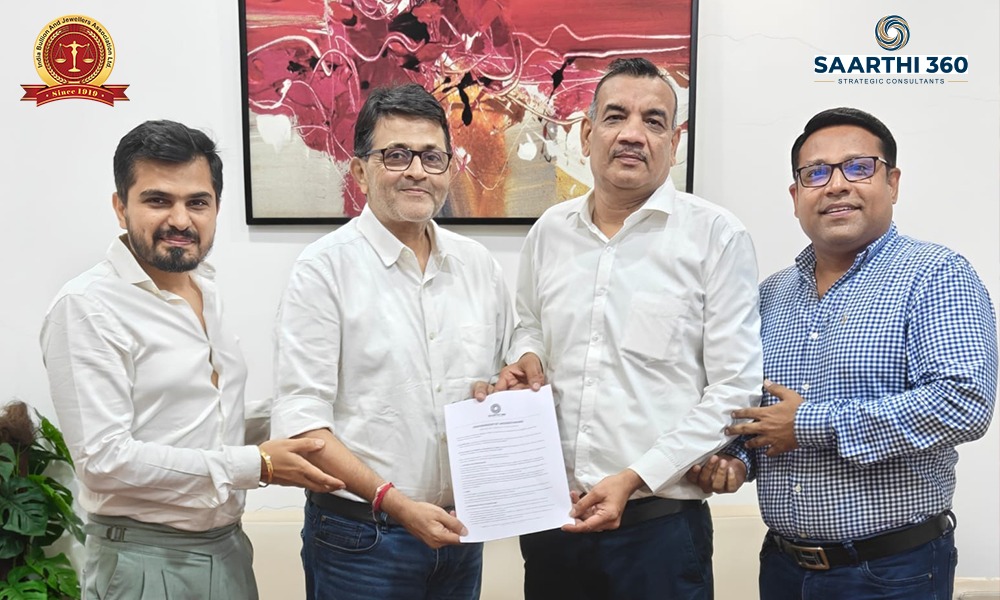
The India Bullion and Jewellers Association (IBJA) and SAARTHI 360 have signed a Memorandum of Understanding (MoU) to launch ‘NextGen CEO: Leadership for the Future’, an executive education programme designed to prepare the next generation of jewellery manufacturers for CEO and senior leadership roles in family-owned businesses.
The programme will help emerging leaders move beyond day-to-day operations by strengthening their strategic thinking, leadership judgement and managerial capabilities to improve organisational performance and support sustainable growth.
Building the Next Generation of Jewellery Business Leaders
Centred on ‘NextGen CEO — Becoming the CEO of a Family Jewellery Business’, the programme addresses leadership succession and executive decision-making in family-owned jewellery enterprises.
- Understanding the CEO’s role: Defining a CEO’s responsibilities and expectations in a jewellery business.
- Clarifying leadership and governance roles: Distinguishing among an owner, promoter, director, managing director and CEO.
- Strategic leadership versus daily operations: Moving from routine management to long-term business direction and priorities.
- Decision-making and strategic thinking: Applying structured frameworks to complex business situations.
- Managing stakeholders: Navigating relationships with family members, shareholders, employees and other stakeholders.
- Performance measurement: Using a CEO dashboard to monitor performance and support informed decisions.
- The first 100 days as CEO: Establishing priorities for the transition into executive leadership.
- Second-generation leadership challenges: Addressing succession, authority, accountability and organisational change.
- Ethics and integrity: Building trust through responsible leadership, sound governance and ethical decision-making.
Surendra Mehta, National Secretary, IBJA, said:
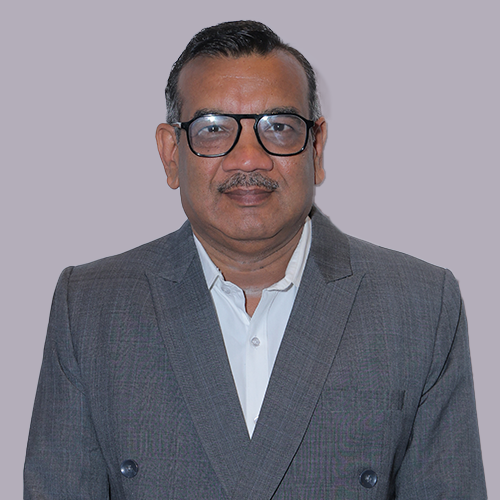
“Family-owned jewellery businesses play a significant role in India’s gems and jewellery industry. As these businesses grow and prepare for generational transitions, developing capable and confident future leaders becomes increasingly important. Through this initiative, we aim to help the next generation build the clarity, discipline and leadership capabilities needed to take their businesses forward while preserving the strengths of their family legacy.”
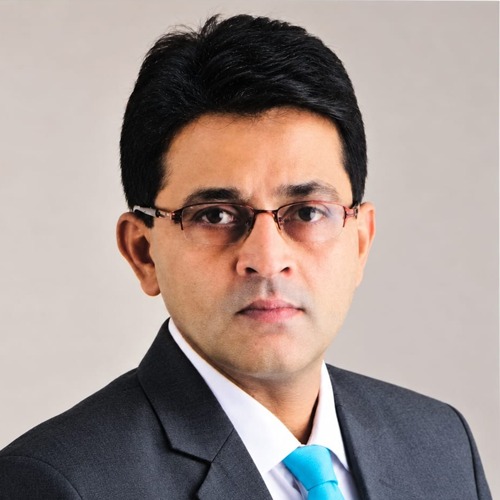
Binit Bhatt, Partner, SAARTHI 360, said:
“Becoming a CEO is about much more than inheriting a title. It requires a fundamental shift in mindset—from managing day-to-day operations to setting direction, making informed decisions, building accountability and earning the confidence of family members, employees and other stakeholders. The NextGen CEO programme is designed to equip emerging leaders with practical frameworks and perspectives that they can apply to the realities of their own businesses.”
Hitesh Khandelwal, Partner, SAARTHI 360, said:
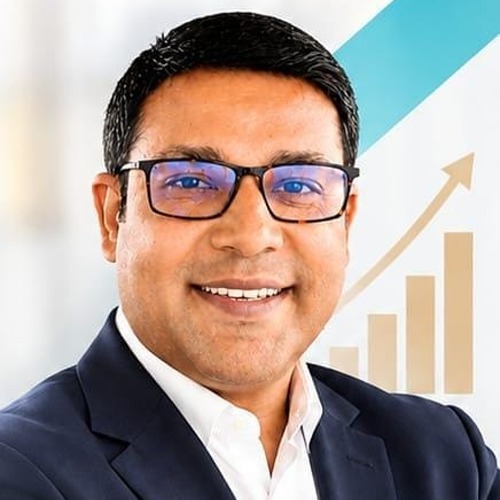
“Jewellery businesses are navigating an important generational transition, where preserving a strong legacy must go hand in hand with professional management and strategic thinking. Through NextGen CEO, we aim to help emerging leaders develop the confidence, capabilities and business perspective required to lead effectively, drive sustainable growth and prepare their organisations for the future.”



Gargi By P N Gadgil & Sons Invites Women To #GETNOTICED This Diwali In New Campaign With Mithila Palkar

IBJA, SAARTHI 360 Sign MoU To Launch ‘NextGen CEO: Leadership for the Future’

Jos Alukkas Unveils New Website For A Seamless Online Jewellery Shopping Experience

Dhanteras Shopping Guide 2026:Gold, Silver, Diamonds & Festive Jewellery Trends To Watch

The Solenne Collection: A Celebration Of Diwali By Bharti Bangur Fine Jewels

From Diya Puja To Diwali Soirées: Jewellery Designed To Go Beyond The Festive Season
-
 JB Insights4 days ago
Dhanteras Shopping Guide 2026:Gold, Silver, Diamonds & Festive Jewellery Trends To Watch
-
 BrandBuzz4 days ago
The Solenne Collection: A Celebration Of Diwali By Bharti Bangur Fine Jewels
-
 BrandBuzz4 days ago
From Diya Puja To Diwali Soirées: Jewellery Designed To Go Beyond The Festive Season
-
 National News4 days ago
Indriya, Aditya Birla Jewellery Unveiled India’s Largest Sustainable Jewellery Rangavalli
