
DiamondBuzz
Augmont expands SPOT Gold Trading platform with lab grown diamond integration for global markets
Augmont, India’s largest gold trading platform announced that it has added Lab Grown Diamonds (LGD) to its existing online SPOT trading platform for precious metals catering to more than 5,000 jewellers across the country.

The enhanced SPOT 2.0 platform brings Augmont’s 17 years of precious metals trading expertise to the growing LGD sector. This addition represents an evolution of diamond trading infrastructure, particularly as India maintains its position as the world’s largest diamond cutting and polishing destination.
The platform enhancement introduces transparent pricing mechanisms and streamlined procurement processes for the LGD market inspiring confidence among key stakeholders. This strategic move is set to streamline the procurement for jewellers while establishing a transparent and efficient pricing mechanism for the rapidly growing LGD market in India.

Ketan Kothari, Director of Augmont Group, said, “Augmont has firmly established itself as India’s go-to destination for buying and selling gold. Building on this strong foundation, we are proud to have our own lab-grown diamond (LGD) platform on Augmont SPOT, addressing the surging demand in this rapidly growing industry. The platform will enable market pricing and delivery of these diamonds globally including USA, Europe, Gulf and East Asia’’
Aarav Bafna, Product Head (LGD), Augmont, said, “With the extended version of SPOT, we plan to set a benchmark for LGD pricing. The current LGD pricing model, based solely on discounts relative to mined diamonds, is fundamentally flawed and irrational. Augmont is here to transform that narrative. Just as we revolutionized gold trading and price discovery in India, we are now ready to redefine and reimagine the LGD market.”
SPOT offers a comprehensive and unified trading experience, enabling jewellers to source all their manufacturing requirements—including gold, silver, platinum, lab-grown diamonds, precious metal alloys, precious stones, and other essential materials—through a single integrated online platform. It also features real-time price discovery powered by advanced algorithms and market mechanisms, ensuring transparent and fair pricing. Quality assurance is a priority, with certification and verification processes for all listed diamonds. Built upon Augmont’s proven 17-year-old trading infrastructure, SPOT ensures seamless integration for a reliable and efficient trading experience.
The platform addresses the growing demand for lab-grown diamonds, which have gained significant market share due to their sustainable nature and competitive pricing. SPOT is expected to handle substantial trading volumes, reflecting India’s dominant position in the global LGD polishing industry.
As per the Commerce Ministry’s data, India polishes almost 98% of all lab-grown diamonds in the world in 2022.
As per the EY report, the demand for Lab-Grown Diamonds is rising across the world, and its global market size is growing at 8.64% CAGR to touch $39.3 billion by 2028. And the Indian lab-grown diamond jewellery market, which was valued at around $300 million in 2023, is set to increase to $1.2 billion by 2033.







DiamondBuzz
De Beers Cuts Diamond Production But Sees Sales Rise
The Main Reasons For The Drop Were Planned Repair Work In Botswana and Slower Operations At Its Venetia Mine In South Africa. Demand For Diamonds Grew In The US and India.

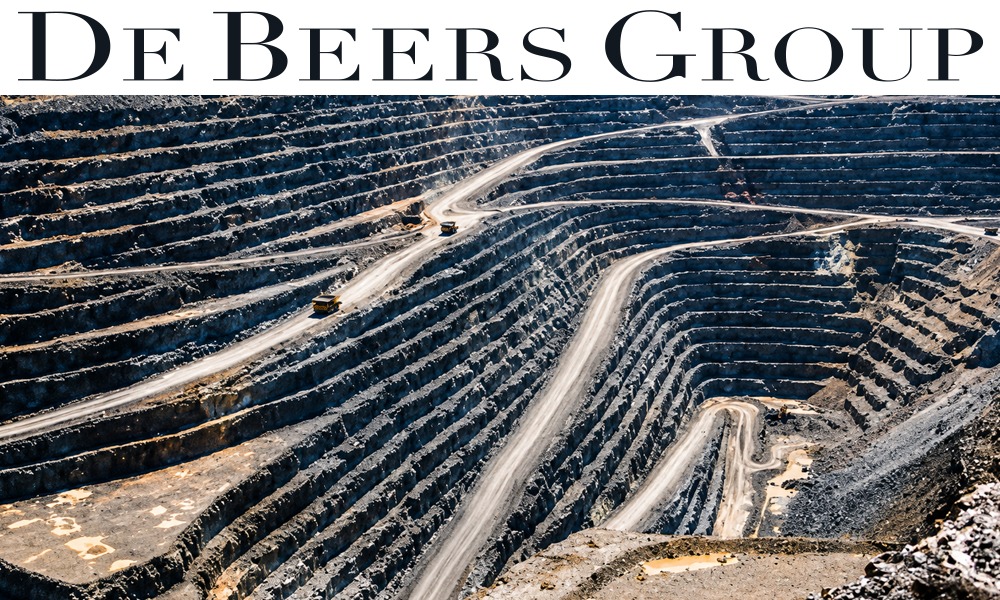
De Beers produced 11% fewer diamonds in the third quarter of 2026 compared to last year, bringing total production down to 6.8 million carats. The main reasons for the drop were planned repair work in Botswana and slower operations at its Venetia mine in South Africa before it temporarily pauses production for two years.
Despite lower production, overall diamond trading improved. Demand for diamonds grew in the US and India, and the market became better balanced. However, lab-made diamonds continued to hurt sales of cheaper natural diamonds.
Production Highlights by Country
Botswana: Down 20% to 4.8 million carats due to maintenance at the Orapa mine.
South Africa: Down 37% to 418,000 carats as the Venetia mine slowed down.
Namibia: Up 8% to 495,000 carats.
Canada: More than doubled to 1.06 million carats because the Gahcho Kué mine processed higher-quality ore.
On October 16, De Beers took full ownership of Canada’s Gahcho Kué mine after taking over its partner Mountain Province’s 49% share. Starting in the fourth quarter, De Beers will report all production from this mine on its own books. This will raise De Beers’ official production numbers, but it will not change the overall amount of diamonds in the world market.
Sales Revenue: Reached $731 million for the quarter, up 4% from $700 million last year.
Sales Volume: Nearly doubled to 8.7 million carats, up from 4.6 million carats a year ago.
Even though sales volume went up, the average price De Beers received per carat so far this year fell 37% to $97. This was caused by an 18% drop in overall rough diamond prices and the fact that De Beers sold a higher proportion of cheaper diamonds this year.
Because De Beers now owns 100% of the Gahcho Kué mine, it raised its full-year 2026 production target to 25–28 million carats (up from 21–26 million). It also lowered its expected production cost from $80 to about $70 per carat. The company said it will keep watching market demand and adjust its production as needed.
-

 JB Insights2 days ago
Dhanteras Shopping Guide 2026:Gold, Silver, Diamonds & Festive Jewellery Trends To Watch
-

 National News2 days ago
Indriya, Aditya Birla Jewellery Unveiled India’s Largest Sustainable Jewellery Rangavalli
-

 BrandBuzz2 days ago
From Diya Puja To Diwali Soirées: Jewellery Designed To Go Beyond The Festive Season
-

 BrandBuzz2 days ago
The Solenne Collection: A Celebration Of Diwali By Bharti Bangur Fine Jewels
