

DiamondBuzz
Anglo American in touch with banks about a De Beers IPO


Anglo American is reportedly exploring an Initial Public Offering (IPO) for its diamond mining subsidiary, De Beers, as a potential alternative to a direct sale. This move aligns with Anglo’s broader strategic restructuring efforts, announced in May 2024, which focus on divesting less profitable assets and prioritizing its core operations in copper. The company has already executed agreements to sell its coal and nickel assets and is expected to offload its platinum operations later this year. However, progress on De Beers has been slow, prompting Anglo American to engage in preliminary discussions with banks about the feasibility of an IPO.
Background De Beers, a 136-year-old diamond mining company, has been a subsidiary of Anglo American for decades. However, due to declining profitability and shifting strategic priorities, Anglo American has decided to divest its stake in the diamond unit. CEO Duncan Wanblad has reiterated that the divestment of De Beers will be “substantively complete” by the end of 2024. The company is taking steps to ensure that De Beers operates as a fully independent entity, thereby minimizing any negative impact on Anglo American’s broader operations.
Strategic Rationale for the IPO
- Market Conditions: The diamond industry has faced challenges, including fluctuating demand, rising competition from lab-grown diamonds, and macroeconomic uncertainties affecting luxury goods markets. These factors may have deterred potential buyers, making an IPO a viable alternative for Anglo American.
- Maximizing Shareholder Value: An IPO could allow Anglo to extract value from De Beers through a public listing while potentially retaining a minority stake during an initial transition phase.
- Standalone Business Readiness: Anglo has already taken measures to position De Beers as an independent business entity, making it better suited for an IPO.
- Potential Investor Interest: Given De Beers’ global brand recognition and historical dominance in the diamond sector, the IPO could attract institutional and retail investors looking for exposure to the luxury commodities market.
Challenges and Risks
- Market Volatility: The global diamond market remains unpredictable, with price fluctuations and shifting consumer preferences.
- Investor Perception: De Beers’ recent financial performance, coupled with competition from synthetic diamonds, may impact investor sentiment.
- Execution Risks: Structuring the IPO, securing regulatory approvals, and ensuring a smooth transition to public markets could pose operational hurdles.
Conclusion Anglo American’s consideration of an IPO for De Beers reflects its commitment to restructuring its portfolio and focusing on high-growth sectors like copper. While a sale remains the preferred option, the IPO serves as a contingency plan to ensure De Beers’ divestment is completed within the stated timeline. The coming months will be crucial in determining the final outcome of this strategic shift, with market conditions, investor appetite, and execution feasibility playing key roles in Anglo American’s decision-making process.






DiamondBuzz
The Great Indian Diamonds: A Closer Look At India’s Most Iconic Diamonds
De Beers Highlights India’s Historic Role In Shaping The Global Diamond Legacy Through A Curated Archive Of Iconic Gems

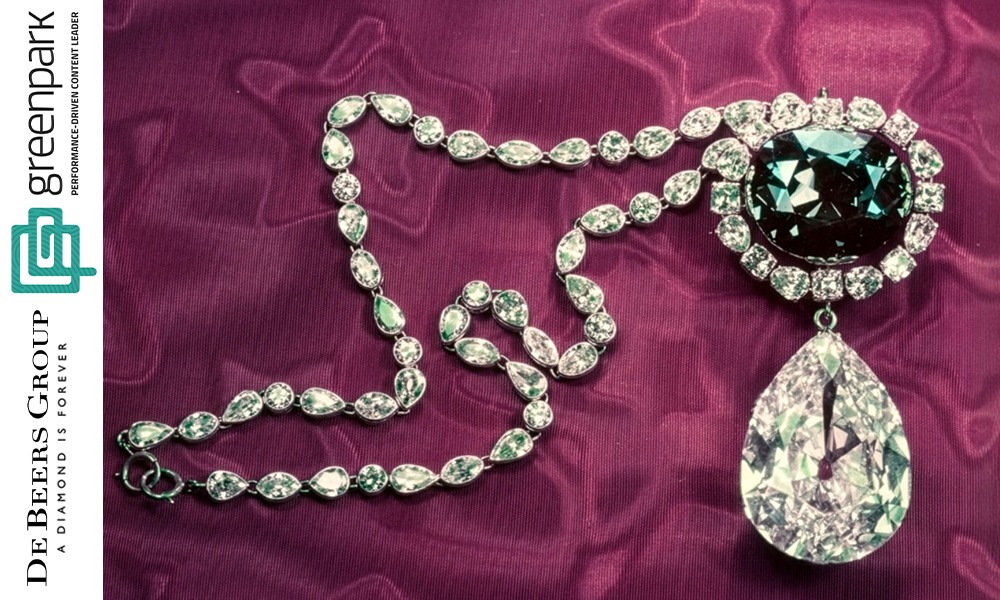
De Beers’ A Diamond is Forever marks Diamond Month with the release of “The Great Indian Diamond Archive”, a deep dive into 12 of the world’s legendary diamonds, all of which trace their origins back to India.
For centuries, diamonds have drawn attention for their brilliance and rarity, often associated with wealth, power, and prestige. What is less widely known, however, is that the story of diamonds began in India. Some of the most famous diamonds in the world, including the Koh-i-Noor, trace their origins back to the country.
At a time when much of the world was unfamiliar with diamonds, India had already established itself as a centre for diamond mining. The Golconda region was one of the earliest and most significant sources, producing several historic gems. Many of these diamonds were found along the Krishna River and eventually travelled across continents through trade, becoming part of royal treasuries.
Historical records suggest that diamond mining in India dates back to the 4th century BCE, making it one of the oldest known traditions in the world. Over time, these diamonds became associated with different rulers, empires, and geographies, each adding a new layer to their identity.
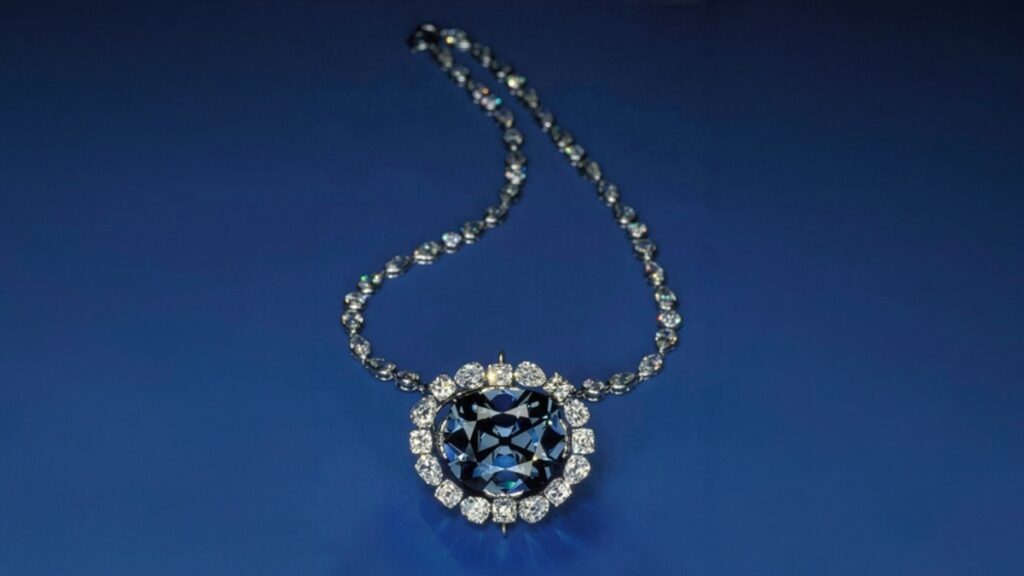
Diamonds such as the Koh-i-Noor, Hope Diamond, Regent, and Daria-i-Noor continue to be among the most talked about and valuable gems globally. Today, some are housed in museums, while others remain part of private or royal collections. Several of these diamonds have also been re-cut over time, changing both their appearance and identity.
Bringing these stories together, The Great Indian Diamond Index presents 12 of the most prominent diamonds associated with India. Developed as part of De Beers’ initiative, the index brings them into one place for the first time.
Rather than looking at these diamonds only as precious objects, the index traces their full journey—from their natural origins to their historical and cultural significance. It combines physical attributes with context to offer a more complete view of their legacy.
The list has been compiled using a structured research framework developed specifically as The Great Indian Diamond Index.



RiaceWax AUTOMATIC BELT SYSTEM INTUITIVE: Innovation. Precision. Productivity

DAIMANTE: Symbolic Modernism – Both Timeless and Modern

From Gold Weight to Masterpiece: Storytelling and Craftsmanship Are Redefining Premium Jewellery Value

BlueStone-Backed Ethera Accelerates Expansion With Four New Metro Stores Across India

India-UAE Jewellery Dialogue Draws 200+ Stakeholders, Reinforces Trade Confidence
From Gold Weight to Masterpiece: Storytelling and Craftsmanship Are Redefining Premium Jewellery Value
-
 New Premises12 hours ago
BlueStone-Backed Ethera Accelerates Expansion With Four New Metro Stores Across India
-
 International News13 hours ago
India-UAE Jewellery Dialogue Draws 200+ Stakeholders, Reinforces Trade Confidence
-
 JB Insights9 hours ago
From Gold Weight to Masterpiece: Storytelling and Craftsmanship Are Redefining Premium Jewellery Value
-
 Designer Focus9 hours ago
DAIMANTE: Symbolic Modernism – Both Timeless and Modern