

DiamondBuzz
Anglo American cuts book value of De Beers to $2.3bn, reflects a convergence of structural and cyclical pressures

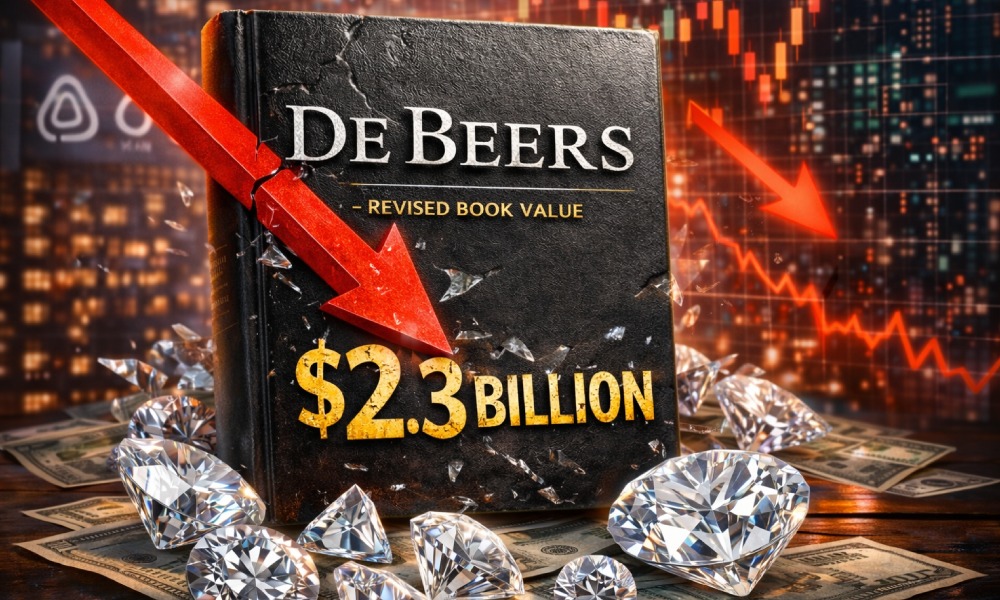
Anglo American has written down the book value of De Beers for the third consecutive year, slashing it from $4.1bn to $2.3bn — a 44% reduction — as the diamond miner reported a catastrophic swing from a $25m EBITDA profit in 2024 to a $511m loss in 2025. This impairment brings the cumulative destruction of De Beers’ book value to approximately $6.9bn since 2023, when it stood at $9.2bn.
The deterioration reflects a convergence of structural and cyclical pressures: weak consumer demand, falling rough diamond prices, inventory overhang, growing competition from lab-grown diamonds, and the headwinds of US tariffs on Indian exports — the world’s primary diamond cutting and polishing hub. Anglo American’s CEO Duncan Wanblad has confirmed De Beers is in advanced sale discussions, with the possibility of a staged divestment in two or three tranches.
A central paradox defines De Beers’ 2025 results: revenue grew 6% to $3.5bn, yet the business collapsed into deep loss. This disconnect is explained by the composition of sales. Sales volumes surged 17% to 20.9m carats as the company executed stock rebalancing initiatives — essentially clearing accumulated high-cost inventory at sharply discounted prices. The average per-carat realised price fell 7% from $152 to $142, reflecting both weaker market prices and the deliberate sale of lower-quality, lower-value stones.
The stock rebalancing programme alone generated $424m in trading losses, as diamonds acquired and cut at higher cost were sold at prices below their carrying value. This single line item accounts for the overwhelming majority of the $536m swing in EBITDA.
Anglo American CEO Duncan Wanblad confirmed in the February 2026 earnings call that the company is in advanced discussions with a select group of interested parties regarding the sale of De Beers. This follows Anglo’s strategic decision to simplify its portfolio by divesting non-core assets, a process accelerated by a hostile takeover approach from BHP in 2024.
Wanblad’s indication that the sale may occur in two or three tranches — rather than a single transaction — is significant. A staged divestment could reflect:
• difficulty in finding a single buyer willing to take the full stake at an acceptable valuation
• a desire to maximise aggregate proceeds by selling to different buyers with different strategic motivations
• regulatory constraints in relevant jurisdictions
With the book value now at $2.3bn and the business generating a $511m EBITDA loss, prospective buyers face the challenge of pricing an asset through the trough of a cycle in a structurally disrupted sector. Potential buyers may include:
- Sovereign wealth funds seeking long-duration commodity exposure
- Private equity consortia with a turnaround thesis
- Industry consolidators, potentially including Government of Botswana (which holds a 15% stake) or luxury conglomerates
- Strategic investors from emerging market diamond consumer nations


DiamondBuzz
GIA Celebrates World Diamond Day Highlighting Iconic Gems
Institute Spotlights Historic Diamonds Like the Hope, Dresden Green, Winston Red, Taylor Burton, Motswedi

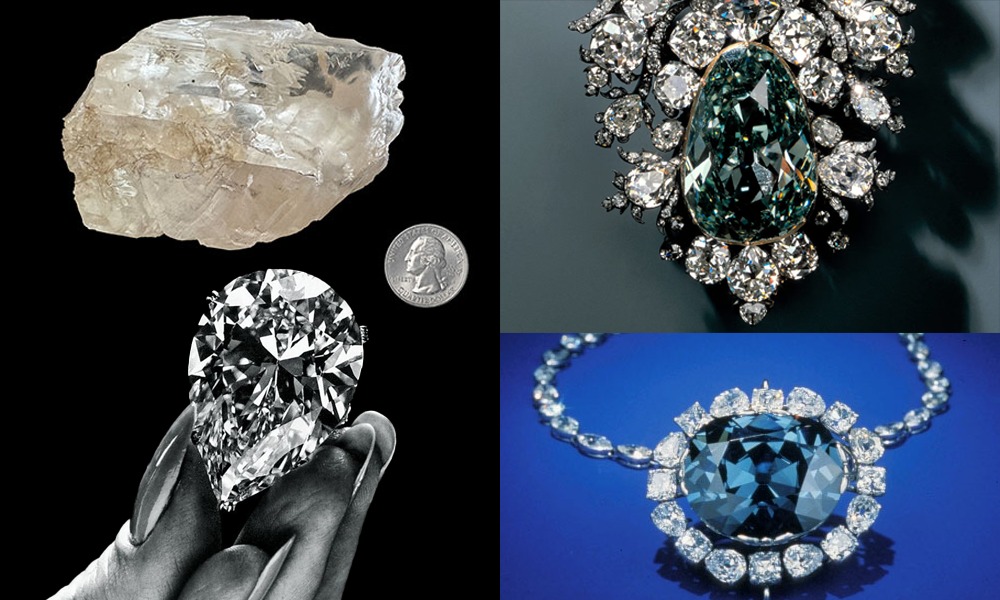
The Gemological Institute of America (GIA) marked World Diamond Day on 8th April by highlighting a selection of historically significant precious stones it has examined, underscoring their rarity, scientific importance and cultural legacy.
Below is a concise analytical breakdown of the stones and their significance from a trade, scientific, and storytelling angle:
Key diamonds highlighted
- Hope Diamond (45.52 ct, Fancy Deep greyish blue)
Traced to Golconda‑type deposits in India, this stone passed through French royalty before entering private and then museum collections, and today sits at the Smithsonian. Its combination of intense blue colour, provenance, and storied “curse” lore has made it one of the most‑recognised diamonds in the world, frequently used as a reference point in colour‑diamond marketing and exhibitions. - Dresden Green (~41 ct natural green)
The largest known natural green diamond, with an even green hue produced by natural ionising radiation in the crust. Its high purity and Saxon–European royal‑court history make it a benchmark for both rarity and the link between gemstones and political‑dynastic symbolism. - Winston Red (2.33 ct Fancy red)
A rare old‑mine‑cut Fancy red stone, of which only about 0.04% of fancy colour diamonds attain such a grade. As the only Fancy red diamond on public display, it is a key reference for dealers and collectors benchmarking the value of red‑dominant fancy colours. - Taylor‑Burton Diamond
A 68‑carat pear‑shaped D‑colour stone cut from a 240‑carat rough from South Africa’s Premier‑type deposit, later made famous by Richard Burton and Elizabeth Taylor. Its celebrity‑driven glamour elevated high‑colour‑clarity white diamonds into pop‑culture icons, reinforcing the “diamond as romance” narrative that still dominates bridal jewellery advertising. - Motswedi Diamond (2,488.32 ct rough)
Recovered in Botswana in 2024, this is the second‑largest gem‑quality diamond ever discovered and a high‑purity Type IIa crystal. Its size and purity allow scientists to study how carbon crystallises under extreme pressures deep in the Earth, making it a research‑grade specimen as well as a commercial headline‑maker. - Several stones—Hope, Dresden Green, Taylor Burton, and Winston Red—carry strong narratives of royalty, curses, Hollywood romance, and extreme rarity.
- GIA’s highlighting of these gems on World Diamond Day is a strategic blend of education and soft branding:
- It positions diamonds as objects of history and art, not just commodities.
- It reminds buyers, retailers, and media that GIA sits at the centre of authenticating and contextualising these legendary stones.gia+1
Beyond these diamonds, GIA has documented historic and royal artefacts such as the Marie Thérèse Pink diamond and the Mughal era “Mughal Spectacles,” helping to codify their gemmological and provenance data. This work reinforces its positioning as both a research institute and a preserver of the cultural heritage layer of gemmology, bridging ancient craftsmanship with modern scientific verification.


-

 International News2 days ago
Precious Metals Rally On US-Iran Ceasefire: Gold Tops $4,850, Silver Jumps To $76
-
 National News9 hours ago
KISNA Diamond and Gold Jewellery Unveils Akshaya Tritiya Campaign
-
 National News20 hours ago
Gargi by P. N. Gadgil & Sons Posts 30.27% Revenue Growth in Q4FY26
-
 National News16 hours ago
P N Gadgil Jewellers Limited – Quarterly Update Q4 FY26
