

DiamondBuzz
Alrosa Plans To Expand Diamond Production Through Severalmaz
Outlines An Expansionary Roadmap and Diversification Strategy Amid Market Volatility

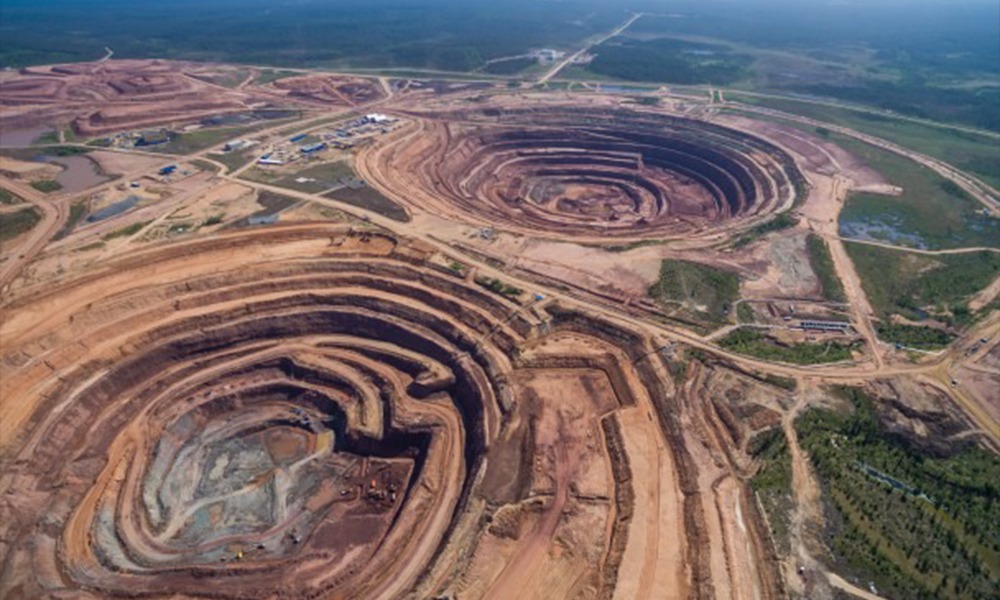
Alrosa has confirmed a strategic pivot toward aggressive capacity expansion via its wholly-owned subsidiary, Severalmaz. Currently contributing approximately 10% to the Group’s aggregate output, Severalmaz is slated to become a primary engine for long-term value creation.
Despite prevailing macroeconomic headwinds and a softening in global demand for natural stones, Alrosa reported that the Lomonosov deposit maintained a stable production baseline, yielding an annualized run-rate of approximately 3.5 million carats through FY24 and FY25.
Key Strategic Pillars:
- Operational Resilience: CEO Pavel Marinychev emphasized that Severalmaz serves as a systemically important entity within the Arkhangelsk regional economy, providing a “solid foundation” for the Group’s multi-decade development cycle.
- CAPEX & Exploration: The firm is committed to significant capital expenditure directed toward greenfield exploration and the modernization of existing mining infrastructure to drive operational alpha and safety.
- Portfolio Diversification: To hedge against cyclical diamond market downturns, Alrosa is actively de-risking its balance sheet by diversifying into gold mining and offloading approximately 30% of its inventory to Gokhran to ensure consistent liquidity flows.
- R&D Synergies: The roadmap includes deep integration with regional scientific-industrial hubs to optimize extraction efficiencies and future-proof the production pipeline.


DiamondBuzz
GIA Celebrates World Diamond Day Highlighting Iconic Gems
Institute Spotlights Historic Diamonds Like the Hope, Dresden Green, Winston Red, Taylor Burton, Motswedi
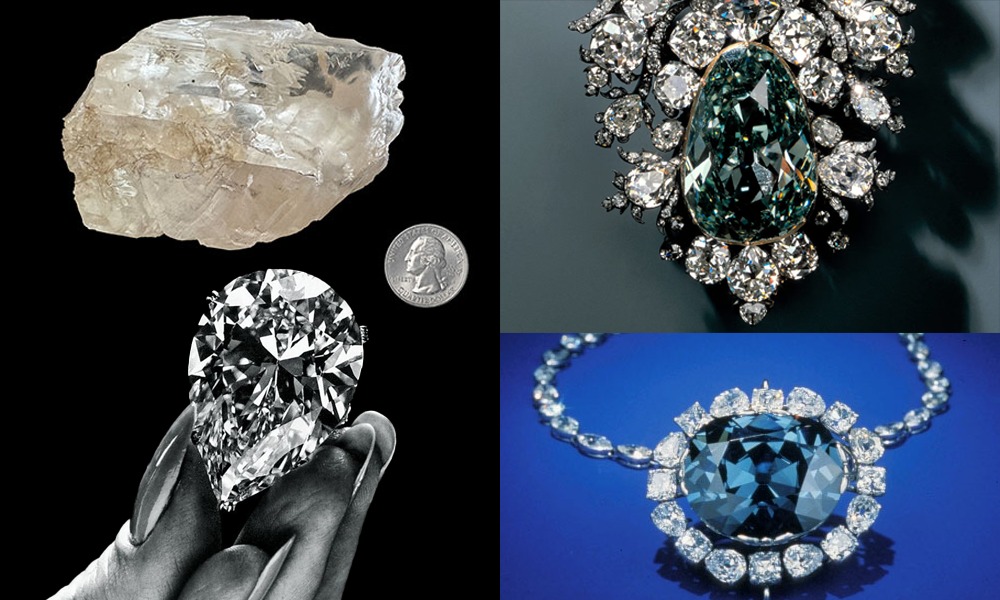
The Gemological Institute of America (GIA) marked World Diamond Day on 8th April by highlighting a selection of historically significant precious stones it has examined, underscoring their rarity, scientific importance and cultural legacy.
Below is a concise analytical breakdown of the stones and their significance from a trade, scientific, and storytelling angle:
Key diamonds highlighted
- Hope Diamond (45.52 ct, Fancy Deep greyish blue)
Traced to Golconda‑type deposits in India, this stone passed through French royalty before entering private and then museum collections, and today sits at the Smithsonian. Its combination of intense blue colour, provenance, and storied “curse” lore has made it one of the most‑recognised diamonds in the world, frequently used as a reference point in colour‑diamond marketing and exhibitions. - Dresden Green (~41 ct natural green)
The largest known natural green diamond, with an even green hue produced by natural ionising radiation in the crust. Its high purity and Saxon–European royal‑court history make it a benchmark for both rarity and the link between gemstones and political‑dynastic symbolism. - Winston Red (2.33 ct Fancy red)
A rare old‑mine‑cut Fancy red stone, of which only about 0.04% of fancy colour diamonds attain such a grade. As the only Fancy red diamond on public display, it is a key reference for dealers and collectors benchmarking the value of red‑dominant fancy colours. - Taylor‑Burton Diamond
A 68‑carat pear‑shaped D‑colour stone cut from a 240‑carat rough from South Africa’s Premier‑type deposit, later made famous by Richard Burton and Elizabeth Taylor. Its celebrity‑driven glamour elevated high‑colour‑clarity white diamonds into pop‑culture icons, reinforcing the “diamond as romance” narrative that still dominates bridal jewellery advertising. - Motswedi Diamond (2,488.32 ct rough)
Recovered in Botswana in 2024, this is the second‑largest gem‑quality diamond ever discovered and a high‑purity Type IIa crystal. Its size and purity allow scientists to study how carbon crystallises under extreme pressures deep in the Earth, making it a research‑grade specimen as well as a commercial headline‑maker. - Several stones—Hope, Dresden Green, Taylor Burton, and Winston Red—carry strong narratives of royalty, curses, Hollywood romance, and extreme rarity.
- GIA’s highlighting of these gems on World Diamond Day is a strategic blend of education and soft branding:
- It positions diamonds as objects of history and art, not just commodities.
- It reminds buyers, retailers, and media that GIA sits at the centre of authenticating and contextualising these legendary stones.gia+1
Beyond these diamonds, GIA has documented historic and royal artefacts such as the Marie Thérèse Pink diamond and the Mughal era “Mughal Spectacles,” helping to codify their gemmological and provenance data. This work reinforces its positioning as both a research institute and a preserver of the cultural heritage layer of gemmology, bridging ancient craftsmanship with modern scientific verification.



AUGMONT BULLION REPORT- Optimism vs. Risk: Precious Metals Hold Gains Amid Fragile Peace Talks –

Bvlgari’s Lucia Silvestri Gives Away Top Honours at The Artisan Jewellery Design Awards 2026

IGJS 2026 Opens Jaipur: A Three-Day Showcase of Global Business and Artisanal Brilliance
IGJS 2026 Opens Jaipur: A Three-Day Showcase of Global Business and Artisanal Brilliance
Bvlgari’s Lucia Silvestri Gives Away Top Honours at The Artisan Jewellery Design Awards 2026

MCX Gold, Silver Futures Enter Period Of Consolidation Following Two-Week Ceasefire
-
 ShowBuzz1 hour ago
IGJS 2026 Opens Jaipur: A Three-Day Showcase of Global Business and Artisanal Brilliance
-
 ShowBuzz57 minutes ago
Bvlgari’s Lucia Silvestri Gives Away Top Honours at The Artisan Jewellery Design Awards 2026
-
 National News2 hours ago
MCX Gold, Silver Futures Enter Period Of Consolidation Following Two-Week Ceasefire
-
 International News22 minutes ago
AUGMONT BULLION REPORT- Optimism vs. Risk: Precious Metals Hold Gains Amid Fragile Peace Talks –
