

JB Insights
A strategic shift in China’s gold market:insurance capital as a catalyst for industry evolution
Entry of US$25 bn in Chinese insurance funds into the gold market

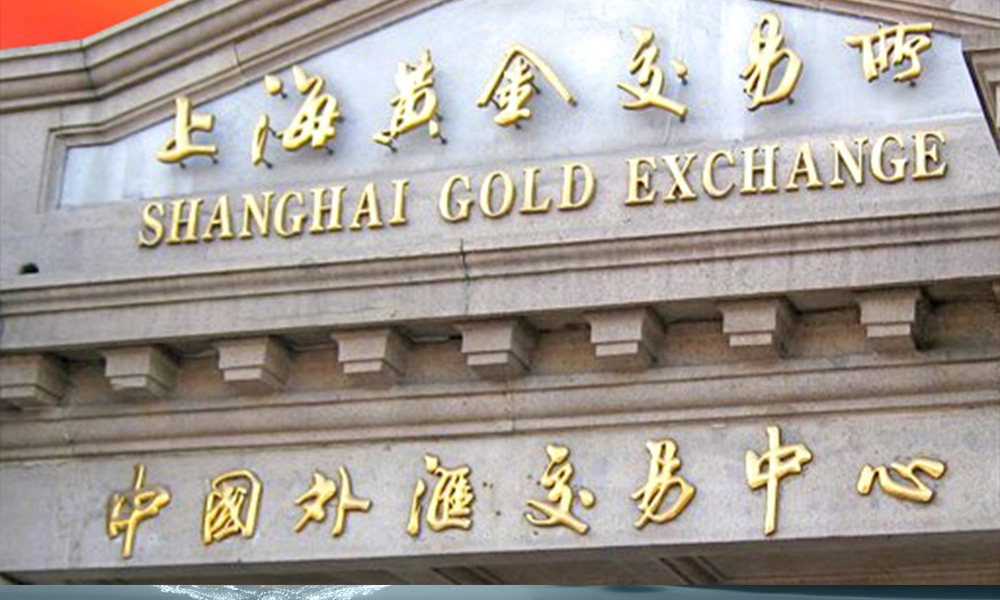
China’s gold market is poised for a transformative phase following a groundbreaking policy allowing insurance funds to enter the gold investment and leasing space. As detailed in Liang Weizhang’s in-depth analysis, the “Pilot Notice on Insurance Fund Investment in Gold Business”, issued on February 7, 2025, marks a significant shift in the country’s financial and commodity landscape. Ten leading Chinese insurance firms are now permitted to engage in gold transactions through the Shanghai Gold Exchange, potentially mobilizing up to US$25 billion in capital.
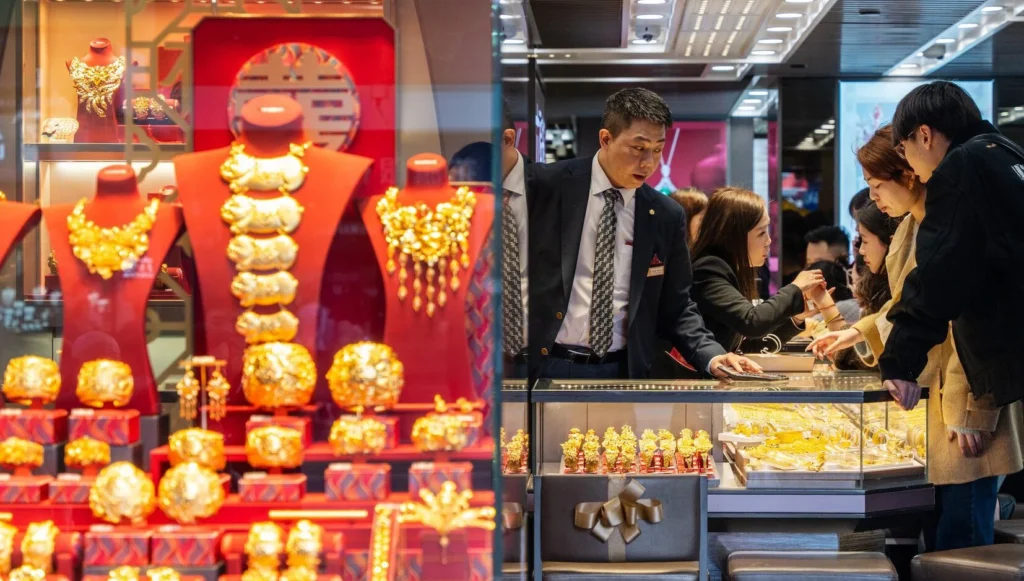
While international markets such as the US, UK, and EU already allow regulated insurance investment in gold, China’s move represents a new frontier in leveraging institutional capital to strengthen domestic market liquidity and sophistication. Despite concerns that large capital inflows might inflate gold prices and impact jewellery consumption, the policy imposes strict caps—limiting investment to 1% of total insurance assets—thus mitigating inflationary risks. Instead, this structured participation is seen as a stabilising force that could renew consumer confidence in pricing and support market resilience.
A major highlight of the reform is the expansion of gold leasing, an efficient financing model that reduces operating costs for jewellery manufacturers and retailers. Insurance funds, through financial intermediaries, will provide greater liquidity to this segment, which is already gaining traction in China’s gold economy.
Beyond the financial implications, the policy also underscores the need for continuous innovation in China’s gold and jewellery industry. With high gold prices suppressing traditional demand, firms are increasingly turning to advanced technologies such as 3D and 5D hard gold to create lighter, trend-driven designs. This is especially relevant as younger consumers and e-commerce platforms drive market shifts.
Strategically, the entry of insurance funds is viewed not just as a policy experiment but as a signal of China’s broader ambitions—integrating gold more deeply into financial markets and asset portfolios. It reflects a maturing regulatory mindset, growing global integration, and a push towards diversifying financial instruments tied to gold.
Ultimately, this initiative is catalyzing a “gradual revolution” in the gold industry, transforming how gold is viewed—from ornamental asset to financial instrument. Enterprises that embrace this transition, foster innovation, and leverage global opportunities are likely to emerge as the long-term beneficiaries in an evolving gold economy.





Education
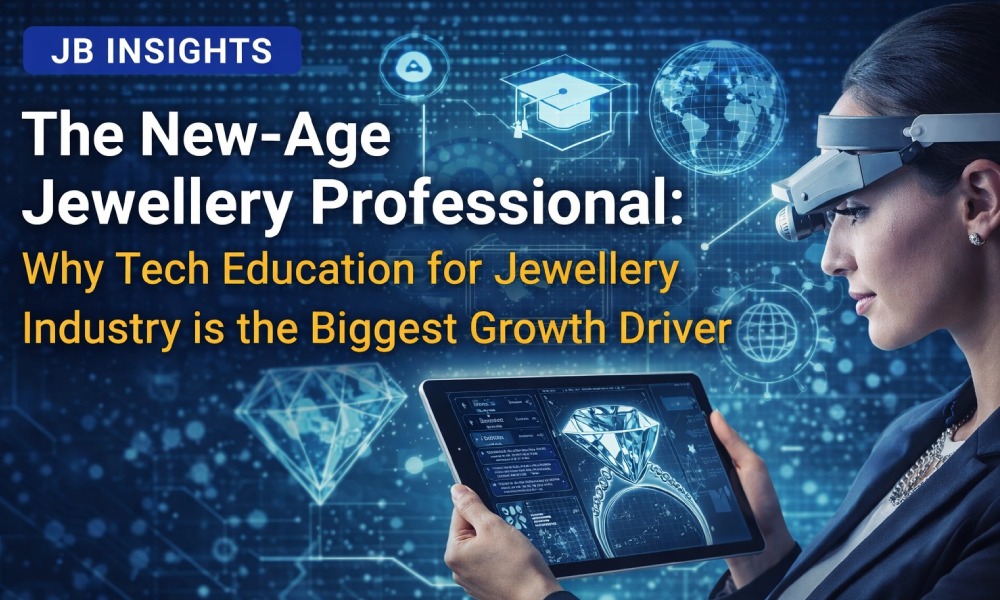
The New-Age Jewellery Professional: Why Tech Education for Jewellery Industry is the Biggest Growth Driver
#JbExclusive
The jewellery industry is no longer defined by craftsmanship alone. Today, it sits at the intersection of design, technology, sustainability, finance, branding, and global trade. As consumer expectations evolve and competition intensifies, structured education and continuous skill development are emerging as the most powerful growth catalysts for the sector.
For a dynamic industry like India’s jewellery market, education is not optional — it is strategic.
From Karigar to Knowledge Professional
For decades, the backbone of the industry has been generational craftsmanship. While this legacy remains invaluable, modern jewellery businesses now demand professionals who understand:
- Gemology and diamond grading
- CAD and 3D jewellery design
- Retail management and consumer psychology
- Digital marketing and brand storytelling
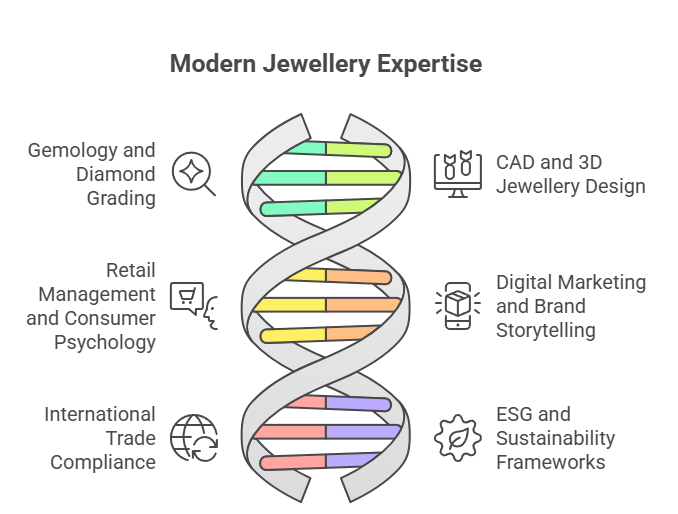
- International trade compliance and tariffs
- ESG and sustainability frameworks
Institutions such as the Gemological Institute of America and the Indian Institute of Gems and Jewellery have played a key role in formalising education pathways, helping transform traditional artisans and retailers into globally competitive professionals.
Trend Watch: Rise of Tech-Integrated Learning
One of the strongest education trends shaping the industry is technology integration.
- CAD & CAM Training: Digital prototyping reduces costs and speeds up product development cycles.
- AI in Retail Forecasting: Data-driven inventory planning is replacing intuition-based buying.
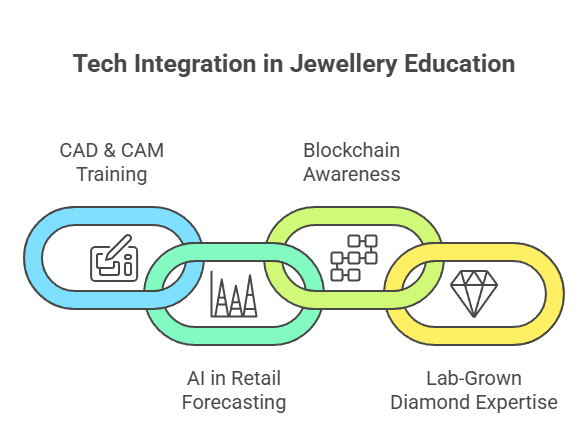
- Blockchain Awareness: Traceability in diamonds and coloured gemstones is becoming a compliance requirement rather than a luxury.
- Lab-Grown Diamond Expertise: As lab-grown diamonds gain market share, understanding grading, pricing dynamics, and consumer positioning has become critical.
Educational programs now increasingly blend online modules with hands-on workshops, enabling faster upskilling for working professionals.
The Bridal Economy & Consumer Education
India’s bridal jewellery segment continues to drive demand, but the modern bride is informed and research-oriented. She compares:
- Natural vs lab-grown diamonds
- Hallmarking standards
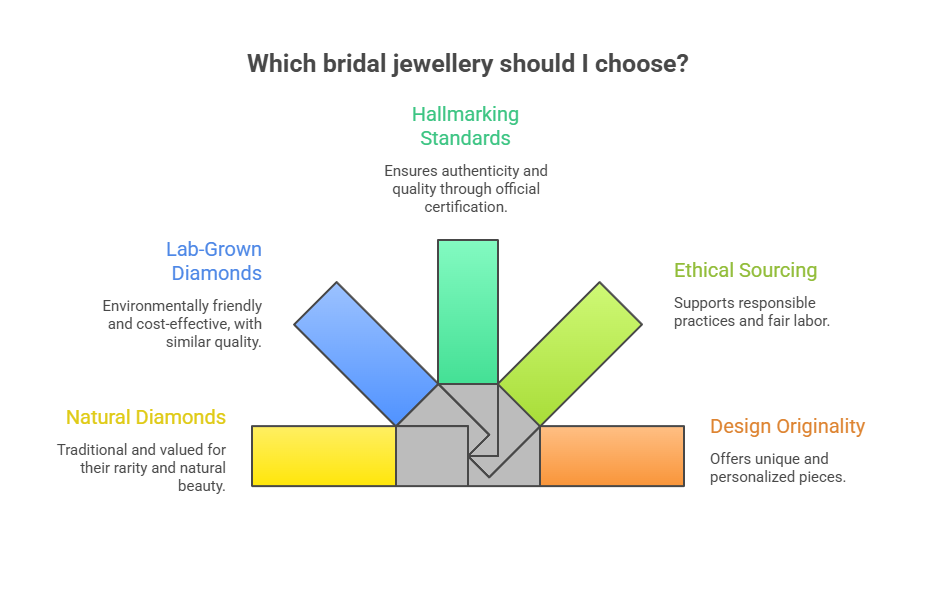
- Ethical sourcing claims
- Design originality
Retailers who invest in staff education see higher trust conversion rates. Well-trained sales professionals are no longer “salespeople” — they are consultants guiding life-defining purchases.
Financial Literacy in Jewellery
Another emerging area is financial education within the industry itself. With gold functioning as both adornment and asset, professionals must understand:
- Gold monetisation frameworks
- Hedging strategies
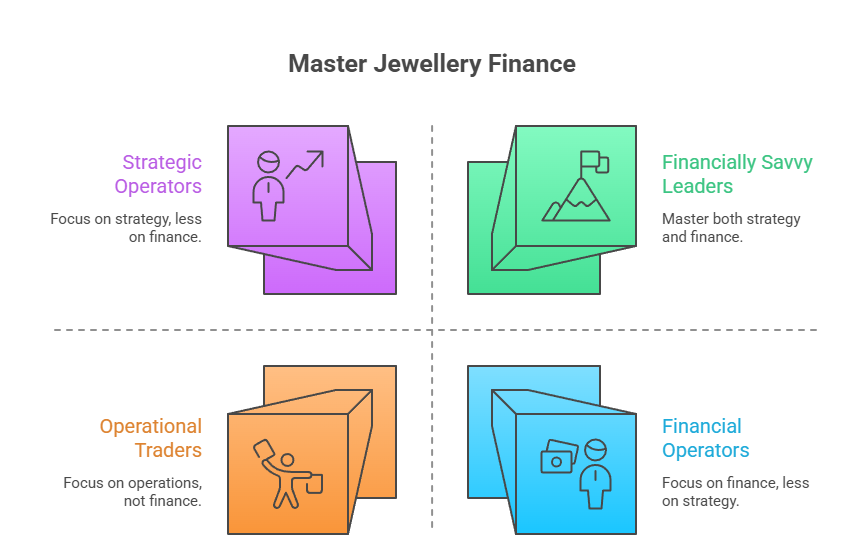
- Commodity price cycles
- Working capital management
Structured knowledge helps businesses move from being inventory-heavy traders to strategically managed enterprises.
Sustainability & Responsible Sourcing
Global buyers increasingly demand proof of ethical sourcing and environmental compliance. Education around responsible mining practices, supply-chain transparency, and ESG reporting is becoming central to export competitiveness.
Industry bodies such as the Gem & Jewellery Export Promotion Council regularly conduct seminars and workshops to align Indian exporters with evolving global standards.
The Future: Hybrid Skills Will Win
The next generation jewellery professional will not be defined by a single skill. The future belongs to those who combine:
- Design sensibility
- Technical expertise
- Business acumen
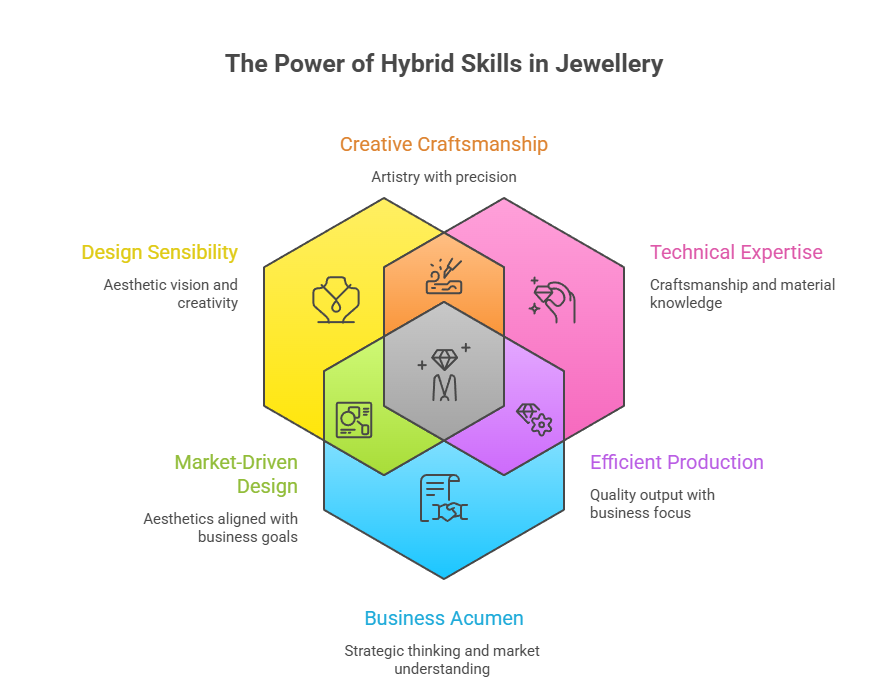
- Digital fluency
- Ethical awareness
For a sector contributing significantly to India’s exports and employment, education is the bridge between heritage and high growth.
Knowledge is the new luxury. As the jewellery industry transitions into a more organised, tech-enabled, and globally integrated ecosystem, continuous learning will determine who leads and who lags. The sparkle of the future will not just come from diamonds — it will come from informed minds shaping the industry.


-
 National News3 hours ago
This Women’s Day, Dhirsons Jewellers Celebrates the Milestones in a Woman’s Journey
-
 BrandBuzz20 hours ago
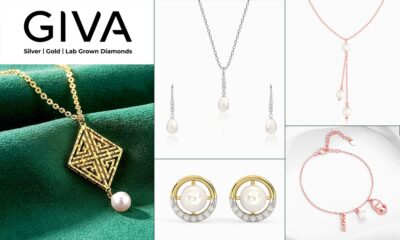
The Pearl Edit: Thoughtful Women’s Day Gifting by GIVA
-
 BrandBuzz20 hours ago
Augmont Launches SPOT 2.0: One Platform. Every Product. Efficient Business
-
 BrandBuzz24 hours ago
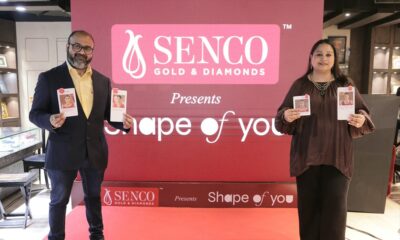
Senco Gold & Diamonds Launches “SHAPE OF YOU”- AI Application for Women’s Day Celebration
