

JB Insights
A Lagoon’s Luminous Glow: Paraíba Tourmaline radiates in the spotlight
A Rarity Beyond Rubies and Diamonds

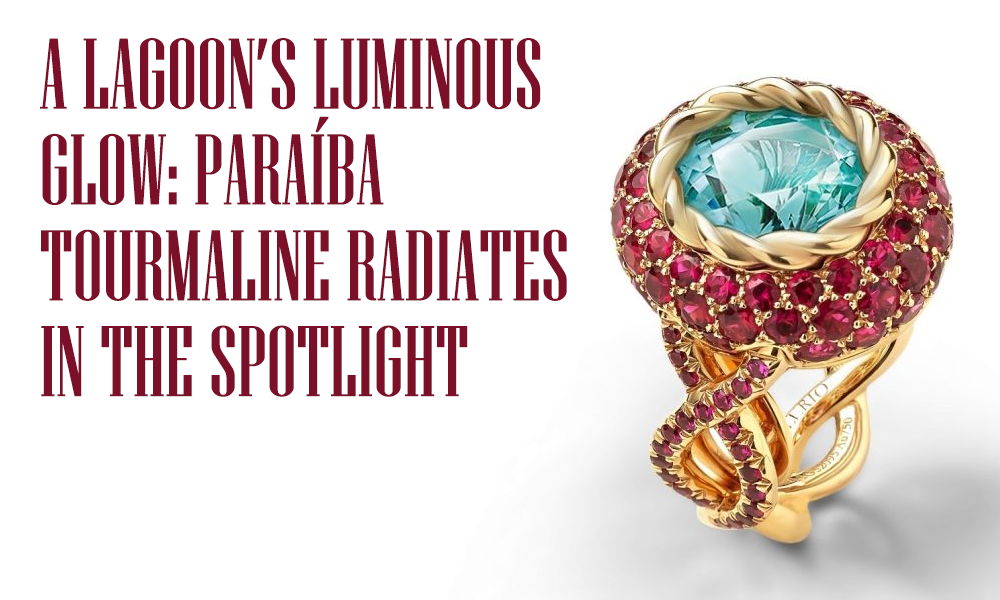
To the uninitiated, Paraíba tourmaline might still sound niche. But to gemstone connoisseurs, it is the crown jewel of modern coloured stones. Discovered only in 1989 in the Brazilian state of Paraíba, these electric blue-to-green gems are far rarer than diamonds—and more prized than even rubies, sapphires, and emeralds in certain markets.
The stone’s signature lagoon-like hue, often described as a blend of turquoise, cyan, and aquamarine, owes its vibrant neon glow to trace amounts of copper and manganese in its crystal structure. The result is a gemstone that appears almost lit from within—radiating a luminous energy unlike anything else in the gem world.
Origins and Evolution
The original Paraíba mines in Brazil produced the first of these miraculous gems, but were quickly depleted. In the early 2000s, new copper-bearing tourmaline deposits were discovered in Nigeria and Mozambique—now the primary sources for Paraíba-type stones. Despite ongoing debates about nomenclature, the international gemological community has broadly agreed that any copper-bearing tourmaline showing the electric colour associated with the original Brazilian finds may be labelled “Paraíba.”
Brazilian-origin stones, however, still command a premium and are often only found in private collections or vintage jewellery.
From Mine to Masterpiece
The journey of Paraíba tourmaline from mine to market is an arduous one. Kevin Ferreira, gemologist and co-author of Paraíba: The Legacy of a Color, offers a rare insider view. “There are fewer than a dozen organised mining operations globally. Miners often say their work runs on faith, not diesel,” Ferreira shares. With monthly mining costs soaring as high as $150,000 and no guarantee of finding viable stones, the process is as risky as it is rewarding.
Ferreira, along with jewellery expert Katerina Perez, spent two years researching, interviewing, and photographing the journey of Paraíba tourmalines for their book—a definitive tribute to the gem’s legacy. Perez notes that the stone’s rising prominence and dwindling supply made the timing urgent: “There aren’t many Paraíbas out there anymore. The original Brazilian mine is depleted. Mozambique is now the key source.”
Designers Who Dare
Due to its rarity and vibrant colour, Paraíba tourmaline has become a jewel of choice for bold, statement-making high jewellery. From Tiffany & Co.’s Blue Book collections to Piaget’s Summer Crush necklace, the stone offers designers a thrilling colour with unmatched intensity.
Tiffany’s chief gemologist Victoria Reynolds refers to their preferred term—“cuprian elbaite tourmaline”—highlighting the brand’s purist stance. High jewellery collections from Cartier, Louis Vuitton, Dior, Pomellato, and Marina B have all embraced Paraíba’s potential, whether as centrepieces or accent stones. Cartier has even experimented with green-hued Paraíbas, pushing the colour narrative further.
Notably, few jewellers work extensively with the stone due to its scarcity. Among the few are Zurich-based Doris Hangartner and Antwerp-based Jochen Leën, both known for their deep respect for the gemstone’s energy and spirit.
Investment Appeal
Paraíba tourmalines are not only prized for their aesthetics but are increasingly viewed as tangible assets. Prices have risen almost tenfold since the 1980s. According to Ferreira, those who bought Paraíbas during the pandemic have seen returns of up to 50%—even conservatively.
Perez offers this advice to potential investors: “For value retention, look for top colour—true swimming pool blue—with Brazilian origin and clarity. For style and presence, go for larger, clean Mozambique stones in impactful settings.”
A Gem with Soul
Unlike diamonds, Paraíba tourmalines are graded with less standardization, allowing emotion, personal taste, and the story behind each stone to take centre stage. As Perez puts it, “It’s not just beautiful—it demands a conversation. It’s not just pretty—it’s powerful, elusive, and unforgettable.”
Their increasing rarity, vivid colour, and rich backstory are propelling Paraíba tourmalines into the global jewellery consciousness. From couture runways to collector safes, this is a gemstone rewriting the rules of modern luxury.








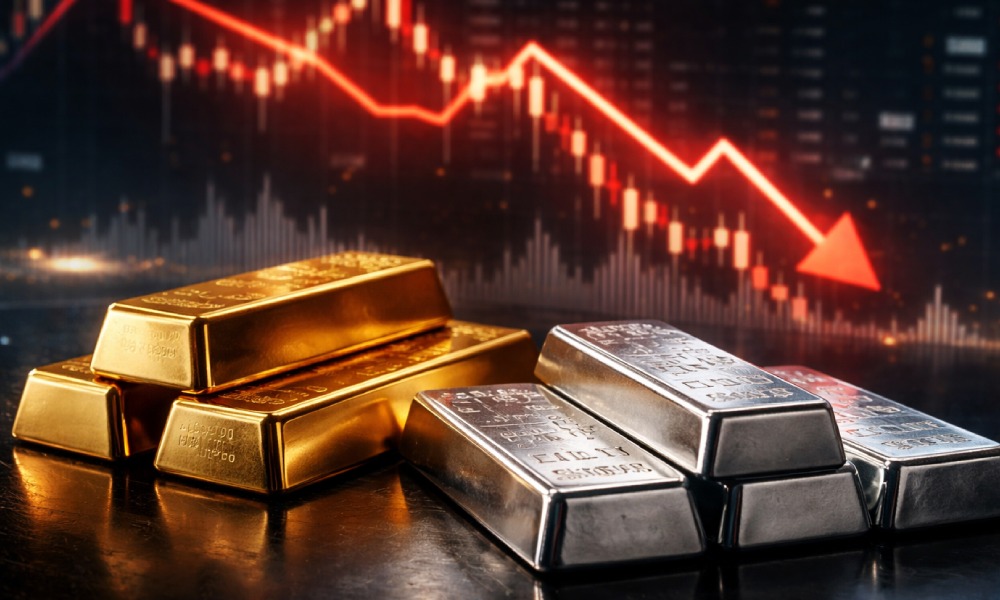
Gold and silver ended lower on the week despite sharp intraday rebounds, with price action reflecting continued volatility and fragile positioning rather than a sustained recovery. In the absence of a definitive macro catalyst, a broad-based decline across equities and cryptocurrencies prompted investors to raise liquidity, briefly dragging gold below the key $5,000 per ounce threshold. Non-yielding assets came under pressure as earlier stronger-than-expected US employment data pushed expectations for the first Federal Reserve rate cut further into midyear, reducing the appeal of bullion. Sentiment shifted, however, after inflation data showed annual CPI slowing to 2.4% and core inflation easing to 2.5%, reviving dovish expectations. The softer inflation print weighed on Treasury yields and pressured the dollar, allowing gold to recover toward the $4,990 region. Silver experienced similar turbulence, sliding sharply during the liquidation phase before rebounding above $76 per ounce, though it remained on track for another weekly decline.

Gnanasekar Thiagarajan
Introduction:
Gold finished the period under pressure despite sharp rebounds, with price action dominated by cross-asset volatility and shifting rate expectations. After initially recovering more than 2% on softer-than-expected US inflation, bullion briefly pushed back toward the $5,000–$5,020 region as annual CPI slowed to 2.4% and core inflation eased to 2.5%, reinforcing expectations of multiple Federal Reserve rate cuts this year. Lower yields and a softer dollar provided near-term relief, reviving the structural appeal of non-yielding assets.
However, gains proved fragile as the dollar rebounded and gold slipped back below $5,020, underscoring hesitation around the psychological $5,000 threshold. Earlier strength in US labor data had already delayed expectations for the first rate cut toward midyear, capping upside momentum. Markets now await further guidance from FOMC minutes, GDP data and the core PCE print, while geopolitical developments — including renewed US-Iran nuclear talks and broader Middle East tensions — continue to shape safe-haven flows.
Silver tracked gold’s volatility but continued to underperform structurally, remaining in a corrective phase after January’s extreme surge. The metal rebounded nearly 3% on softer inflation data and firmer rate-cut expectations, briefly moving back above $76 per ounce, but gains faded as liquidity stayed thin amid China holidays and broader risk sentiment remained fragile. Heavy speculative positioning left silver exposed to sharp reversals, and prices are still far below late-January highs above $120 after the collapse toward the mid-$60s. While lower yields and debasement concerns offer underlying support, near-term trade points to consolidation rather than a swift return to the prior rally.
Gold and Silver:
Gold fell below $5,020 per ounce on Monday after rising more than 2% in the previous session, following weaker-than-expected US CPI data. The soft inflation print reinforced expectations for Federal Reserve rate cuts this year, with markets now pricing in slightly more than two reductions. Investors are awaiting the release of FOMC meeting minutes, the US GDP advance estimate, and PCE inflation data for further clues on the timing of the next rate cut. On the geopolitical front, traders are monitoring nuclear talks between the US and Iran, as well as US-led negotiations aimed at ending the war in Ukraine, both scheduled to resume on Tuesday. Developments in these areas could influence risk sentiment and safe-haven demand. Despite recent volatility, the precious metal remained supported by ongoing geopolitical uncertainty, strong central bank buying, and investor flight from sovereign bonds and currencies.
Silver March
Silver fell more than 1% toward $76 per ounce on Monday, reversing gains from the previous session, although trading volumes were subdued due to market holidays in the US, China and other countries. On Friday, the metal had jumped nearly 3% after soft US inflation data reinforced expectations that the Federal Reserve will cut interest rates later this year. Markets are currently pricing in a Fed rate cut in July, with a strong probability of a move in June. Investors now turn to the latest Fed minutes and the Fed-preferred core PCE price index report for further guidance on the US monetary outlook.
Meanwhile, mainland China’s markets are closed this week for the Lunar New Year holiday. Chinese traders had driven a speculative surge in precious metals in recent weeks, prompting authorities to curb market risks through various measures. Silver peaked above $120 an ounce in late January before falling to around $64 earlier this month as sentiment reversed.
Gold April
Technical View: $4996. Weekly chart shows a strong underlying uptrend with price holding well above the short-term moving averages and momentum expanding positively. The recent pullback appears corrective, with support seen near $4886/4878; holding above this zone keeps the broader structure intact for a move towards $5460. A decisive break below $4765 will be the first sign of deeper corrective pressure.


-

 National News4 days ago
IIBS-11: Navigating the ‘New Gold Rush’ in a fragmenting global economy
-

 International News4 days ago
Oroarezzo 2026, with Italian Exhibition Group, Manufacturing Explores New Markets
-
 International News4 days ago
Gemfields nets $53m in Bangkok ruby auction
-

 New Premises4 days ago
Limelight Diamonds Unveils Exclusive Visakhapatnam Store in the Presence of Union Minister of Civil Aviation Shri Kinjarapu Ram Mohan Naidu
