
JB Insights
A Lagoon’s Luminous Glow: Paraíba Tourmaline radiates in the spotlight
A Rarity Beyond Rubies and Diamonds

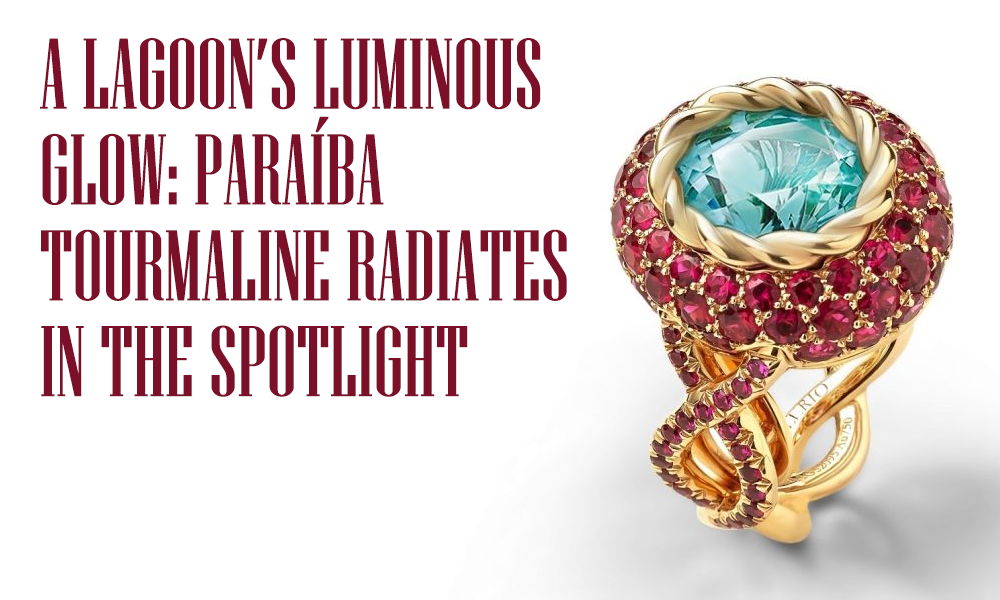
To the uninitiated, Paraíba tourmaline might still sound niche. But to gemstone connoisseurs, it is the crown jewel of modern coloured stones. Discovered only in 1989 in the Brazilian state of Paraíba, these electric blue-to-green gems are far rarer than diamonds—and more prized than even rubies, sapphires, and emeralds in certain markets.
The stone’s signature lagoon-like hue, often described as a blend of turquoise, cyan, and aquamarine, owes its vibrant neon glow to trace amounts of copper and manganese in its crystal structure. The result is a gemstone that appears almost lit from within—radiating a luminous energy unlike anything else in the gem world.
Origins and Evolution
The original Paraíba mines in Brazil produced the first of these miraculous gems, but were quickly depleted. In the early 2000s, new copper-bearing tourmaline deposits were discovered in Nigeria and Mozambique—now the primary sources for Paraíba-type stones. Despite ongoing debates about nomenclature, the international gemological community has broadly agreed that any copper-bearing tourmaline showing the electric colour associated with the original Brazilian finds may be labelled “Paraíba.”
Brazilian-origin stones, however, still command a premium and are often only found in private collections or vintage jewellery.
From Mine to Masterpiece
The journey of Paraíba tourmaline from mine to market is an arduous one. Kevin Ferreira, gemologist and co-author of Paraíba: The Legacy of a Color, offers a rare insider view. “There are fewer than a dozen organised mining operations globally. Miners often say their work runs on faith, not diesel,” Ferreira shares. With monthly mining costs soaring as high as $150,000 and no guarantee of finding viable stones, the process is as risky as it is rewarding.
Ferreira, along with jewellery expert Katerina Perez, spent two years researching, interviewing, and photographing the journey of Paraíba tourmalines for their book—a definitive tribute to the gem’s legacy. Perez notes that the stone’s rising prominence and dwindling supply made the timing urgent: “There aren’t many Paraíbas out there anymore. The original Brazilian mine is depleted. Mozambique is now the key source.”
Designers Who Dare
Due to its rarity and vibrant colour, Paraíba tourmaline has become a jewel of choice for bold, statement-making high jewellery. From Tiffany & Co.’s Blue Book collections to Piaget’s Summer Crush necklace, the stone offers designers a thrilling colour with unmatched intensity.
Tiffany’s chief gemologist Victoria Reynolds refers to their preferred term—“cuprian elbaite tourmaline”—highlighting the brand’s purist stance. High jewellery collections from Cartier, Louis Vuitton, Dior, Pomellato, and Marina B have all embraced Paraíba’s potential, whether as centrepieces or accent stones. Cartier has even experimented with green-hued Paraíbas, pushing the colour narrative further.
Notably, few jewellers work extensively with the stone due to its scarcity. Among the few are Zurich-based Doris Hangartner and Antwerp-based Jochen Leën, both known for their deep respect for the gemstone’s energy and spirit.
Investment Appeal
Paraíba tourmalines are not only prized for their aesthetics but are increasingly viewed as tangible assets. Prices have risen almost tenfold since the 1980s. According to Ferreira, those who bought Paraíbas during the pandemic have seen returns of up to 50%—even conservatively.
Perez offers this advice to potential investors: “For value retention, look for top colour—true swimming pool blue—with Brazilian origin and clarity. For style and presence, go for larger, clean Mozambique stones in impactful settings.”
A Gem with Soul
Unlike diamonds, Paraíba tourmalines are graded with less standardization, allowing emotion, personal taste, and the story behind each stone to take centre stage. As Perez puts it, “It’s not just beautiful—it demands a conversation. It’s not just pretty—it’s powerful, elusive, and unforgettable.”
Their increasing rarity, vivid colour, and rich backstory are propelling Paraíba tourmalines into the global jewellery consciousness. From couture runways to collector safes, this is a gemstone rewriting the rules of modern luxury.




JB Insights
US Holiday Sales Will See 5.5% Growth For 2026 : Mastercard Economics Institute
This Resilience Reflects A Robust Labor Market, Rising Household Wealth, and Broad-Based Consumer Demand Across Income Cohorts. Overall, The 2026 Holiday Season Showcases An Adaptable U.S. Consumer Using Digital and AI Tools To Maximize Value While Continuing To Drive Broader Economic Momentum.

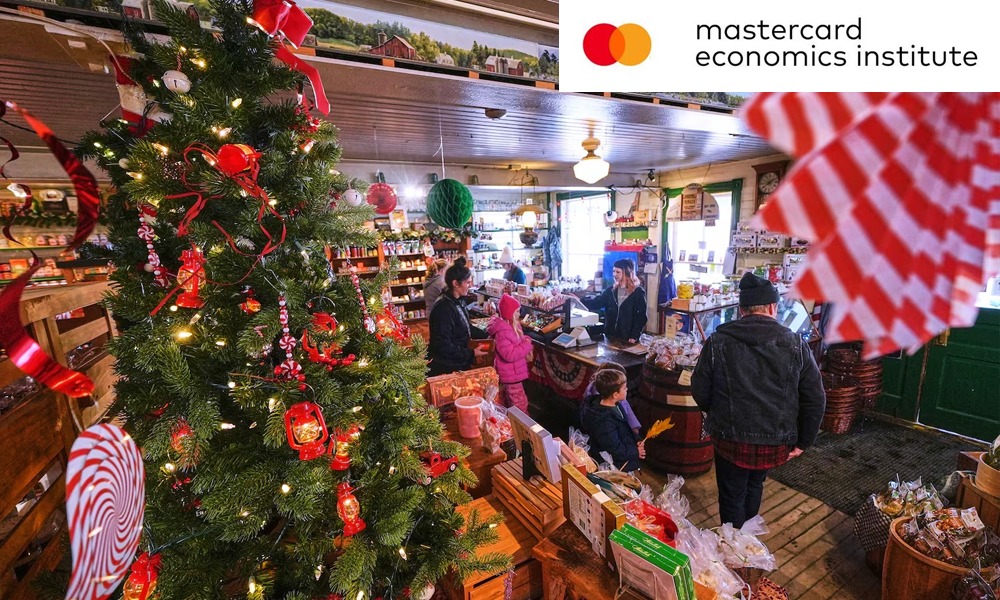
The Mastercard Economics Institute (MEI) forecasts a strong 2026 U.S. holiday shopping season (November 1–December 24), projecting retail sales excluding gas and autos to grow 5.5% year-over-year (YoY). This resilience reflects a robust labor market, rising household wealth, and broad-based consumer demand across income cohorts.
Key Drivers and Growth Channels
- Channel Performance: E-commerce continues to lead with an expected 11% YoY growth, but in-store sales are set to grow 3.6%—their strongest pace since 2022. This highlights the critical role of omnichannel strategies.
- Inflation Dynamics: Inflation accounts for 2.8 percentage points of the total 5.5% growth. Unlike last year’s tariff pressures, current price increases are driven by elevated energy/diesel costs and the massive AI infrastructure buildout.
- Calendar Shifts: A late Thanksgiving compresses the shopping window, pushing retailers toward early promotions. Additionally, Cyber Monday falling in November will shift significant online volume into the month.
The Role of Artificial Intelligence
AI is reshaping both prices and consumer behavior:
- Tech Inflation: High demand for memory chips and data infrastructure components has driven a 12.2% YoY increase in prices for info-processing equipment. Consequently, the consumer electronics category is projected to post outsized nominal sales growth (+10.7% YoY).
- AI Power Users: Consumers with paid AI subscriptions demonstrate distinct “optimization” habits. Data shows these users plan early, shop across a wider variety of boutique and specialty merchants, and aggressively target promotions during Thanksgiving weekend before transitioning to experience and hospitality spending in December.
Last-Minute Shopping Behavior
The final rush to Christmas offers key operational insights for retailers:
- In-Person and Malls: The final week before Christmas sees heavy physical store foot traffic, especially in enclosed shopping malls where consumers can complete multi-category purchases. Climate also plays a role: warmer-state residents (e.g., Florida, Nevada) are far more likely to make last-minute in-store runs than those in colder states.
- Transaction Value Trends: Average order values for children’s items peak near Black Friday, while premium categories—such as jewelry, cosmetics, luxury handbags, and department stores—see transaction values climb steadily from December 15, peaking on Christmas Eve as procrastinating shoppers pay a premium for convenience.
AI tools lower search costs for consumers, making price transparency higher than ever. Retailers must capture early November demand through targeted promotions before comparison tools push shoppers toward alternative or boutique brands.
Last-minute shoppers are price-inelastic and seeking speed. Malls and physical stores should maximize inventory for high-margin, rush-gift items (jewelry, cosmetics, designer goods, gift cards) in the final 10 days, leveraging store availability over promotional discounting.
Overall, the 2026 holiday season showcases an adaptable U.S. consumer using digital and AI tools to maximize value while continuing to drive broader economic momentum.



Kangana Ranaut Unveils PNG Jewellers New Showroom In Ayodhya~

GGJS 2026 Concludes With High-Volume Trade and Strategic Focus On Next-Gen Leadership

The Solitaire Festival Of India Concludes; Bumper Prize Winner At Ranka Jewellers Wins XUV 7XO
GGJS 2026 Concludes With High-Volume Trade and Strategic Focus On Next-Gen Leadership

ABARAN Commemorates The 125th Birth Anniversary Of Founder Shri Burde Sadananda Kamath With Special Gold Coin Launch

MCX Gold Silver Futures See Dip
-
 National News2 hours ago
GGJS 2026 Concludes With High-Volume Trade and Strategic Focus On Next-Gen Leadership
-
 National News6 hours ago
ABARAN Commemorates The 125th Birth Anniversary Of Founder Shri Burde Sadananda Kamath With Special Gold Coin Launch
-
 National News6 hours ago
MCX Gold Silver Futures See Dip
-
 National News3 days ago
P N Gadgil Jewellers Limited – Quarterly Update Q2FY27
