
National News
THE GEMS BEHIND OUR JEWELS


Gold is an integral part of our lives, more so in the lives of women. Considered auspicious, gold is part of every celebration – be it festivals or personal milestones. According to the World Gold Council, Indian women collectively own around 24,000 tons of gold, which accounts for about 11% of the world’s total gold reserves in jewellery form. It is only right to say India is the global leader in household gold ownership. The Oxford Gold Group’s report states that the Indian households have more gold than the combined reserves of the United States, the International Monetary Fund (IMF), Switzerland and Germany.
Vummidi Bangaru Jewellers has been serving the Indian community with authentic and aesthetically appealing gold jewels for 125 years, now. VBJ has been a benchmark for purity and trust for decades. Our remarkable growth story and undying patronage since the 1900 has been possible because of our quality, design and innovation in the jewellery space. Every piece of jewellery from VBJ is intricately crafted to bring out its true emotion with the purest of materials and finest craftsmanship. This has been possible because of the talented and focussed professionals of the VBJ team.
While VBJ is beyond gender classification among its team members, with women’s day round the corner, it is only right to celebrate and congratulate the women who have been instrumental for VBJ’s phenomenal growth.
We have a total of 254 women employees at VBJ – 233 in the retail and 21 in the creative centre. While it is our principle to value every employee, we are extremely proud of three women employees specifically who have spent decades with VBJ. Padmasri M has been with us for 42.08 years, Vanitha for 42.02 years and Latha S for 34.1 years. At this age and time, it is truly remarkable.
As of now, we have 8 women designers and all of them have been trained at National Institute of Fashion Technology (NIFT). In the earlier years, there have been several prominent women leaders who have made significant contributions to the brand, showcasing remarkable leadership and management skills in their respective roles like Vanitha, Latha, Revathi and Radha.
Vanitha handled the Anna Salai Silver branch, where she demonstrated her exceptional ability in managing both operational and customer service aspects of the business. As the order manager, Latha played a crucial role in streamlining the order management process. Revathi was responsible for overseeing the Anna Nagar branch, a position that required strong leadership and managerial expertise. Serving as the Billing Manager, Radha was pivotal in managing the financial transactions and ensuring smooth billing operations.
Specialised training programmes and growth
VBJ offers specialized training programs designed to enhance the technical and soft skills of their women professionals. The training focusses on leadership development, communication skills, technical training, and project management to ensure they are equipped to handle all departments of VBJ.
Women have equal access to all training programmes and career advancement opportunities. Our unbiased recruitment and promotion policies, focussing on merit and skills, are bringing more women to the team.
Woman power at VBJ
We have made considerable strides in increasing the female representation to reflect our commitment to diversity, equity and inclusion. In 2022, there was 130 women out of 584 employees, which increased to 166 (out of 748) the following year. This number escalated to 200 (out of 767) in 2024 and now it stands at 254 out of the total 847 employees. This has been possible because of focussed efforts to improve gender diversity, targeted recruitment initiatives, mentorship programmes, implementation of policies promoting work-life balance and inclusive development for women.
In line with the theme of International Women’s Day 2025 – Accelerate Action – VBJ is working towards the continued upward trend in women participation and growth. We are strongly committed to fostering an environment where women feel valued and empowered in their roles at VBJ. At the helm, 5th generation women entrepreneurs from the VBJ family having started pouring in their creativity and fresh thoughts.
The Future of Women in Jewellery
The presence of women in the jewellery industry is not just growing—it is shaping its very foundation. Brands that actively foster gender inclusivity witness not only stronger business performance but also richer, more meaningful creations that resonate with a diverse audience. As we look ahead, the contributions of women in jewellery will continue to accelerate change – whether as designers reimagining aesthetics, artisans preserving age-old techniques, retail professionals enhancing customer experiences, or leaders driving sustainable business practices, their role is indispensable. On this International Women’s Day, let’s celebrate the true gems behind the jewels—the women who craft not just ornaments, but legacies that shine beyond brilliance.








National News
IBJA, SAARTHI 360 Sign MoU To Launch ‘NextGen CEO: Leadership for the Future’
Executive Education Initiative To Equip The Next Generation Of Jewellery Manufacturers With The Leadership Capabilities, Strategic Perspective and Decision-Making Skills Required To Lead Family Businesses.

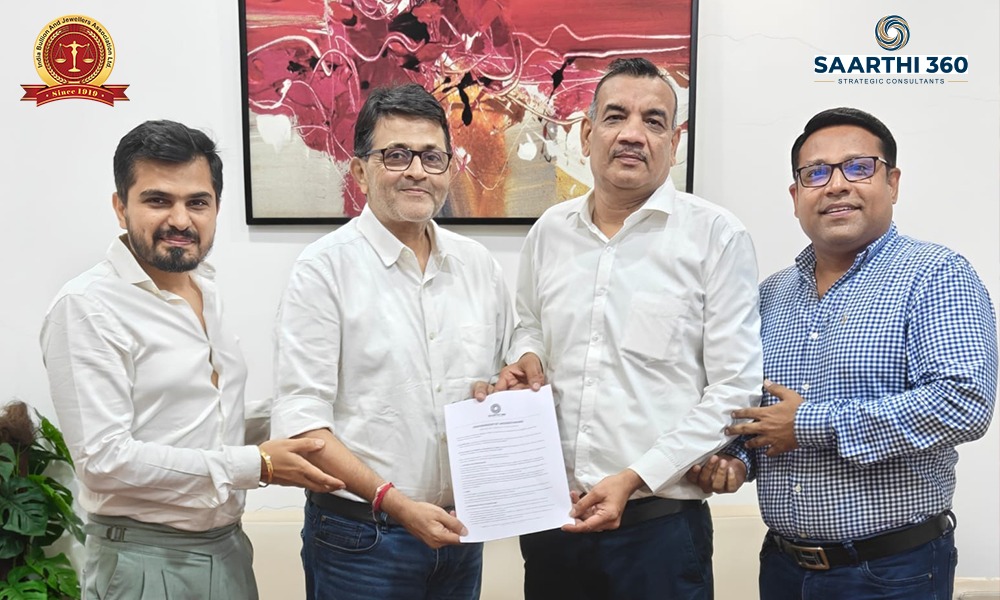
The India Bullion and Jewellers Association (IBJA) and SAARTHI 360 have signed a Memorandum of Understanding (MoU) to launch ‘NextGen CEO: Leadership for the Future’, an executive education programme designed to prepare the next generation of jewellery manufacturers for CEO and senior leadership roles in family-owned businesses.
The programme will help emerging leaders move beyond day-to-day operations by strengthening their strategic thinking, leadership judgement and managerial capabilities to improve organisational performance and support sustainable growth.
Building the Next Generation of Jewellery Business Leaders
Centred on ‘NextGen CEO — Becoming the CEO of a Family Jewellery Business’, the programme addresses leadership succession and executive decision-making in family-owned jewellery enterprises.
- Understanding the CEO’s role: Defining a CEO’s responsibilities and expectations in a jewellery business.
- Clarifying leadership and governance roles: Distinguishing among an owner, promoter, director, managing director and CEO.
- Strategic leadership versus daily operations: Moving from routine management to long-term business direction and priorities.
- Decision-making and strategic thinking: Applying structured frameworks to complex business situations.
- Managing stakeholders: Navigating relationships with family members, shareholders, employees and other stakeholders.
- Performance measurement: Using a CEO dashboard to monitor performance and support informed decisions.
- The first 100 days as CEO: Establishing priorities for the transition into executive leadership.
- Second-generation leadership challenges: Addressing succession, authority, accountability and organisational change.
- Ethics and integrity: Building trust through responsible leadership, sound governance and ethical decision-making.
Surendra Mehta, National Secretary, IBJA, said:
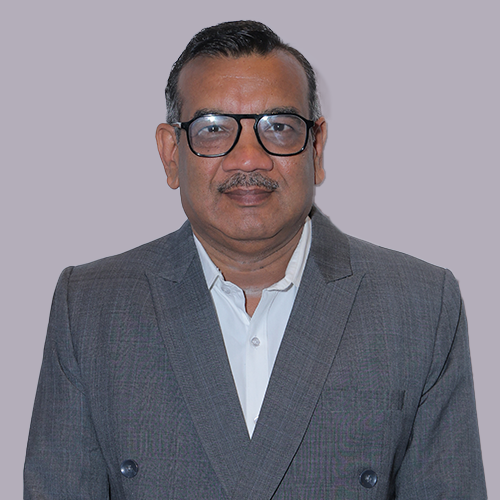
“Family-owned jewellery businesses play a significant role in India’s gems and jewellery industry. As these businesses grow and prepare for generational transitions, developing capable and confident future leaders becomes increasingly important. Through this initiative, we aim to help the next generation build the clarity, discipline and leadership capabilities needed to take their businesses forward while preserving the strengths of their family legacy.”
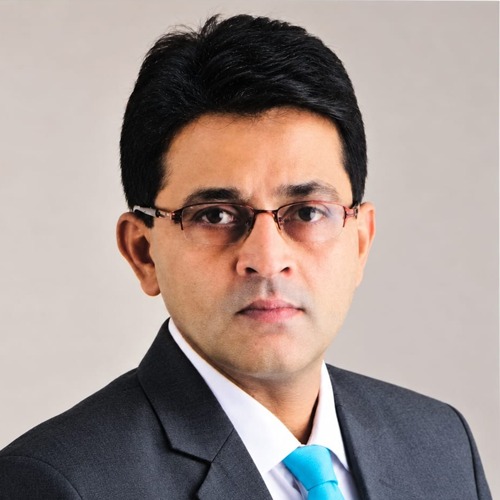
Binit Bhatt, Partner, SAARTHI 360, said:
“Becoming a CEO is about much more than inheriting a title. It requires a fundamental shift in mindset—from managing day-to-day operations to setting direction, making informed decisions, building accountability and earning the confidence of family members, employees and other stakeholders. The NextGen CEO programme is designed to equip emerging leaders with practical frameworks and perspectives that they can apply to the realities of their own businesses.”
Hitesh Khandelwal, Partner, SAARTHI 360, said:
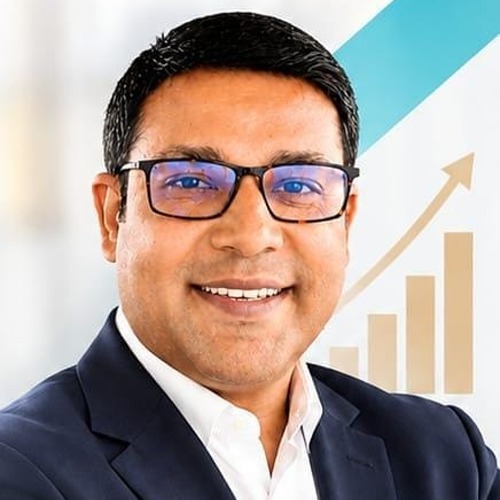
“Jewellery businesses are navigating an important generational transition, where preserving a strong legacy must go hand in hand with professional management and strategic thinking. Through NextGen CEO, we aim to help emerging leaders develop the confidence, capabilities and business perspective required to lead effectively, drive sustainable growth and prepare their organisations for the future.”



Gargi By P N Gadgil & Sons Invites Women To #GETNOTICED This Diwali In New Campaign With Mithila Palkar

IBJA, SAARTHI 360 Sign MoU To Launch ‘NextGen CEO: Leadership for the Future’

Jos Alukkas Unveils New Website For A Seamless Online Jewellery Shopping Experience

Dhanteras Shopping Guide 2026:Gold, Silver, Diamonds & Festive Jewellery Trends To Watch

The Solenne Collection: A Celebration Of Diwali By Bharti Bangur Fine Jewels

From Diya Puja To Diwali Soirées: Jewellery Designed To Go Beyond The Festive Season
-
 JB Insights4 days ago
Dhanteras Shopping Guide 2026:Gold, Silver, Diamonds & Festive Jewellery Trends To Watch
-
 BrandBuzz4 days ago
The Solenne Collection: A Celebration Of Diwali By Bharti Bangur Fine Jewels
-
 BrandBuzz4 days ago
From Diya Puja To Diwali Soirées: Jewellery Designed To Go Beyond The Festive Season
-
 National News4 days ago
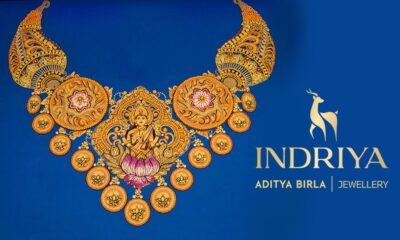
Indriya, Aditya Birla Jewellery Unveiled India’s Largest Sustainable Jewellery Rangavalli
