JB Insights
The Festive Jewellery Market: The Jewellery Market Is Witnessing A Shift In Buying Patterns Rather Than A Slowdown In Demand
As India Heads Into Dhanteras, Diwali and The Wedding Season, JewelBuzz Spoke To Cross Section Of Trade Which Opined That The Jewellery Market Is Witnessing A Shift In Buying Patterns Rather Than A Slowdown In Demand. Record Gold Prices, Changing Consumer Preferences and Value-Conscious Purchasing Are Reshaping The Festive Basket, With Lightweight Gold, Diamonds, Silver, Polki and Fashion Jewellery Emerging As Key Growth Drivers. Industry Leaders Share Their Perspectives On The Opportunities Ahead.

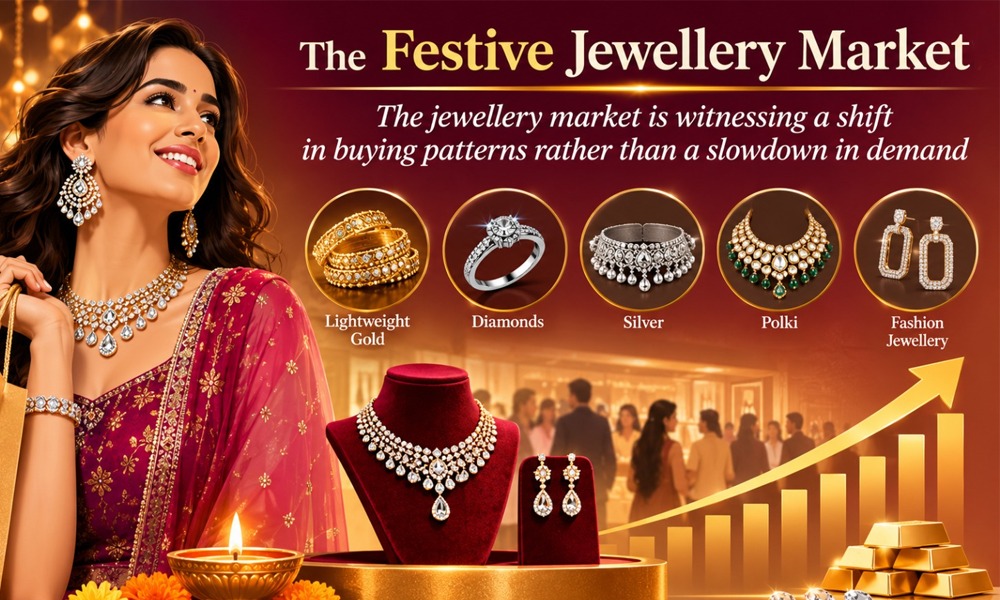
Gold: Trust Remains Strong, But Buying Becomes Purposeful
High gold prices have not dampened the emotional and investment appeal of gold. Instead, consumers are becoming more deliberate, balancing aspiration with affordability through lightweight jewellery, old-gold exchange and advance bridal purchases.
Aman Talla, MD of Talla Jewellers, believed:

“The relationship between gold prices and consumer confidence remains remarkably strong. Reflecting on the brand’s 40-year journey, he points out that rising gold prices have historically reinforced trust in the metal rather than weakened it. Customers are buying with greater purpose, opting for lighter designs, exchanging old jewellery and beginning their bridal purchases early. Talla expects the season to remain strong.
The emotional significance of gold also extends beyond the transaction. Talla Jewellers’ Diwali Homecoming initiative celebrates the annual reunion of families, particularly those who live and work away from home. Its exclusive Polki collection is positioned around the special moments and memories created when families come together for the festivities.”
At the broader industry level, the World Gold Council sees encouraging signs of seasonal buying sentiment and jewellers’ preparations.
Sachin Jain, Regional CEO, India, World Gold Council, noted:
“Dhanteras and Diwali traditionally stimulate gold purchases for investment, gifting and jewellery. While elevated prices will continue to influence buying decisions, consumers are adapting through lighter-weight jewellery and exchange-led purchases.”

The WGC anticipates India’s full-year gold demand in the range of 625–675 tonnes, with the festive and wedding seasons expected to provide important support.
The New Gold Shopper: Exploring Caratages and Designs
Gold jewellery buying is also becoming more experimental. Consumers are exploring different caratages, designs and price points instead of restricting themselves to traditional 22KT purchases.
Suvankar Sen, MD & CEO, Senco Gold Ltd.,reported

Wedding shoppers have already started purchasing ahead of the season. With gold prices correcting by 8–10% from their higher levels, buyers are showing greater willingness to experiment with newer designs and caratages while remaining focused on quality, value and versatility.
Senco’s offerings across 9KT, 14KT, 18KT and 22KT gold enable it to address diverse requirements, ranging from everyday jewellery and festive gifting to elaborate wedding purchases. Diamonds are another encouraging category, with the company witnessing growth of over 25–30%.
This shift indicates that consumers are not necessarily abandoning their jewellery aspirations; they are exploring different ways of fulfilling them.
Natural Diamonds: A Festive Favourite with Long-Term Appeal
Natural diamond jewellery continues to command a significant place in the festive and wedding purchase basket, particularly among consumers looking for versatile pieces that retain their emotional significance beyond a single occasion.
Neil Sonawala, MD, Zen Diamond India, reported:
“A positive start to the season, with the brand recording 30% sales growth during Dussehra. He expects consumer interest to remain encouraging through Dhanteras and Diwali, supported by festive buying and wedding-related purchases.”

According to Sonawala, customers increasingly favour natural diamond jewellery that combines versatility with enduring appeal—pieces that can be worn across occasions and cherished for years. To strengthen the value proposition, Zen Diamond India is focusing on its Dazzling Diwali and Magic Pricing initiatives.
The trend also highlights the importance of offering consumers a compelling combination of design, quality and perceived value in a high-price environment.
Fashion Jewellery: Affordability Meets Design Aspirations
The premium fashion jewellery segment is benefiting from consumers seeking design variety without the financial commitment associated with precious metals.
Manish Gulechha, CEO & Co-founder, Kushals Fashion Jewellery, said:

“Demand remained strong through Navratri, Dussehra and Karwa Chauth, supported by healthy store footfalls and online traffic. With record gold prices influencing purchase decisions, consumers are increasingly turning to premium fashion jewellery for its affordability, design flexibility and variety.
Kundan, antique-inspired designs and versatile pieces that can be restyled are among the prominent trends. CZ jewellery is also gaining popularity, offering consumers the opportunity to embrace fashionable looks at accessible price points.”
Gulechha expects the Dhanteras-to-Bhai Dooj period to be the peak festive buying window, with earrings, bangles and silver jewellery featuring prominently in gifting purchases.
From mid-November, attention is expected to shift towards weddings, with demand for bridal and guest-wear sets gathering momentum. Kundan, Polki-look, antique, temple and jadau-inspired designs are expected to lead the category.
Silver: Lower Price Points Could Unlock Festive Demand
Silver is experiencing a slightly different market dynamic. While declining prices have temporarily moderated sales, retailers appear confident about the upcoming festive opportunity.
Ritesh Doshi, Director, Ricchezza Royal 925 Sterling Silver Jewellery, observed:
“Silver sales have slowed temporarily in response to falling prices, with further corrections anticipated. However, the underlying business momentum remains positive, with retailers undertaking robust stock purchases ahead of Diwali.”

He believes that lower price points could encourage stronger consumer purchasing during the festive season. This creates an interesting opportunity for silver jewellery, particularly as consumers look for accessible gifting options and alternatives across price segments.
Retailers Look for Design, Speed and Reliable Supply
While consumer demand is evolving, the festive opportunity also places greater responsibility on manufacturers and suppliers. Retailers need the right designs, the ability to replenish fast-selling products and competitive offerings that respond to changing preferences.
K. Srinivasan, CMD, Emerald Jewel Industry India Limited, pointed out:

“retailers are increasingly seeking fresh designs, faster inventory rotation, consistent product availability and competitive pricing.
He believes manufacturers that combine design innovation with manufacturing strength, operational efficiency and dependable market support will be better positioned to drive growth. Emerald, he adds, remains committed to supporting retailers as a growth partner through the festive and wedding season.”
The Bigger Picture: A Market Adapting, Not Retreating
The festive jewellery market of 2026 is being defined by adaptation rather than hesitation. Gold continues to enjoy strong consumer trust, but lightweight designs, old-gold exchange and multiple caratage options are making purchases more accessible. Natural diamonds are benefiting from demand for versatile, enduring jewellery, while premium fashion jewellery is attracting consumers seeking affordability and design variety.
Silver, meanwhile, could gain from lower price points, while manufacturers are focusing on inventory agility and market responsiveness to support retailers.
The common thread across industry perspectives is that consumers remain emotionally connected to jewellery and its association with festivals, weddings, gifting and wealth preservation. However, they are becoming more discerning about what they buy, how much they spend and the value they receive.
The festive opportunity, therefore, lies not merely in selling more jewellery, but in understanding the changing consumer and offering the right product at the right price, at the right time.





JB Insights
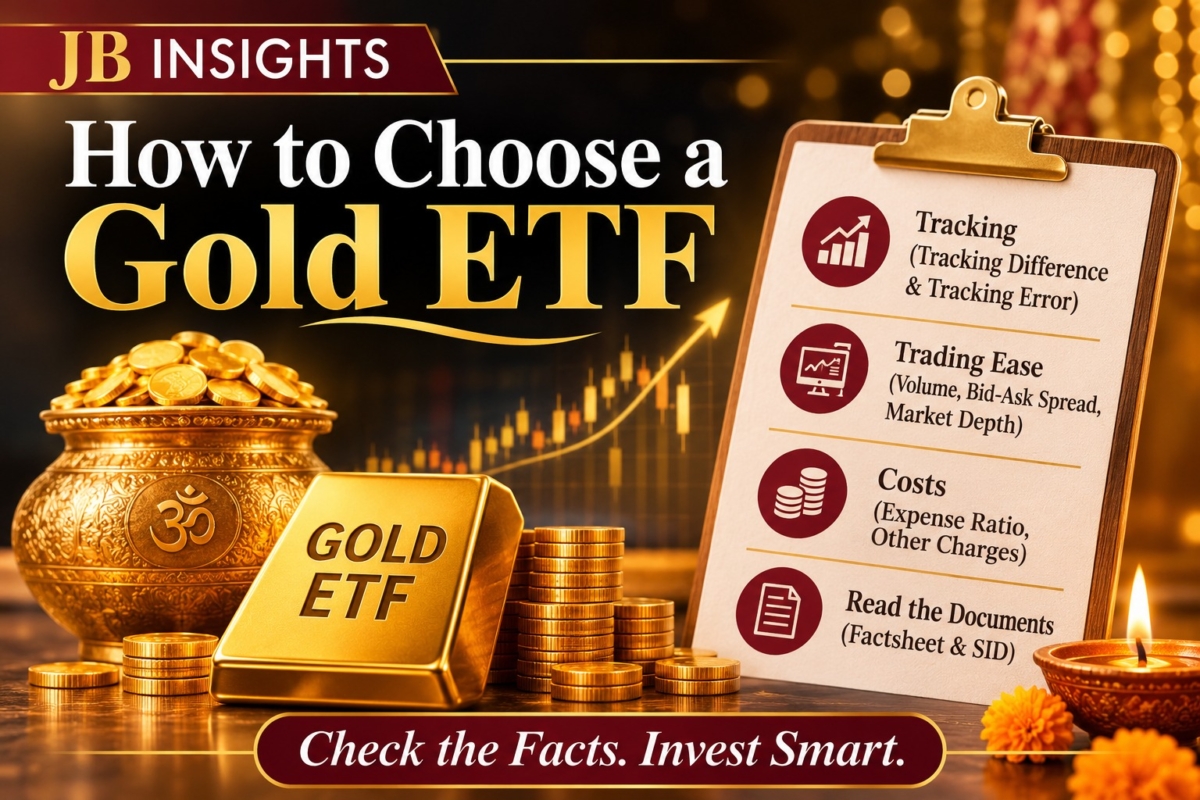
How To Choose A Gold ETF
Choosing A Gold ETF Before Dhanteras Takes More Than Looking At Recent Returns Or Fund Size. Tracking, Trading Ease, Costs and Disclosures Tell You How A Fund Really Works. Check The Latest Information, Because Gold Prices and Muhurat Trading Outcomes Can Change.
Gold ETFs look alike because they all follow the price of gold in India. But they are not the same. Their costs, trading activity and how closely they follow gold can differ. Before Dhanteras and Muhurat trading, compare the facts and read the latest documents instead of trusting advertising.
Why returns can differ from gold prices
A Gold ETF aims to match the Indian price of physical gold. Your returns may still be a little different. Fund charges, cash kept aside, transaction costs and the timing of gold purchases can all create a gap.
An ETF also trades on the stock exchange at its own market price. This can be higher or lower than its NAV (the actual value of the fund’s holdings per unit). So don’t judge a fund only by its recent returns. Understand how it works.
1. Check how closely the fund follows gold
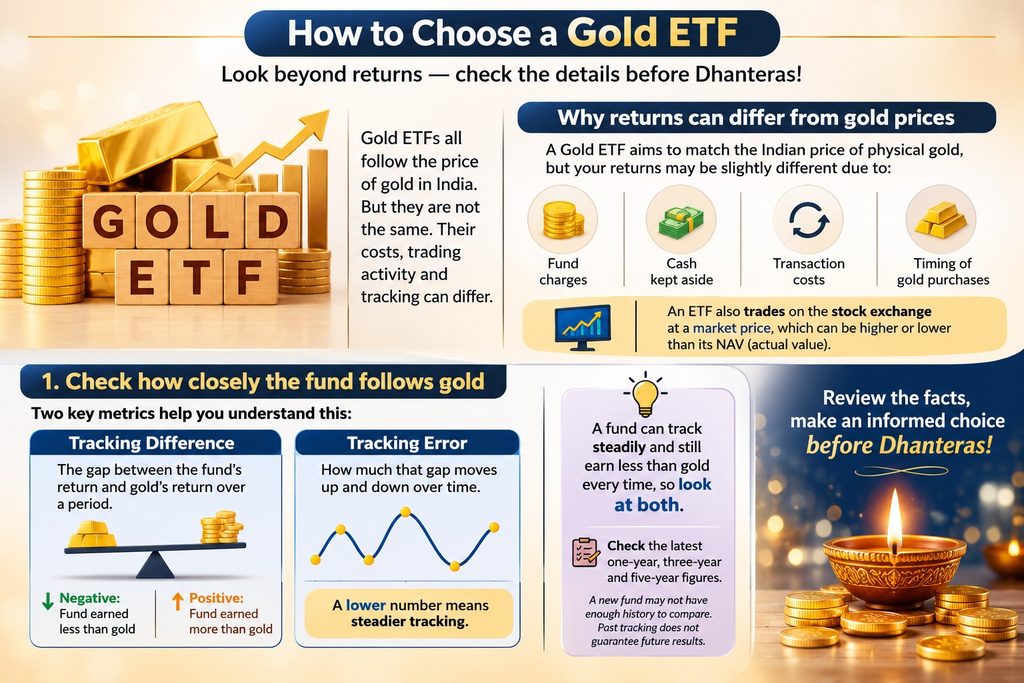
Two terms tell you this:
- Tracking difference: the gap between the fund’s return and gold’s return over a period. A negative number means the fund earned less than gold. A positive number means it earned more.
- Tracking error: how much that gap moves up and down over time. A lower number means steadier tracking.
A fund can track steadily and still earn less than gold every time, so look at both. Check the one-year, three-year and five-year figures where available. A new fund may not have enough history to compare. Past tracking does not guarantee future results.
2. Check how easily you can buy and sell
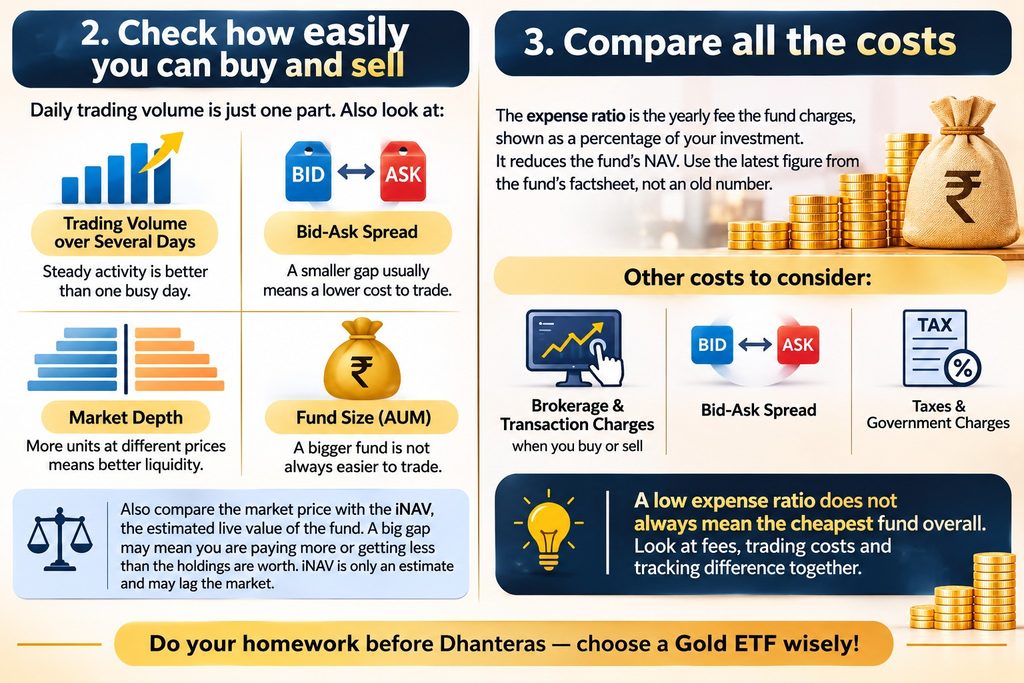
Daily trading volume helps, but it is not enough. Also look at:
- Trading volume over several days: steady activity is more useful than one busy day.
- Bid-ask spread: the gap between what buyers offer and what sellers ask. A smaller gap usually means a lower cost to trade.
- Market depth: how many units are available at different prices. If few units are available, a large order may not get a good price.
- Fund size (AUM): a bigger fund is not always easier to trade.
You can also compare the market price with the iNAV, which is the estimated live value of the fund. A big gap may mean you are paying more or getting less than the holdings are worth. iNAV is only an estimate and may lag the market.
3. Compare all the costs
The expense ratio is the yearly fee the fund charges, shown as a percentage of your investment. It reduces the fund’s NAV. Use the latest figure from the fund’s factsheet, not an old number from a comparison article.
Other costs also matter:
- Brokerage and transaction charges when you buy or sell
- The bid-ask spread
- Taxes and government charges
A low expense ratio does not always mean the cheapest fund overall. Look at fees, trading costs and tracking difference together.
4. Read the fund’s documents
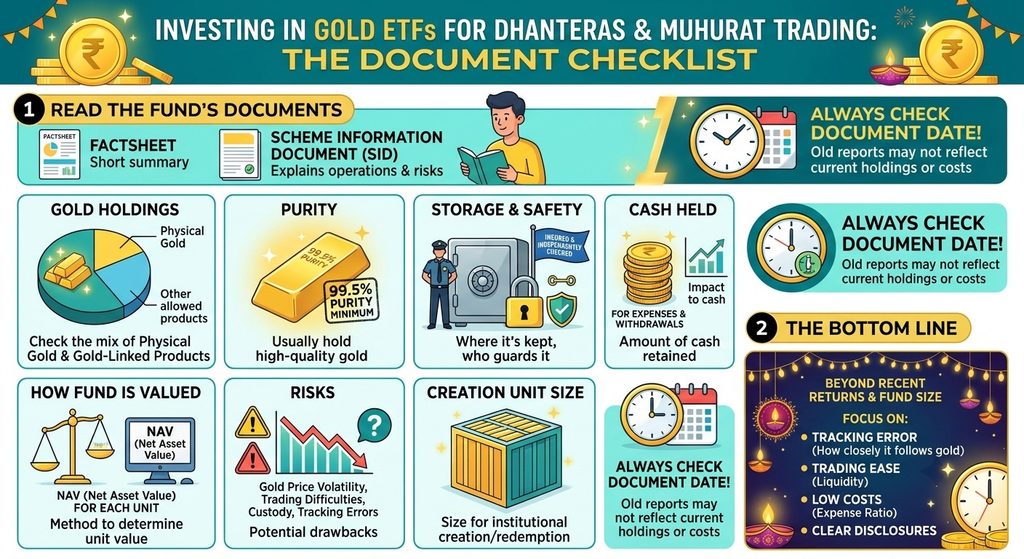
The factsheet is a short summary of holdings, costs and performance. The Scheme Information Document (SID) explains how the fund works and what the risks are. Look for:
- Gold holdings: how much is physical gold and how much is in other allowed gold-linked products.
- Purity: gold ETFs usually hold gold of at least 99.5% purity.
- Storage and safety: where the gold is kept, who looks after it, and whether it is insured and checked independently.
- Cash held: some cash is kept for expenses and withdrawals, which can affect how closely the fund follows gold.
- How the fund is valued: how it works out the NAV for each unit.
- Risks: gold price changes, trading difficulty, custody and tracking differences.
- Creation unit size: the block of units that large institutions use to create or redeem units directly with the fund.
Always check the date on the document. Old factsheets may not show current holdings or costs.
The bottom line
Choosing a Gold ETF before Dhanteras takes more than looking at recent returns or fund size. Tracking, trading ease, costs and disclosures tell you how a fund really works. Check the latest information, because gold prices and Muhurat trading outcomes can change.
This is general information, not investment advice
JEWELBUZZ is not responsible , liable for any investment decision that results in loss . take advice from qualified investment advisor


Kalyan Jewellers Reimagines The Wedding Blessing With New ‘Kalyan Bhava’ Campaign

The Festive Jewellery Market: The Jewellery Market Is Witnessing A Shift In Buying Patterns Rather Than A Slowdown In Demand

Every Day, A New Story: Mia By Tanishq Reimagines Billboard Advertising With Its ‘Precious, Every Day’ Calendar


-
 JB Insights2 weeks ago
Dhanteras Shopping Guide 2026:Gold, Silver, Diamonds & Festive Jewellery Trends To Watch
-
 BrandBuzz2 weeks ago
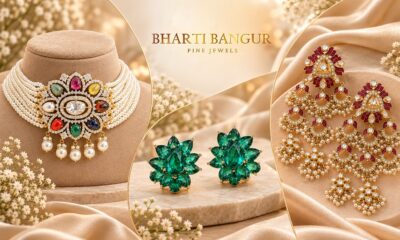
The Solenne Collection: A Celebration Of Diwali By Bharti Bangur Fine Jewels
-
 BrandBuzz2 weeks ago
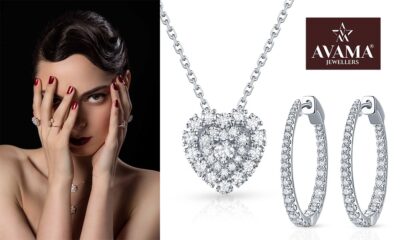
From Diya Puja To Diwali Soirées: Jewellery Designed To Go Beyond The Festive Season
-
 National News2 weeks ago
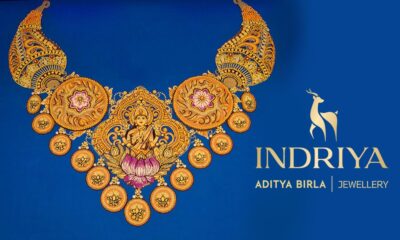
Indriya, Aditya Birla Jewellery Unveiled India’s Largest Sustainable Jewellery Rangavalli