
National News
Tariff hike to cut revenues of diamond polishers 28-30% this fiscal: CRISIL RATINGS
Reduction in debt to cushion profitability impact; credit profiles face challenges


India’s natural diamond polishing industry faces a steep 28-30% fall in revenues to ~$12.50 billion this fiscal, compared with $16 billion last fiscal, after the imposition of 50% tariffs (25% reciprocal plus 25% penalty) by the US. The blow will follow a ~40% degrowth over the past three fiscals because of a fall in both prices and sales volume of natural diamonds as demand in the US and China dropped, and competition from lab-grown diamonds rose.
The 50% tariffs, effective this week, makes exports to the US tough for two reasons: one, the industry’s low margins make absorption of the incremental levy very difficult and two, declining demand means passing on the incremental burden to consumers will not be easy. The consequent reduced operating leverage could erode the operating margin of diamond polishers by 50-100 basis points and pressurise their credit profiles.
Our analysis of 43 diamond polishers, accounting for nearly a fourth of the industry’s revenues, indicates as much.
The Indian polished diamond industry derives 80% of its revenues from exports while the US is a key market for India and accounted for as much as 35% of its exports. Sales had begun getting impacted after a 10% tariff was imposed in April 2025. Hence, the share of the US in India’s polished natural diamonds slid 1100 basis points in the first four months of this fiscal to 24%.
But in a proactive move, diamond polishers had cranked up production in July and August to meet the anticipated festival demand in the US. Not surprisingly, exports surged 18% in July on-year And competition from lab-grown diamonds in markets such as the US will continue to dent revenues, with the variety having already captured ~60% of the market share by volume. Subdued Chinese demand adds to these woes.

Says Rahul Guha, Senior Director, Crisil Ratings, “The upshot is that revenues for the domestic industry, which polishes ~95% of all diamonds produced in the world, is set to drop to its lowest since 2007. To be sure, consumption in India has been increasing sequentially over the years, but the incremental demand doesn’t have the heft to fully offset the losses in the US and China. Additionally, while the UAE has emerged as a dominant hub for India’s exports with its share doubling to ~20%, on year, the risks of a substantial downturn in revenues are high.”
The industry’s ability to navigate the market dynamics, including tariffs, is crucial to its future. Diamond polishers can take three steps: increase domestic sales; push sales in alternative geographies; and set up polishing facilities in trading hubs as rerouting via low-tariff nations is not an option. Even if retailers explore alternative sourcing options in lower-tariff countries such as the UAE or Belgium, a significant portion of the diamonds would still be polished in India and thus subject to higher tariff.
And given the falling demand, US retailers are unlikely to absorb the tariff cost. Hence, operating margins of diamond polishers would decline to 3.5-4.0% after dropping 100 bps in the past three fiscals from a peak of 5.5% in fiscal 2023.
Diamond polishers are expected to keep a lean inventory to control debt. Miners have cut production to limit the fall in prices, in line with subdued demand. Timely collection from customers abroad will be monitorable amid slowing demand. Debt levels of diamond polishers should reduce over the medium term. In the road ahead, demand for natural diamonds in key markets will need close monitoring, given the tariff landscape and geopolitical uncertainties.




BrandBuzz
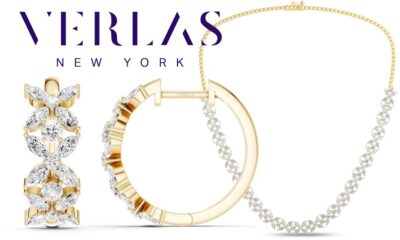
Verlas Introduces the ‘Alyssa’ Collection in India, Bringing Modern Luxe Floral-Inspired Design to Lab-Grown Diamond Jewelry Crafted in Fine Gold
The New York-born brand channels statement floral designs in modern silhouettes and larger carat diamond brilliance into a collection made for weddings, engagements, cocktail evenings, and wedding Trousseau Picks.
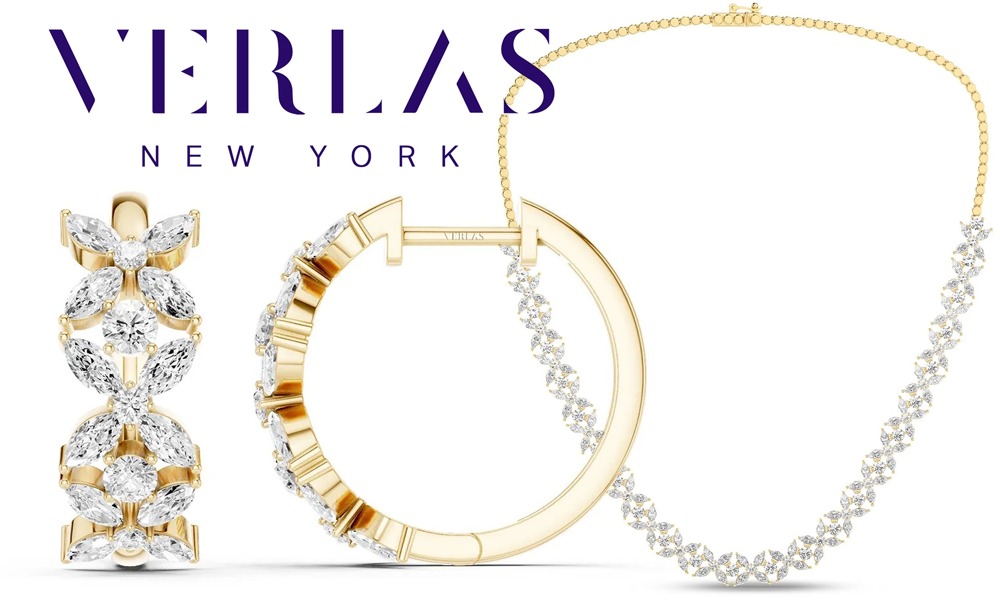
Verlas, the New York-based fine jewelry brand, has brought its luxurious Alyssa collection to India, a floral-inspired range of contemporary designs crafted with IGI-Certified lab-grown diamonds and BIS hallmarked gold in 14K and 9K Gold variants. Built around larger carat weights and romantic floral design, the collection pairs statement sparkle with Verlas’ commitment to sustainability and craftsmanship. Since its founding in 2019, Verlas has focused on modern, considered jewelry designed to feel personal and meaningful, handcrafted by skilled artisans in VS clarity lab-grown diamonds set in fine gold.
Inspired by blooming florals, the Alyssa collection translates nature’s motifs into refined diamond jewelry designed for everyday moments in the form of elegant pendant necklaces and Studs designed with florets of round-cut and marquise-cut diamonds, and then there are these luxe styles that call for something more. For bigger celebrations to evening dressing, these luxe designs are crafted with marquise and round-cut diamonds in hoops and dangler earrings, unique tennis bracelets and tennis necklace designs that embrace the designer craftsmanship of Verlas. The Alyssa collection brings signature brilliance to a range of personal styles.
For the modern bride, Alyssa brings together jewelry for every part of her journey—from the engagement and big day to her trousseau, bridesmaids and the little moments beyond. Fashion-forward yet effortlessly elegant, each design is crafted to make a statement today and stay in her rotation long after the celebrations are over.
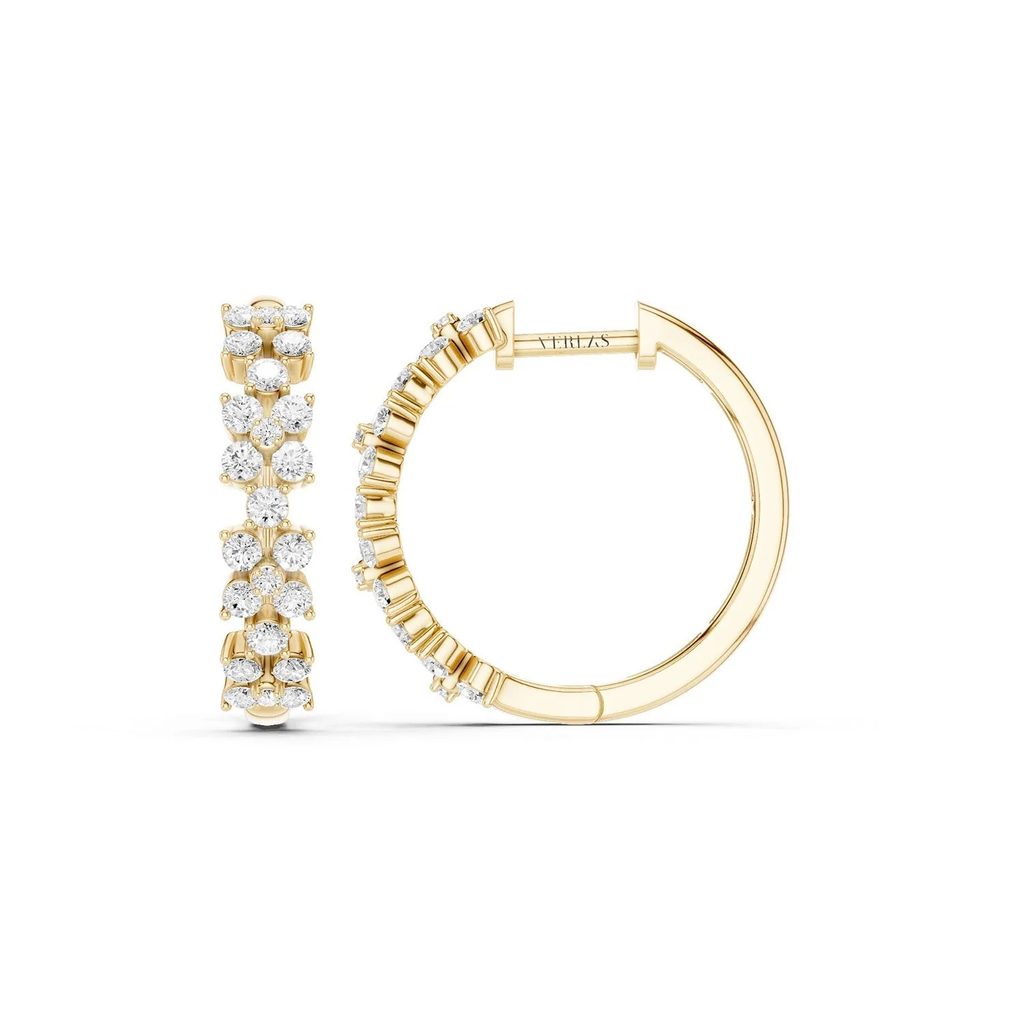
Among the highlights are the Alyssa Cuatro Floral Hoops, featuring five round lab-grown diamonds arranged in a delicate floret on a solid gold hoop. For a softer, more elegant look, these round-cut diamonds bring a classic appeal – perfect for those who prefer understated sparkle.
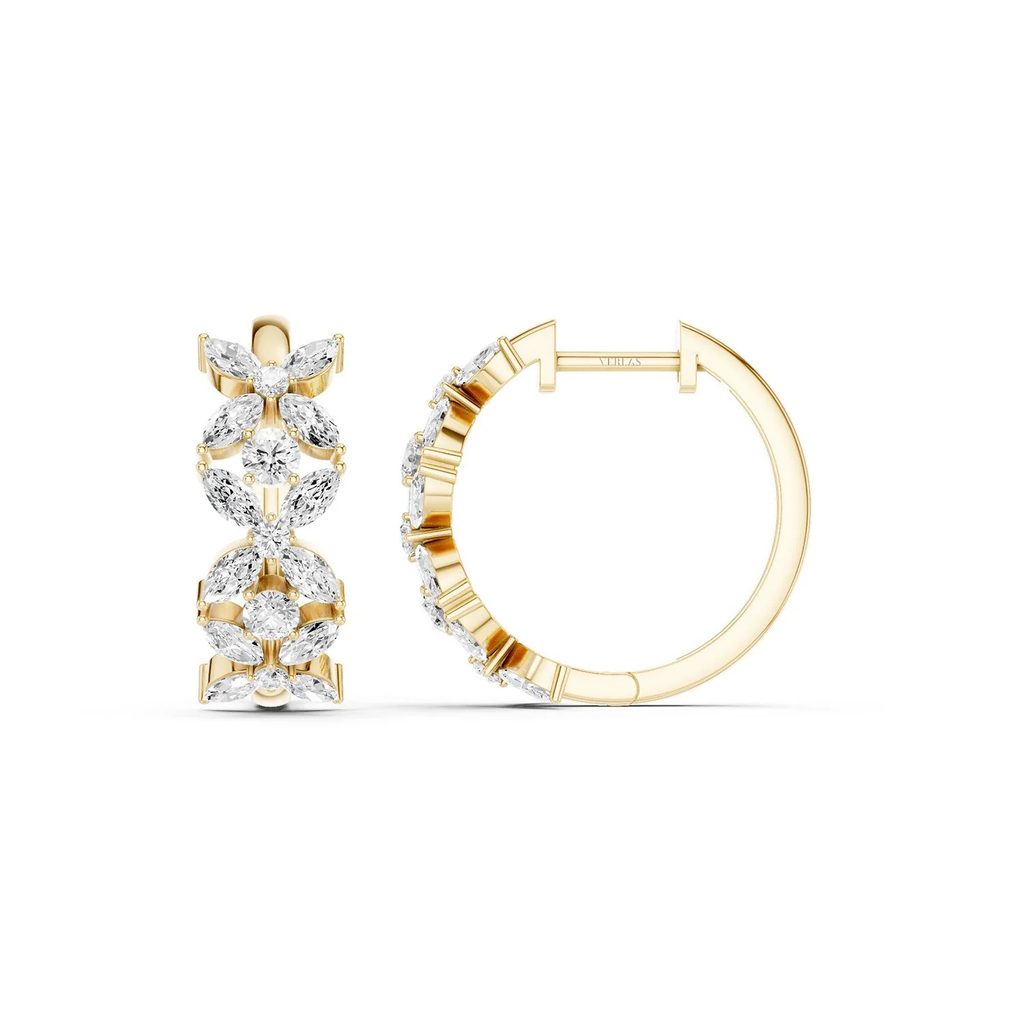
If bold and distinctive is more your style, the Alyssa Tres Marquise Diamond Huggies bring an elongated floral silhouette with marquise-cut diamond petals.
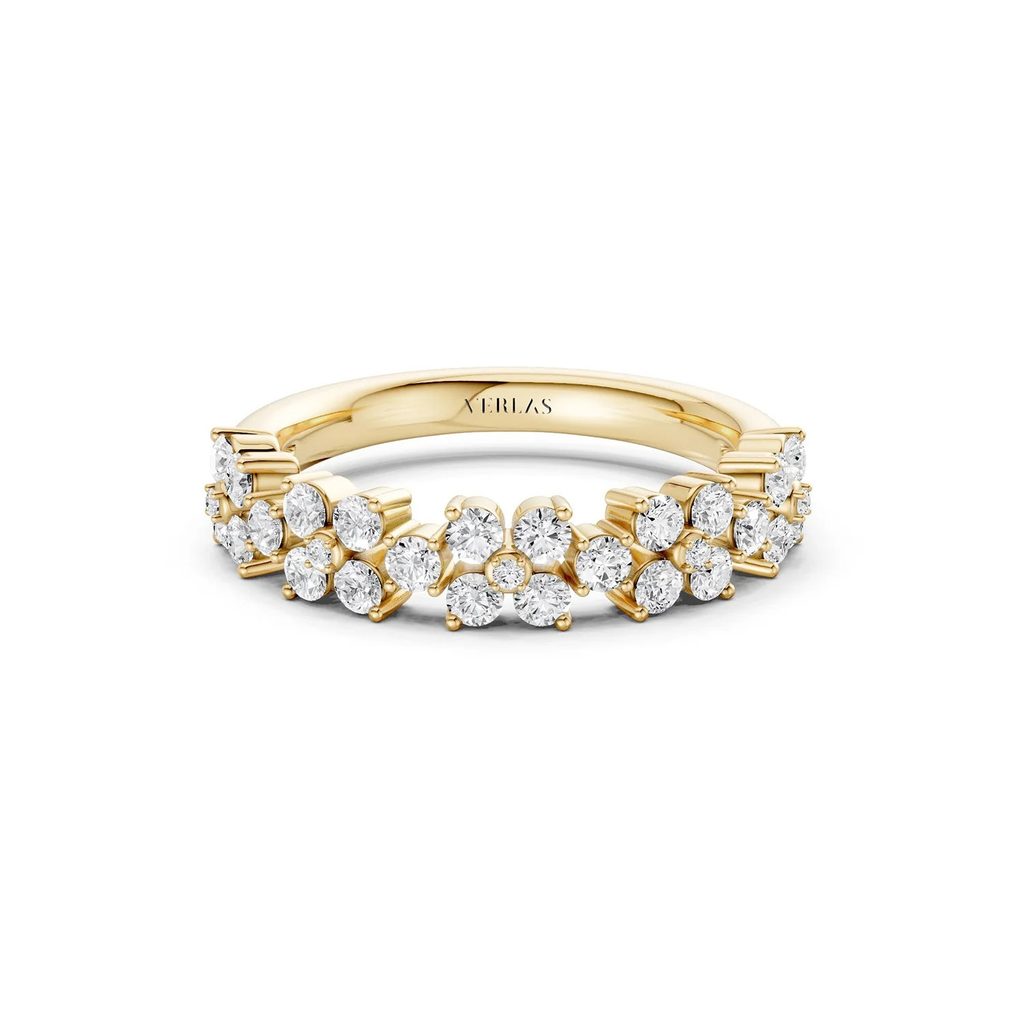
The Alyssa Radiant Bloom Ring offers another take on the floral motif, bringing together round-cut diamonds for a radiant, feminine look.
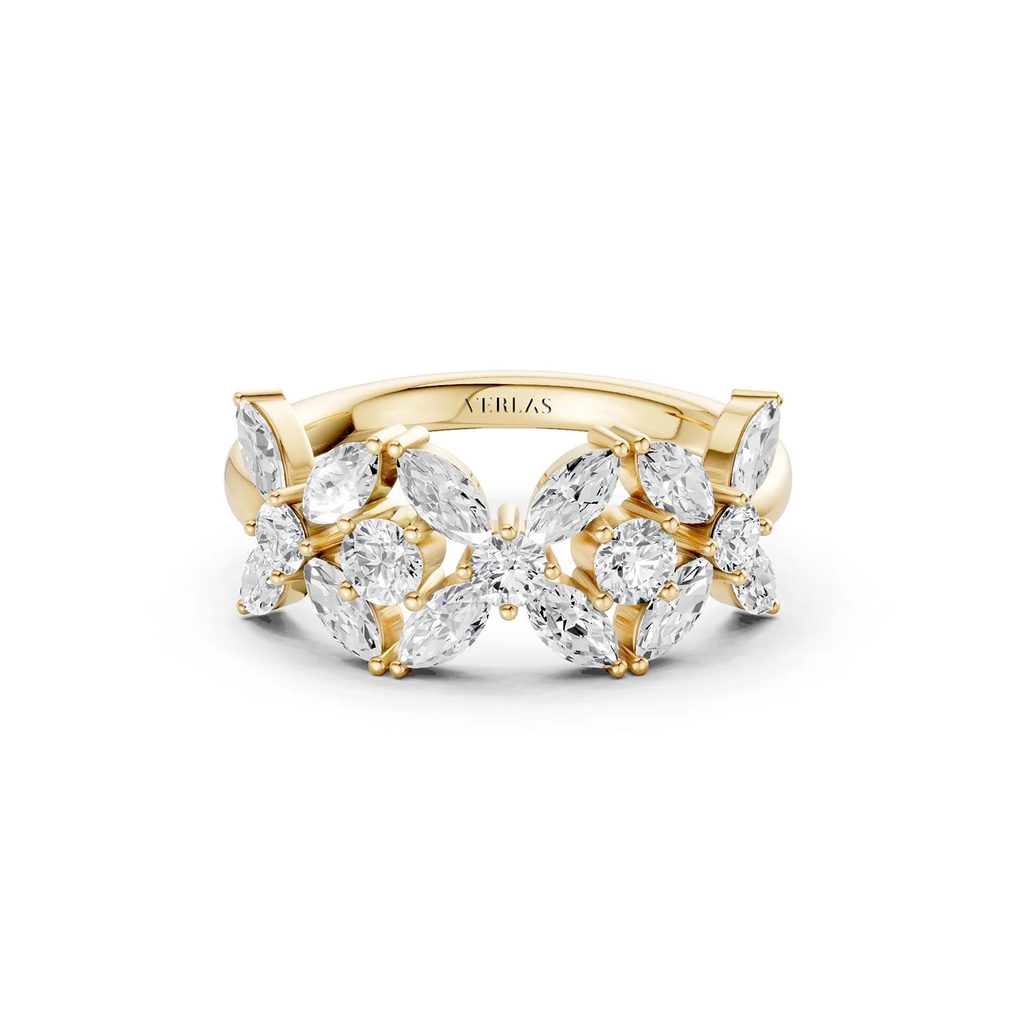
Meanwhile, the Alyssa Trio Marquise Bouquet Ring takes a bolder approach, featuring three diamond florets crafted with marquise diamond petals. Whether you lean towards the elegant simplicity of round cuts or the bolder character of marquise cuts, the Alyssa collection offers a floral style to match.
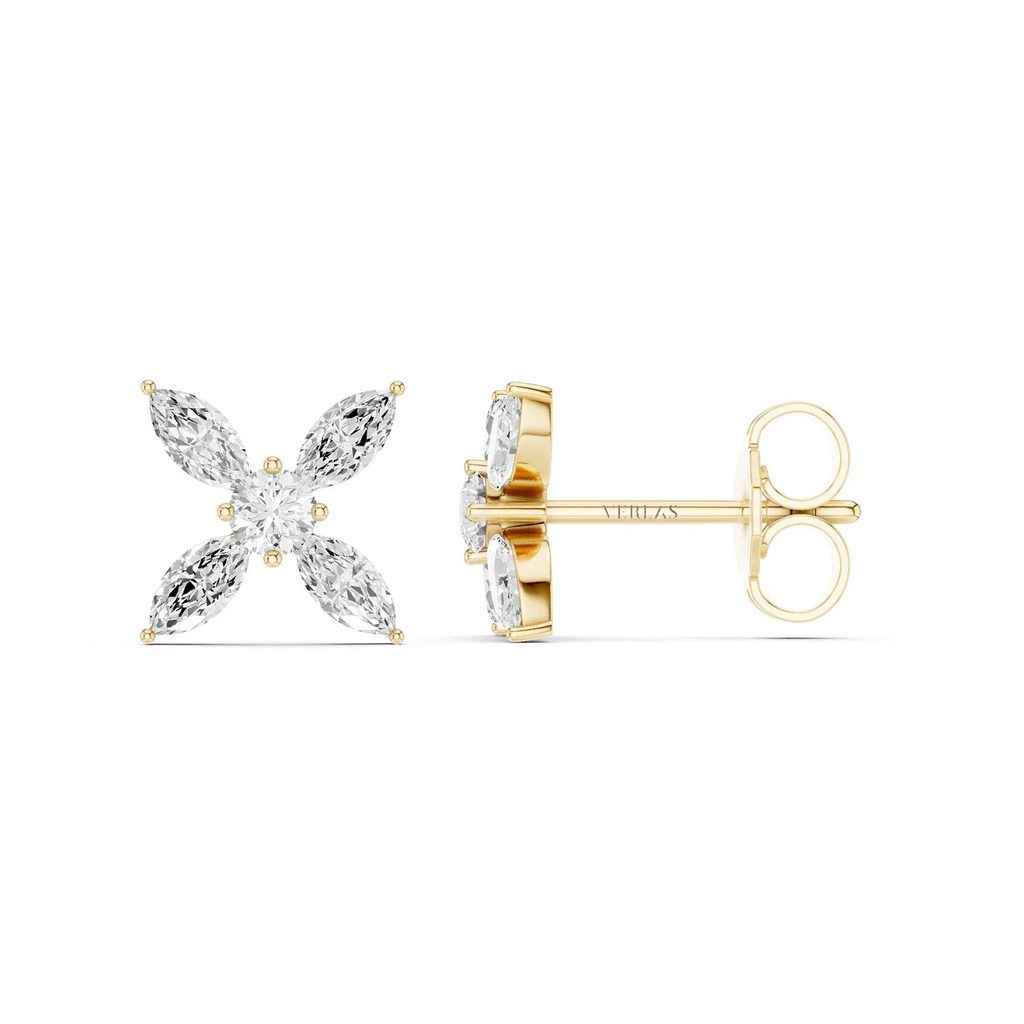
The Alyssa Marquise Studs bring a fresh take on florals, with marquise-cut diamonds forming an X-shaped motif around a round centre. Easy enough for everyday, yet special enough for evenings out, they’re the kind of pair you’ll keep reaching for.
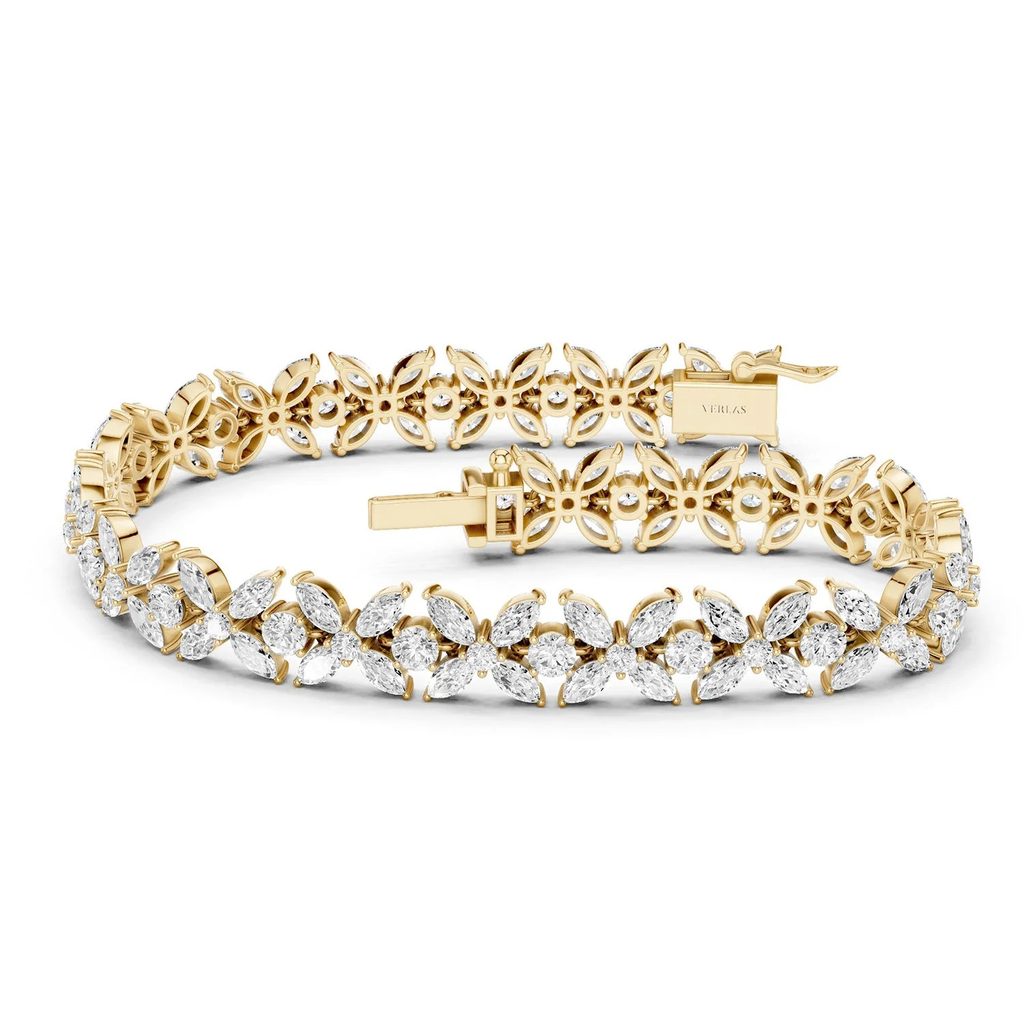
For a little more sparkle, the Alyssa Marquise-Cut Floral Tennis Bracelet makes a statement without feeling reserved for just one occasion. Its floral diamond motifs bring a touch of drama to wedding celebrations, festive evenings and everything in between.
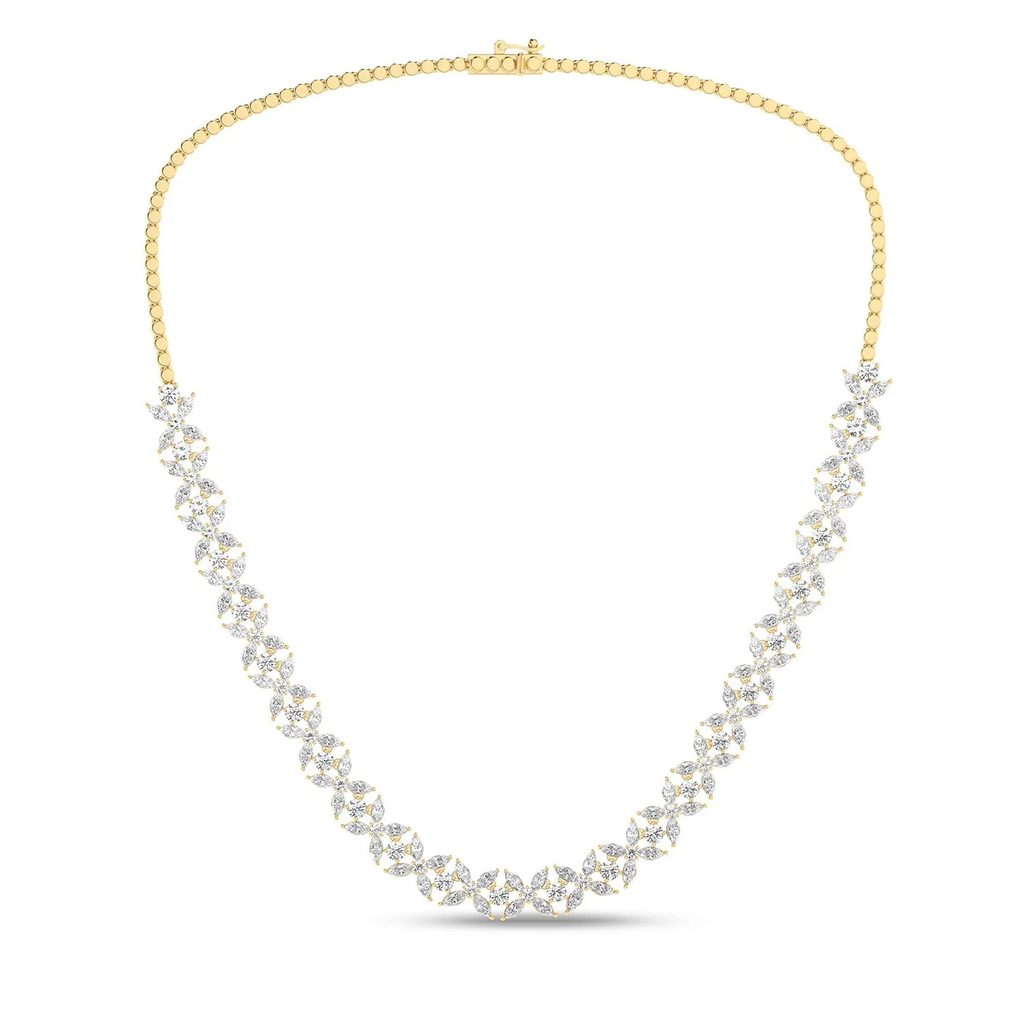
And when you’re ready to go all out, the Alyssa Marquise Radiant Tennis Necklace takes the floral story up a notch. With twenty-three diamond florets and a total weight of 13 carats, it brings together marquise-cut petals and round diamond centres for a look made to shine at the wedding, reception, or your next big celebration.
Available in white, yellow, and rose gold in 14K and 9K, the Alyssa collection reflects Verlas philosophy of creating jewelry that is beautiful, meaningful, and responsibly crafted. Perfect for elevating bridal looks and everyday romance alike.
With its growing presence in India, Verlas continues to bring its modern design and craftsmanship approach to fine jewelry to new audiences, combining considered design, conscious choice, and a more approachable jewelry experience.



Belgian Prime Minister Bart De Wever opens expanded HRD Antwerp laboratory in Mumbai

Verlas Introduces the ‘Alyssa’ Collection in India, Bringing Modern Luxe Floral-Inspired Design to Lab-Grown Diamond Jewelry Crafted in Fine Gold

Gold rebounds,Silver reclaims Rs 2.33 lakh mark

Limelight Lab Grown Diamonds Inaugurates Showroom In Kalyan, Its 8th Exclusive Store MMR
Verlas Introduces the ‘Alyssa’ Collection in India, Bringing Modern Luxe Floral-Inspired Design to Lab-Grown Diamond Jewelry Crafted in Fine Gold
Belgian Prime Minister Bart De Wever opens expanded HRD Antwerp laboratory in Mumbai
-
 National News2 days ago
Limelight Lab Grown Diamonds Inaugurates Showroom In Kalyan, Its 8th Exclusive Store MMR
-
 BrandBuzz1 day ago
Verlas Introduces the ‘Alyssa’ Collection in India, Bringing Modern Luxe Floral-Inspired Design to Lab-Grown Diamond Jewelry Crafted in Fine Gold
-
 DiamondBuzz1 day ago
Belgian Prime Minister Bart De Wever opens expanded HRD Antwerp laboratory in Mumbai
-
 National News1 day ago
Gold rebounds,Silver reclaims Rs 2.33 lakh mark
