
National News
Shringar House of Mangalsutra Unveils 3,000+ Designs, Targets Emerging Markets Ahead of Akshaya Tritiya
Shringar House of Mangalsutra expands its design portfolio to meet rising demand for lightweight, versatile jewellery across emerging markets this Akshaya Tritiya

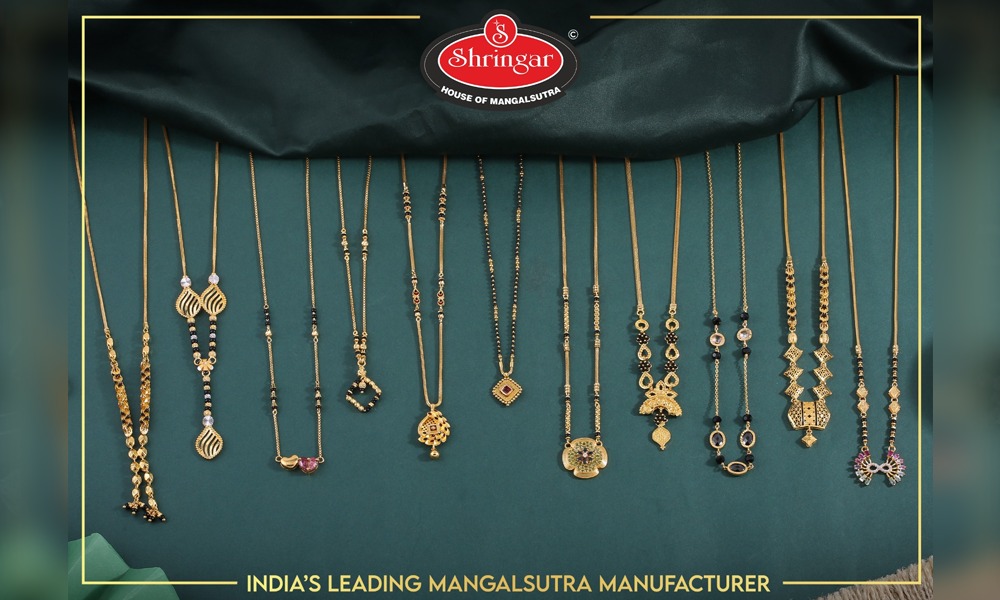
Shringar House of Mangalsutra Limited, India’s most trusted B2B gold jewellery manufacturer specialising in mangalsutras, has curated a range of over 3,000 new designs ahead of Akshaya Tritiya 2026 – the most expansive seasonal collection in the company’s history. This collection comprises more than 2,000 designs in 22K gold and over 1,000 designs in 18K gold, built to serve the full breadth of India’s jewellery retail landscape.
Akshaya Tritiya remains a major driver of the gold jewellery industry, supported by strong cultural sentiment and long-term value appeal. Gold prices have seen significant movement, but despite this volatility, consumer demand stays resilient, with a noticeable shift toward value-led and high-intent purchases. Consumers are increasingly gravitating towards lightweight, affordable, and design-led jewellery that offers both versatility and everyday wearability, rather than heavy, occasion-specific pieces. There is also a growing preference for contemporary and modular designs, particularly among younger buyers, alongside continued demand for traditional styles in core markets. This shift is driving retailers to focus on curated, design-forward collections that balance aesthetics with price sensitivity, reflecting a broader trend towards more conscious and purpose-driven jewellery buying.
With the wedding season approaching, consumers are increasingly making earlier purchase decisions, with southern India remaining stable and western and central regions like Maharashtra, Madhya Pradesh, and Gujarat emerging as key growth markets driven by organized retail and design sensitivity. The mangalsutra category itself is evolving beyond its traditional bridal role into a lifestyle-led, daily wear jewellery segment. Consumers are increasingly opting for minimal, modular, and design-forward pieces that seamlessly blend tradition with modern aesthetics.
Chetan Thadeshwar, Chairman & Managing Director, Shringar House of Mangalsutra Ltd, Said:

“The Indian jewellery industry is at a pivotal inflection point, and we are committed to leading from the front. Our latest curation is not merely about scale, but about defining the future direction of the category. We are witnessing a clear shift in consumer preferences towards design-led, versatile jewellery, particularly within the mangalsutra segment, which is increasingly evolving into an everyday essential. At Shringar, we have consistently focused on staying ahead of market trends, not just responding to them, but actively shaping them through innovation and design leadership.”
As a trusted manufacturing partner to leading jewellery retailers across India, Shringar continues to benefit from the shift towards organised and certified players, driven by rising consumer preference for quality, transparency, and assured gold standards.


National News
Talla Jewellers Unveils New Showroom In Akhnoor, Jammu, Fifth Store In The Region
Auspicious Navratri opening strengthens the brand’s presence and brings an exquisite jewellery collection closer to customers in Akhnoor.
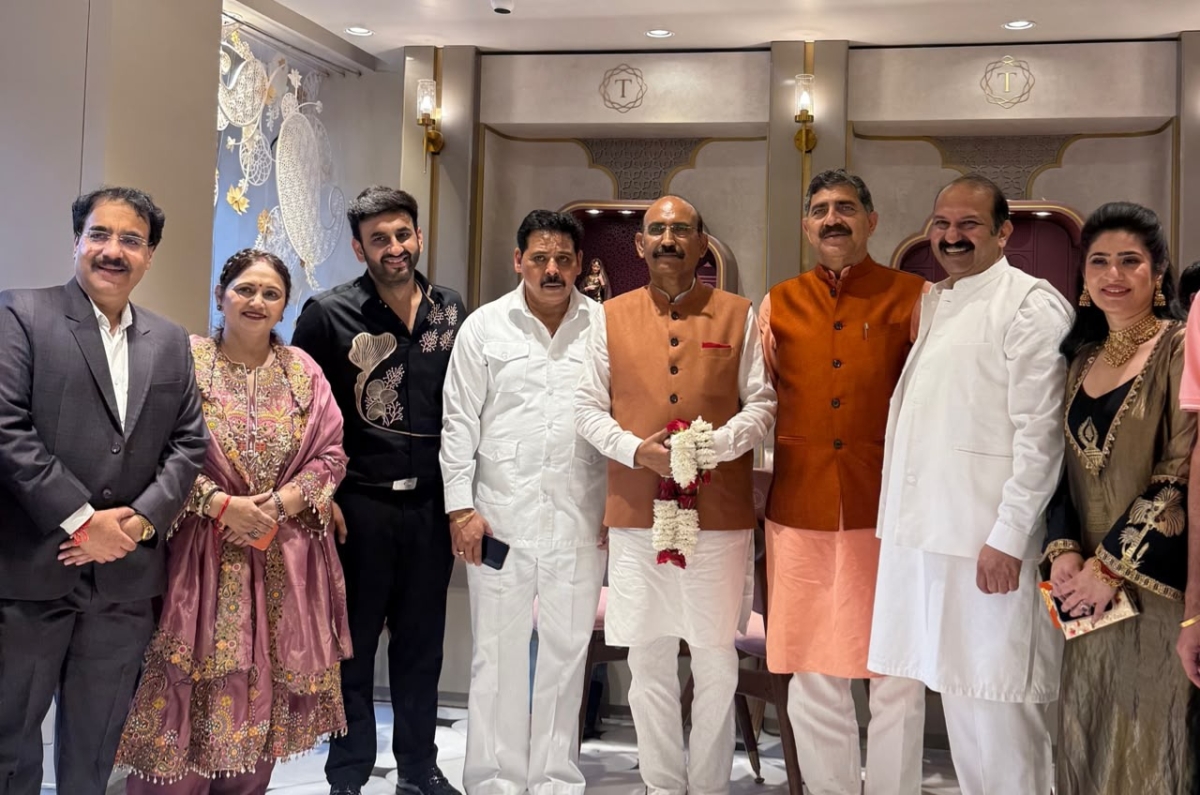
Talla Jewellers has inaugurated its new showroom in Akhnoor, Jammu, marking its fifth outlet in the region. The showroom was inaugurated on the first day of Navratri, adding an auspicious touch to this milestone in the brand’s growth journey.
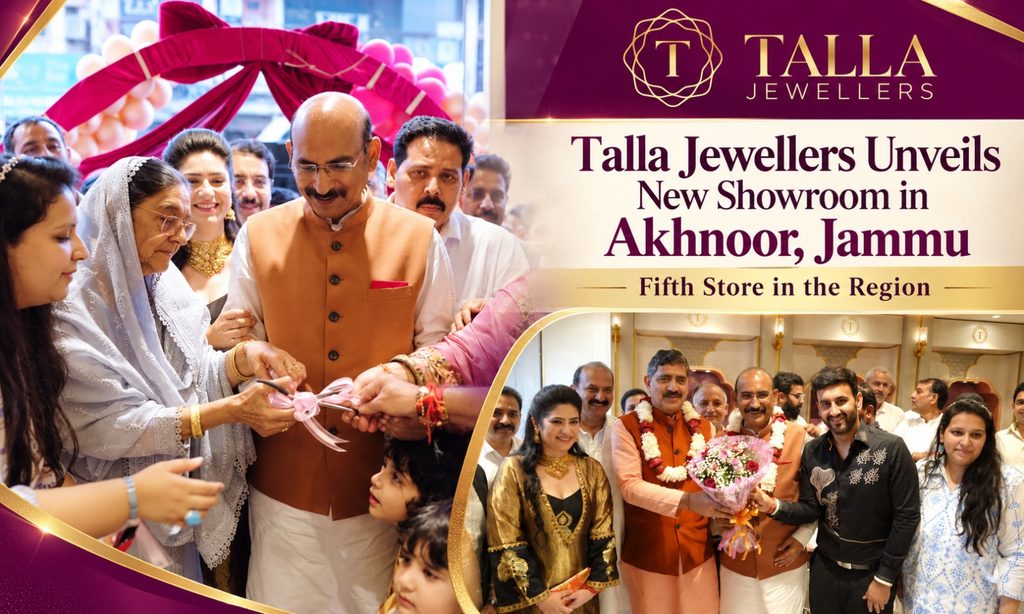
The inauguration ceremony was graced by Mohan Lal Bhagat, Honourable MLA, Akhnoor, who attended as the Chief Guest. Representing Talla Jewellers were Ajay Talla, Anju Talla and Aman Talla.
The new showroom offers an exquisite selection of gold, diamond and other jewellery designs, catering to diverse customer preferences and occasions. With a focus on quality, craftsmanship and customer satisfaction, the store aims to provide customers in Akhnoor with a wider choice of jewellery for weddings, festivals, celebrations and everyday wear.
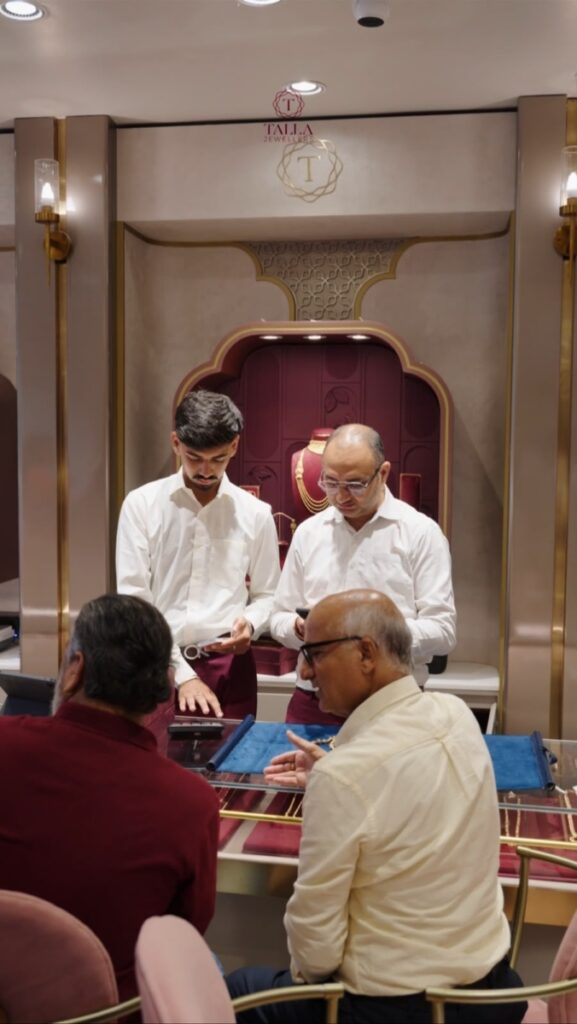
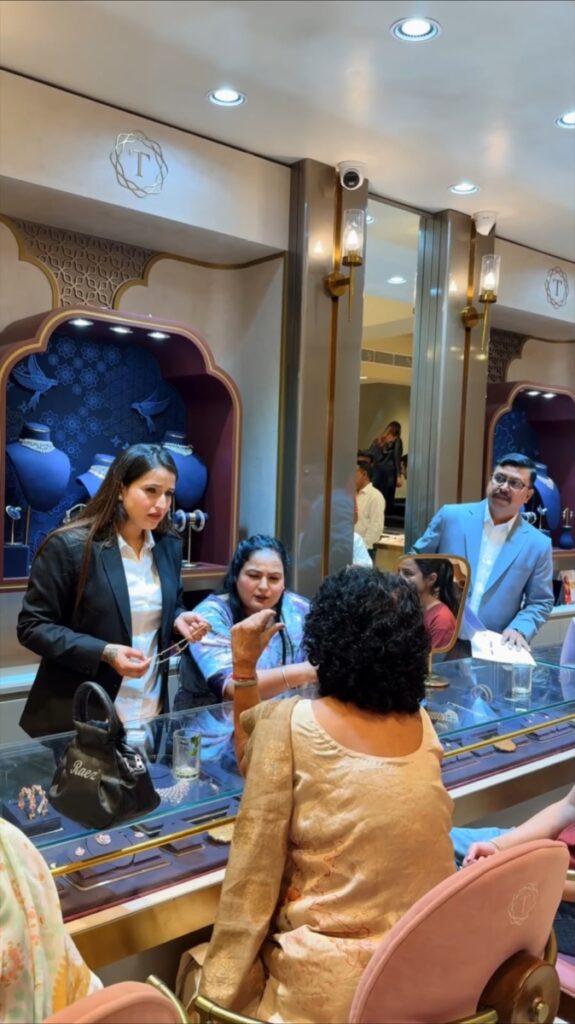
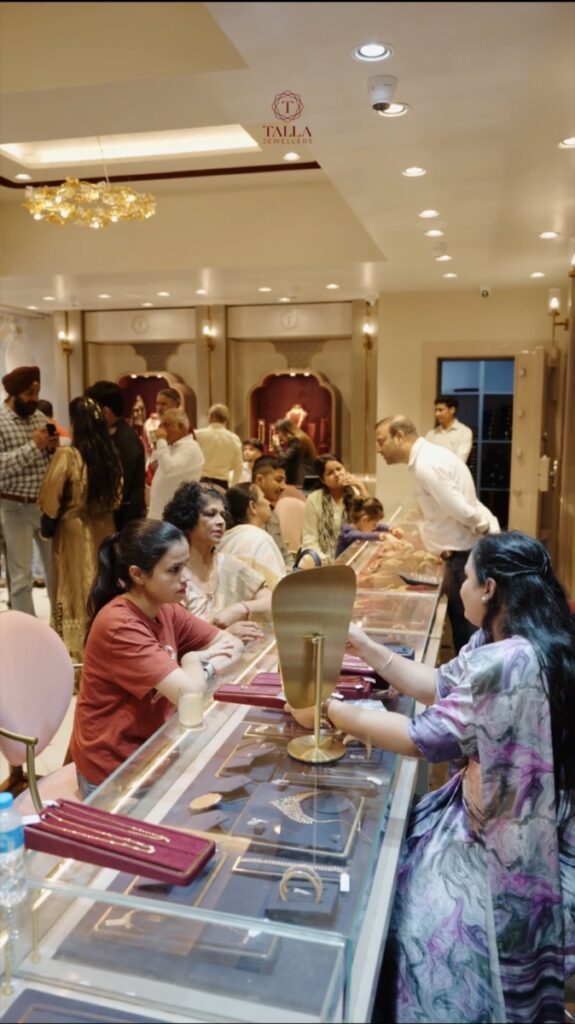
The opening reflects Talla Jewellers’ continued commitment to expanding its presence while strengthening its relationship with customers and families across the region. Built on the values of trust, quality and lasting relationships, the brand continues to celebrate life’s precious moments through jewellery that connects generations.
With the launch of its Akhnoor showroom, Talla Jewellers takes another step towards making its collections more accessible to customers while reinforcing its presence in Jammu and Kashmir.



Talla Jewellers Unveils New Showroom In Akhnoor, Jammu, Fifth Store In The Region

Jagannath Gangaram Pednekar Jewellers Celebrates Jewellery as a Lifestyle with The Great Jewellery Festival

Actress Prarthana Behere Inaugurates Malabar Gold & Diamonds’ New Showroom At Nexus Seawoods Mall, Navi Mumbai
Talla Jewellers Unveils New Showroom In Akhnoor, Jammu, Fifth Store In The Region
Jagannath Gangaram Pednekar Jewellers Celebrates Jewellery as a Lifestyle with The Great Jewellery Festival

US Begins Third Phase Of Tariff Refunds For Diamond and Jewellery Importers
-
 National News2 hours ago
Talla Jewellers Unveils New Showroom In Akhnoor, Jammu, Fifth Store In The Region
-
 National News5 hours ago
Jagannath Gangaram Pednekar Jewellers Celebrates Jewellery as a Lifestyle with The Great Jewellery Festival
-
 International News6 hours ago
US Begins Third Phase Of Tariff Refunds For Diamond and Jewellery Importers
-

 National News6 hours ago
KISNA Launches AI-Powered Jewellery Search In 15+ Indian Languages; Projects 20% Growth In Website Searches Over 4 Months
