
National News
Senco Gold Ltd. clocks record sales of ₹1700+ cr. for October, 56% YoYgrowth
Diwali and Dhanteras festive buying push Senco Gold & Diamonds’ sales to an unprecedented high despite highest-ever gold prices and muted Q2 demand

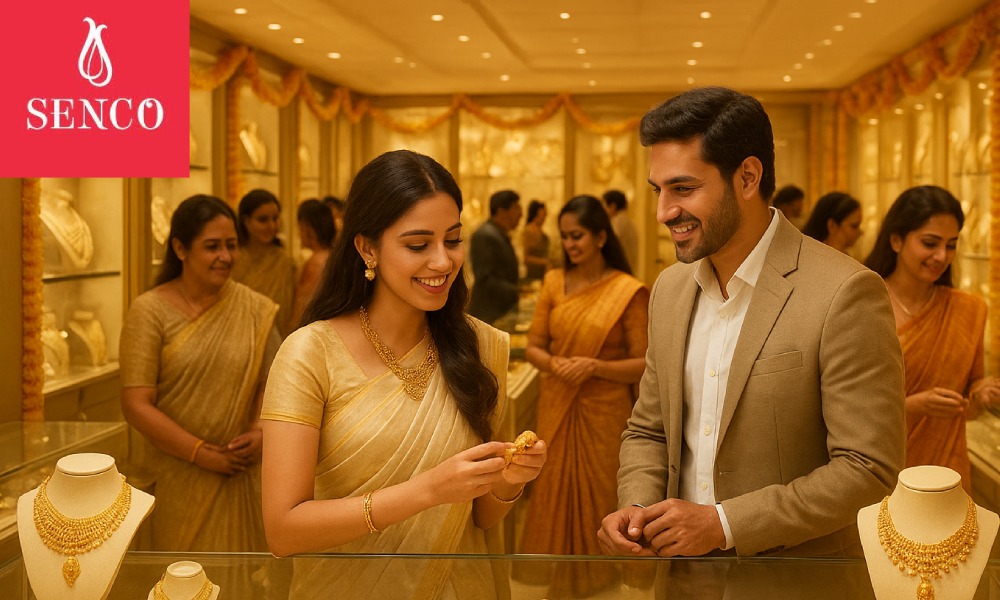
Senco Gold & Diamonds, India’s most trusted jewellery house has reported the highest ever retail sales for the month of October in its 85+ year old history! Senco clocked sales of over Rs.1,700 crore for the month backed by robust festive buying for Diwali and Dhanteras, registering a 56% YoY growth over October last year. Gold value for the brand went up by 60% YoY while the value of diamonds grew 32% YoY.
Despite soaring gold prices that went up to a record high of Rs.132,294 per 10 grams on October 31, Senco’s sales grew by both volume (4% in gold, 5% in diamonds and 8% in silver) and value. Senco’s record sales numbers were driven by new design launches, positive customer sentiment and attractive festive offers that drew in a steady stream of customers across its stores pan India as well as its online platforms.
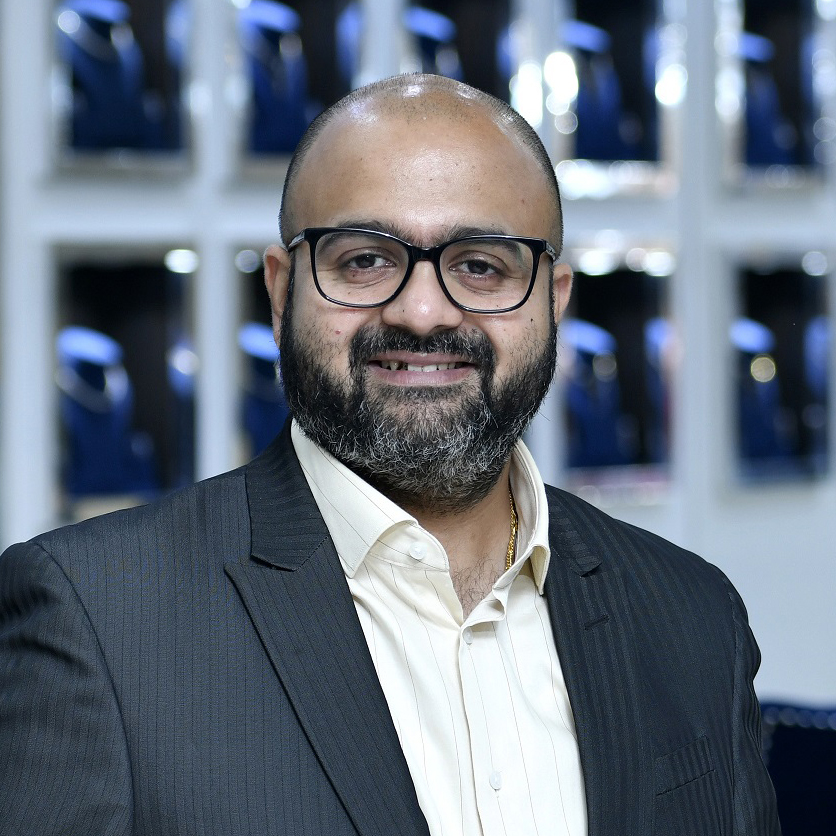
“These record numbers reflect a very positive customer sentiment indicating which way the graph will go in the months to come. We are fully prepared to meet the strong demand in the upcoming wedding season and through Q3 and Q4. Our teams are committed to constantly launching exciting new designs as per customer preference across India. We are rigorously working on ensuring operating leverage, enhanced EBITDA, and improvement in Inventory Management to enhance Return on Capital Employed (ROCE) and Return on Equity (ROE),” said Suvankar Sen, Managing Director & CEO.
For Q1, Q2 and the first month of Q3FY26, Senco’s YoY retail value growth stood at 25%, which included 19% Same Stores Sales Growth (SSSG). The brand launched three new showrooms in October in Itawa, Bikaner and Dehradun, expanding its retail footprint to 185 Senco showrooms in India and 2 in Dubai. In its lifestyle accessory segment, Senco currently has 8 Sennes showrooms.


National News
Make Karwa Chauth Special With Palmonas 9KT Gold Mangalsutra Collection
Make Karwa Chauth Special With Palmonas 9KT Gold Mangalsutra Collection

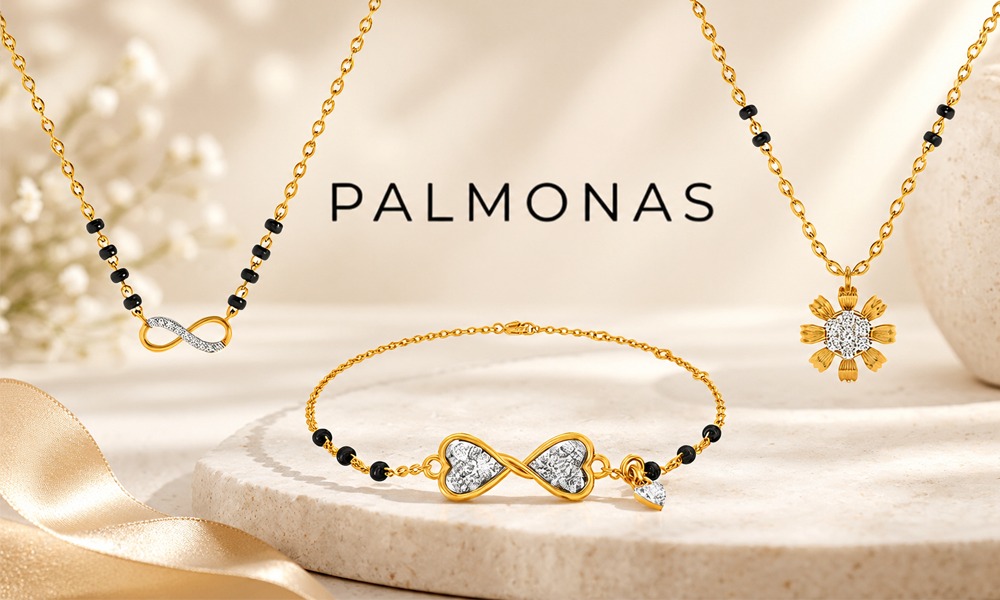
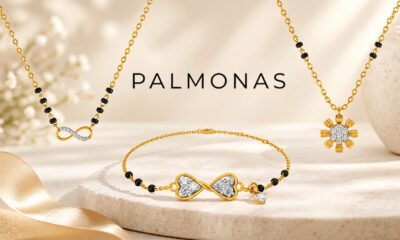
This Karwa Chauth, Palmonas presents its 9KT Gold Lab-Grown Diamond Collection, offering thoughtful gifting options for a celebration rooted in love and togetherness. Featuring mangalsutras and a mangalsutra bracelet, the collection brings together 9KT gold, lab-grown diamonds, and contemporary designs, making it a meaningful choice for those looking to mark the occasion with a piece of jewellery that carries personal significance.
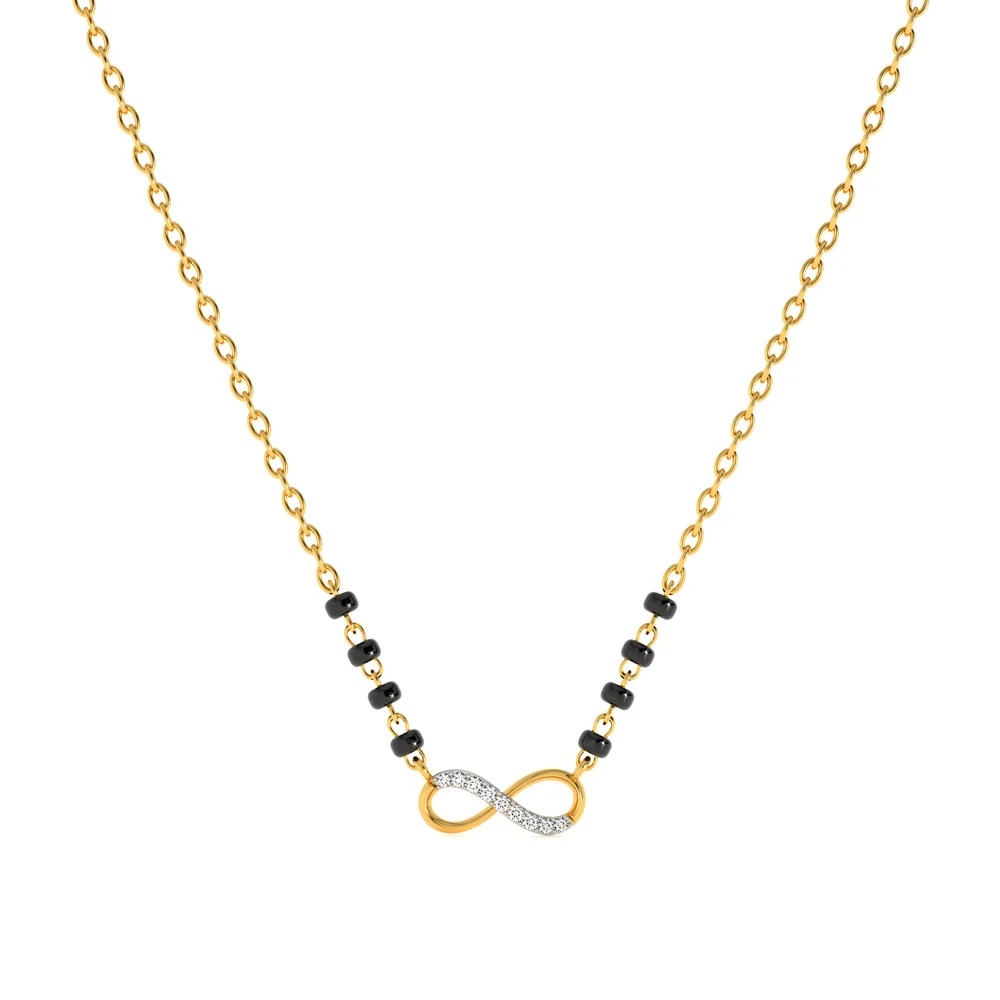
The Endless Love Infinity 9KT Gold Lab-Grown Diamond Mangalsutra features an infinity-inspired pendant, symbolising an enduring bond and everlasting love. Set with sparkling lab-grown diamonds, its fluid silhouette brings a contemporary finish to a design rooted in the idea of continuity and commitment.
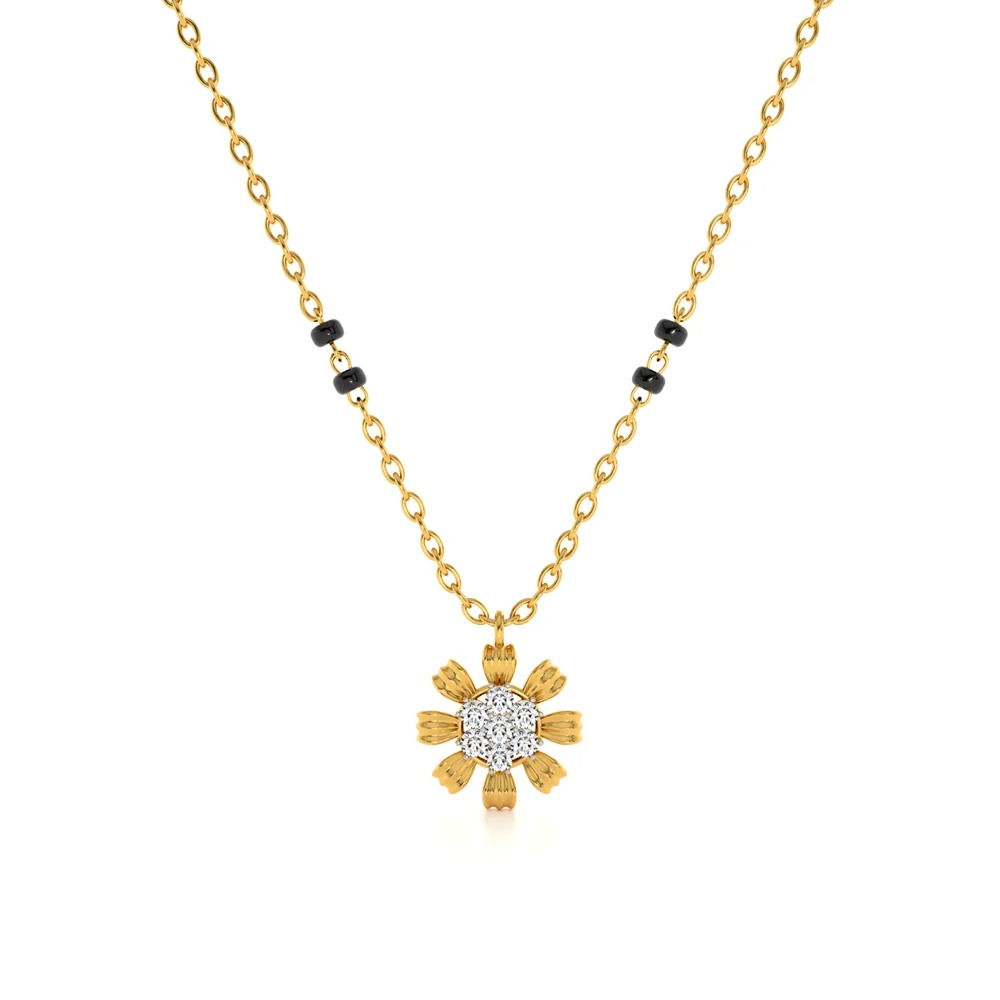
The Petalburst Glow 9KT Gold Lab-Grown Diamond Mangalsutra draws inspiration from the beauty of blooming flowers. Its floral pendant, detailed with radiant lab-grown diamonds arranged in a petal-like pattern, represents growth, new beginnings and blossoming love. The design balances delicate detailing with a refined, modern aesthetic.
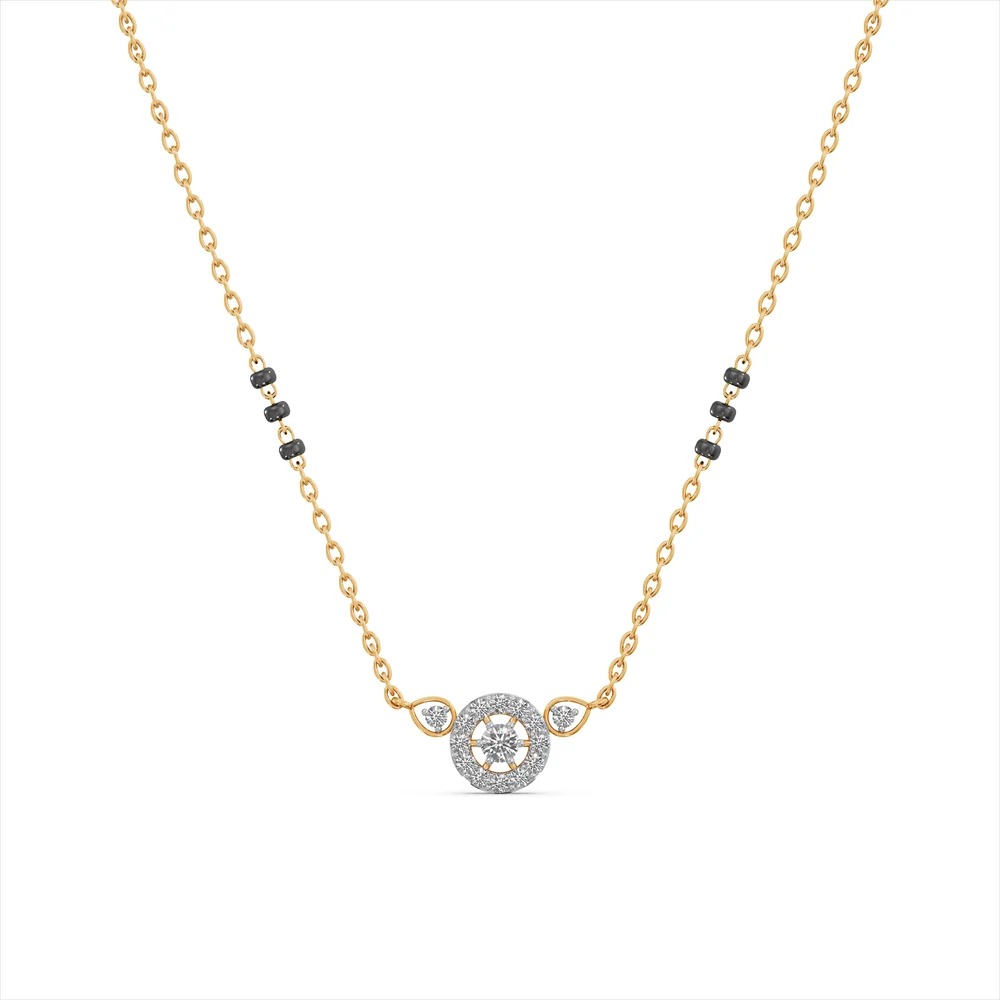
Completing the collection, the Royal Circle 9KT Gold Lab-Grown Diamond Mangalsutra features a circular pendant defined by symmetry and intricate detailing. The balanced arrangement lends the design a sense of completeness, while its considered craftsmanship adds a touch of understated elegance.
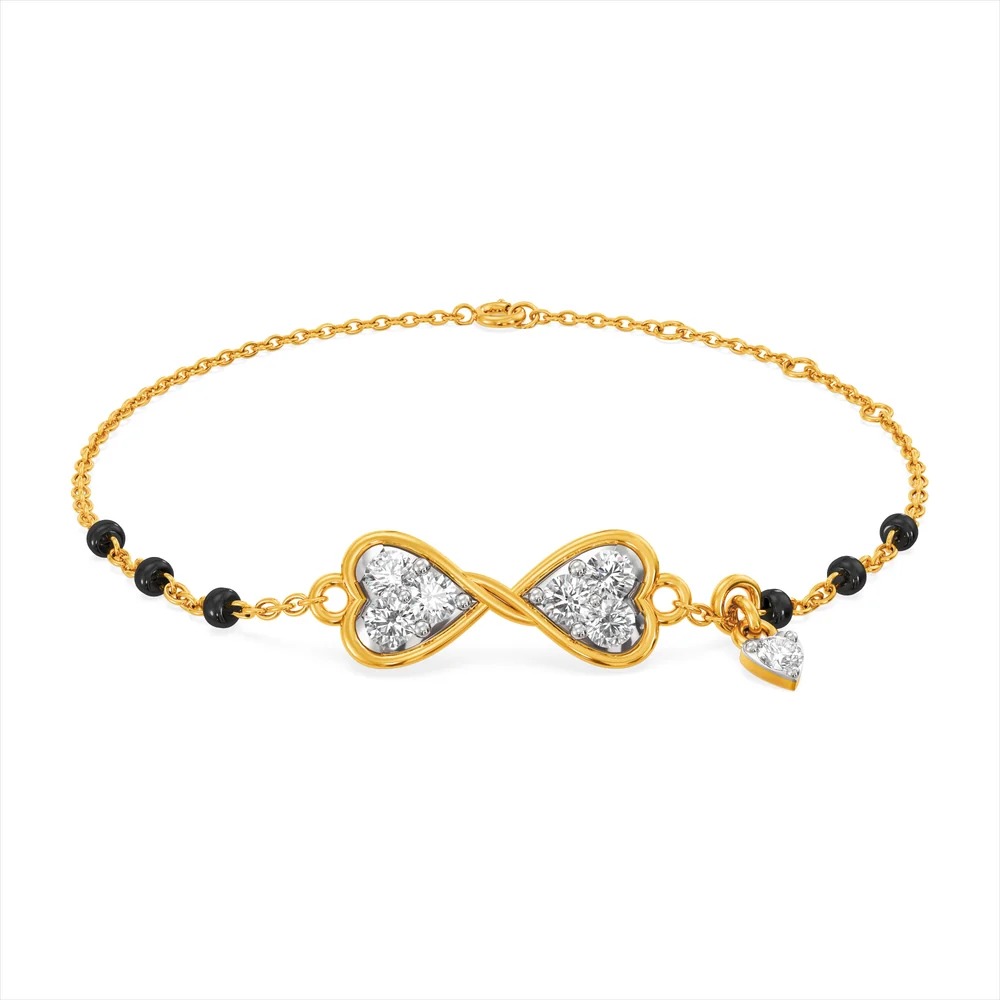
Extending the collection beyond traditional necklace designs, the Sacred Heart 9KT Gold Lab-Grown Diamond Mangalsutra Bracelet offers a contemporary take on mangalsutra-inspired jewellery. Its delicate heart motif, paired with an infinity-inspired design, reflects the enduring nature of love. Subtle stone detailing adds a hint of sparkle, making it a minimal design suited to everyday styling.



Make Karwa Chauth Special With Palmonas 9KT Gold Mangalsutra Collection

First time In India, Golu Showcase Made Entirely Of Silver and Gold At Challani House Of Silver

MMTC-PAMP Unveils Jyoti 2gm Gold Coin, Celebrating The Spirit Of Dhanteras and Diwali
First time In India, Golu Showcase Made Entirely Of Silver and Gold At Challani House Of Silver
Make Karwa Chauth Special With Palmonas 9KT Gold Mangalsutra Collection
MMTC-PAMP Unveils Jyoti 2gm Gold Coin, Celebrating The Spirit Of Dhanteras and Diwali
-
 National News19 hours ago
First time In India, Golu Showcase Made Entirely Of Silver and Gold At Challani House Of Silver
-
 National News18 hours ago
Make Karwa Chauth Special With Palmonas 9KT Gold Mangalsutra Collection
-
 National News20 hours ago
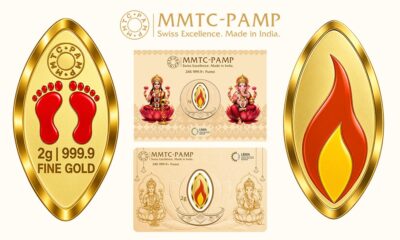
MMTC-PAMP Unveils Jyoti 2gm Gold Coin, Celebrating The Spirit Of Dhanteras and Diwali
-
 National News21 hours ago
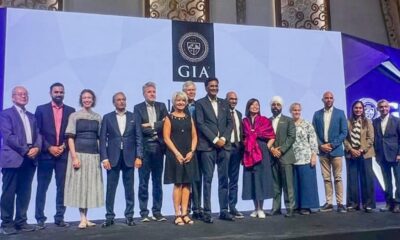
GIA Board Of Governors In India To Discuss Industry Priorities and Expand Grading Services Scope
