
JB Insights
SAJEX 2025: Opening new horizons in Saudi Arabia’s jewellery market

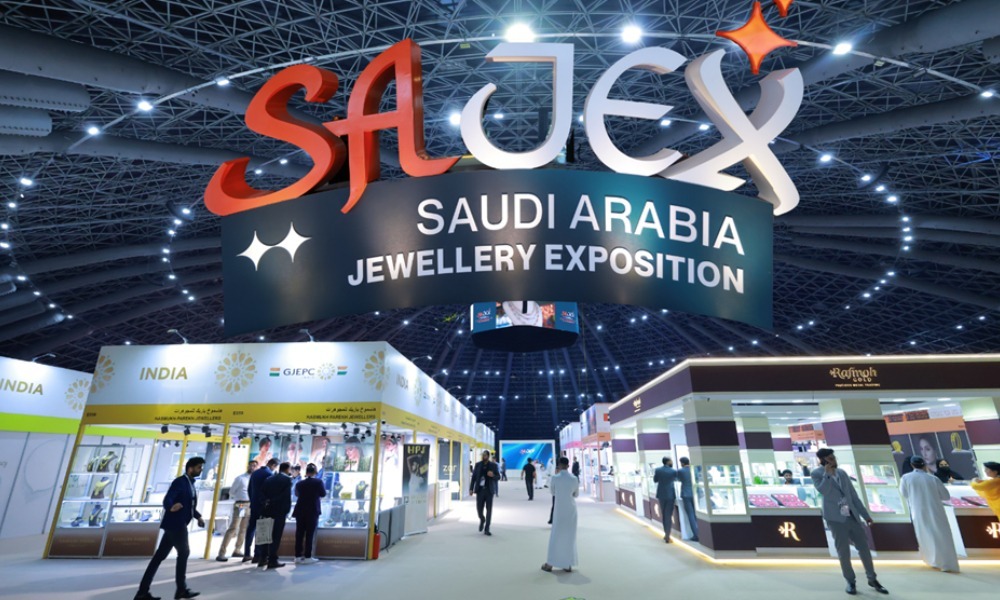
The inaugural Saudi Arabia Jewellery Exposition (SAJEX) organised by GJEPC at the Jeddah Superdome marked more than just another trade show—it represented a watershed moment in India-Saudi relations and the birth of what promises to become a landmark event for the global gems and jewellery industry.
From 11th to 13th September 2025, over 100 exhibitors across 200 booths showcased the finest in jewellery craftsmanship, while more than 1,500 unique international trade buyers explored opportunities in a market set to nearly double to US$8.34 billion by 2030.
The timing couldn’t have been better. With India-Saudi total bilateral trade touching US$42 billion in FY 2024-25, and India’s gem and jewellery exports to the Kingdom rising 45% to US$151.5 million, SAJEX arrived as both a celebration of existing ties and a catalyst for future growth. The 55% jump to $129.31 million in studded gold jewellery exports alone signals the appetite Saudi consumers have for Indian craftsmanship.

Kirit Bhansali, Chairman, GJEPC, noted, “SAJEX represents a significant step towards deepening India-Saudi collaboration, creating new opportunities for trade, innovation, and industry leadership.” The success of this inaugural edition has laid the foundation for what promises to be a transformative partnership between two nations with complementary strengths and shared aspirations.
Her Royal Highness Princess Nourah Al-Faisal – Designer, Entrepreneur, and Industry Leader, noted, “I’m especially delighted to be with our partners from India, who have stood by me in business for over 30 years—we are truly fortunate to have you. It makes perfect sense to build an ecosystem closer to home that fosters creativity and collaboration. Our youth are incredibly talented, dedicated, and full of potential, but they need the right support—educational, industrial, and more—to unlock it. India’s deep expertise and experience in this industry make it the ideal partner to help us build that infrastructure. Together, we can create new opportunities, open pathways, and empower a new generation of designers to achieve their dreams.”

SAJEX 2025 highlighted the immense potential of the Saudi jewellery market, which spans mass to luxury segments, creating opportunities for Indian manufacturers across the spectrum. While high customs duties and VAT remain challenges, Saudi Arabia’s Vision 2030 reforms and structured government engagement are paving the way for smoother trade.
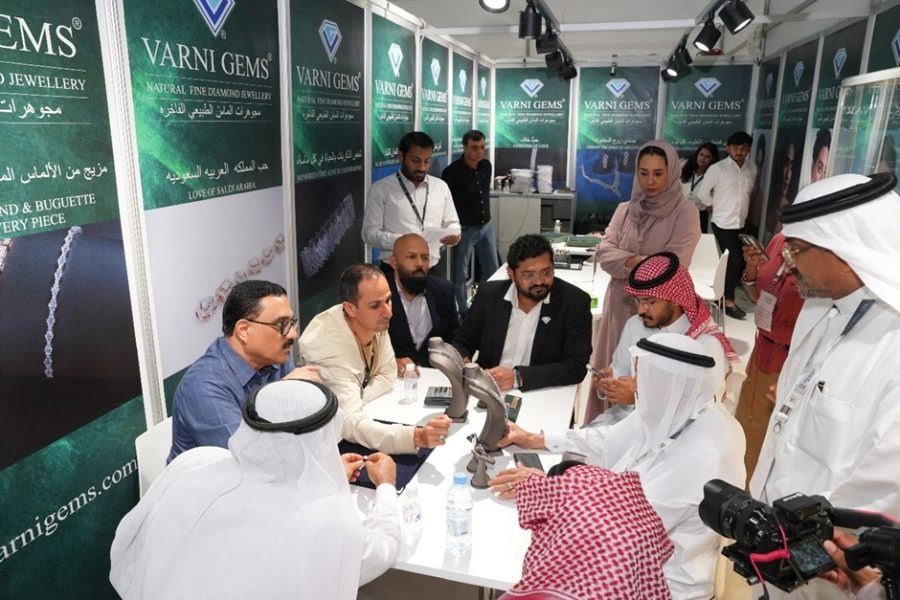
The exhibition underscored the role of technology in shaping retail, manufacturing, and consumer experiences, with younger Saudis seeking seamless online-to-offline integration. Joint manufacturing ventures emerged as a key opportunity, positioning Saudi Arabia as both a consumption hub and a future production base for the GCC and MENA regions.
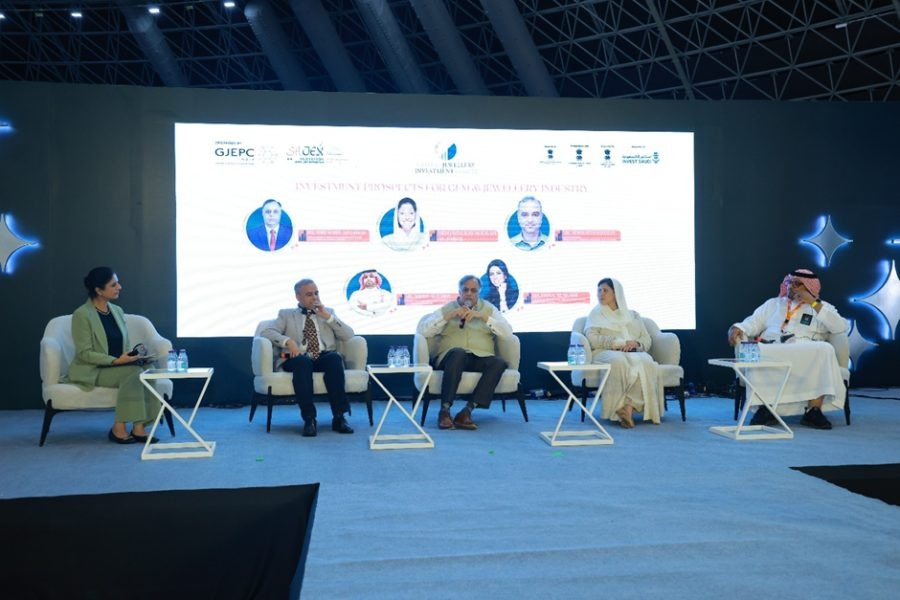
Panel discussions, moderated by CNBC-TV18’s Manisha Gupta, reinforced synergies between Saudi’s natural resources and India’s expertise. Together, Vision 2030 and India@2047 point toward a collaborative future.
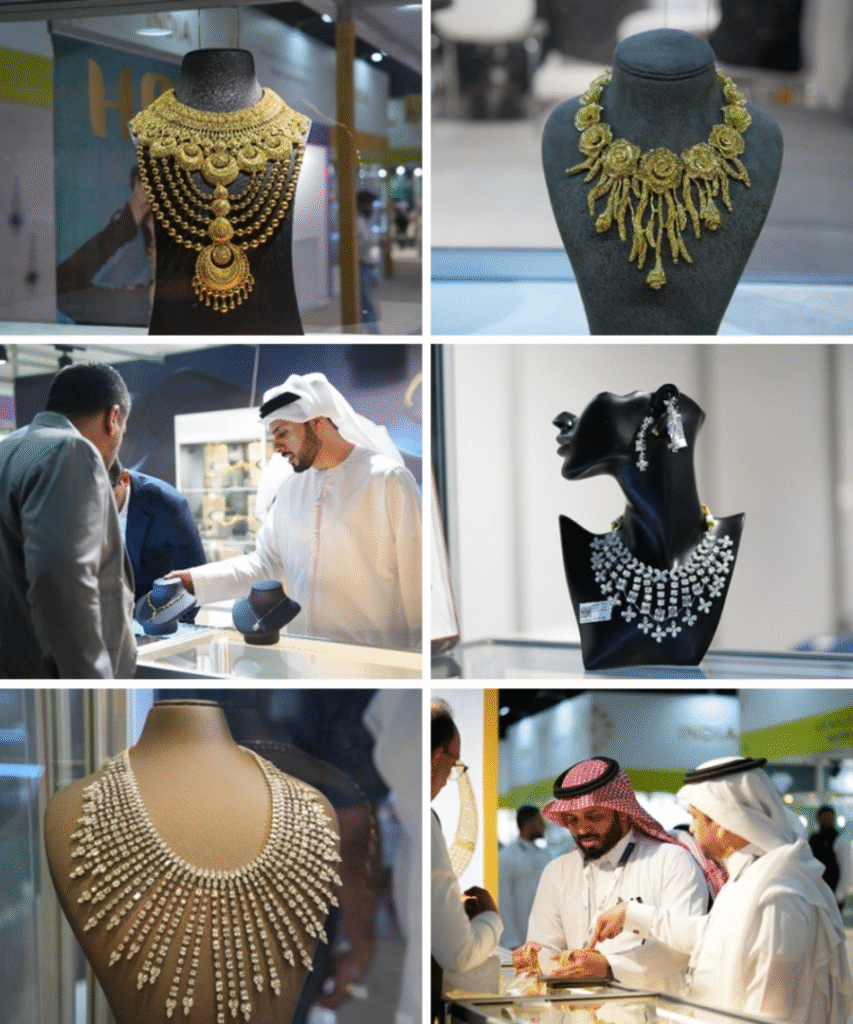
For Indian jewellers, the message was clear: act decisively now to capture a share of Saudi’s projected US$8–10 billion jewellery market by 2030.


JB Insights
CIBIL Score Plays A Key Role In Festive Financing
A Consumer’s CIBIL Score and Report Play A Decisive Role In Determining Loan Eligibility, Interest Rates, and Overall Borrowing Terms During High-Spending Seasons.


Gold in India is more than just a precious metal; it represents tradition, emotion, and long-term financial security. As major celebrations such as Dhanteras, Diwali, and the upcoming wedding season approach, consumer demand for gold reaches its annual peak.
However, with gold prices rising due to both global macroeconomic pressures and heightened domestic demand, an increasing number of buyers are turning to credit options—specifically gold loans and personal loans—to finance their festive purchases.
In light of these market dynamics, maintaining awareness of one’s financial profile is critical.
A consumer’s CIBIL Score and Report play a decisive role in determining loan eligibility, interest rates, and overall borrowing terms during high-spending seasons.
The Mechanics Behind Festive Gold Price Surges
Gold prices do not move in isolation. The seasonal increase in retail price is driven by a combination of key domestic and international factors:
Global Economic Uncertainty: International market volatility frequently drives capital into gold as a traditional safe-haven asset.
Macroeconomic Indicators: Currency fluctuations and persistent inflation impact local procurement costs.
Domestic Seasonal Demand: Concentrated buying during auspicious cultural dates creates short-term supply-demand imbalances, further driving up retail costs.
The Strategic Role of Your CIBIL Score in Festive Financing
When household budgets face pressure during peak shopping periods, credit-based financing offers immediate liquidity. Whether securing an uncollateralized personal loan or a loan against existing gold holdings, financial institutions rely heavily on credit risk assessments.
The CIBIL Score—a 3-digit numerical summary ranging from 300 to 900—serves as the primary benchmark for creditworthiness:
Approval Probability: A high CIBIL Score significantly increases the likelihood of quick loan sanctioning.
Cost of Capital: Lenders offer competitive, lower interest rates to high-scoring applicants, reducing total borrowing costs.
Flexible Repayment Structure: Favorable credit profiles grant borrowers stronger leverage to negotiate manageable tenure options.
Best Practices for Smart Festive Borrowing
To enjoy festive celebrations without compromising long-term financial stability, consumers are advised to adopt responsible borrowing strategies:
Check Credit Reports Early: Review your CIBIL Report prior to applying for financing to resolve any discrepancies or evaluate your standing.
Borrow Within Limits: Limit loan amounts strictly to what can be comfortably serviced within monthly household budgets.
Maintain Timely Repayments: Ensure all equated monthly installments (EMIs) are paid on time to avoid negative marks on your credit profile.
By pairing festive financial planning with active credit monitoring, consumers can meet their cultural commitments while preserving robust financial health for the future.



Joyalukkas Opens ‘Jewel Of Joy,’ The Biggest jewellery Destination In The Middle East’s At Dubai Gold District.

PNG Jewellers Brings Madhuri Dixit and Ranbir Kapoor Together In Its New Brand Campaign, Unstoppable Legacy

GJEPC, IndusInd Bank Host Webinar On FEMA Guidelines For GJ Exporters

US Holiday Shopping Expected To Top $1 Trillion For The First Time: NRF
Joyalukkas Opens ‘Jewel Of Joy,’ The Biggest jewellery Destination In The Middle East’s At Dubai Gold District.
GJEPC, IndusInd Bank Host Webinar On FEMA Guidelines For GJ Exporters
-
 International News9 hours ago
US Holiday Shopping Expected To Top $1 Trillion For The First Time: NRF
-
 New Premises5 hours ago
Joyalukkas Opens ‘Jewel Of Joy,’ The Biggest jewellery Destination In The Middle East’s At Dubai Gold District.
-
 National News8 hours ago
GJEPC, IndusInd Bank Host Webinar On FEMA Guidelines For GJ Exporters
-
 BrandBuzz6 hours ago
PNG Jewellers Brings Madhuri Dixit and Ranbir Kapoor Together In Its New Brand Campaign, Unstoppable Legacy
