

DiamondBuzz
Russian diamond sanctions plan likely to be delayed
Industry members and government officials involved in the discussions over Russian diamond sanctions expect that a full traceability regime won’t be implemented by the current March 1 deadline.

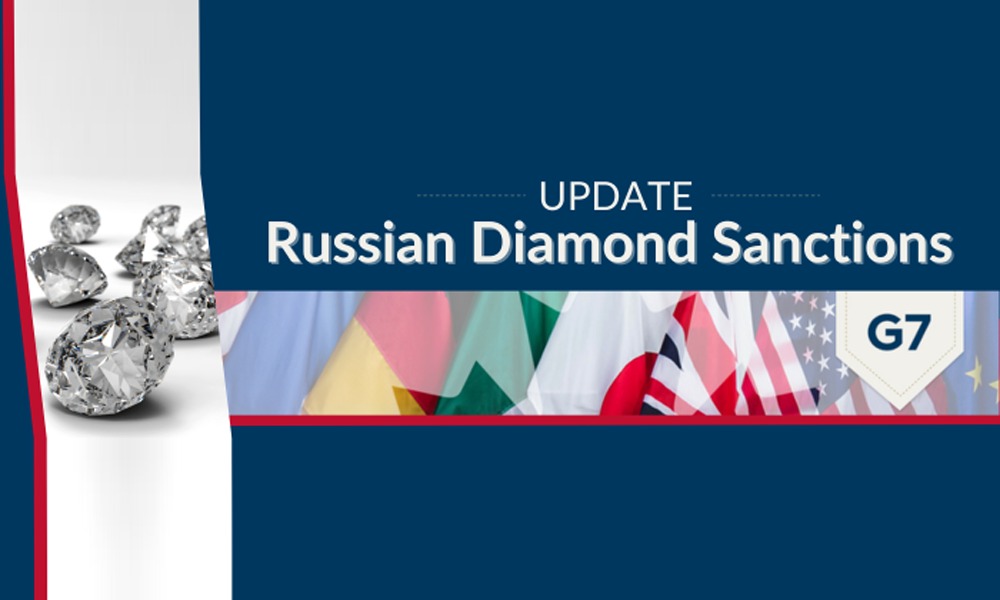
The European Union (EU) had already postponed its plan to require origin information for every diamond of 0.5 ct. or more from Sept. 1, 2024, until March 1, 2025. And now it looks like the plan won’t be ready by March 1 either.
Sources say the process has become jammed up with technological issues, knotty policy debates, and a new administration in the United States.It’s generally agreed that the technology for full traceability isn’t there yet, at least on the scale envisioned by the G7. Trials have shown it’s possible to track rough diamonds; however, implementing a global system that offers true rough-to-polished traceability remains a challenge, sources say. A number of producing countries, including Botswana and Namibia, have been tapped to set up “rough nodes,” but that’s very much a work in progress.








DiamondBuzz
The Great Indian Diamonds: A Closer Look At India’s Most Iconic Diamonds
De Beers Highlights India’s Historic Role In Shaping The Global Diamond Legacy Through A Curated Archive Of Iconic Gems

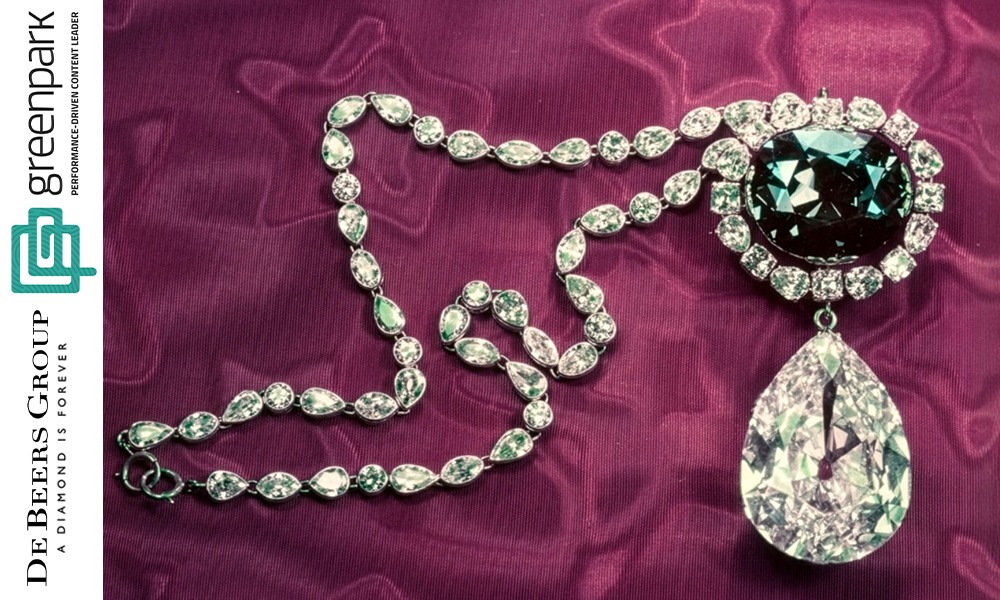
De Beers’ A Diamond is Forever marks Diamond Month with the release of “The Great Indian Diamond Archive”, a deep dive into 12 of the world’s legendary diamonds, all of which trace their origins back to India.
For centuries, diamonds have drawn attention for their brilliance and rarity, often associated with wealth, power, and prestige. What is less widely known, however, is that the story of diamonds began in India. Some of the most famous diamonds in the world, including the Koh-i-Noor, trace their origins back to the country.
At a time when much of the world was unfamiliar with diamonds, India had already established itself as a centre for diamond mining. The Golconda region was one of the earliest and most significant sources, producing several historic gems. Many of these diamonds were found along the Krishna River and eventually travelled across continents through trade, becoming part of royal treasuries.
Historical records suggest that diamond mining in India dates back to the 4th century BCE, making it one of the oldest known traditions in the world. Over time, these diamonds became associated with different rulers, empires, and geographies, each adding a new layer to their identity.

Diamonds such as the Koh-i-Noor, Hope Diamond, Regent, and Daria-i-Noor continue to be among the most talked about and valuable gems globally. Today, some are housed in museums, while others remain part of private or royal collections. Several of these diamonds have also been re-cut over time, changing both their appearance and identity.
Bringing these stories together, The Great Indian Diamond Index presents 12 of the most prominent diamonds associated with India. Developed as part of De Beers’ initiative, the index brings them into one place for the first time.
Rather than looking at these diamonds only as precious objects, the index traces their full journey—from their natural origins to their historical and cultural significance. It combines physical attributes with context to offer a more complete view of their legacy.
The list has been compiled using a structured research framework developed specifically as The Great Indian Diamond Index.
-

 New Premises2 hours ago
Gargi By PNGS Expands With Four New Stores, Marks Strong Retail Growth
-

 National News2 hours ago
KISNA Diamond & Gold Jewellery Introduces Gold Rate Protection Plan Ahead of Akshaya Tritiya, Enabling Customers To Lock Prices In Advance
-

 New Premises3 days ago
BlueStone-Backed Ethera Accelerates Expansion With Four New Metro Stores Across India
-

 GlamBuzz6 hours ago
Actress Tabu Unveils Kalyan Jewellers’ Revamped Showroom In Nashik
