
JB Insights
PREFERRED MANUFACTURER OF INDIA
Fostering meaningful business relationships, strengthening brand positioning, enhancing profitability.


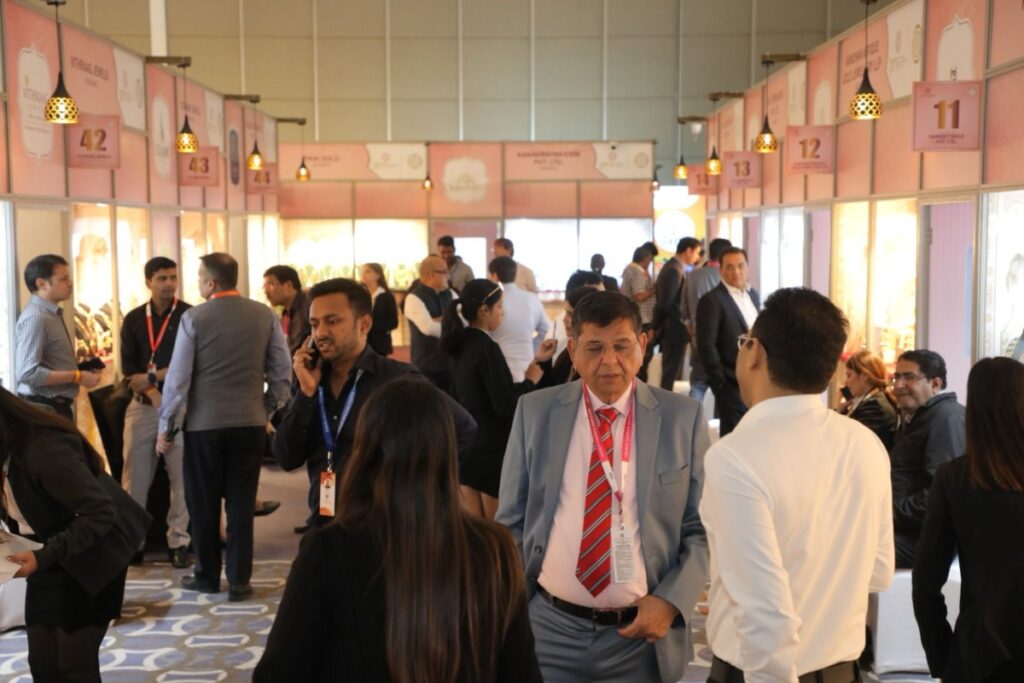
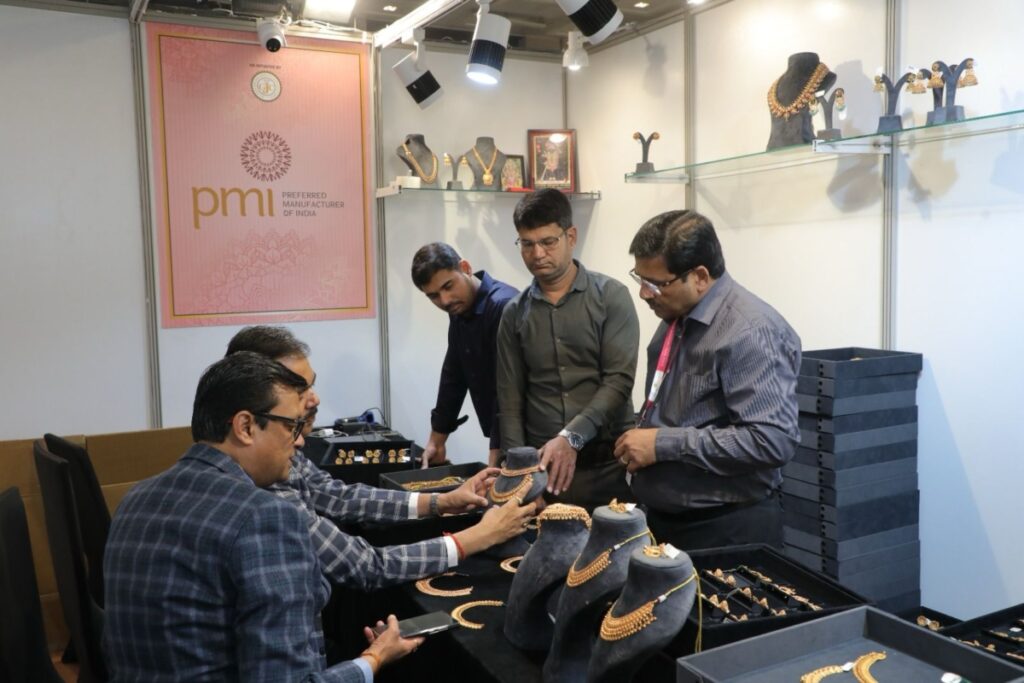
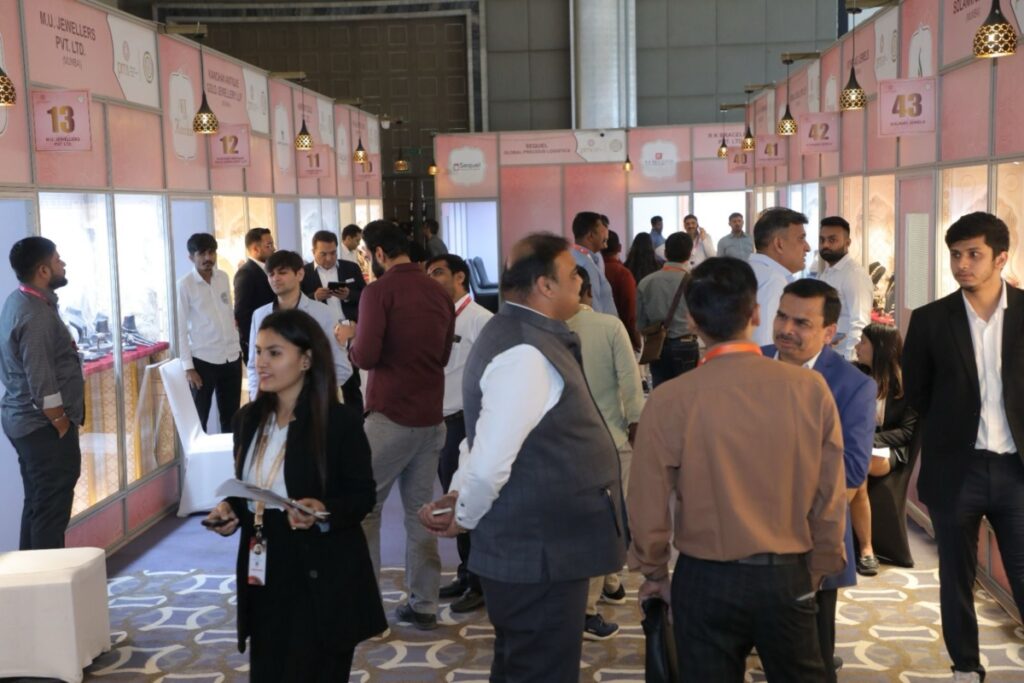
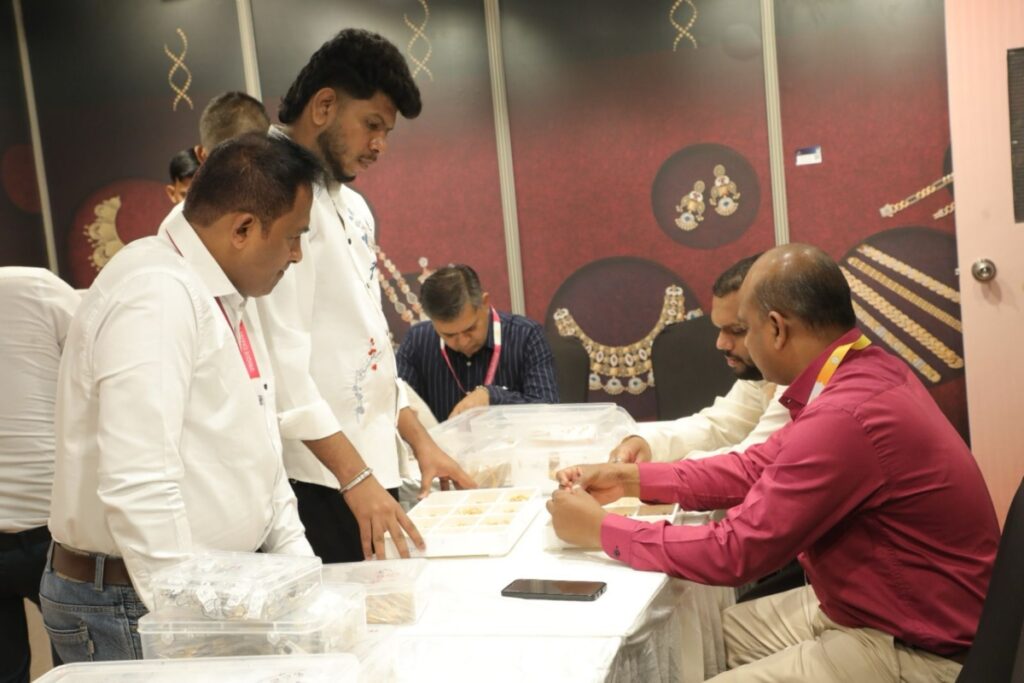
The 7th edition of GJC’s PREFERRED MANUFACTURER OF INDIA (PMI) was held from February 16th to 18th, 2025, at Hyatt Regency, Gurugram. It featured a wide range of collections, including gold, diamond, and antique gold jewellery, catering to the diverse needs of the industry. Over 1,800 meetings took place during the three-day event, reinforcing PMI’s role as a key driver of growth in the jewellery sector and helping retailers replenish their stock for the wedding season.
The inauguration in Gurugram, with Honorable MLA Shri Mukesh Sharma lighting the ceremonial lamp, was a landmark event, bringing together 42 leading manufacturers and 200+ prominent retailers from across India
Rajesh Rokde, Chairman, GJC said, “As Chairman of the GJC, I am proud that Preferred Manufacturer of India (PMI) has set a new benchmark. PMI is more than just a platform; it’s a transformative initiative that fosters meaningful business relationships, strengthens brand positioning, and enhances profitability.”
Avinash Gupta, Vice Chairman, GJC said “Over 1,800 meetings took place during the three-day event, reinforcing PMI’s role as a key driver of growth in the jewellery sector and helping retailers replenish their stock for the wedding season.
It was my privilege to be part of the installation of Rajesh Rokde as Chairman, alongside myself as Vice Chairman, and the incoming Board members, marking a significant step forward for our collective vision. PMI continues to stand as a leading platform for meaningful business connections and for setting new benchmarks in the jewellery industry.”
Chetan Thadeshwar, Convener of PMI said “As Convener of PMI, I am thrilled by the success of the PMI. The event brought together over 200 elite retailers and 42 top manufacturers showcasing a premium selection of collections, including gold, diamond, couture and antique gold jewellery.
Even though the gold price is on constant high, the response was outstanding, with retailers refilling their stock for the upcoming wedding season and over 1,800 meetings held, reinforcing PMI’s reputation as the premier platform for industry leaders to connect.
Looking ahead, we are excited for the next show in Goa, from June 10th to 12th, 2025. PMI remains committed to providing a premium space for collaboration, growth, and showcasing the finest in jewellery.”









JB Insights
CIBIL Score Plays A Key Role In Festive Financing
A Consumer’s CIBIL Score and Report Play A Decisive Role In Determining Loan Eligibility, Interest Rates, and Overall Borrowing Terms During High-Spending Seasons.


Gold in India is more than just a precious metal; it represents tradition, emotion, and long-term financial security. As major celebrations such as Dhanteras, Diwali, and the upcoming wedding season approach, consumer demand for gold reaches its annual peak.
However, with gold prices rising due to both global macroeconomic pressures and heightened domestic demand, an increasing number of buyers are turning to credit options—specifically gold loans and personal loans—to finance their festive purchases.
In light of these market dynamics, maintaining awareness of one’s financial profile is critical.
A consumer’s CIBIL Score and Report play a decisive role in determining loan eligibility, interest rates, and overall borrowing terms during high-spending seasons.
The Mechanics Behind Festive Gold Price Surges
Gold prices do not move in isolation. The seasonal increase in retail price is driven by a combination of key domestic and international factors:
Global Economic Uncertainty: International market volatility frequently drives capital into gold as a traditional safe-haven asset.
Macroeconomic Indicators: Currency fluctuations and persistent inflation impact local procurement costs.
Domestic Seasonal Demand: Concentrated buying during auspicious cultural dates creates short-term supply-demand imbalances, further driving up retail costs.
The Strategic Role of Your CIBIL Score in Festive Financing
When household budgets face pressure during peak shopping periods, credit-based financing offers immediate liquidity. Whether securing an uncollateralized personal loan or a loan against existing gold holdings, financial institutions rely heavily on credit risk assessments.
The CIBIL Score—a 3-digit numerical summary ranging from 300 to 900—serves as the primary benchmark for creditworthiness:
Approval Probability: A high CIBIL Score significantly increases the likelihood of quick loan sanctioning.
Cost of Capital: Lenders offer competitive, lower interest rates to high-scoring applicants, reducing total borrowing costs.
Flexible Repayment Structure: Favorable credit profiles grant borrowers stronger leverage to negotiate manageable tenure options.
Best Practices for Smart Festive Borrowing
To enjoy festive celebrations without compromising long-term financial stability, consumers are advised to adopt responsible borrowing strategies:
Check Credit Reports Early: Review your CIBIL Report prior to applying for financing to resolve any discrepancies or evaluate your standing.
Borrow Within Limits: Limit loan amounts strictly to what can be comfortably serviced within monthly household budgets.
Maintain Timely Repayments: Ensure all equated monthly installments (EMIs) are paid on time to avoid negative marks on your credit profile.
By pairing festive financial planning with active credit monitoring, consumers can meet their cultural commitments while preserving robust financial health for the future.



Belgian Consul General H. E. Mr. Pierre Stverlynck Graces BDB Annual Day

Limelight Lab Grown Diamonds Crosses 100 Stores Milestone This Dussehra: Targets 200 In 2027

Joyalukkas Opens Its 2nd Bengaluru Showroom in Jayanagar

US Holiday Shopping Expected To Top $1 Trillion For The First Time: NRF
Belgian Consul General H. E. Mr. Pierre Stverlynck Graces BDB Annual Day
Limelight Lab Grown Diamonds Crosses 100 Stores Milestone This Dussehra: Targets 200 In 2027
-
 International News19 hours ago
US Holiday Shopping Expected To Top $1 Trillion For The First Time: NRF
-
 National News13 hours ago
Belgian Consul General H. E. Mr. Pierre Stverlynck Graces BDB Annual Day
-
 National News14 hours ago
Limelight Lab Grown Diamonds Crosses 100 Stores Milestone This Dussehra: Targets 200 In 2027
-
 New Premises15 hours ago
Joyalukkas Opens Its 2nd Bengaluru Showroom in Jayanagar
