International News
Platinum, palladium prices decline on easing of U.S.-China trade tensions

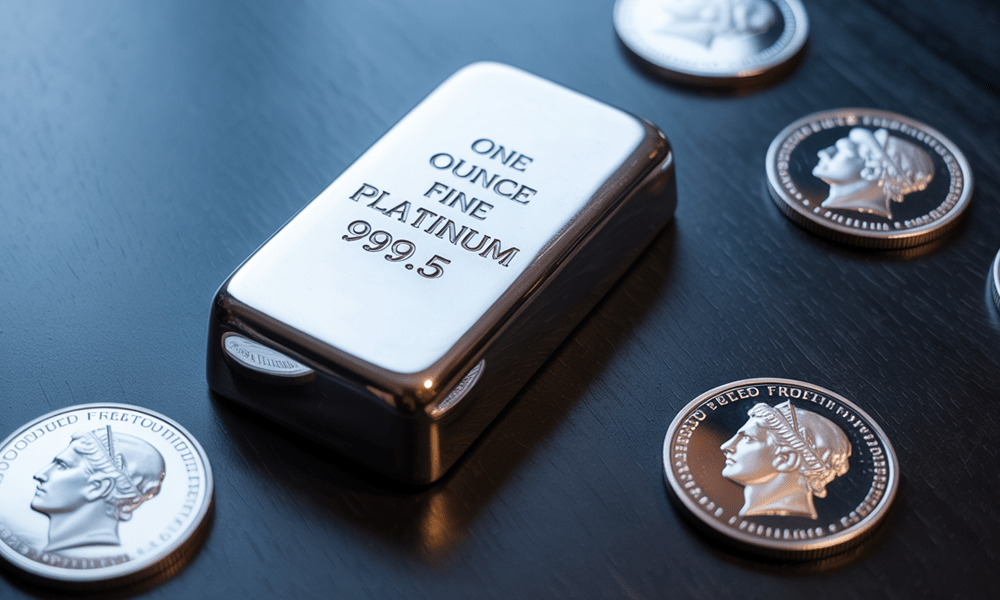
Platinum: Platinum prices have also declined, falling by 0.6% to $983.56 per ounce in mid-May, and reaching as low as $955 per ounce in April. The metal faces headwinds from weaker industrial demand and macroeconomic uncertainty, despite ongoing supply constraints. UBS and other analysts have cut their price expectations, citing a lack of compelling demand growth and investor nervousness about the macroeconomic outlook.
Palladium dropped by 0.5% to $965 per ounce as of May 2025, with earlier declines of 5% in April, bringing its price below platinum. Over 80% of palladium’s demand comes from the auto sector, making it particularly vulnerable to any downturn in vehicle sales. Analysts expect only a modest recovery ahead, with looming surpluses likely to cap prices in the longer term.
Improved Risk Appetite: The easing of U.S.-China trade tensions has increased investor risk appetite, leading to profit-taking and liquidation in safe-haven assets like gold and, by extension, other precious metals.
Industrial Demand Concerns: Softer industrial demand, especially for platinum and palladium, is weighing on prices. Both metals are heavily used in automotive and industrial applications, and any slowdown in global growth or vehicle sales directly impacts demand.
Macroeconomic Uncertainty: Ongoing uncertainty about economic growth, interest rate policies, and trade relations is making investors cautious, particularly for metals with significant industrial uses.
Supply Factors: While platinum faces constrained supply, this has not been enough to offset weaker demand. Palladium, meanwhile, is expected to move into surplus as supply outpaces demand, further pressuring prices.
Platinum is likely to remain rangebound, with its price outlook hinging on supply constraints and the potential for demand growth from emerging sectors like hydrogen.Palladium faces a more challenging outlook, with analysts warning that prices could fall further if auto sector demand weakens and market surpluses grow.








International News
US Jewellery Companies Continued To Shrink In The Third Quarter:JBT
During Q3, Business Closures Dropped To 116 Compared To 126 In The Prior Year’s Third Quarter, Driven By 88 General Operational Cessations, 28 Acquisitions Or Mergers, and Zero Bankruptcies.

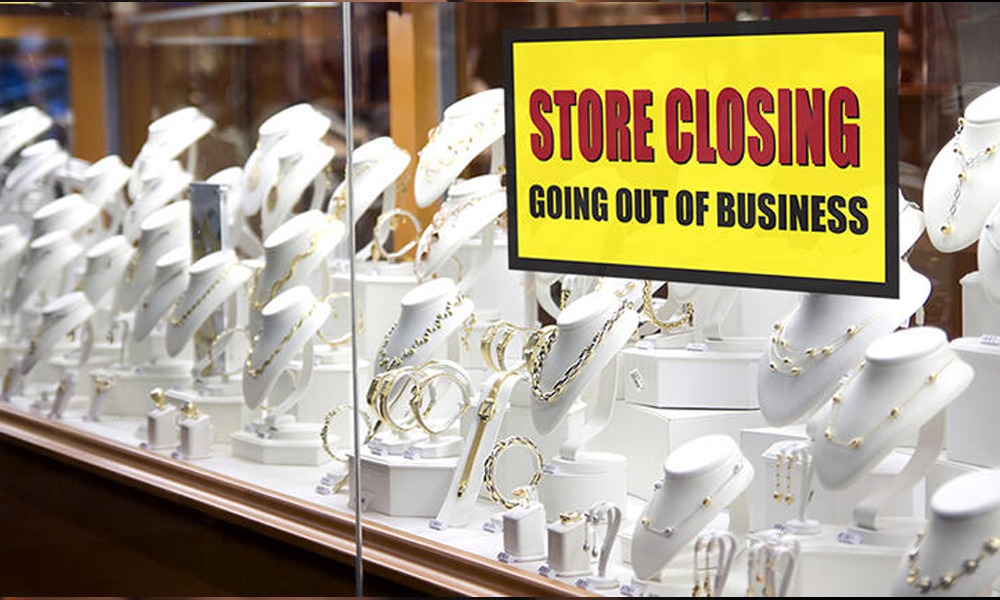
The number of active US jewelry companies continued to shrink in the third quarter, but at a slower pace than a year ago, according to the latest data from the Jewelers Board of Trade (JBT).The US jewelry industry continued its structural consolidation through Q3, though the pace of business closures showed signs of stabilizing compared to the previous year. Data from the Jewelers Board of Trade (JBT) reflects ongoing consolidation across retail, wholesale, and manufacturing, coupled with heightened credit volatility.
Key Data & Metrics
Nationwide, the active business footprint stands at 21,831 companies, reflecting a 1.4% year-over-year decline. During Q3, business closures dropped to 116 compared to 126 in the prior year’s third quarter, driven by 88 general operational cessations, 28 acquisitions or mergers, and zero bankruptcies. Meanwhile, new market entrants also slowed, with 67 new business openings recorded in Q3 down from 89 during the same period last year.
Sector-by-Sector Breakdown
| Sector | Active Count | YoY Change | Impact Summary |
| Retailers | 16,564 | -1.5% | Makes up the majority of the sector; experienced the largest net store count reduction. |
| Manufacturers | 2,061 | -1.7% | Steepest percentage decline among all segments. |
| Wholesalers | 3,206 | -0.9% | Relatively stable, holding the mildest contraction rate. |
Credit & Financial Health Trends
The JBT report highlights dynamic shifts in creditworthiness across US and Canadian businesses, signaling bifurcated financial health:
- Credit Downgrades: Jumped sharply to 1,655 (up from 620 in Q3 of the prior year).
- Credit Upgrades: Rose significantly to 1,480 (up from 551 in Q3 of the prior year).
While net business closures are tapering off, high numbers of simultaneous upgrades and downgrades point to a split market where resilient operators are strengthening their positions while vulnerable businesses face tighter financial pressures.



US Jewellery Companies Continued To Shrink In The Third Quarter:JBT

US Demand Slowdown Hits Diamond, Apparel, Exporters As Factories Shut and Orders Dry Up

This Diwali, You Are The Occasion: Lukson Reimagines Festive Jewellery Shopping With Its New Campaign

Dhanteras Shopping Guide 2026:Gold, Silver, Diamonds & Festive Jewellery Trends To Watch

From Diya Puja To Diwali Soirées: Jewellery Designed To Go Beyond The Festive Season

The Solenne Collection: A Celebration Of Diwali By Bharti Bangur Fine Jewels
-
 JB Insights1 week ago
Dhanteras Shopping Guide 2026:Gold, Silver, Diamonds & Festive Jewellery Trends To Watch
-
 BrandBuzz1 week ago
From Diya Puja To Diwali Soirées: Jewellery Designed To Go Beyond The Festive Season
-
 BrandBuzz1 week ago
The Solenne Collection: A Celebration Of Diwali By Bharti Bangur Fine Jewels
-

 National News1 week ago
Indriya, Aditya Birla Jewellery Unveiled India’s Largest Sustainable Jewellery Rangavalli