International News
Pandora Strengthens Position as Full-Fledged Jewellery Brand with Solid Q2 Growth
Danish jewellery giant Pandora has reported another quarter of strong performance, reinforcing its transition from a charm-dominated business into a diversified global jewellery brand.


Pandora, which operates more than 6,700 points of sale worldwide, said its strategic “Phoenix” growth plan—focused on brand elevation, product design, market expansion, and personalization—is steadily paying off.
For the quarter ended June 30, Pandora posted 8% organic growth, up from 7% in the previous quarter. The company expects organic growth in the 7–8% range for the full year. Like-for-like sales rose 3% overall, with the US market leading at 8% growth, while Europe showed a modest 1% increase.
Despite what it described as a “turbulent” global economic climate, including pressures from foreign exchange, tariffs, and commodity prices, Pandora said both revenue and margins remained resilient.

“In these turbulent times, we are satisfied with yet another quarter of high single-digit organic growth and strong profitability,” said Alexander Lacik, Pandora’s President and CEO, in the company’s financial statement released on 15 August. “The results show that our brand and unique storytelling proposition continue to attract more consumers.”
Pandora, which still derives over 70% of its sales from charm bracelets, has been steadily expanding its portfolio into rings, earrings, and necklaces, strengthening its ambition to be recognised as a complete jewellery brand.







International News
De Beers Assumes 100% Control Of Gahcho Kué Diamond Mine
A Global Slump In Diamond Demand Hit The Company Hard. Its Revenue Dropped 42% In 2025, and Average Diamond Prices Plummete

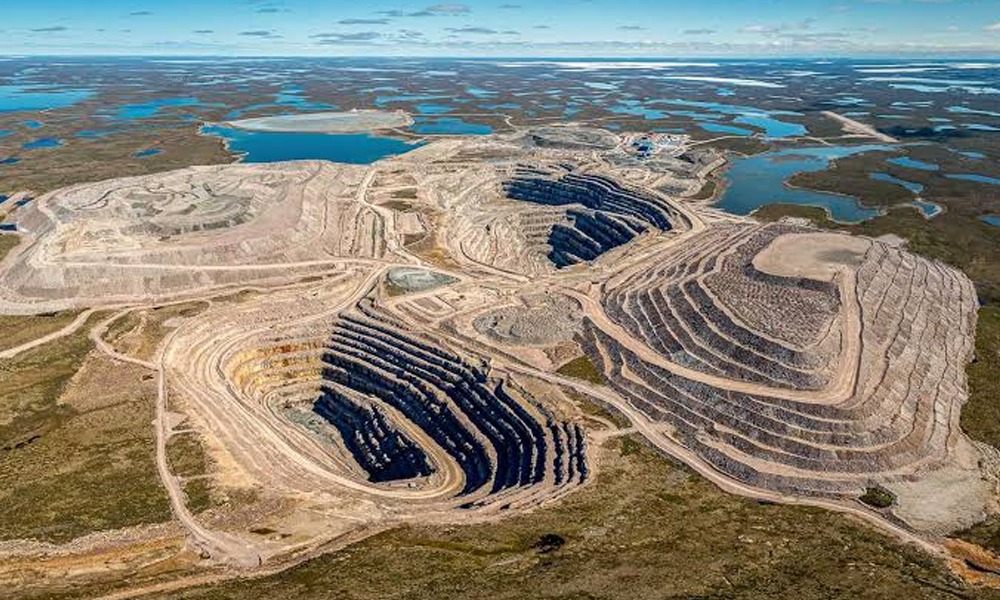
De Beers is taking 100% control of the Gahcho Kué diamond mine in Canada’s Northwest Territories. Its partner, Mountain Province Diamonds, was facing major financial trouble and agreed to hand over its 49% share in exchange for being cleared of all its debts to De Beers.
Here is why Mountain Province ran into trouble:
Falling Diamond Prices: A global slump in diamond demand hit the company hard. Its revenue dropped 42% in 2025, and average diamond prices plummeted—falling to just $36 per carat in the second quarter.
Massive Debt: Mountain Province was struggling to pay back tens of millions of dollars in short-term loans. Ratings agency S&P warning that the company was at high risk of defaulting on its debts.
Cost-Cutting and Emergency Funds: To stay afloat, the company paused expansion plans at the mine, delayed payments into environmental cleanup funds, and sold future diamond sales rights to major investor Dermot Desmond (an Irish billionaire) for quick cash.
Despite selling twice as many diamonds recently, prices were too low to cover their debts.
CEO Jonathan Comerford explained that trade tariffs and Middle East conflicts crushed diamond prices, leaving handing over their share of the mine as the best option to cancel liabilities and secure local jobs.



GJS 2026 Diwali Edition Concludes On A High Note With Record Sales

GJEPC Launches UNNATI: Powering Women In GJ Sector To Drive Industry Growth Towards Viksit Bharat

Divine Solitaires and SGL Launch The Know Your Diamond Zone At GJS Diwali Edition 2026
GJEPC Launches UNNATI: Powering Women In GJ Sector To Drive Industry Growth Towards Viksit Bharat

KEYA By Adbhut Brings Wearable Art and Indian Craftsmanship To Delhi Art Weekend 2026
Divine Solitaires and SGL Launch The Know Your Diamond Zone At GJS Diwali Edition 2026
-
 National News2 days ago
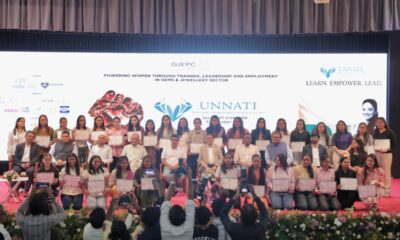
GJEPC Launches UNNATI: Powering Women In GJ Sector To Drive Industry Growth Towards Viksit Bharat
-
 National News2 days ago
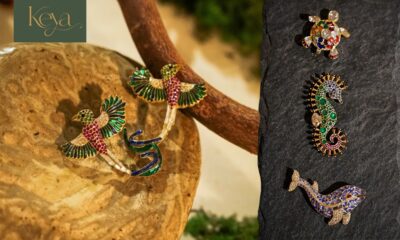
KEYA By Adbhut Brings Wearable Art and Indian Craftsmanship To Delhi Art Weekend 2026
-
 National News2 days ago
Divine Solitaires and SGL Launch The Know Your Diamond Zone At GJS Diwali Edition 2026
-

 National News2 days ago
Titan, Kalyan, Malabar, Senco and Indriya Lead 54 Champions Crowned At The First India International Jewellery Awards