
International News
Namibia’s Finance Minister Calls for Economic Diversification as Diamond Sector Weakens
Minister Shafudah Foresees Modest Growth for 2025 Amid Diamond Revenue Decline and Urges Focus on Alternative Sectors

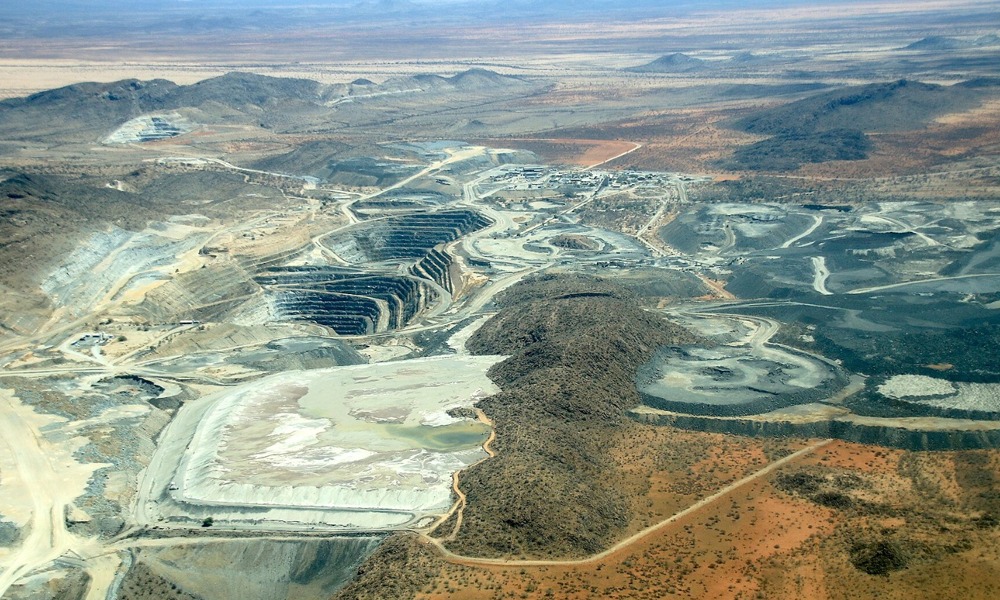
In her recent budget speech, Namibia’s Finance Minister, Ericah Shafudah, emphasized the urgent need for economic diversification as the country faces continued challenges in its diamond sector. She forecasted only 4.5% growth for 2025, a downward revision from the previously projected 5.4%. The diamond industry, which contributes about 10% of Namibia’s GDP, has been facing several headwinds, including weak global demand, particularly from key markets like China and the US, increased competition from Angola’s cheap rough supply, and the growing popularity of lab-grown diamonds.
The slump in the diamond sector has had a significant impact on domestic activities, with total revenue from diamonds halving in 2024. Debmarine Namibia, the joint venture between De Beers and the Namibian government, reported a 38% decline in its revenue last year. This decline has been reflected in the country’s tax revenues, with Namibia’s Revenue Agency (NamRA) forecasting a reduction of NAD 6 billion (approximately USD 330 million) for 2025.
Minister Shafudah’s speech highlighted the urgent need for diversification, with Namibia possessing exceptional solar energy potential, along with opportunities for growth in tourism, agriculture, and manufacturing. By focusing on these sectors, Namibia aims to reduce its reliance on diamonds and build a more resilient economy capable of withstanding fluctuations in global commodity markets.








International News
Diamond Price Gains In Sept Led By Small, High-Quality Stones
US Retail Demand Strengthened, Particularly For 1–2 Ct (F–I, VS2–SI2) and 2+ Ct Stones. Lower-Quality Smaller Goods Remain Under Pressure From Lab-Grown Diamond Competition.

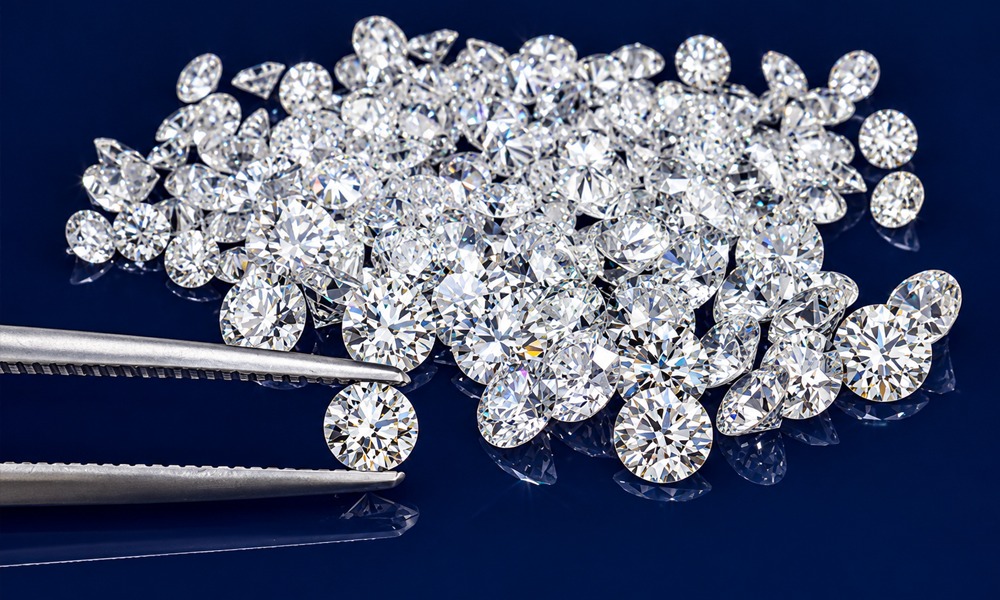
Diamond prices continued their upward trajectory in September—traditionally a slow month—driven by reduced production and rising demand. Round diamonds consistently outperformed fancy shapes.
US Market & Trading Sentiment: US retail demand strengthened, particularly for 1–2 ct (F–I, VS2–SI2) and 2+ ct stones. Lower-quality smaller goods remain under pressure from lab-grown diamond competition. Holidays in the US, Belgium, Israel, and India temporarily slowed regional trading.
Trade Show Trends (Hong Kong JGW): Show results were mixed: strong demand for finished jewelry and 2+ ct natural diamonds offset weak interest from Chinese buyers and sluggish movement in smaller, low-clarity goods.
Corporate & Supply Restructuring:
- De Beers is set to acquire Mountain Province’s 49% stake in the Gahcho Kué mine under a debt-restructuring agreement.
- Anglo American’s ongoing process to sell De Beers maintains broad market uncertainty, while recent De Beers rough sights indicate cautious buying.
- Petra Diamonds is evaluating strategic options, including potential asset sales.



Sky Gold & Diamonds To Acquire Purvi Gems In Strategic Move To Drive Growth, Achieve Scale and Product Diversification

ZOYA Rewrites The Language Of High Jewellery, Inspired By India’s Spices As Keepers Of Memory, With Anoushka Shankar As Its Muse

Diamond Price Gains In Sept Led By Small, High-Quality Stones

Pandora Unveils $150 Million Mega-Factory In Vietnam

GIVA Celebrates The Many Expressions Of Navratri With Its New Campaign, ‘Tyohar Anek, Feeling Ek’
Sky Gold & Diamonds To Acquire Purvi Gems In Strategic Move To Drive Growth, Achieve Scale and Product Diversification
-
 International News15 hours ago
Pandora Unveils $150 Million Mega-Factory In Vietnam
-
 BrandBuzz13 hours ago
GIVA Celebrates The Many Expressions Of Navratri With Its New Campaign, ‘Tyohar Anek, Feeling Ek’
-
 National News11 hours ago
Sky Gold & Diamonds To Acquire Purvi Gems In Strategic Move To Drive Growth, Achieve Scale and Product Diversification
-

 National News15 hours ago
Precious Metal Futures Show Renewed Momentum
