
International News
Met Gala 2025: Diamonds of Legacy and Luxury Shine on Fashion’s Grandest Stage


The Met Gala 2025 dazzled once again, with natural diamonds taking center stage as symbols of heritage, elegance, and individuality. Aligned with this year’s theme, “Tailored for You”, and the exhibit “Superfine: Tailoring Black Style”, the red carpet became a celebration of self-expression through couture and craftsmanship — elevated by timeless diamond artistry. From heirloom inspirations to bold, modern creations, the night shimmered with history, sentiment, and star power. Here’s how some of the most talked-about names lit up the Met steps with brilliance and intention.

Priyanka Chopra in Bvlgari
At the heart of Priyanka Chopra’s old Hollywood-inspired look was a show-stopping Bvlgari necklace, crafted with natural diamonds and the 241-carat Magnus Emerald — the largest emerald ever set by the maison. The high jewellery piece debuted from Bvlgari’s Polychroma collection, celebrating colour and expert craftsmanship. Paired with a classic, vintage-style ensemble, Chopra’s look radiated opulence and elegance.
Nick Jonas complemented her in a custom-tailored ensemble, exuding refined sophistication. Together, the couple delivered a cinematic tribute to timeless glamour.

Shah Rukh Khan in Sabyasachi Fine Jewellery
The King of Bollywood made a quiet yet powerful statement in Sabyasachi Fine Jewellery. His look, called the Dandy Stack, featured 18k gold pieces set with old mine cut and brilliant cut natural diamonds. A diamond star brooch pinned to his lapel completed the ensemble — subtle, yet striking in its storytelling.

Diljit Dosanjh in Golecha Jewels
Diljit Dosanjh embodied regal elegance in a look inspired by royal Indian heritage. The centrepiece: a multi-layered real diamond necklace by Golecha Jewels, echoing the grandeur of Maharaja Bhupinder Singh’s iconic Patiala necklace by Cartier. A jewelled turban adorned with a bold brooch sealed his presence in true princely style.

Kiara Advani in Kantilal Chhotalal
Kiara Advani made history as the first Indian actor to attend the Met Gala while expecting — and did so with strength, grace, and radiant style. Styled by Anaita Shroff Adajania, she wore a sculptural custom gown by Gaurav Gupta, featuring a breastplate adorned with ghungroos and crystals.
Her jewellery — by Kantilal Chhotalal — included a 17-carat pear-shaped diamond piece and 5-carat heart-shaped diamond earrings. Additional accessories by Outhouse Jewellery and WrapGame India, including gold rings and a dramatic ear cuff, added to the bold yet emotive look. The ensemble was a moving tribute to motherhood, tradition, and modern femininity.

Isha M. Ambani in Her Personal Collection
Isha M. Ambani brought legacy and sentiment to the Met Gala in a necklace of over 481 carats of diamonds from her personal collection. The piece was inspired by Cartier’s famed Toussaint Necklace, as seen in Ocean’s 8, and reflected timeless elegance and familial heritage.
The jewellery, drawn from Nita Ambani’s collection, was paired with rings by Tiffany & Co. and exquisite hair jewels by Moi Vibe. Her ethereal ensemble — rich in gems, pearls, and ornate embellishments — seamlessly blended traditional artistry with modern couture, telling a deeply personal story of grace, strength, and quiet power.
As the cameras flashed and the world watched, the Met Gala 2025 became more than a parade of couture — it was a masterclass in storytelling through sparkle. From ancestral tributes to bold declarations of identity, natural diamonds weren’t just worn; they were lived in, loved, and layered with meaning. Each look wasn’t merely styled — it was sculpted, a blend of craftsmanship and character.
In a night that fused fashion, heritage, and heart, one thing was clear: trends may come and go, but the allure of natural diamonds — eternal, expressive, and deeply personal — remains forever en vogue.








International News
US Holiday Shopping Expected To Top $1 Trillion For The First Time: NRF
While Overall Buying Power Remains High, Ongoing Inflation and Rising Household Costs Mean Some Families Will Have To Watch Their Spending More Carefully Than Others

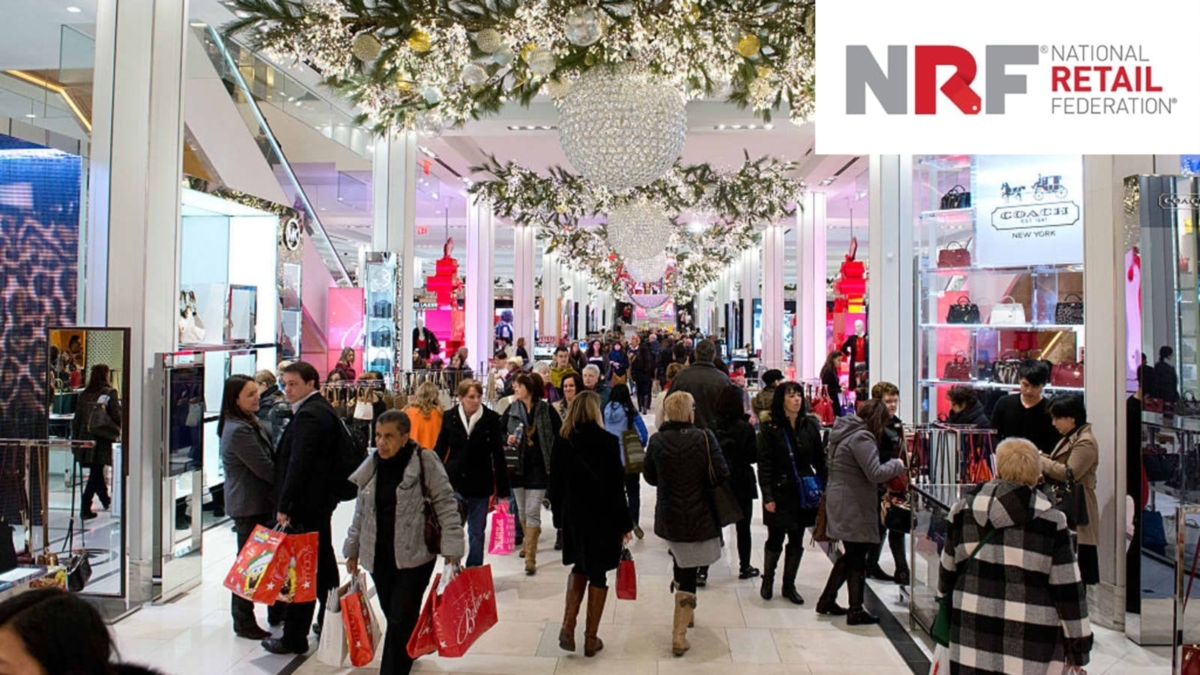
The National Retail Federation (NRF) predicts Americans will spend $1.01 trillion on holiday shopping in November and December. That is a 4.2% jump from $972 billion last year.
NRF said its forecast was based on economic modeling that incorporates consumer spending, employment, wages and historical retail sales data. It excludes automobile, gasoline and restaurant sales
Extra Hiring: To handle the surge in shoppers, stores plan to hire 325,000 to 375,000 temporary holiday workers.
Mixed Budget Impact: Higher gas prices and inflation could still strain some family budgets, affecting low- and high-income shoppers differently.
Retailers expect a strong shopping season because people continue to make holiday spending a priority.
Store owners are ready to attract shoppers by offering competitive prices, deals, and choices for every budget.
While overall buying power remains high, ongoing inflation and rising household costs mean some families will have to watch their spending more carefully than others.



Belgian Consul General H. E. Mr. Pierre Stverlynck Graces BDB Annual Day

Limelight Lab Grown Diamonds Crosses 100 Stores Milestone This Dussehra: Targets 200 In 2027

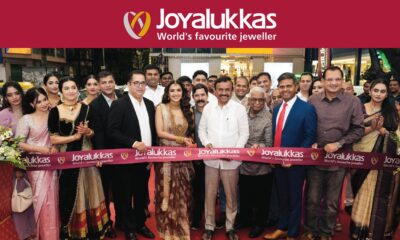
Joyalukkas Opens Its 2nd Bengaluru Showroom in Jayanagar

US Holiday Shopping Expected To Top $1 Trillion For The First Time: NRF
Belgian Consul General H. E. Mr. Pierre Stverlynck Graces BDB Annual Day
Limelight Lab Grown Diamonds Crosses 100 Stores Milestone This Dussehra: Targets 200 In 2027
-
 International News14 hours ago
US Holiday Shopping Expected To Top $1 Trillion For The First Time: NRF
-
 National News8 hours ago
Belgian Consul General H. E. Mr. Pierre Stverlynck Graces BDB Annual Day
-
 National News9 hours ago
Limelight Lab Grown Diamonds Crosses 100 Stores Milestone This Dussehra: Targets 200 In 2027
-
 New Premises10 hours ago
Joyalukkas Opens Its 2nd Bengaluru Showroom in Jayanagar
