
National News
MCX Gold and Silver Experiencing Downward Pressure Amid Macroeconomic Headwinds
MCX Gold and Silver Face Tactical Bearish Pressures from Macro-Geopolitical Synergies, Yet Structural Uptrends Offer Opportunistic Entry Points Above Core Supports

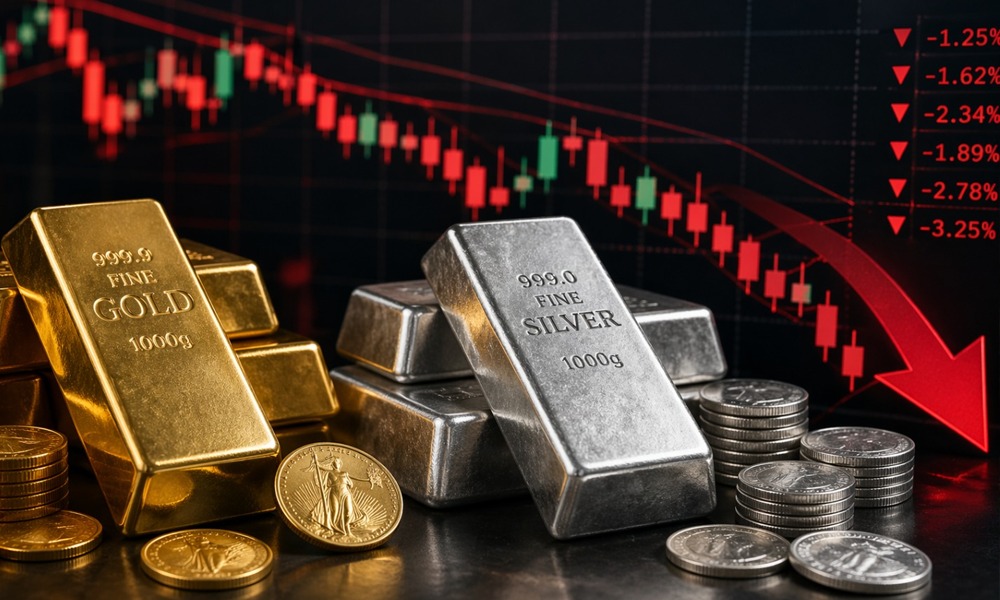
MCX Gold and Silver markets are experiencing downward pressure amid escalating geopolitical tensions and macroeconomic headwinds. This report provides a strategic analysis of current dynamics, leveraging real-time data for informed stakeholder decision-making.
Executive Summary
The MCX Gold futures have dipped below the pivotal Rs 1.51 lakh threshold per 10 grams, reflecting a 0.31% decline to Rs 1,49,950 in early trading on April 24, 2026, while Silver hovers around Rs 2.40 lakh per kg with a 0.56% drop to Rs 2,40,168. These movements stem from heightened US-Iran hostilities at the Strait of Hormuz, bolstering crude oil prices and inflationary expectations, which in turn elevate the opportunity cost of non-yielding bullion assets.
Market Performance Overview
- Gold Pricing Dynamics: MCX Gold May futures opened lower at Rs 1,49,950, recovering marginally from sub-Rs 1.51 lakh lows after prior session gains to Rs 1,50,750; spot international gold trades below $4,700/oz.
- Silver Pricing Trajectory: MCX Silver May futures at Rs 2,40,168, down from Rs 2,42,213, with intraday lows near Rs 2,39,200 amid a slower selloff pace versus recent sharp declines.
- Volatility Metrics: Weekly declines accelerated by US Dollar strength (up ~1%) and 10-year Treasury yield surge (>2%), compressing bullion appeal in a high-rate paradigm.
Key Risk Drivers
Elevated energy costs from US-Iran escalations, including naval blockades and mine-laying incidents at the Strait of Hormuz, have intensified inflationary risks and fueled speculation of prolonged elevated interest rates by central banks. President Trump’s directives for US Navy interventions and indefinite ceasefire extensions underscore persistent geopolitical volatility, indirectly pressuring bullion as a safe-haven amid dollar dominance.
Strategic Outlook and Recommendations
Bullish momentum persists in medium-term technicals, with Gold targeting Rs 1.63 lakh and Silver Rs 2.80 lakh if supports hold, though near-term headwinds from yield curves and crude spikes warrant hedging strategies. Stakeholders should prioritize portfolio rebalancing toward diversified yield-bearing alternatives while monitoring Hormuz developments for pivot reversals.
MCX Gold and Silver face tactical bearish pressures from macro-geopolitical synergies, yet structural uptrends offer opportunistic entry points above core supports—positioning for volatility-normalized alpha generation.



National News
Indriya, Aditya Birla Jewellery Unveiled India’s Largest Sustainable Jewellery Rangavalli
The Installation Transformed An Iconic Jewellery Design, From Indriya’s Festive Collection Padmika, Into A Magnificent Rangavalli, A Grand Celebration For Vijayadashami.
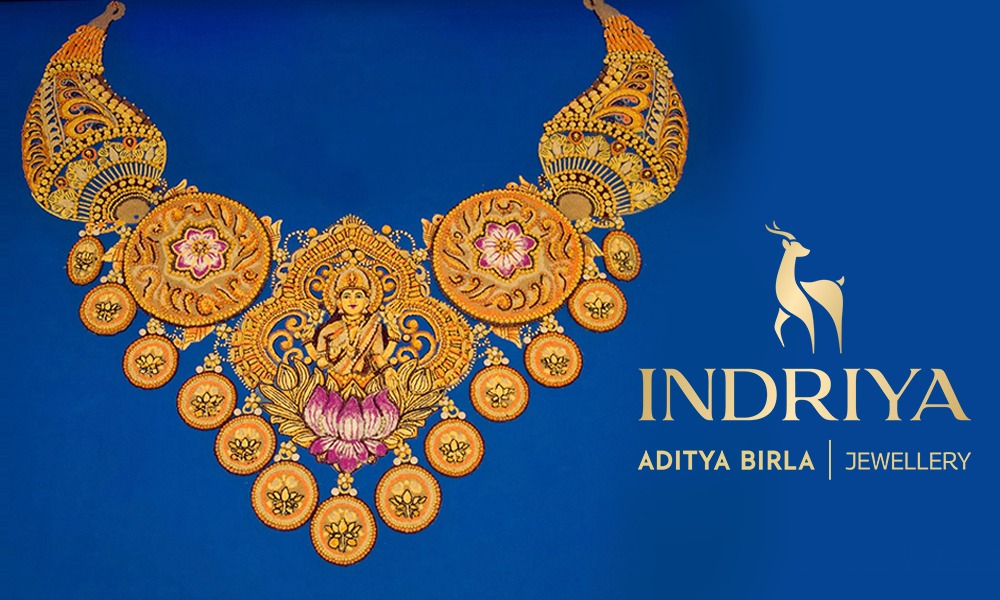
Indriya, Aditya Birla Jewellery, on unveiled India’s Largest Sustainable Jewellery Rangavalli, crafted from grains, at Orion Mall and Shri Sathya Ganapathi Shirdi Saibaba Temple on in Bengaluru, as a tribute to our rich cultural heritage and enduring festive traditions. Spanning 400 sq. ft. at Orion Mall and 1,600 sq. ft. at the temple, the large-scale Rangavalli installations, inspired by an iconic jewellery design from Indriya’s latest festive collection, Padmika, transform the intricate artistry of fine jewellery into magnificent expressions of a cherished cultural tradition steeped in devotion, craftsmanship and community spirit.
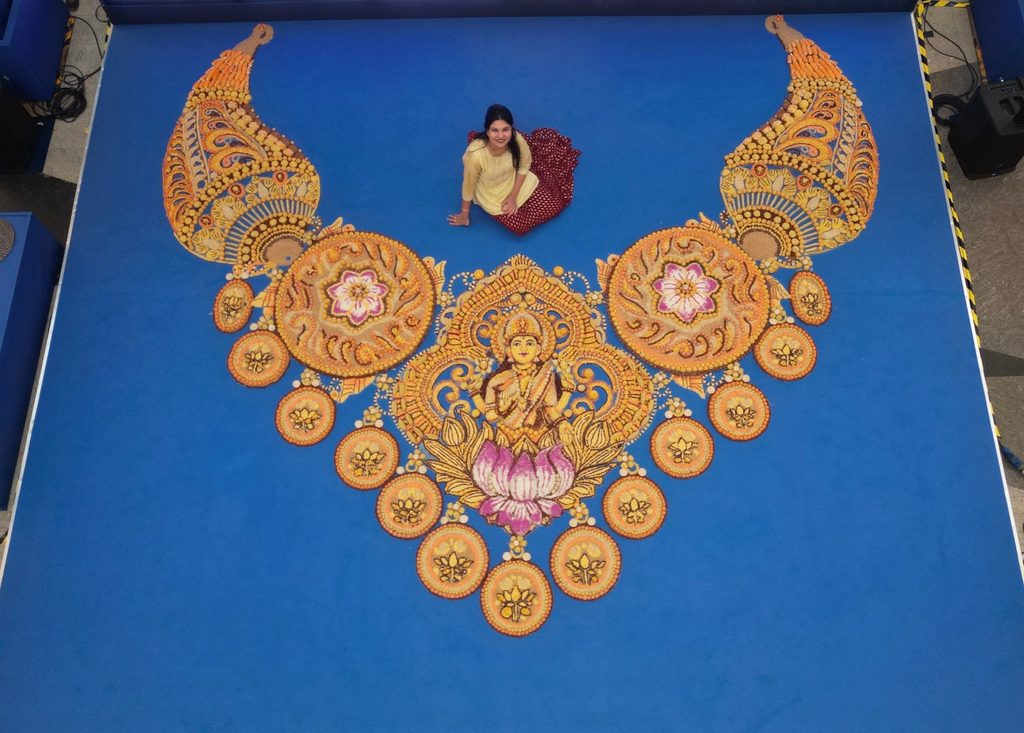
Padmika crafted in 22KT gold celebrated the revival of Gulabi Meenakari, a rare pink enamel craft, and the necklace featured an intricate nakshi floral detailing alongside the auspicious motif of Goddess Lakshmi seated on a lotus, symbolising prosperity, abundance and new beginnings. Reimagined as a magnificent Rangavalli using eco-friendly materials including rice, millets and seeds, the installation translated the intricate artistry of the necklace into a large-scale tribute to our cultural heritage. Bringing together thousands of individual elements, the artwork reflected the precision, patience and craftsmanship shared by both jewellery-making and Rangavalli creation. Created using grains, millets and seeds, the installation celebrated the enduring beauty of traditional art forms while offering visitors a distinctive and immersive festive experience.
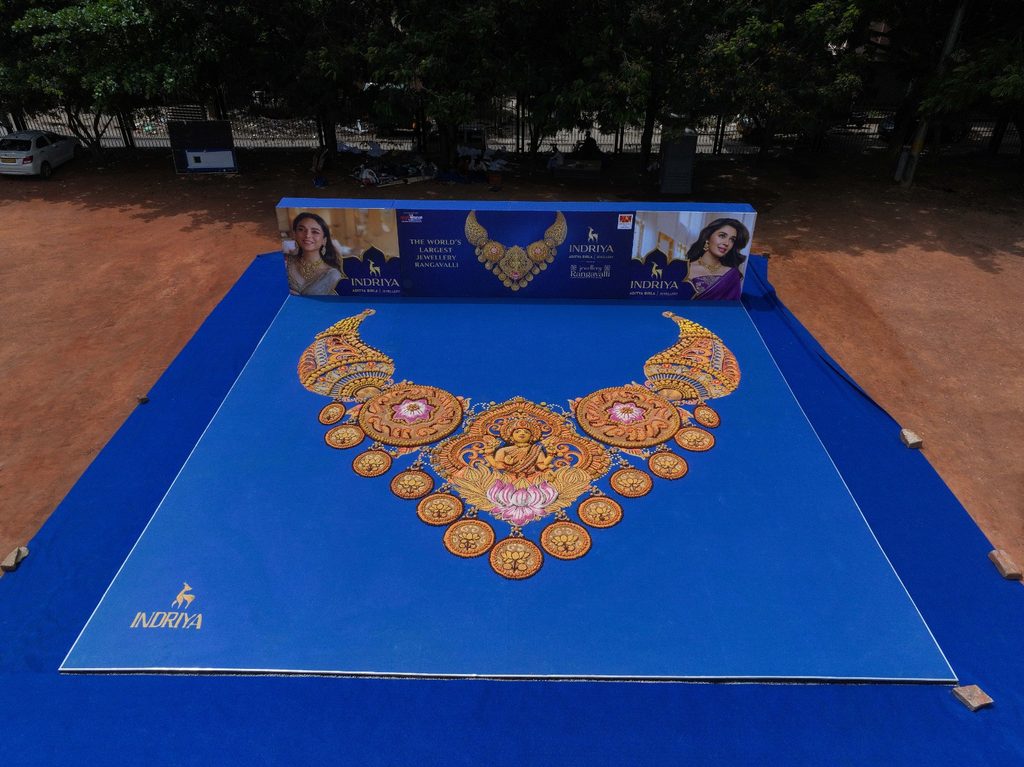
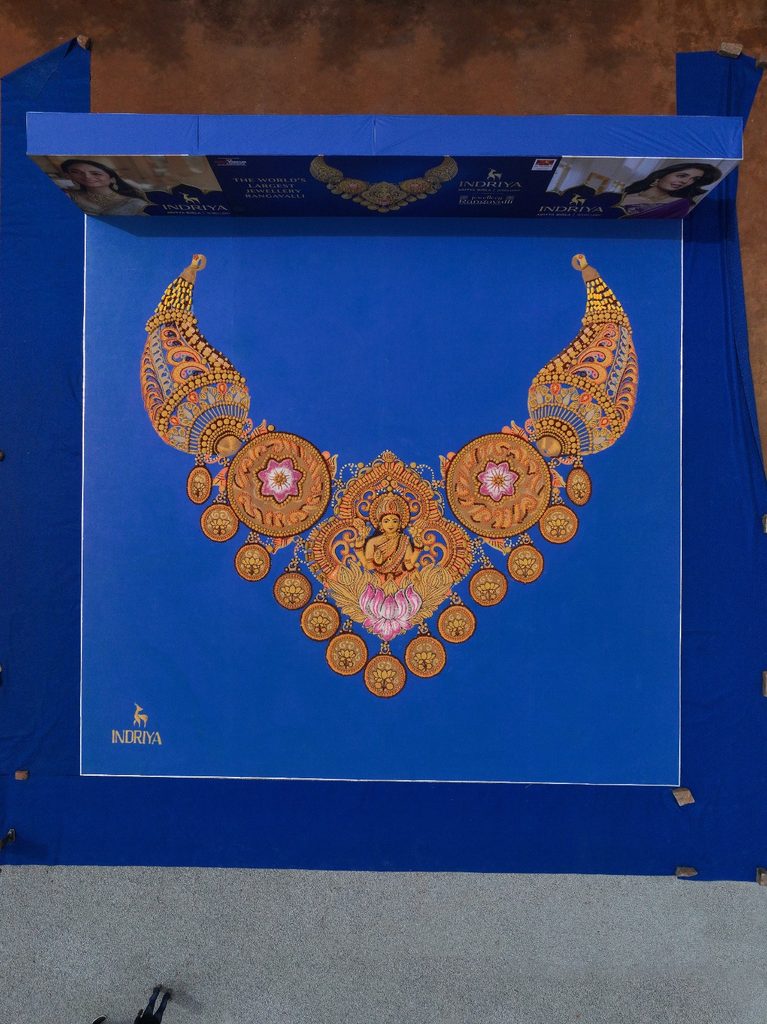
Rooted in cultural authenticity, the initiative drew on the expertise of the renowned Rangoli artist Shikha Sharma popularly known as the “3D Rangoli Queen” and creator of record-breaking Rangoli artworks. By translating the detailing of an iconic temple jewellery design into Rangavalli, Indriya celebrated two art forms that shared a deep appreciation for intricate patterns, craftsmanship and the coming together of individual elements which created something extraordinary.
Sustainability was integral to the initiative and it extended the purpose of the installation beyond the festive celebration. Following Vijayadashami, the rice, millets and seeds used in the artwork were responsibly repurposed through feeding drives for birds and animals in partnership with Akhil Karnataka Prani Daya Sangh Gaushala.
Speaking about the initiative, Shantiswarup Panda, Head of Marketing & Visual Merchandising at Indriya, said:
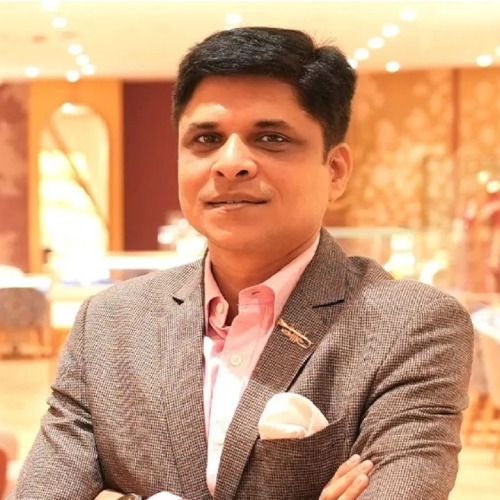
“At Indriya, our endeavour is to celebrate India’s rich cultural heritage through meaningful and contemporary expressions. The Jewellery Rangavalli is an extension of that vision, reimagining an iconic Padmika design through a beloved festive tradition that resonates deeply with our audiences. As a brand inspired by culture and craftsmanship, we wanted to create an experience that not only showcases the artistry behind our jewellery but also invites consumers to engage with it in a memorable and immersive way. Through this initiative, we celebrate heritage, craftsmanship and the spirit of togetherness that lies at the heart of Vijayadashami.”



Dhanteras 2026: Can Festive Shopping Spark A Golden Opportunity For india’s Jewellery Industry?

Dhanteras Shopping Guide 2026:Gold, Silver, Diamonds & Festive Jewellery Trends To Watch

Indriya, Aditya Birla Jewellery Unveiled India’s Largest Sustainable Jewellery Rangavalli
Dhanteras Shopping Guide 2026:Gold, Silver, Diamonds & Festive Jewellery Trends To Watch
Indriya, Aditya Birla Jewellery Unveiled India’s Largest Sustainable Jewellery Rangavalli

From Diya Puja To Diwali Soirées: Jewellery Designed To Go Beyond The Festive Season
-
 JB Insights9 hours ago
Dhanteras Shopping Guide 2026:Gold, Silver, Diamonds & Festive Jewellery Trends To Watch
-
 National News9 hours ago
Indriya, Aditya Birla Jewellery Unveiled India’s Largest Sustainable Jewellery Rangavalli
-
 BrandBuzz10 hours ago
From Diya Puja To Diwali Soirées: Jewellery Designed To Go Beyond The Festive Season
-
 BrandBuzz10 hours ago
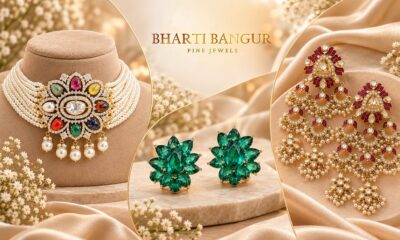
The Solenne Collection: A Celebration Of Diwali By Bharti Bangur Fine Jewels
