

DiamondBuzz
Mangalsutra Revival 2025–26: How India’s wedding boom is powering a new era of cultural jewellery
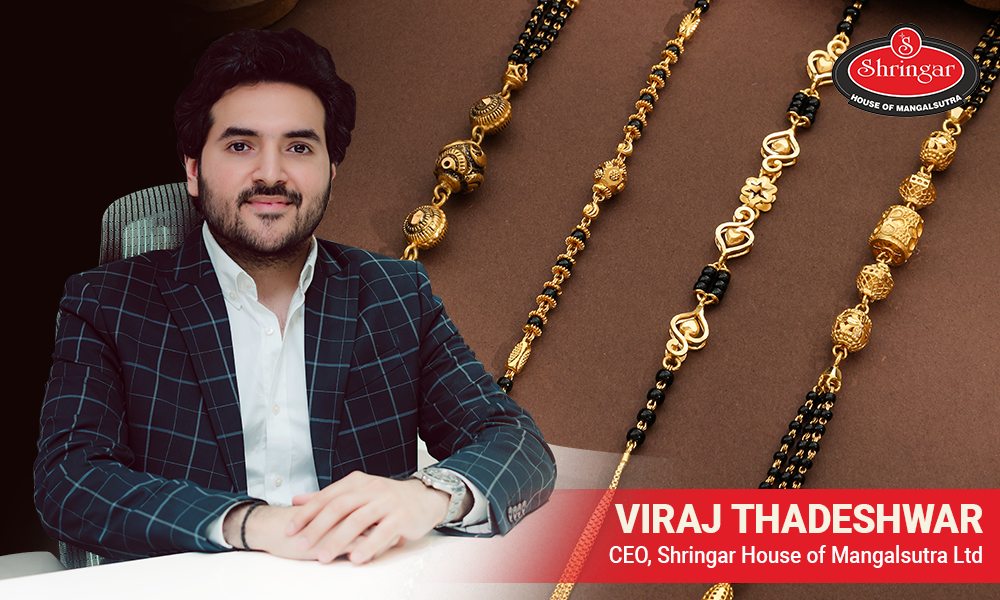
by Viraj Thadeshwar-CEO, Shringar House of Mangalsutra Ltd

A Historic Wedding Season Driving Jewellery Demand
India is entering one of the most robust wedding seasons in recent years, with a record number of auspicious dates and full-scale celebrations making a strong comeback. This renewed vibrancy is expected to fuel significant demand for bridal jewellery across the country.
Weddings continue to remain the single-largest consumption driver for gold and diamond jewellery in India, and 2025–26 is poised to be no different. Retailers are already reporting heightened customer interest and increased pre-bookings for bridal collections, signalling bullish sentiment for the months ahead.
The Mangalsutra: A Timeless Symbol Strengthened by Tradition
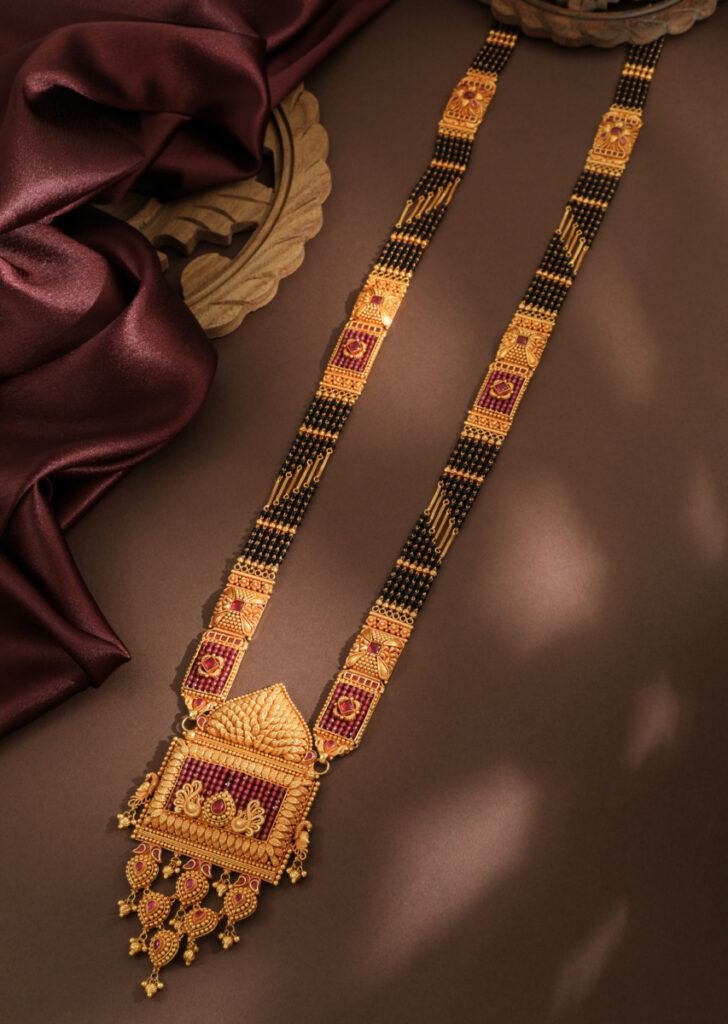
At the core of this surge lies the most meaningful and culturally significant ornament in Hindu marriage — the mangalsutra.
More than a piece of jewellery, it is a sacred symbol of marital commitment, emotional connection, and lifelong partnership.
For generations, the mangalsutra has been considered non-negotiable in a bride’s trousseau. Even as tastes evolve, this deep-rooted sentiment remains unchanged. Every bride, regardless of region or style preference, views the mangalsutra as the ultimate expression of tradition and identity.
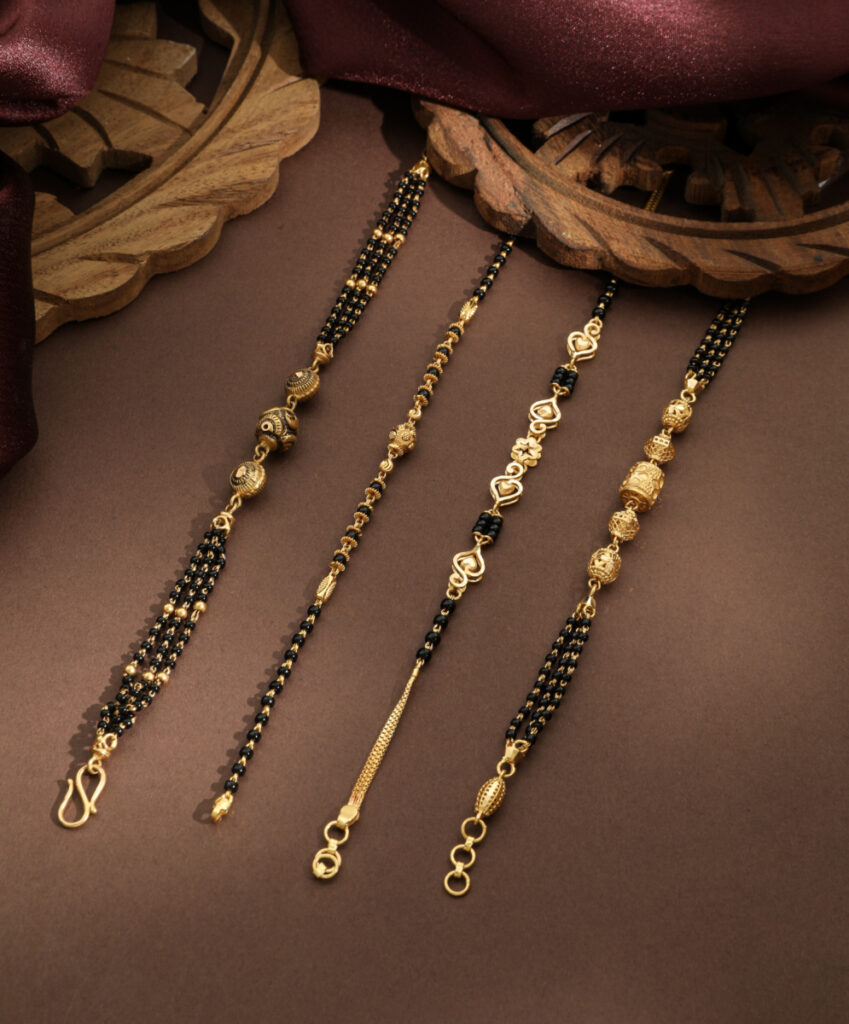
Renewed Traction as Weddings Return to Full Scale
With weddings regaining their pre-pandemic scale, the mangalsutra category is witnessing a strong revival. Retailers across India are expecting double-digit growth this season, driven by cultural significance, modern design innovation, and the desire for multiple variations of this essential ornament.
At Shringar House of Mangalsutra Ltd, this trend is even more pronounced. The brand is witnessing record retailer inquiries nationwide, indicating a clear shift toward curated mangalsutra assortments.
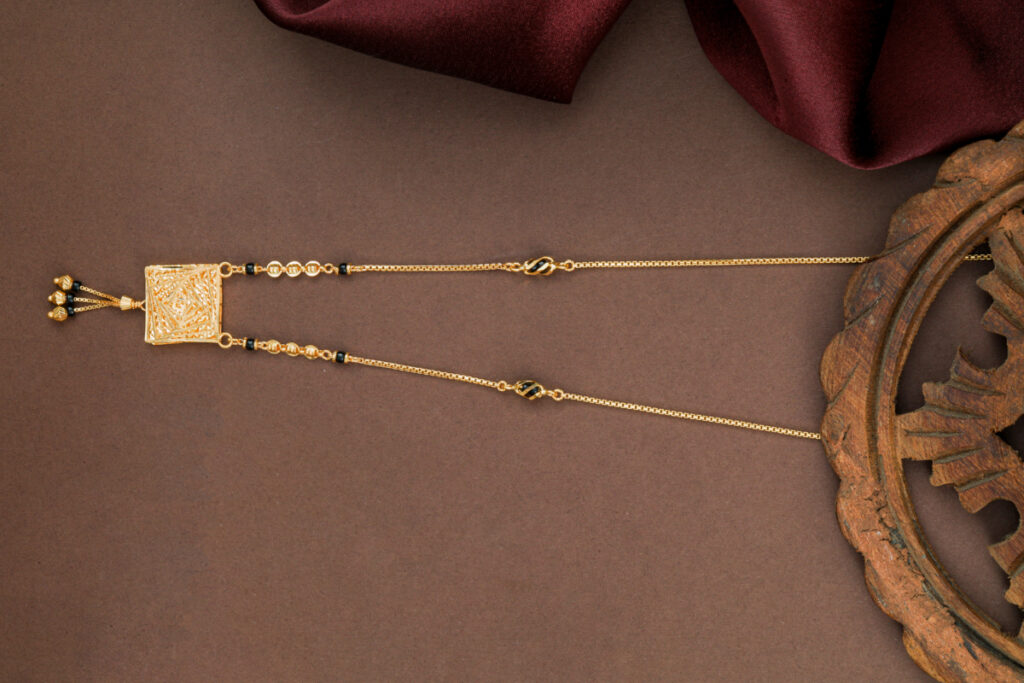
Modern Brides Want More Than One Mangalsutra
A key evolution shaping demand is the changing mindset of young brides. Today’s bride is both rooted in tradition and expressive in personal style, balancing heritage with contemporary fashion sensibilities.
Brides are increasingly purchasing three distinct types of mangalsutras:
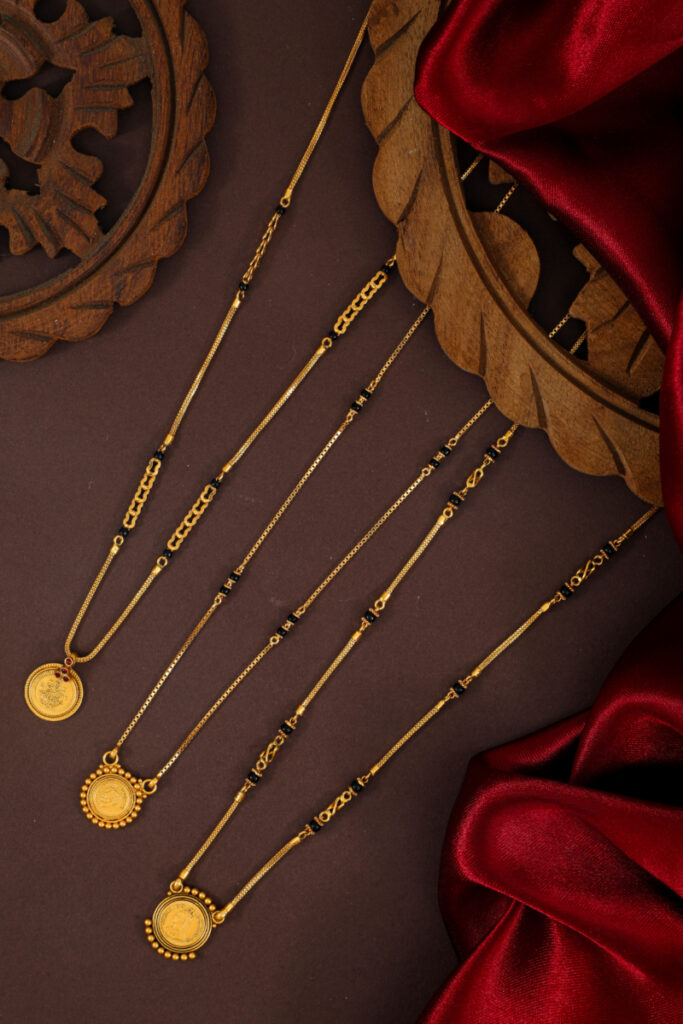
- Traditional / Heavy Pieces — for rituals and wedding ceremonies
- Lightweight Daily-Wear Designs — prioritising comfort and practicality
- Occasion-Wear / Diamond Mangalsutras — designed to complement modern outfits
Versatility has become a major purchasing driver, with brides seeking jewellery suitable for both ethnic and western wear. Personal identity and styling preferences now play a stronger role in design decisions, making multi-category buying behaviour a significant growth contributor.
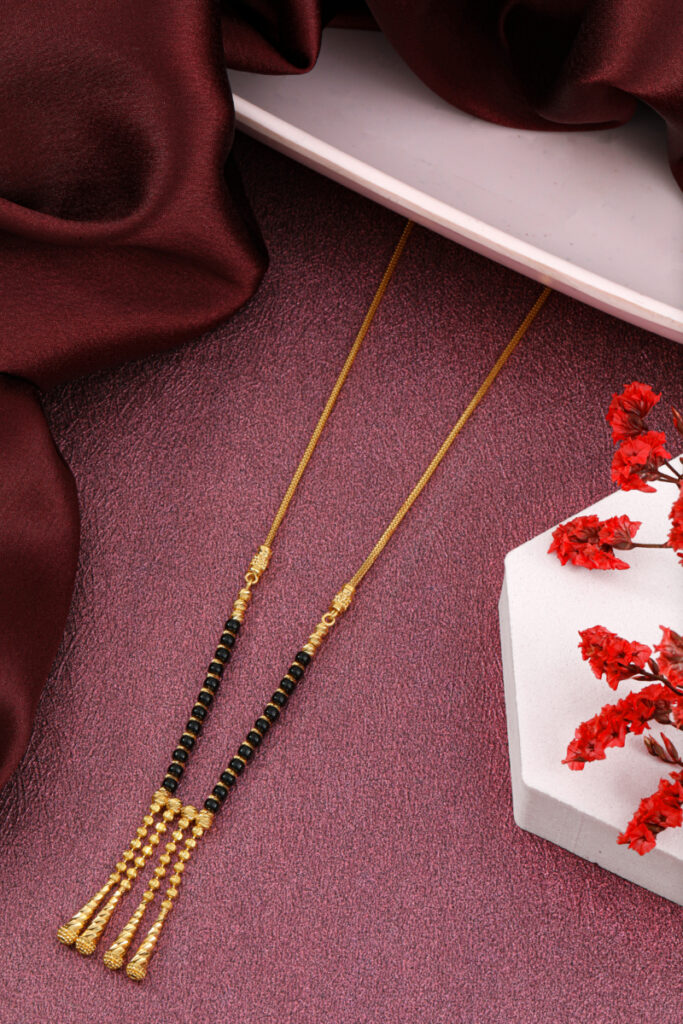
The Rise of Lightweight & Diamond-Styled Mangalsutras
Design trends are evolving rapidly, with rising demand for:
Lightweight, Minimalist Mangalsutras
Perfect for daily wear, these designs deliver elegance without heaviness. They are especially popular among working women and younger brides who prioritise comfort, versatility, and subtle sophistication.
Diamond-Studded Mangalsutras
This segment has emerged as the fastest-growing category. With refined brilliance and contemporary appeal, diamond mangalsutras are becoming a trousseau essential for fashion-conscious brides.
At Shringar, the design philosophy focuses on preserving the emotional essence of the mangalsutra while integrating global aesthetics, fine craftsmanship, and modern versatility.
A Powerful Moment for the Mangalsutra Category
As India embraces full-scale weddings supported by strong consumer sentiment, the mangalsutra stands at the centre of this resurgence — not merely as jewellery, but as a living cultural legacy growing stronger with every generation.
The upcoming season presents a tremendous opportunity for both retailers and manufacturers. For Shringar House of Mangalsutra Ltd, it marks a moment to celebrate heritage, drive design innovation, and strengthen its commitment to serving the emotional and cultural heartbeat of Indian weddings.


DiamondBuzz
Anglo American cuts book value of De Beers to $2.3bn, reflects a convergence of structural and cyclical pressures
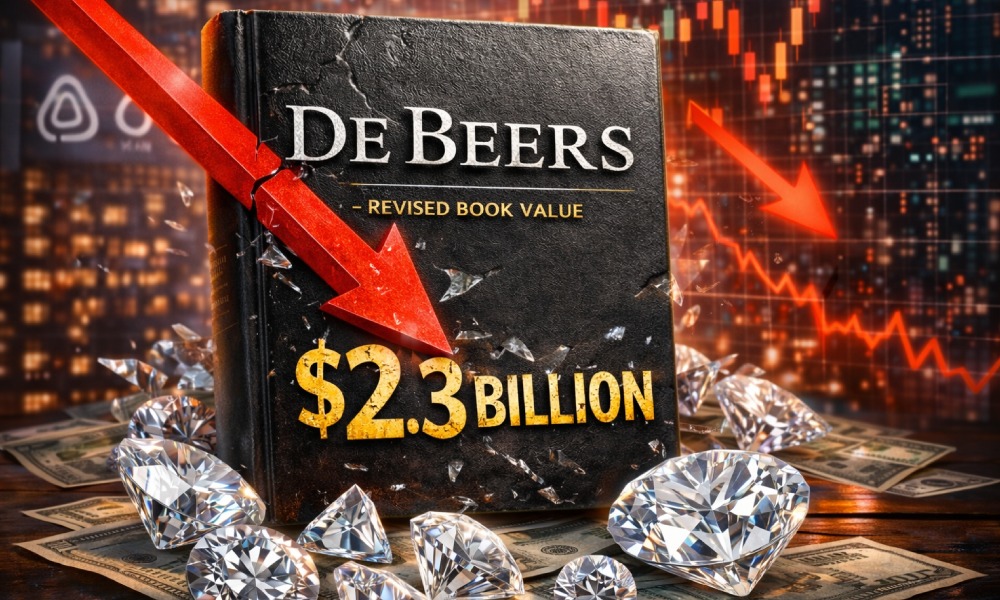
Anglo American has written down the book value of De Beers for the third consecutive year, slashing it from $4.1bn to $2.3bn — a 44% reduction — as the diamond miner reported a catastrophic swing from a $25m EBITDA profit in 2024 to a $511m loss in 2025. This impairment brings the cumulative destruction of De Beers’ book value to approximately $6.9bn since 2023, when it stood at $9.2bn.
The deterioration reflects a convergence of structural and cyclical pressures: weak consumer demand, falling rough diamond prices, inventory overhang, growing competition from lab-grown diamonds, and the headwinds of US tariffs on Indian exports — the world’s primary diamond cutting and polishing hub. Anglo American’s CEO Duncan Wanblad has confirmed De Beers is in advanced sale discussions, with the possibility of a staged divestment in two or three tranches.
A central paradox defines De Beers’ 2025 results: revenue grew 6% to $3.5bn, yet the business collapsed into deep loss. This disconnect is explained by the composition of sales. Sales volumes surged 17% to 20.9m carats as the company executed stock rebalancing initiatives — essentially clearing accumulated high-cost inventory at sharply discounted prices. The average per-carat realised price fell 7% from $152 to $142, reflecting both weaker market prices and the deliberate sale of lower-quality, lower-value stones.
The stock rebalancing programme alone generated $424m in trading losses, as diamonds acquired and cut at higher cost were sold at prices below their carrying value. This single line item accounts for the overwhelming majority of the $536m swing in EBITDA.
Anglo American CEO Duncan Wanblad confirmed in the February 2026 earnings call that the company is in advanced discussions with a select group of interested parties regarding the sale of De Beers. This follows Anglo’s strategic decision to simplify its portfolio by divesting non-core assets, a process accelerated by a hostile takeover approach from BHP in 2024.
Wanblad’s indication that the sale may occur in two or three tranches — rather than a single transaction — is significant. A staged divestment could reflect:
• difficulty in finding a single buyer willing to take the full stake at an acceptable valuation
• a desire to maximise aggregate proceeds by selling to different buyers with different strategic motivations
• regulatory constraints in relevant jurisdictions
With the book value now at $2.3bn and the business generating a $511m EBITDA loss, prospective buyers face the challenge of pricing an asset through the trough of a cycle in a structurally disrupted sector. Potential buyers may include:
- Sovereign wealth funds seeking long-duration commodity exposure
- Private equity consortia with a turnaround thesis
- Industry consolidators, potentially including Government of Botswana (which holds a 15% stake) or luxury conglomerates
- Strategic investors from emerging market diamond consumer nations
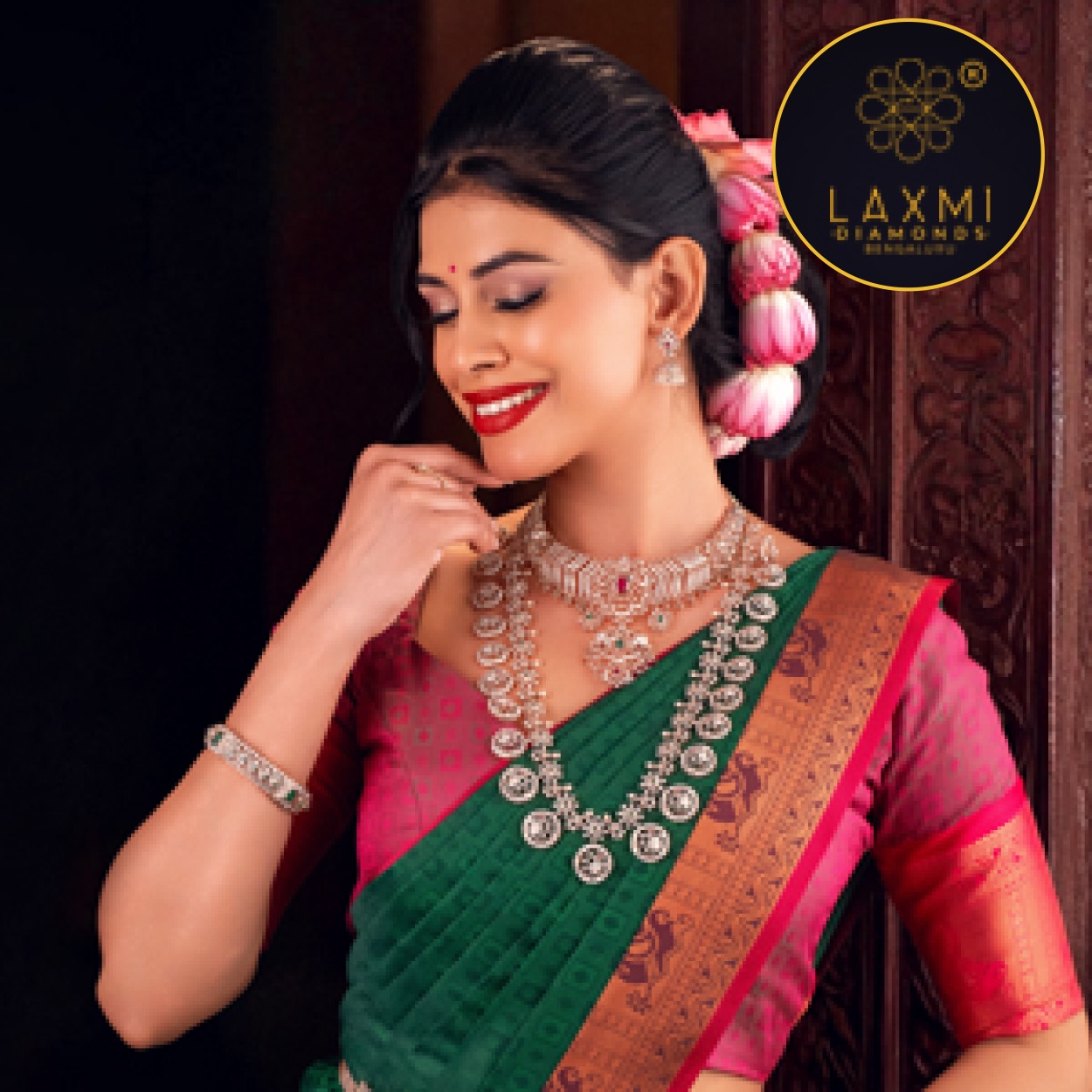


Mangalsutra Revival 2025–26: How India’s wedding boom is powering a new era of cultural jewellery

IIBS-11: Navigating the ‘New Gold Rush’ in a fragmenting global economy

Oroarezzo 2026, with Italian Exhibition Group, Manufacturing Explores New Markets
-
 International News3 hours ago
Oroarezzo 2026, with Italian Exhibition Group, Manufacturing Explores New Markets
-
 National News1 hour ago
IIBS-11: Navigating the ‘New Gold Rush’ in a fragmenting global economy
-
 International News4 hours ago
Gemfields nets $53m in Bangkok ruby auction
-
 New Premises6 hours ago
Limelight Diamonds Unveils Exclusive Visakhapatnam Store in the Presence of Union Minister of Civil Aviation Shri Kinjarapu Ram Mohan Naidu
