
News
Malabar Gold & Diamonds Partners with Accenture to Drive AI-Powered Digital Transformation
Jewelry Retailer Embarks on a Cloud-Enabled AI Journey to Enhance Customer Experience & Business Agility

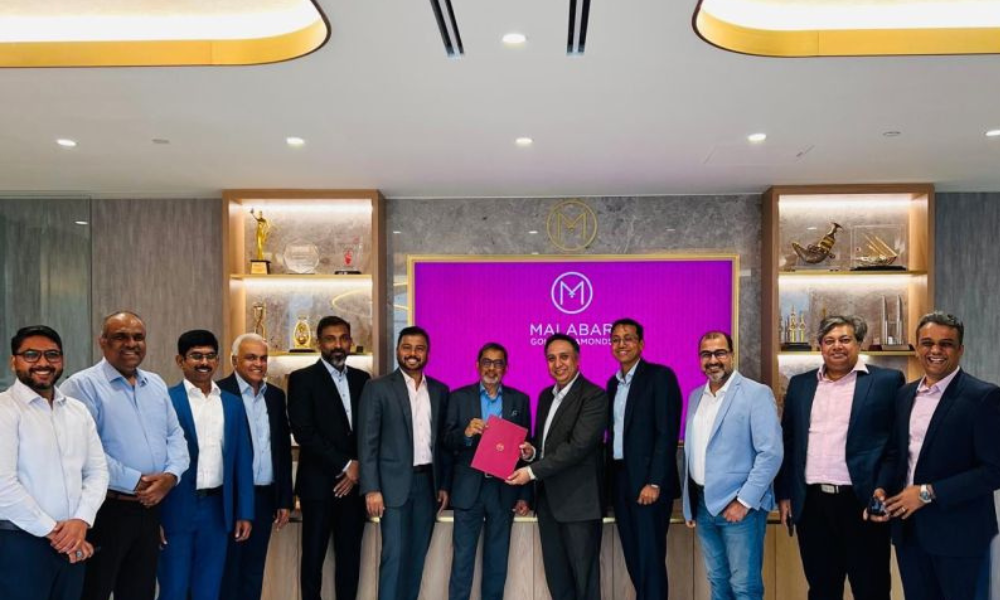
Malabar Gold & Diamonds, the world’s sixth-largest jewelry retailer with over 380 showrooms across 13 countries, has joined forces with Accenture (NYSE: ACN) to accelerate its digital transformation through an AI-powered, cloud-enabled platform. This strategic initiative aims to enhance customer and employee experiences, improve business agility, and unlock new growth opportunities across its global operations.
Accenture will develop a secure, scalable digital core for Malabar Gold & Diamonds, optimizing key business functions including finance, manufacturing, supply chain management, and retail operations. By leveraging real-time data, the company will be able to forecast demand more accurately, adapt swiftly to market changes, and drive operational excellence.
The AI-driven platform will enhance productivity and customer satisfaction by dynamically optimizing sales, marketing, and fulfillment processes. Real-time insights into the availability and pricing of precious metals and gemstones will ensure a seamless shopping experience—both online and in-store—from browsing to checkout.
Designed with regulatory compliance in mind, the platform will align with trade laws across the 13 markets where Malabar Gold & Diamonds operates. The company plans to scale the platform through employee training and adoption strategies, fostering a data-driven culture across its workforce.
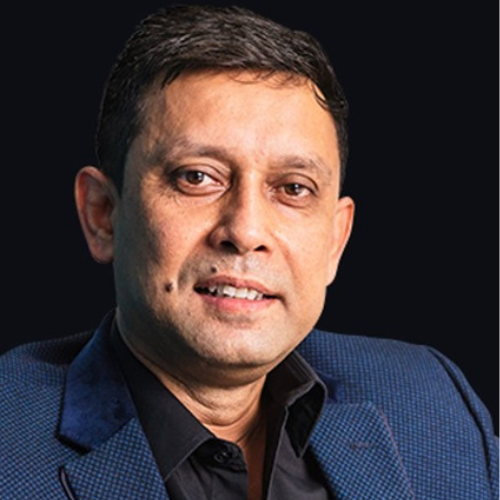
Abdul Salam K.P, Vice Chairman of Malabar Group, emphasized the brand’s commitment to technological advancement: “Malabar Gold & Diamonds has always prioritized innovation to enhance customer experiences. By collaborating with Accenture to build a unified digital platform, we are reinforcing our commitment to becoming a future-ready organization, setting new industry benchmarks and best practices.”
Amneet Singh, Products Lead for Accenture in India, highlighted the impact of digital reinvention:”Our research shows that AI-driven digital investments can boost revenue growth by up to 60% and improve profitability by 40%. By implementing a robust digital core, Malabar Gold & Diamonds will streamline operations, enhance agility, and navigate supply chain complexities with greater responsiveness.”

Through this strategic partnership, Malabar Gold & Diamonds is positioning itself at the forefront of digital transformation in the global jewelry industry.





New Premises
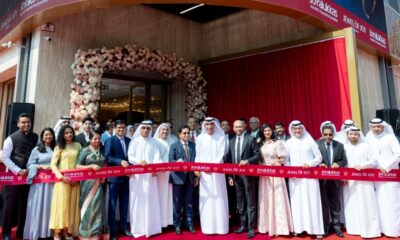
Joyalukkas Opens ‘Jewel Of Joy,’ The Biggest jewellery Destination In The Middle East’s At Dubai Gold District.
Spanning 25,000 sq. ft. At Dubai Gold District, The Flagship Destination Marks A Major Milestone In Joyalukkas’ Nearly Four-Decade Journey In The UAE, Offering An Exclusive Jewellery Experience.

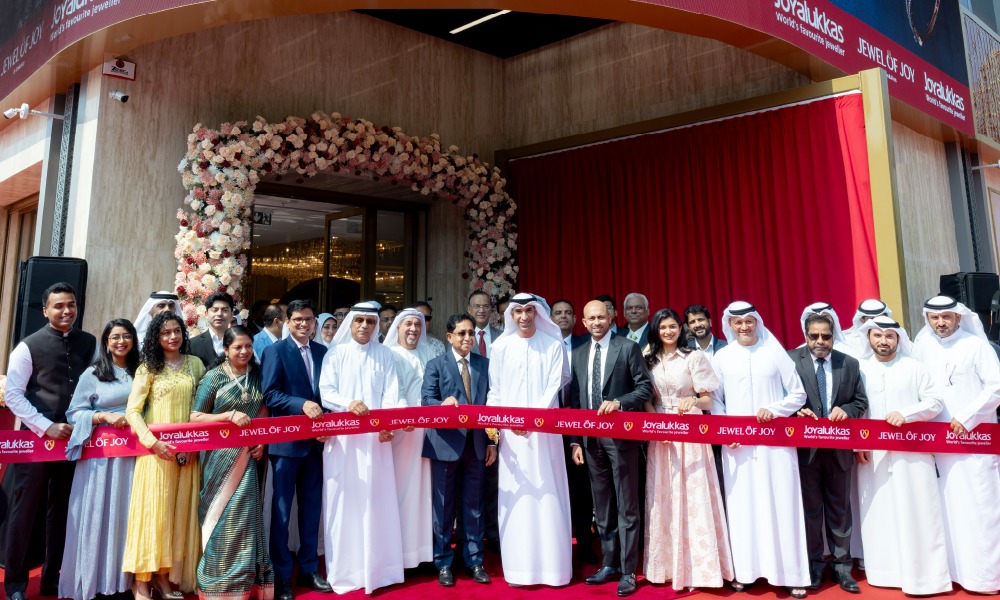
Joyalukkas, the world’s favourite jeweller, officially opened Jewel of Joy, the biggest jewellery showroom in the Middle East, at Dubai Gold District. The launch is a landmark milestone in the Group’s journey of nearly four decades in the UAE and a tribute to Dubai’s enduring stature as the City of Gold.
The showroom was inaugurated by His Excellency Dr. Thani bin Ahmed Al Zeyoudi, Minister of Foreign Trade of the United Arab Emirates, alongside H.E. Dr. E. Vishnu Vardhan Reddy, Consul General of India in Dubai; Issam Galadhari, CEO of Ithra Dubai; Rashid Alharmoodi, Senior Director–Commercial, Dubai Gold District; Tawhid Abdullah, Chairman of Dubai Gold & Jewellery Group; Dr. Joy Alukkas, Chairman of Joyalukkas Group; John Paul Alukkas, CEO of Joyalukkas Jewellery, family members and other distinguished dignitaries.
A Destination of Unprecedented Scale
Spanning 25,000 square feet, Jewel of Joy has been conceived as a complete jewellery experience centre rather than a conventional showroom, ranging from timeless gold and elaborate bridal collections to responsibly sourced diamonds and rare precious gemstones. Located in the heart of Dubai Gold District, Jewel of Joy by Joyalukkas is the brand’s one and only showroom of its kind, offering an exclusive jewellery experience unlike any of its 200+ showrooms worldwide. The name “Jewel of Joy by Joyalukkas” was unveiled by Mr. Issam Galadhari, CEO of Ithra Dubai.
At the heart of the showroom is The Royal Bangle Walk, a monumental bangle through which visitors can walk. The signature installation will be unveiled by H.E. Dr. E. Vishnu Vardhan Reddy, Consul General of India in Dubai, during the inauguration.
An Experience Designed Around Every Customer
Every element of Jewel of Joy has been designed to deliver a personalised and memorable visit-
- Exclusive Designer Studio
- Premium VIP Lounge
- Kids’ Engagement Zone
- Dedicated Maintenance Services
Speaking at the inauguration, Dr. Joy Alukkas, Chairman of Joyalukkas Group, said:
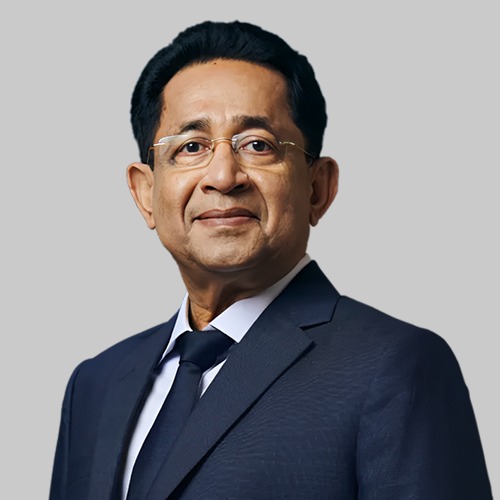
“Jewel of Joy is more than a showroom. It is our tribute to a city that has given us so much, and our promise to customers that we will always strive to give them more. For nearly 40 years, we have grown alongside the UAE, and this destination reflects the scale, craftsmanship and warmth that define both Joyalukkas and Dubai. From The Royal Bangle Walk to our most extensive collection to date, every detail has been designed to make our customers feel truly special. This is our way of saying that the best is yet to come.”
John Paul Alukkas, CEO of Joyalukkas Jewellery, said:
“Our mission is to constantly meet their expectations and enhance their jewellery shopping experience. This showroom will be an experience like never before. It has everything a jewellery lover would like to experience and more. I invite all UAE residents and tourists to visit and experience the magnificent destination we have created for them.”

With a legacy of over 70 years, 200+ showrooms across 13 countries and the trust of over 10 million customers, Joyalukkas continues to set benchmarks in jewellery retail. Jewel of Joy brings this legacy of trust, craftsmanship and excellence to Dubai Gold District.



Joyalukkas Opens ‘Jewel Of Joy,’ The Biggest jewellery Destination In The Middle East’s At Dubai Gold District.

PNG Jewellers Brings Madhuri Dixit and Ranbir Kapoor Together In Its New Brand Campaign, Unstoppable Legacy

GJEPC, IndusInd Bank Host Webinar On FEMA Guidelines For GJ Exporters

US Holiday Shopping Expected To Top $1 Trillion For The First Time: NRF
Joyalukkas Opens ‘Jewel Of Joy,’ The Biggest jewellery Destination In The Middle East’s At Dubai Gold District.
GJEPC, IndusInd Bank Host Webinar On FEMA Guidelines For GJ Exporters
-
 International News8 hours ago
US Holiday Shopping Expected To Top $1 Trillion For The First Time: NRF
-
 New Premises4 hours ago
Joyalukkas Opens ‘Jewel Of Joy,’ The Biggest jewellery Destination In The Middle East’s At Dubai Gold District.
-
 National News7 hours ago
GJEPC, IndusInd Bank Host Webinar On FEMA Guidelines For GJ Exporters
-
 BrandBuzz5 hours ago
PNG Jewellers Brings Madhuri Dixit and Ranbir Kapoor Together In Its New Brand Campaign, Unstoppable Legacy
