

International News
Jewellery stands resilient amid U.S. retail slowdown
Despite tariffs, soaring gold prices, and shifting diamond dynamics, the U.S. fine jewelry sector enters 2026 with steady demand, strong holiday momentum and a leaner, more resilient base of retailers driving sustainable growth.

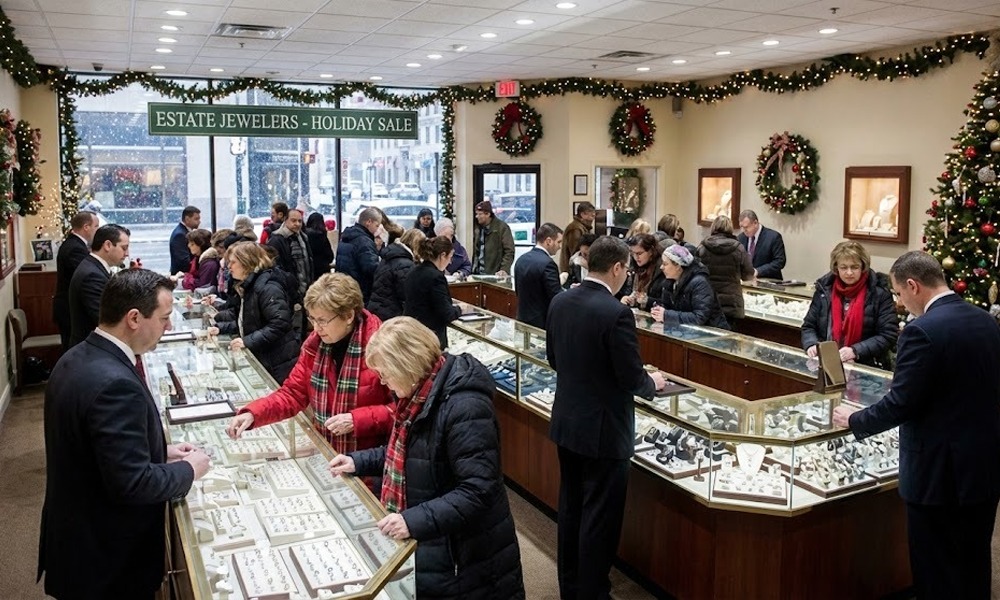
Fine jewelry stands resilient amid wavering consumer sentiment, projecting gains through 2025 despite recession fears. U.S. sales surpassed $100 billion in 2024 and rose 5% in the first ten months of 2025.
Post-pandemic surges persist, with independents driving 13% year-over-year growth in October 2025. National chains like Signet dominate, but smaller players posted monthly gains except February.
A 50% tariff on Indian imports pressures margins, already thin in diamond processing, though retailers hold near 50% levels. Gold at $4,100/oz has not deterred luxury buyers viewing it as a value store.
Store counts fell 13% since 2020 to 16,873 in Q2 2025, consolidating a resilient core. Holiday momentum signals sustained elevated sales into 2026, despite tariffs and lab-grown shifts.
The industry may be generating healthy revenue, but fewer firms are carrying the load. For many insiders, this thinning of the competitive field is not necessarily negative; it leaves a more resilient core of operators capable of investing in security, staffing, and modern retail practices.
As jewelers head into the holiday season, the sector is closing 2025 on firmer footing than expected. Tariffs, gold prices and the ongoing reshaping of the diamond landscape—particularly the role of lab-grown stones—will dominate the conversation early in 2026. Yet overall sentiment remains cautiously optimistic: sales appear sustainable at the elevated levels established over the past five years, even if fewer jewelers stand ready to benefit from them.


DiamondBuzz
Diamond Slump forces Debswana to diversify into copper, platinum and solar
Diamond-centric mining models is giving way to broader resource portfolios
Debswana Diamond Company, the 50–50 joint venture between the Botswana government and De Beers, is moving to diversify into copper, platinum and renewable energy as the prolonged downturn in natural diamond demand pressures earnings and forces the industry to rethink its growth strategy.
The company’s board has approved plans to invest in a portfolio of non-diamond projects after revenue fell 46% in 2024, the latest available financial year, highlighting the scale of the downturn in the global diamond market.

The move signals a strategic shift toward commodities with stronger long-term demand fundamentals, particularly copper, which is central to global electrification and energy-transition infrastructure.
Debswana’s diversification reflects a broader industry pivot as diamond producers confront weak consumer demand, rising competition from lab-grown stones and elevated inventories across the supply chain.
The shift is also visible among smaller exploration companies. Botswana Diamonds recently rebranded as Botswana Minerals, signalling its own strategic focus on copper exploration rather than diamonds.
Together, these moves underscore a growing consensus across the sector: the era of diamond-centric mining models is giving way to broader resource portfolios anchored in energy-transition metals.


-
 BrandBuzz13 hours ago
The Pearl Edit: Thoughtful Women’s Day Gifting by GIVA
-

 BrandBuzz13 hours ago
Augmont Launches SPOT 2.0: One Platform. Every Product. Efficient Business
-

 BrandBuzz17 hours ago
Senco Gold & Diamonds Launches “SHAPE OF YOU”- AI Application for Women’s Day Celebration
-

 National News17 hours ago
Kushals Fashion Jewellery Curates Special Women’s Day Edit Celebrating Strength, Style and Self-Expression
