
JB Insights
Jewellery continues to play a dual role — fulfilling cultural needs and serving as a financial asset

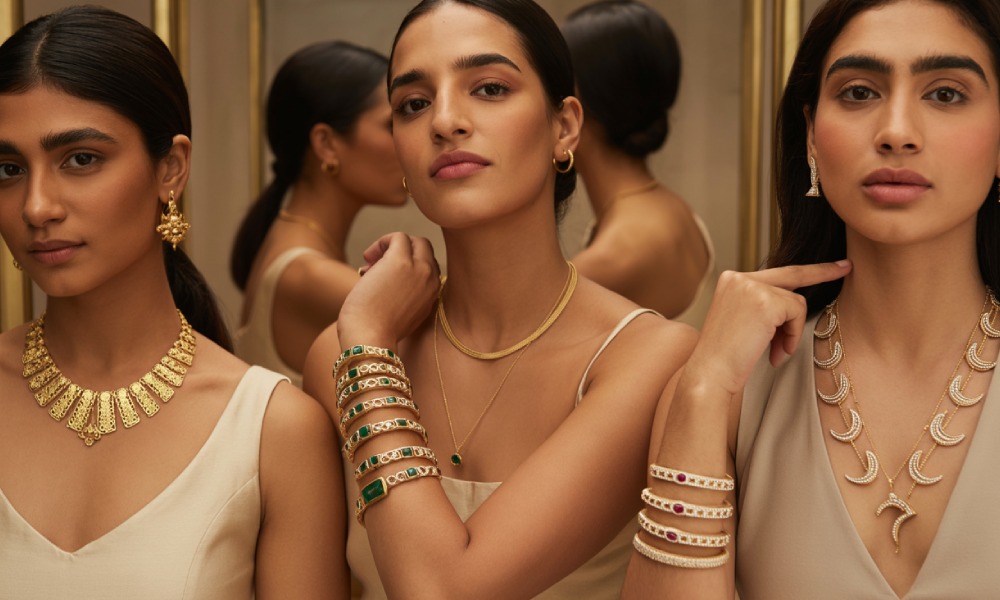
As Diwali approaches, the jewellery market in India is witnessing a surge in demand for gold, silver, and diamond jewellery, reflecting both the festive spirit and evolving consumer preferences. Rising gold prices have not dampened enthusiasm; on the contrary, they have strengthened the perception of gold and silver as safe-haven investments. Across the country, jewellery continues to play a dual role — fulfilling cultural and emotional needs while also serving as a prudent financial asset. Retailers are witnessing shifts toward lightweight, versatile, and contemporary designs alongside traditional preferences, suggesting a dynamic and optimistic festive season for the industry.
Industry Perspectives
Safe-Haven Appeal of Precious Metals
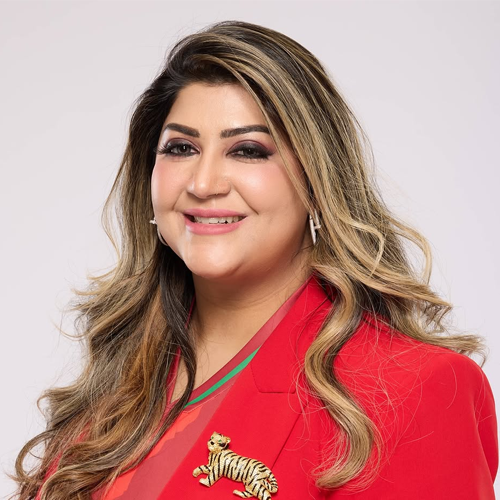
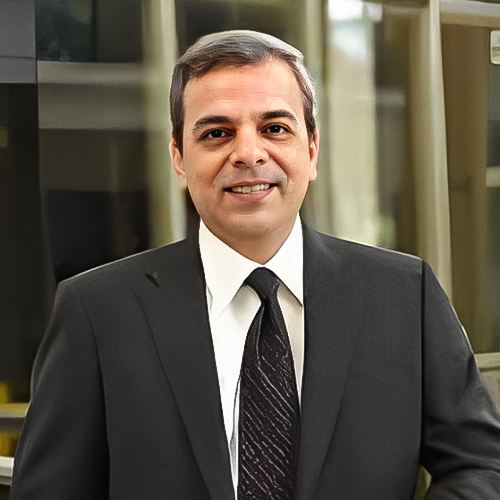
Aksha Kamboj, National Vice President, IBJA & Executive Chairperson, Aspect Global Ventures “As Diwali approaches, the demand for gold and silver is stronger than ever, reflecting the festive mood of homes across India. The rise in price has not reduced the excitement but enhanced the allure of buying these eternal securities as safe investments. This trend is taking place due to increasing demand for safe-haven assets. In India, there has always been an amalgamation of festive shopping with tradition and for many, gold and silver fulfills both cultural needs and a wise option to invest.
It is recommended that buyers should take a balanced approach, encouraging the enjoyment of festival indulgence while remaining mindful of long-term financial goals. This Diwali, the glimmer of precious metals continues to signify not just wealth, but heritage, emotions and celebration as well.”
Shifts in Consumer Preferences
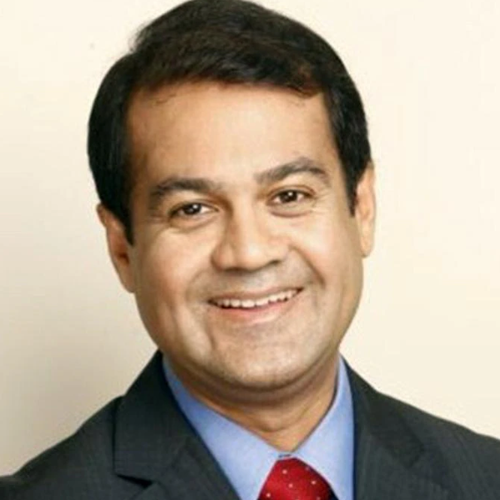
“Despite Gold hitting new highs, festive-season buying remains strong, driven by tradition, higher disposable income, and cultural affinity for gold. While demand dynamics are likely to remain consistent, consumer preferences are rapidly shifting towards lightweight jewellery, more for the purpose of adornment rather than investment. Driven by this trend, the festive season is expected to see a significant surge in demand for jewellery in the 9k to 18k segment, with a notable preference for heavier jewellery. Given the current market scenario, we foresee a festive surge of ~18% to 20% in overall sales.”
— Colin Shah, MD – Kama Jewelry
Emotional & Versatile Jewellery Demand
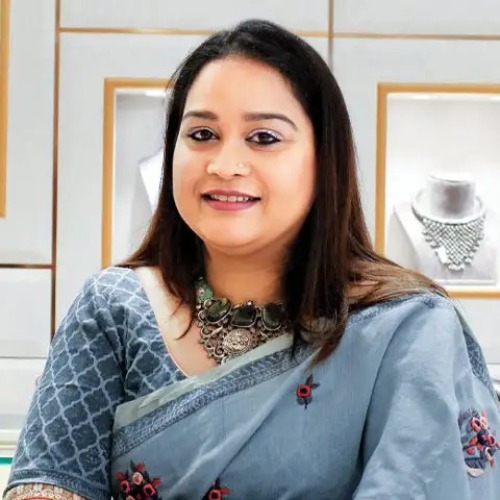
Joita Sen, Director, Head of Marketing and Designs – Senco Gold & Diamonds “At Senco Gold & Diamonds, Dhanteras is a celebration of emotions — of joy, prosperity, and togetherness, expressed through our exquisite range of gold, diamond, and platinum jewellery. This year, we’re delighted to offer our customers a beautiful fusion of tradition and modern design with our festive collections such as Shagun, Elements of Nature, Shakti & Lotus, and Aham — our men’s line, each perfectly suited for a Dhanteras purchase.
We’re witnessing a strong demand for precious yet lightweight pieces that are versatile enough for everyday wear and festive occasions alike, along with a growing preference for 9-carat jewellery that reflects a more practical, value-conscious way of celebrating. As we welcome this season of prosperity and new beginnings, we wish everyone a very Happy Dhanteras!”
Expanding Reach & Experiential Campaigns
“This festive season, we are delighted to expand our footprint and bring the Indriya experience to even more customers across the country. Our festive collection ‘Alka’, inspired by the beauty and bountifulness of Alkapuri — the mythical abode of Kubera, embodies the warmth and prosperity of the season. Our campaign beautifully captures this emotion through a story featuring Aditi Rao Hydari and Siddharth Suryanarayan, brought alive by a reimagined rendition of the timeless classic ‘Dil Abhi Bhara Nahi’. With the best gold rates and unmatched festive offers, we look forward to making this season truly memorable for our customers.”
— Sandeep Kohli, CEO Indriya – Aditya Birla Jewellery
Investor Sentiment and Lightweight Designs
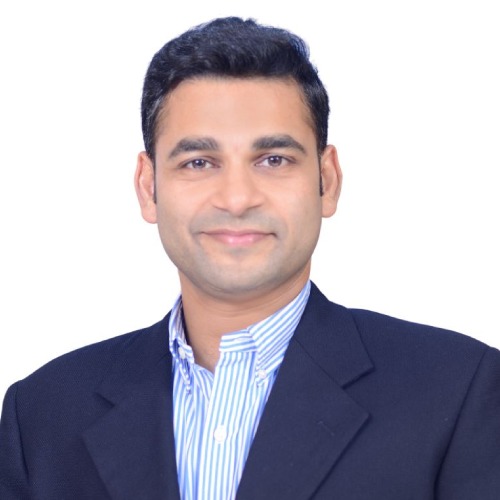
“As Diwali 2025 unfolds, the surge in gold rates has reached new heights, instilling confidence in investors and consumers alike. The significant returns on gold investments have been a boon for investors, and this festive season, we’re witnessing a notable shift in consumer preferences. In response to the growing demand and rising gold rates, Shankesh Jewellers is focused on offering an exquisite collection of lightweight, handcrafted gold jewelry in 18k and 22k. Our designs cater to the evolving tastes of our discerning customers, ensuring that they can make the most of this auspicious season.”
— Mahavir Jain, Director – Shankesh Jewellers Limited
Revived Consumer Sentiment
“Volume growth has started coming in after the start of the festive season. Until Navratra, we saw a lot of customers stay away, and therefore, volume growth was not visible. But now that people have realized that the price of gold is here to stay and is going up, all those fence-sitters have started coming back. The sentiment is clearly back. There is a bullion shortage in the country. We have planned for it adequately, but I won’t be surprised if we run out of coins. There is a worry among customers that there may be a shortage of gold.”
— Ajoy Chawla, CEO, Jewellery Division – Titan Co Ltd





JB Insights
US Holiday Sales Will See 5.5% Growth For 2026 : Mastercard Economics Institute
This Resilience Reflects A Robust Labor Market, Rising Household Wealth, and Broad-Based Consumer Demand Across Income Cohorts. Overall, The 2026 Holiday Season Showcases An Adaptable U.S. Consumer Using Digital and AI Tools To Maximize Value While Continuing To Drive Broader Economic Momentum.

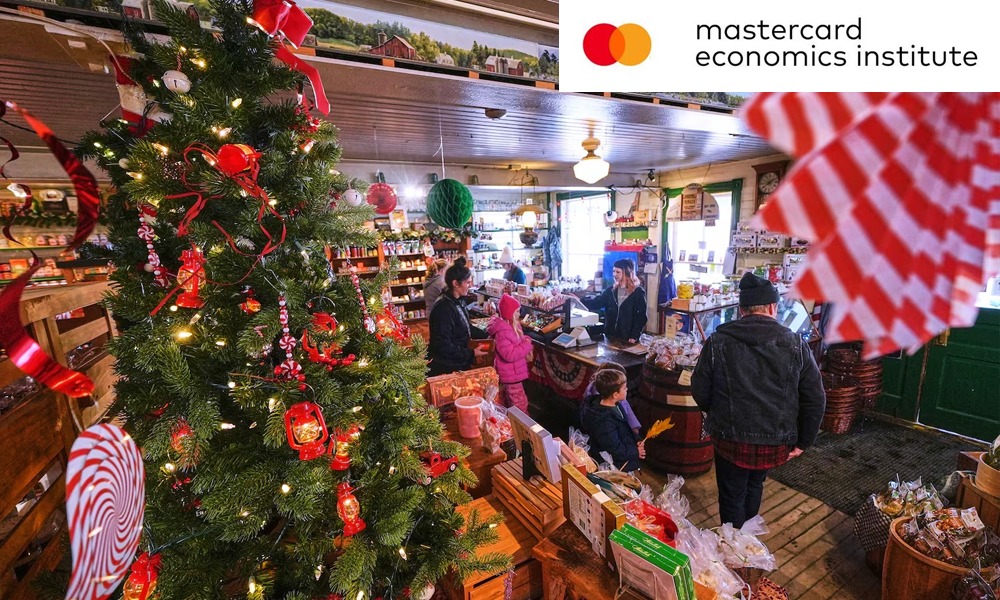
The Mastercard Economics Institute (MEI) forecasts a strong 2026 U.S. holiday shopping season (November 1–December 24), projecting retail sales excluding gas and autos to grow 5.5% year-over-year (YoY). This resilience reflects a robust labor market, rising household wealth, and broad-based consumer demand across income cohorts.
Key Drivers and Growth Channels
- Channel Performance: E-commerce continues to lead with an expected 11% YoY growth, but in-store sales are set to grow 3.6%—their strongest pace since 2022. This highlights the critical role of omnichannel strategies.
- Inflation Dynamics: Inflation accounts for 2.8 percentage points of the total 5.5% growth. Unlike last year’s tariff pressures, current price increases are driven by elevated energy/diesel costs and the massive AI infrastructure buildout.
- Calendar Shifts: A late Thanksgiving compresses the shopping window, pushing retailers toward early promotions. Additionally, Cyber Monday falling in November will shift significant online volume into the month.
The Role of Artificial Intelligence
AI is reshaping both prices and consumer behavior:
- Tech Inflation: High demand for memory chips and data infrastructure components has driven a 12.2% YoY increase in prices for info-processing equipment. Consequently, the consumer electronics category is projected to post outsized nominal sales growth (+10.7% YoY).
- AI Power Users: Consumers with paid AI subscriptions demonstrate distinct “optimization” habits. Data shows these users plan early, shop across a wider variety of boutique and specialty merchants, and aggressively target promotions during Thanksgiving weekend before transitioning to experience and hospitality spending in December.
Last-Minute Shopping Behavior
The final rush to Christmas offers key operational insights for retailers:
- In-Person and Malls: The final week before Christmas sees heavy physical store foot traffic, especially in enclosed shopping malls where consumers can complete multi-category purchases. Climate also plays a role: warmer-state residents (e.g., Florida, Nevada) are far more likely to make last-minute in-store runs than those in colder states.
- Transaction Value Trends: Average order values for children’s items peak near Black Friday, while premium categories—such as jewelry, cosmetics, luxury handbags, and department stores—see transaction values climb steadily from December 15, peaking on Christmas Eve as procrastinating shoppers pay a premium for convenience.
AI tools lower search costs for consumers, making price transparency higher than ever. Retailers must capture early November demand through targeted promotions before comparison tools push shoppers toward alternative or boutique brands.
Last-minute shoppers are price-inelastic and seeking speed. Malls and physical stores should maximize inventory for high-margin, rush-gift items (jewelry, cosmetics, designer goods, gift cards) in the final 10 days, leveraging store availability over promotional discounting.
Overall, the 2026 holiday season showcases an adaptable U.S. consumer using digital and AI tools to maximize value while continuing to drive broader economic momentum.



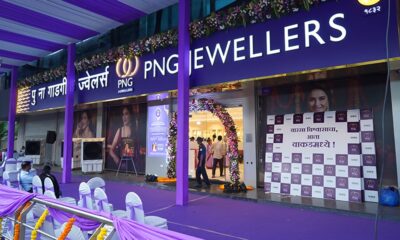
Kangana Ranaut Unveils PNG Jewellers New Showroom In Ayodhya~

GGJS 2026 Concludes With High-Volume Trade and Strategic Focus On Next-Gen Leadership

The Solitaire Festival Of India Concludes; Bumper Prize Winner At Ranka Jewellers Wins XUV 7XO
GGJS 2026 Concludes With High-Volume Trade and Strategic Focus On Next-Gen Leadership

ABARAN Commemorates The 125th Birth Anniversary Of Founder Shri Burde Sadananda Kamath With Special Gold Coin Launch

MCX Gold Silver Futures See Dip
-
 National News3 hours ago
GGJS 2026 Concludes With High-Volume Trade and Strategic Focus On Next-Gen Leadership
-
 National News7 hours ago
ABARAN Commemorates The 125th Birth Anniversary Of Founder Shri Burde Sadananda Kamath With Special Gold Coin Launch
-
 National News7 hours ago
MCX Gold Silver Futures See Dip
-
 National News3 days ago
P N Gadgil Jewellers Limited – Quarterly Update Q2FY27
