
JB Insights
Jewelbuzz Spotlight : Interview With Nirav Bhansali
IIJS Tritiya represents a strategic move to capitalize on the significant potential of the South Indian market, particularly leading up to the auspicious festival of Akshaya Tritiya

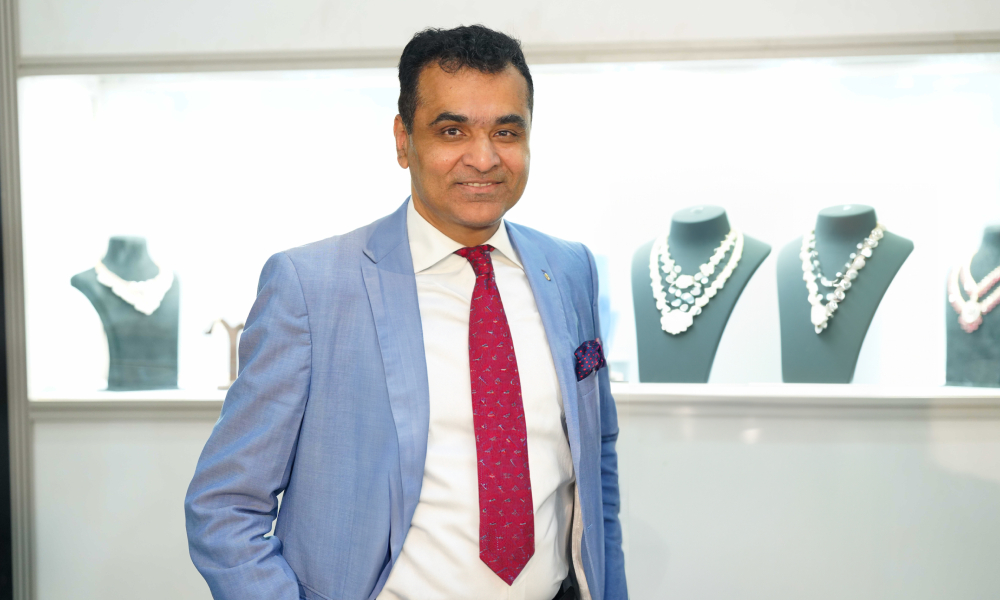
IIJS Tritiya represents a strategic move to capitalize on the significant potential of the South Indian market, particularly leading up to the auspicious festival of Akshaya Tritiya
Nirav Bhansali
IIJS Tritiya, the third exhibition under the IIJS banner, stands out as an exceptional platform in South India that brings together renowned jewellery manufacturers, retailers, wholesalers, and industry professionals under one roof. It showcases an extensive range of gold jewellery collections that reflect the rich heritage and craftsmanship of India’s jewellery industry.Nirav Bhansali- Convener, National Exhibitions-GJEPC speaks to JewelBuzz on what to expect from IIJS Tritiya 2024 including exciting, innovative features.
What’s in store at IIJS Tritiya 2024?
This is the second edition of IIJS Tritiya, a novel platform for the gem and jewellery industry that showcases the latest collections and innovations especially to the southern half of the country. The show is a strategic initiative to tap into the huge potential of the South Indian market, especially in the run-up to the auspicious festival of Akshaya Tritiya. We are confident that this show will provide a boost to the trade and create new opportunities for growth and collaboration.
Provide details of number of exhibitors, stalls, number of visitors expected (breakup of domestic and international visitors), total exhibition area etc.
There are over 900+ exhibitors and 1900+ stalls spanning 40,000sqm of exhibition area. More than 15000 trade visitors from 500+ cities in India and 60+ countries are expected.
Any new, innovative, unique aspects in this year’s IIJS Tritiya?
The India Gem & Jewellery Machinery Expo (IGJME) for the first time is concurrently held with IIJS Tritiya. The platform will showcase the latest and the best of National & international machineries.
Other features of IIJS Tritiya:
- Innov8 Talks (Seminar Series): Providing insights and expertise.
- Fashion Show on 5th April for the Retailers
- Prime Lounge (VIP Only): Offering exclusive services.
- Elite Coffee Shop (VIP Only): A premium refreshment experience.
- Digital Badges on Mobile: Streamlining entry and exit processes
- Face Recognition process introduce for further convenience.
- IIJS App: Providing real-time updates and assistance.
- Buggy Service: Ensuring swift mobility inside the venue.
Additionally, this year introduces the ‘World of GJEPC’ zone, showcasing the Council’s diverse offerings and highlighting its comprehensive support to the industry, extending beyond IIJS exhibitions.”
Please give details of IIJS Tritiya Visitor Campaign across India and in international markets.
The IIJS Tritiya Visitor Campaign achieved extensive outreach by conducting door-to-door activities in 134 cities, resulting in registrations from visitors in 645 cities. Impressively, the campaign engaged with over 20,000 jewellery retail companies during these visits, demonstrating significant interest and participation for the show. We also have international visitor registration at the show which adds to the opportunity
Elections are being held in April; will they impact IIJS Tritiya?
GJEPC is proactively engaging with the regulatory bodies to ensure a seamless show. With clear Standard Operating Procedures (SOPs) in place, the show is poised to navigate potential challenges and deliver a positive experience for exhibitors and visitors alike.
What is your take on the current market sentiment and timing of IIJS Tritiya?
In terms of the current market sentiment and the timing of IIJS Tritiya, I believe the sentiment is positive. This event represents a strategic move to capitalize on the significant potential of the South Indian market, particularly leading up to the auspicious festival of Akshaya Tritiya. We are confident that the show will stimulate trade activity and foster fresh avenues for expansion and partnership within the industry.



JB Insights
CIBIL Score Plays A Key Role In Festive Financing
A Consumer’s CIBIL Score and Report Play A Decisive Role In Determining Loan Eligibility, Interest Rates, and Overall Borrowing Terms During High-Spending Seasons.


Gold in India is more than just a precious metal; it represents tradition, emotion, and long-term financial security. As major celebrations such as Dhanteras, Diwali, and the upcoming wedding season approach, consumer demand for gold reaches its annual peak.
However, with gold prices rising due to both global macroeconomic pressures and heightened domestic demand, an increasing number of buyers are turning to credit options—specifically gold loans and personal loans—to finance their festive purchases.
In light of these market dynamics, maintaining awareness of one’s financial profile is critical.
A consumer’s CIBIL Score and Report play a decisive role in determining loan eligibility, interest rates, and overall borrowing terms during high-spending seasons.
The Mechanics Behind Festive Gold Price Surges
Gold prices do not move in isolation. The seasonal increase in retail price is driven by a combination of key domestic and international factors:
Global Economic Uncertainty: International market volatility frequently drives capital into gold as a traditional safe-haven asset.
Macroeconomic Indicators: Currency fluctuations and persistent inflation impact local procurement costs.
Domestic Seasonal Demand: Concentrated buying during auspicious cultural dates creates short-term supply-demand imbalances, further driving up retail costs.
The Strategic Role of Your CIBIL Score in Festive Financing
When household budgets face pressure during peak shopping periods, credit-based financing offers immediate liquidity. Whether securing an uncollateralized personal loan or a loan against existing gold holdings, financial institutions rely heavily on credit risk assessments.
The CIBIL Score—a 3-digit numerical summary ranging from 300 to 900—serves as the primary benchmark for creditworthiness:
Approval Probability: A high CIBIL Score significantly increases the likelihood of quick loan sanctioning.
Cost of Capital: Lenders offer competitive, lower interest rates to high-scoring applicants, reducing total borrowing costs.
Flexible Repayment Structure: Favorable credit profiles grant borrowers stronger leverage to negotiate manageable tenure options.
Best Practices for Smart Festive Borrowing
To enjoy festive celebrations without compromising long-term financial stability, consumers are advised to adopt responsible borrowing strategies:
Check Credit Reports Early: Review your CIBIL Report prior to applying for financing to resolve any discrepancies or evaluate your standing.
Borrow Within Limits: Limit loan amounts strictly to what can be comfortably serviced within monthly household budgets.
Maintain Timely Repayments: Ensure all equated monthly installments (EMIs) are paid on time to avoid negative marks on your credit profile.
By pairing festive financial planning with active credit monitoring, consumers can meet their cultural commitments while preserving robust financial health for the future.



Joyalukkas Opens ‘Jewel Of Joy,’ The Biggest jewellery Destination In The Middle East’s At Dubai Gold District.

PNG Jewellers Brings Madhuri Dixit and Ranbir Kapoor Together In Its New Brand Campaign, Unstoppable Legacy

GJEPC, IndusInd Bank Host Webinar On FEMA Guidelines For GJ Exporters

US Holiday Shopping Expected To Top $1 Trillion For The First Time: NRF
Joyalukkas Opens ‘Jewel Of Joy,’ The Biggest jewellery Destination In The Middle East’s At Dubai Gold District.
GJEPC, IndusInd Bank Host Webinar On FEMA Guidelines For GJ Exporters
-
 International News8 hours ago
US Holiday Shopping Expected To Top $1 Trillion For The First Time: NRF
-
 New Premises4 hours ago
Joyalukkas Opens ‘Jewel Of Joy,’ The Biggest jewellery Destination In The Middle East’s At Dubai Gold District.
-
 National News7 hours ago
GJEPC, IndusInd Bank Host Webinar On FEMA Guidelines For GJ Exporters
-
 BrandBuzz5 hours ago
PNG Jewellers Brings Madhuri Dixit and Ranbir Kapoor Together In Its New Brand Campaign, Unstoppable Legacy
