
News
IIJS Bharat – Signature 2026 Wraps Up with Estimated ₹75,000 Crore in Revenue
Strong global buyer participation, startup mentorship through JewelStart, and a sharp focus on exports, sustainability, and retail growth shape the industry roadmap

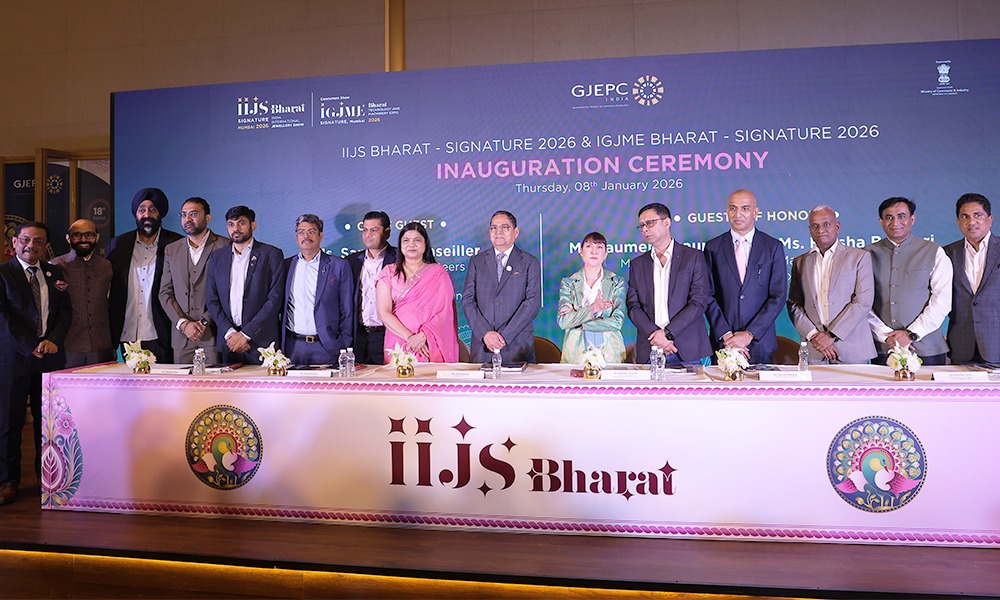
- 25,000+ domestic trade buyers and 1,400 international buyers from 40 countries underline global demand
- Launch of ‘JewelStart’ to mentor startups and nurture the next generation of jewellery entrepreneurs
- Focus on exports, FTAs, responsible sourcing, sustainability, and retail expansion
The 18th edition of IIJS Bharat – Signature 2026, organised by the Gem & Jewellery Export Promotion Council (GJEPC), concluded in Mumbai, marking a strong start to the global gems and jewellery trade calendar for 2026. As the first major B2B trade show of the year, the event set a bullish tone for the industry, with an estimated Rs.75,000 crore in business expected to be realised over the next three months.
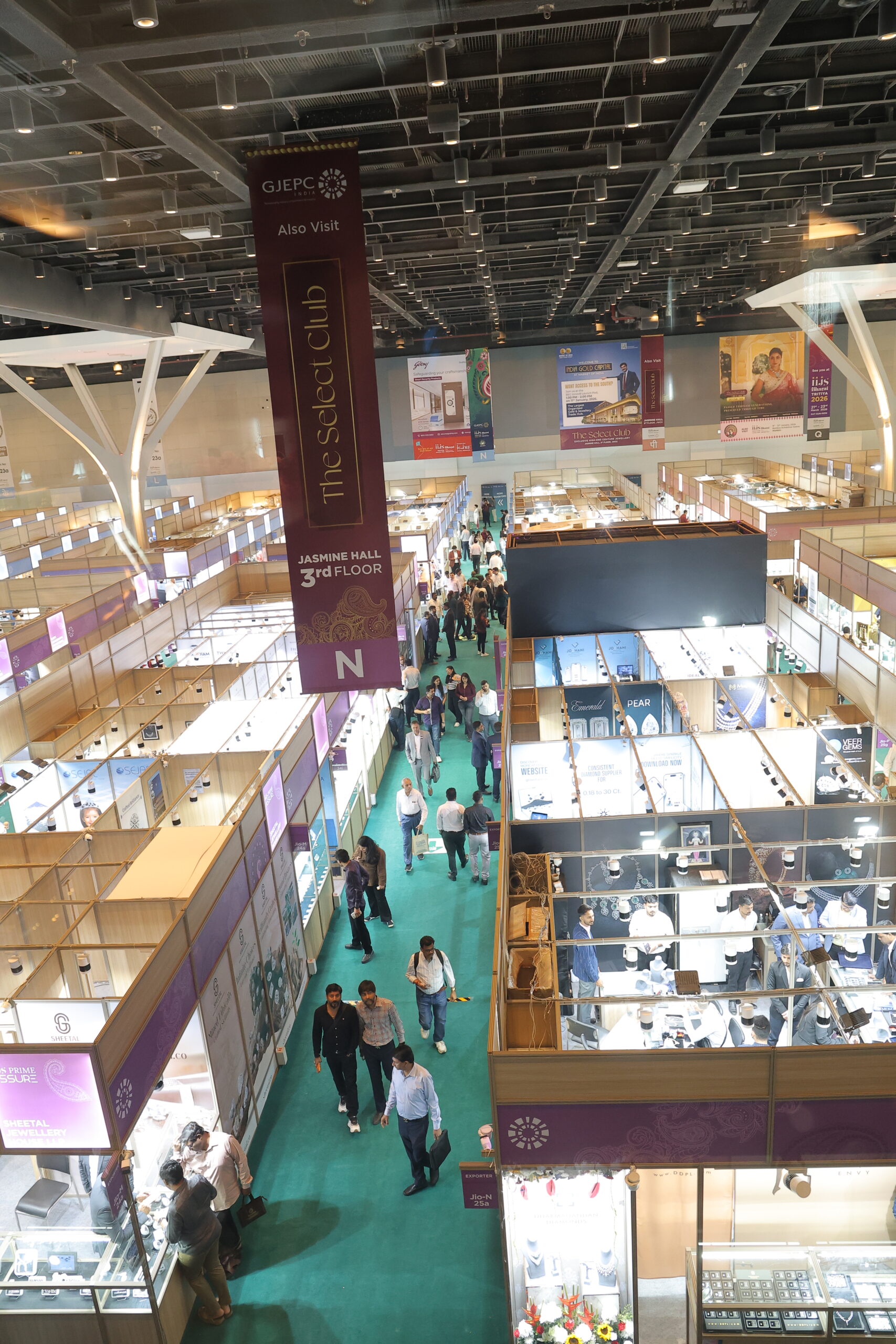
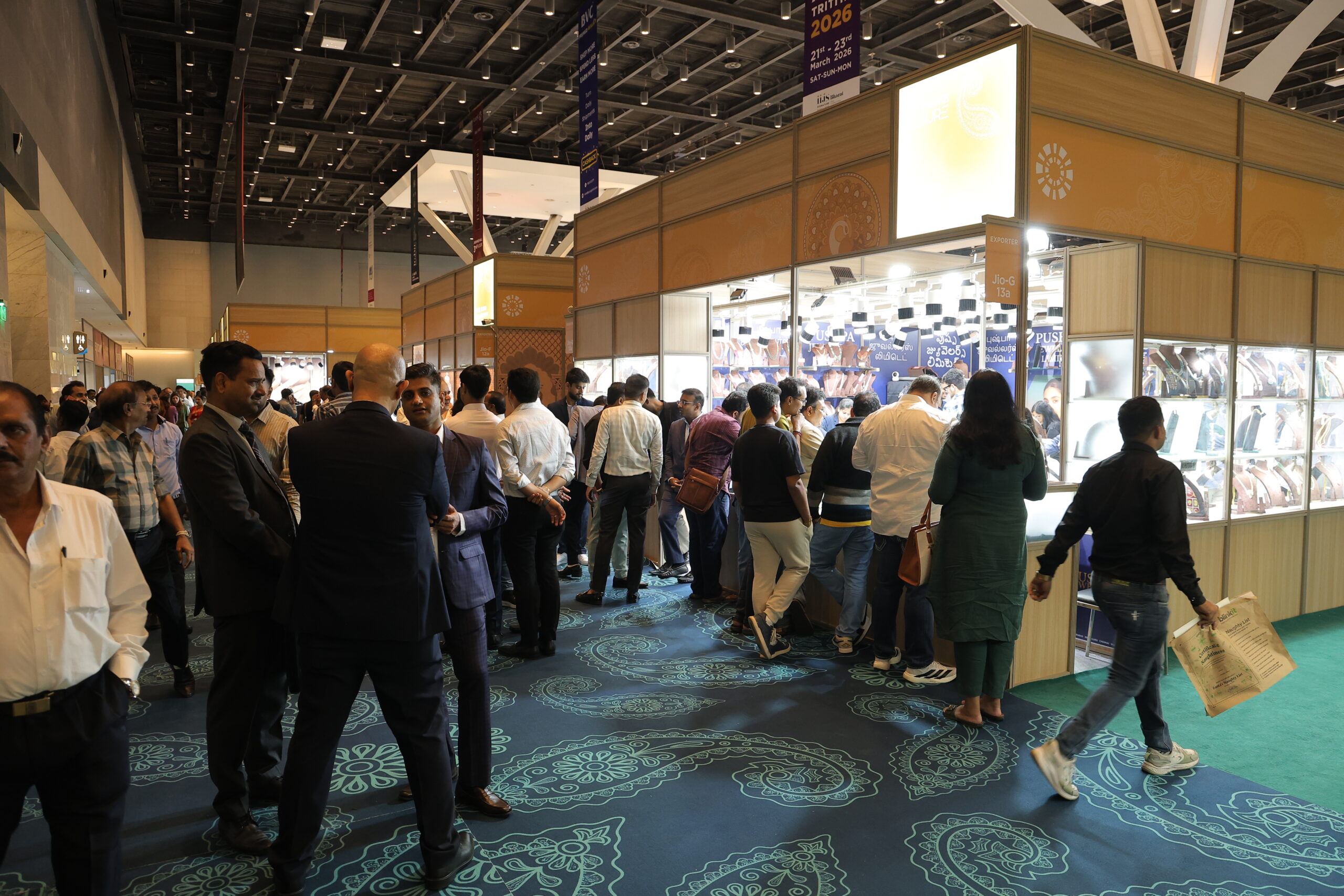
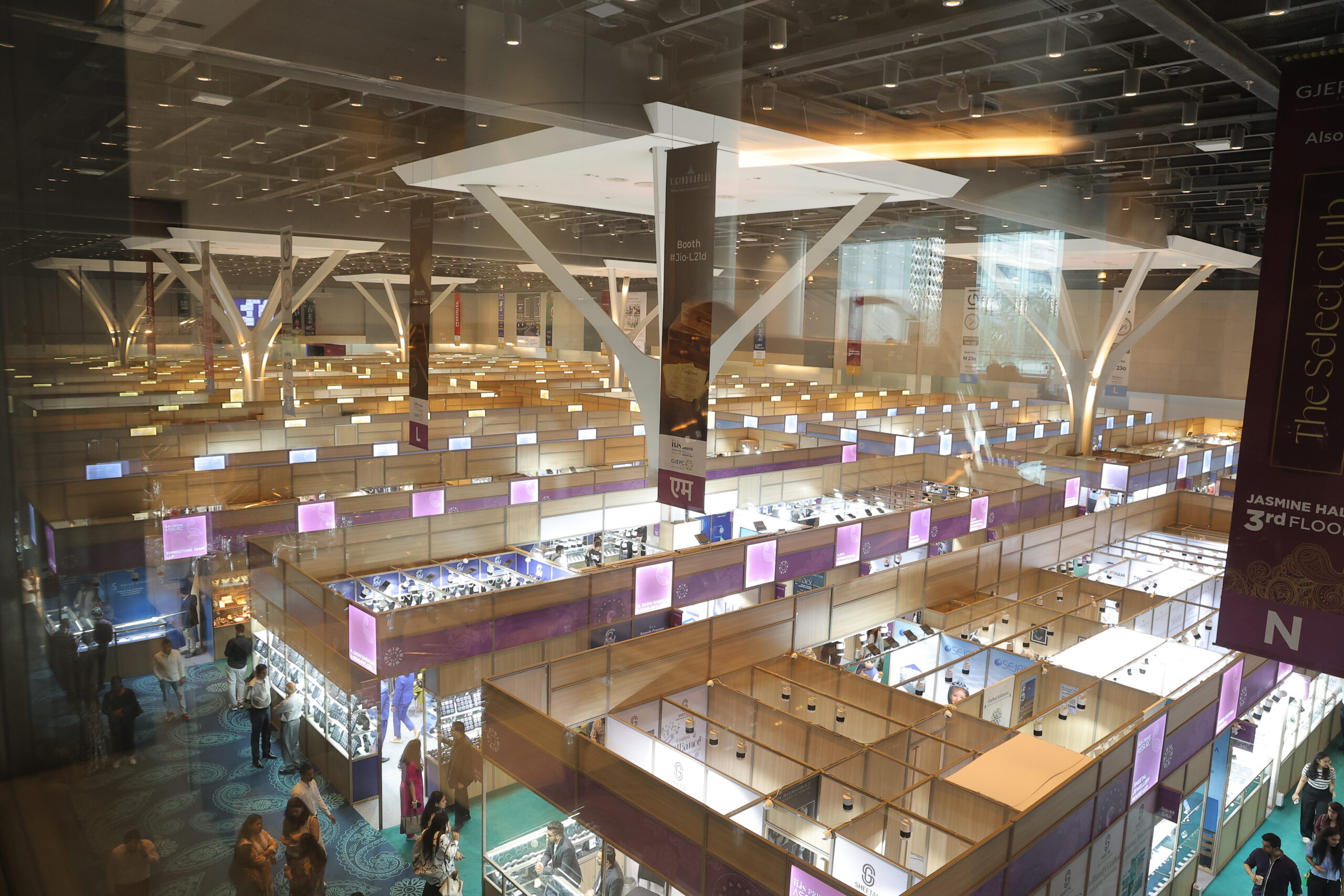
The show attracted over 25,000 trade buyers from more than 800 Indian cities, signalling robust domestic demand. Its growing international stature was reinforced by the participation of 1,400 international buyers from 40 countries, along with 12 high-level international delegations, highlighting sustained global interest in Indian-crafted gold, diamond, silver, and lab-grown jewellery.
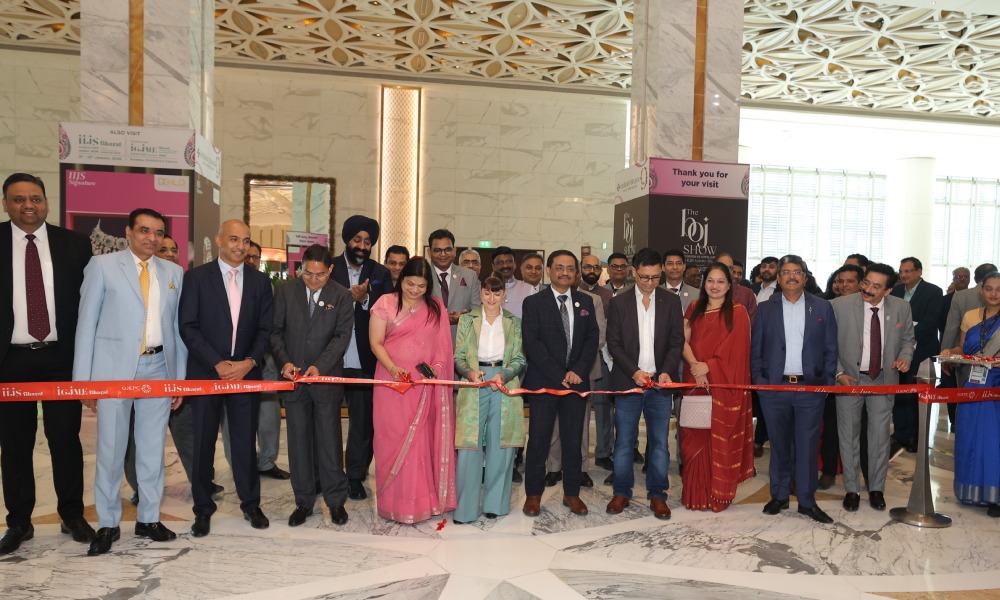
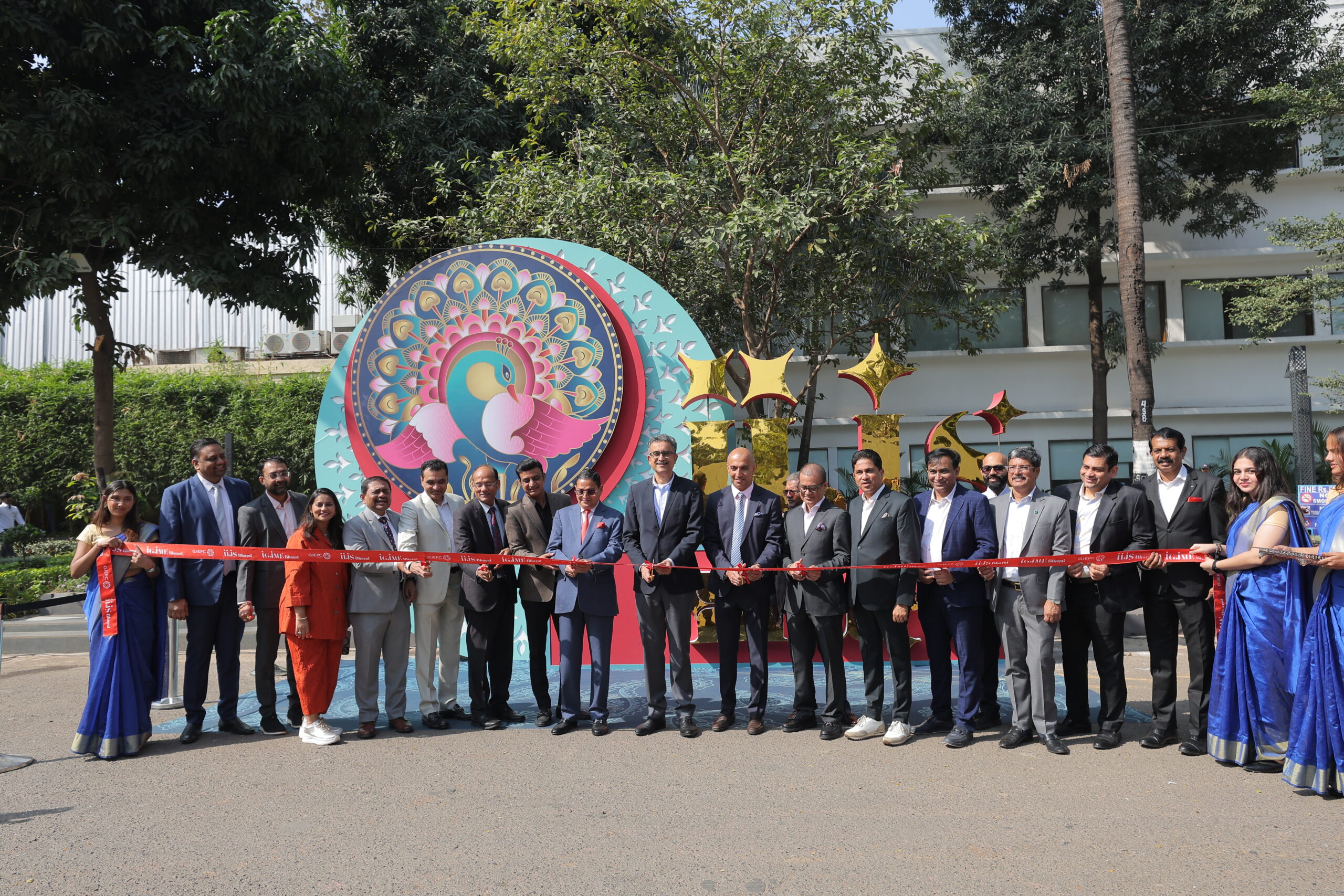
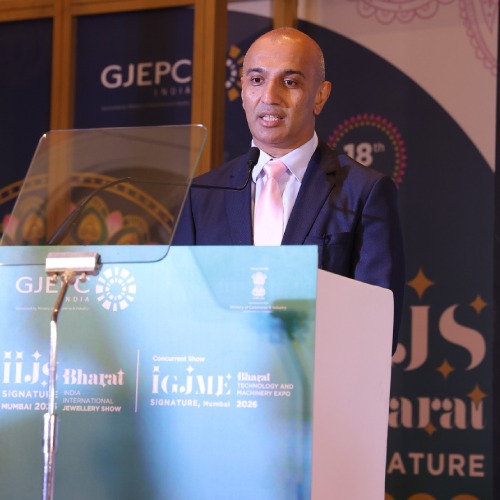
The inauguration of IIJS Bharat – Signature 2026 was held across both venues in Mumbai. The inaugural ceremony at the Jio World Convention Centre (JWCC) on 8 January was graced by Chief Guest Sandrine Conseiller, CEO – De Beers Brands and Chairperson, Natural Diamond Council, along with Guests of Honour Harsha Bangari, Managing Director, EXIM Bank, and Saumen Bhaumik, Managing Director, CaratLane. The ceremonial ceremony at the Bombay Exhibition Centre (NESCO) on 9th January was marked by the presence of Guests of Honour Neeraj Agarwal, Ambassador-Designate of India to Mauritania (West Africa), and Arun Narayan, CEO – Jewellery Division, Tanishq, alongside the senior leadership of the Gem & Jewellery Export Promotion Council (GJEPC).
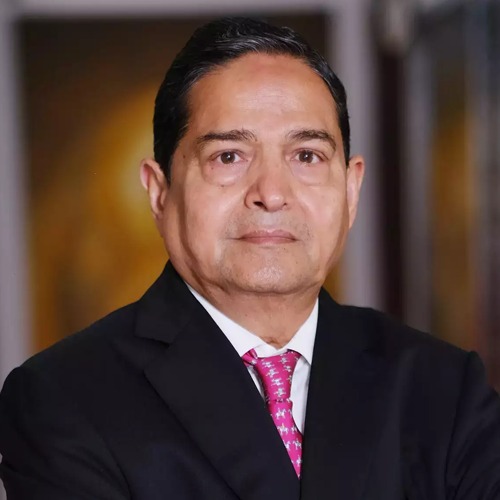
Commenting on the successful conclusion, Kirit Bhansali, Chairman, GJEPC, said,“IIJS Bharat – Signature 2026 has sent a clear and confident signal for the year ahead. The estimated Rs.75,000 crore in business expected to be generated from this edition underscores the scale, credibility, and momentum of India’s gem and jewellery industry. As the first major B2B jewellery show of the year, IIJS continues to set the direction for the global trade calendar.
With sustained demand across gold, diamonds, coloured gemstones, silver, and lab-grown jewellery, we remain firmly on course towards our long-term vision of achieving USD 100 billion in exports by 2047—driven by innovation and global partnerships.”
The Chief Guest, Sandrine Conseiller, CEO, De Beers, inaugurated the show and highlighted, “there is no better place to talk about the future of jewellery than India. From being the birthplace of the world’s diamond story to emerging as one of the fastest-growing markets today, India continues to be a pillar of stability and opportunity for the global gems and jewellery industry. Platforms like IIJS Signature play a critical role in strengthening trust, partnerships and confidence across the ecosystem, while reinforcing India’s position at the heart of the global jewellery trade.”

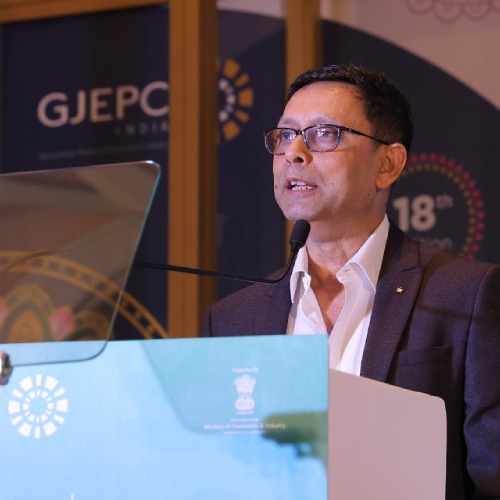
Saumen Bhaumik, Managing Director, CaratLane said, “As our industry grows, every stakeholder has benefited, but continued investment in skills and craftsmanship will be key to sustaining this momentum. With the industry expected to grow significantly in the
coming years, the availability of skilled hands will become critical. Making artisans a priority is not charity, it is business prudence. If we want to be global leaders, dignity, pride and security for craftsmanship must sit at the centre of our growth story.”
Shaunak Parikh, Vice Chairman, GJEPC said, “IIJS Bharat – Signature 2026 represents India’s commanding position in the global gem and jewellery industry, spanning manufacturing excellence, design innovation, and a rapidly growing domestic market. As the first major international jewellery trade fair of the year, it is where the global industry turns to India for direction and opportunity. The scale of participation,
growing international presence, and strong entry of new enterprises reflect the confidence of the trade—making IIJS Bharat – Signature the definitive platform where the global jewellery business year truly begins.”
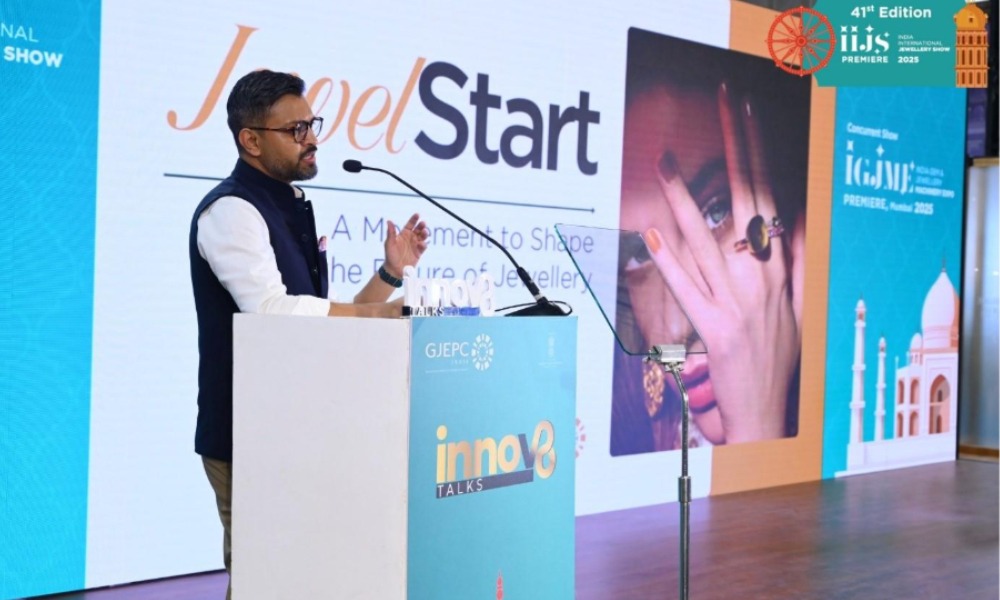
A key highlight of the IIJS Bharat – Signature 2026 was the launch of ‘JewelStart’, a new GJEPC initiative designed to mentor startups and emerging entrepreneurs in the jewellery sector, ensuring a strong pipeline of innovation and future-ready talent.
The Crafts Pavilion at IIJS Bharat – Signature 2026 received strong interest from buyers and designers, with visitors engaging closely with National Award-winning artisans and traditional craft techniques. Several participants also initiated discussions to seek artisan support and explore the integration of heritage craftsmanship into contemporary jewellery collections.

Further expanding the scale and scope of the event, IGJME Bharat – Signature 2026 was inaugurated alongside IIJS Bharat – Signature in Mumbai. The dedicated machinery and technology showcase brought together cutting-edge manufacturing solutions, advanced equipment, and allied services, offering a comprehensive view of the latest innovations shaping jewellery production. Seamlessly complementing the jewellery exhibitions at the Bombay Exhibition Centre, IGJME created a truly end-to-end sourcing and manufacturing platform for the global gem and jewellery industry.
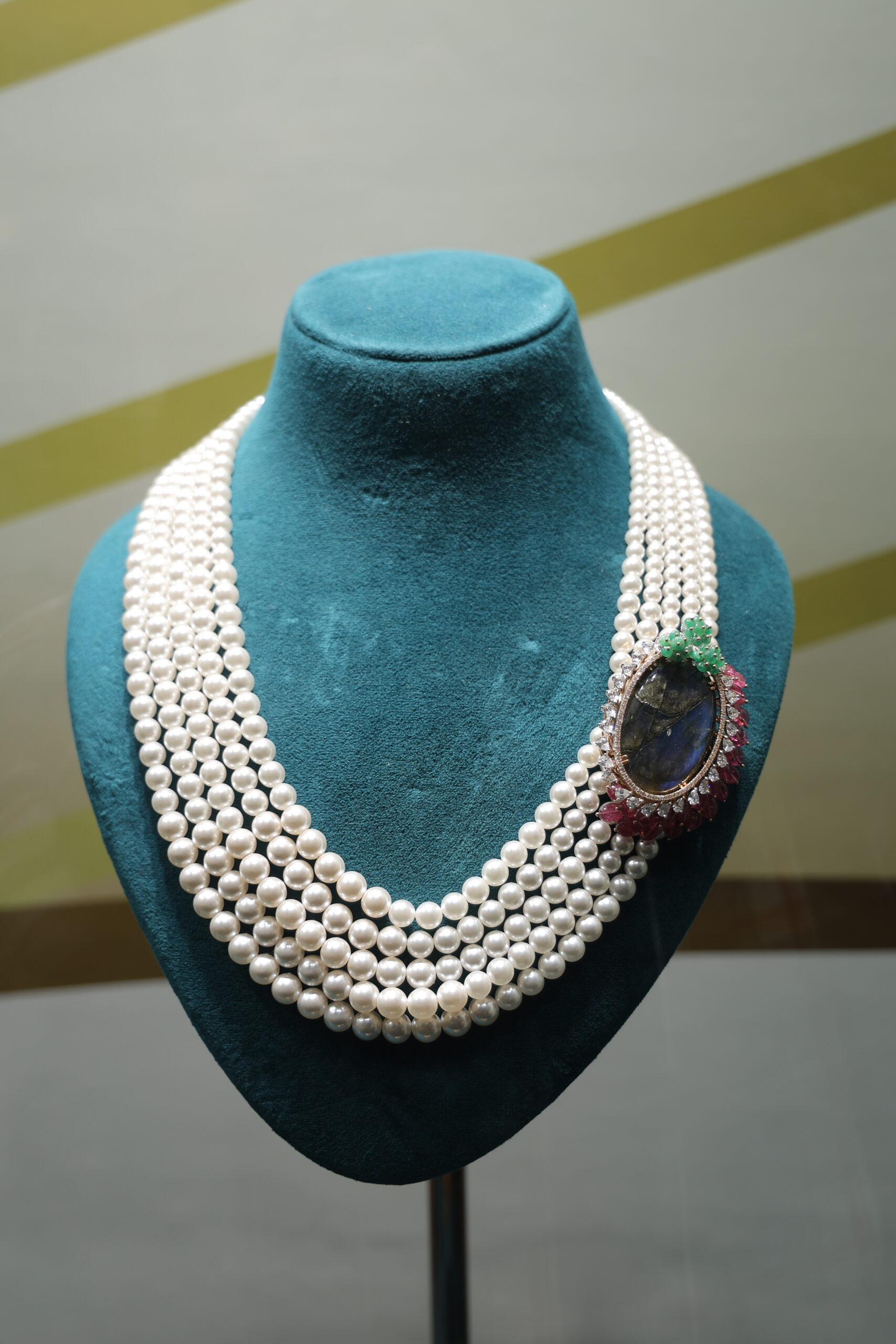
This year’s exhibition highlighted a strong market preference for jewellery. The same priced below Rs.5 lakh, driven by a consumer shift toward classic minimalism and “no-clutter” designs built for longevity. While diamond bridal sales saw slight moderation, fancy-cut diamonds—specifically pear-shaped and marquise stones—delivered standout performances. Additionally, organic gems are seeing a resurgence, with pearls positioned for a significant market comeback.
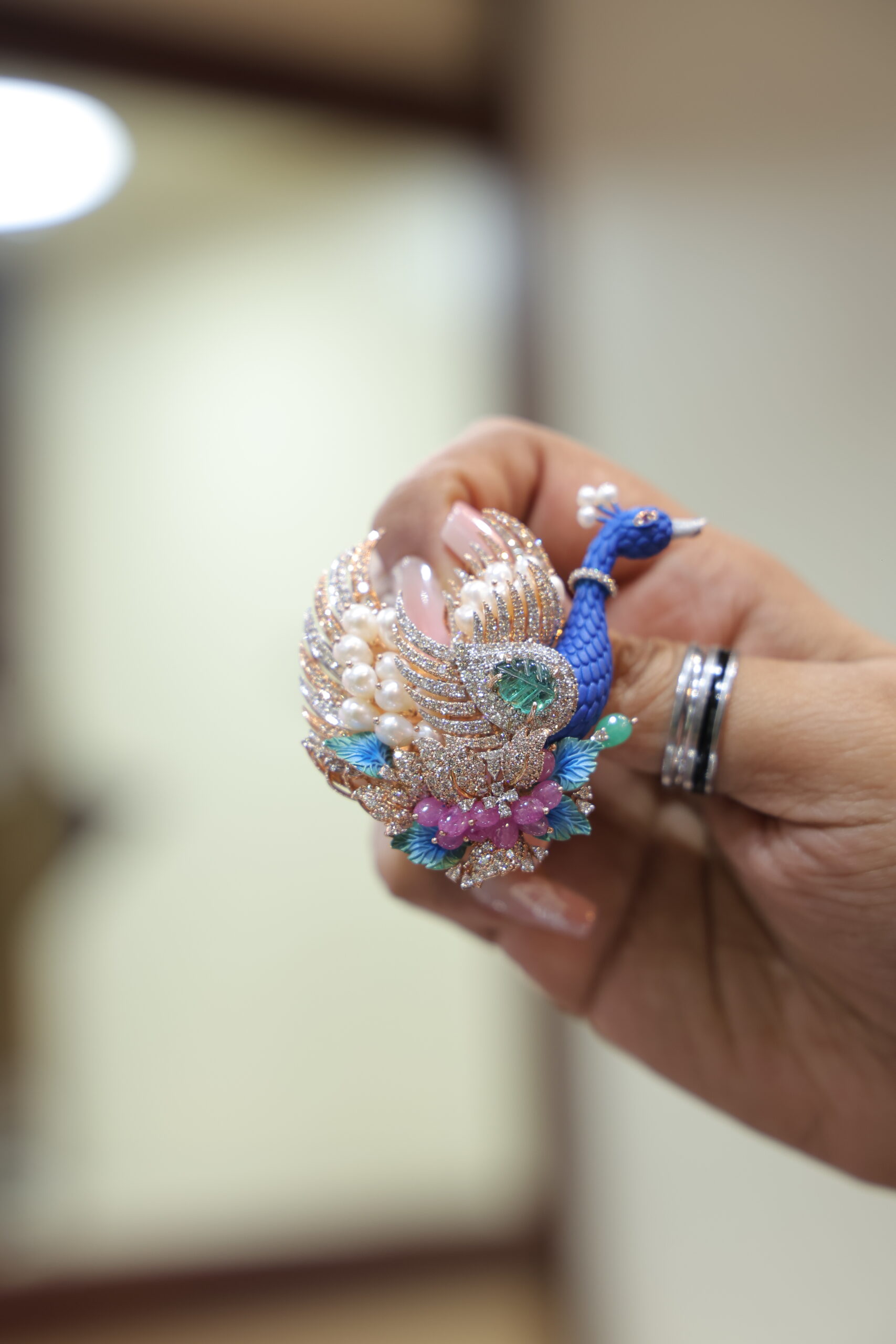

Rising metal costs have forced an industry-wide transition in gold purity and manufacturing. There is a notable shift toward 18-karat gold, even in regional markets that traditionally preferred 22–23-karat purity. While 14-karat and 9-karat options face limited acceptance in Tier III and IV towns due to cultural value concerns, technology has successfully reduced metal weight by 15% in many collections. Furthermore, 3D manufacturing has expanded into the bridal segment, achieving weight reductions of up to 40% compared to traditional handmade designs.
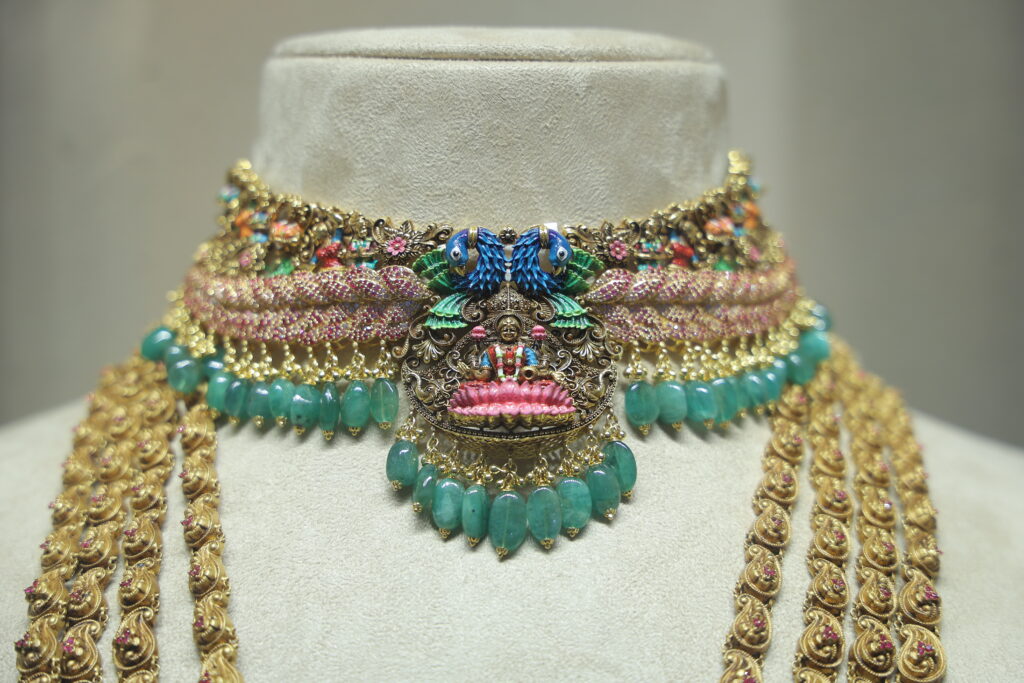
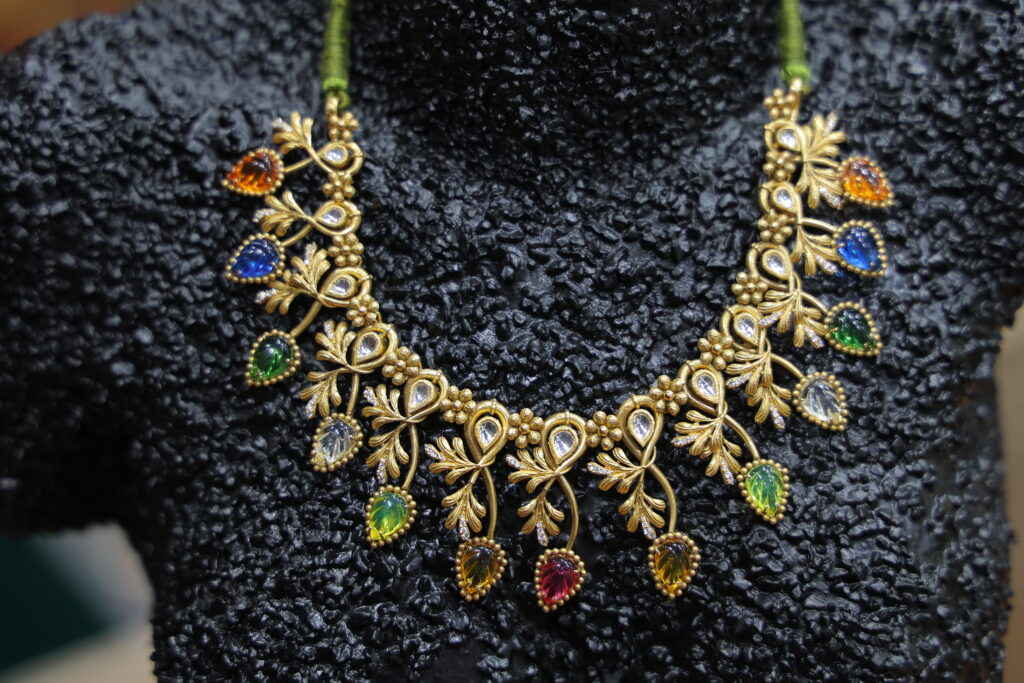
The colored gemstone category is experiencing robust growth, with tanzanite emerging as the primary alternative to blue sapphire. Demand was strongest for stones ranging from 1 to 10 carats, with price points spanning $50 to $200 per carat depending on quality. This surge in blue stones complements the consistent demand for emeralds and rubies, as consumers increasingly seek to complete a full color palette in their high-end jewellery collections.
As the curtains fall on this landmark edition, IIJS Bharat – Signature 2026 has firmly reinforced India’s position at the centre of the global jewellery trade, setting the stage for sustained growth and export momentum in the year ahead.


BrandBuzz
Verlas Introduces the ‘Alyssa’ Collection in India, Bringing Modern Luxe Floral-Inspired Design to Lab-Grown Diamond Jewelry Crafted in Fine Gold
The New York-born brand channels statement floral designs in modern silhouettes and larger carat diamond brilliance into a collection made for weddings, engagements, cocktail evenings, and wedding Trousseau Picks.
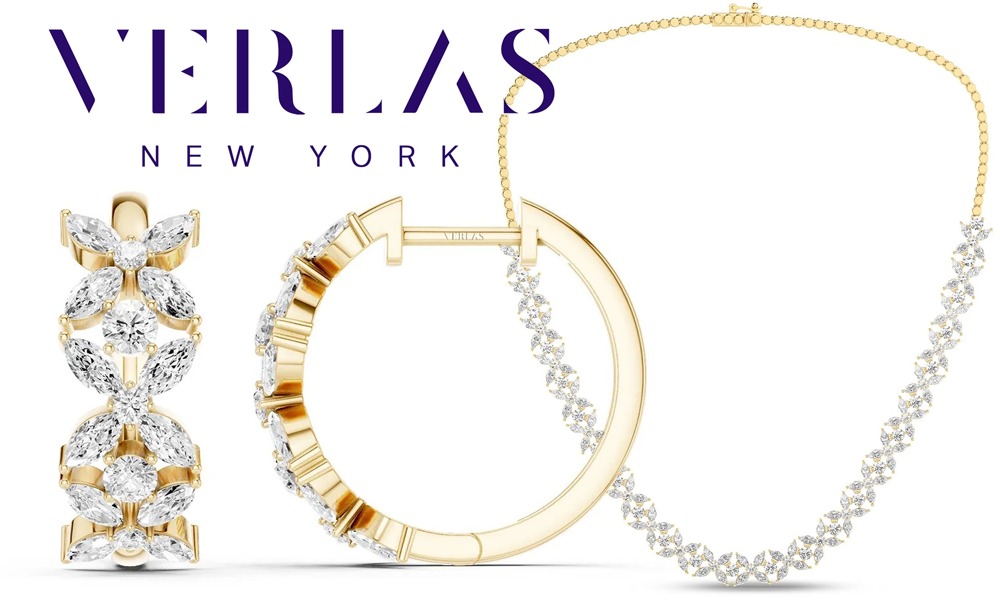
Verlas, the New York-based fine jewelry brand, has brought its luxurious Alyssa collection to India, a floral-inspired range of contemporary designs crafted with IGI-Certified lab-grown diamonds and BIS hallmarked gold in 14K and 9K Gold variants. Built around larger carat weights and romantic floral design, the collection pairs statement sparkle with Verlas’ commitment to sustainability and craftsmanship. Since its founding in 2019, Verlas has focused on modern, considered jewelry designed to feel personal and meaningful, handcrafted by skilled artisans in VS clarity lab-grown diamonds set in fine gold.
Inspired by blooming florals, the Alyssa collection translates nature’s motifs into refined diamond jewelry designed for everyday moments in the form of elegant pendant necklaces and Studs designed with florets of round-cut and marquise-cut diamonds, and then there are these luxe styles that call for something more. For bigger celebrations to evening dressing, these luxe designs are crafted with marquise and round-cut diamonds in hoops and dangler earrings, unique tennis bracelets and tennis necklace designs that embrace the designer craftsmanship of Verlas. The Alyssa collection brings signature brilliance to a range of personal styles.
For the modern bride, Alyssa brings together jewelry for every part of her journey—from the engagement and big day to her trousseau, bridesmaids and the little moments beyond. Fashion-forward yet effortlessly elegant, each design is crafted to make a statement today and stay in her rotation long after the celebrations are over.
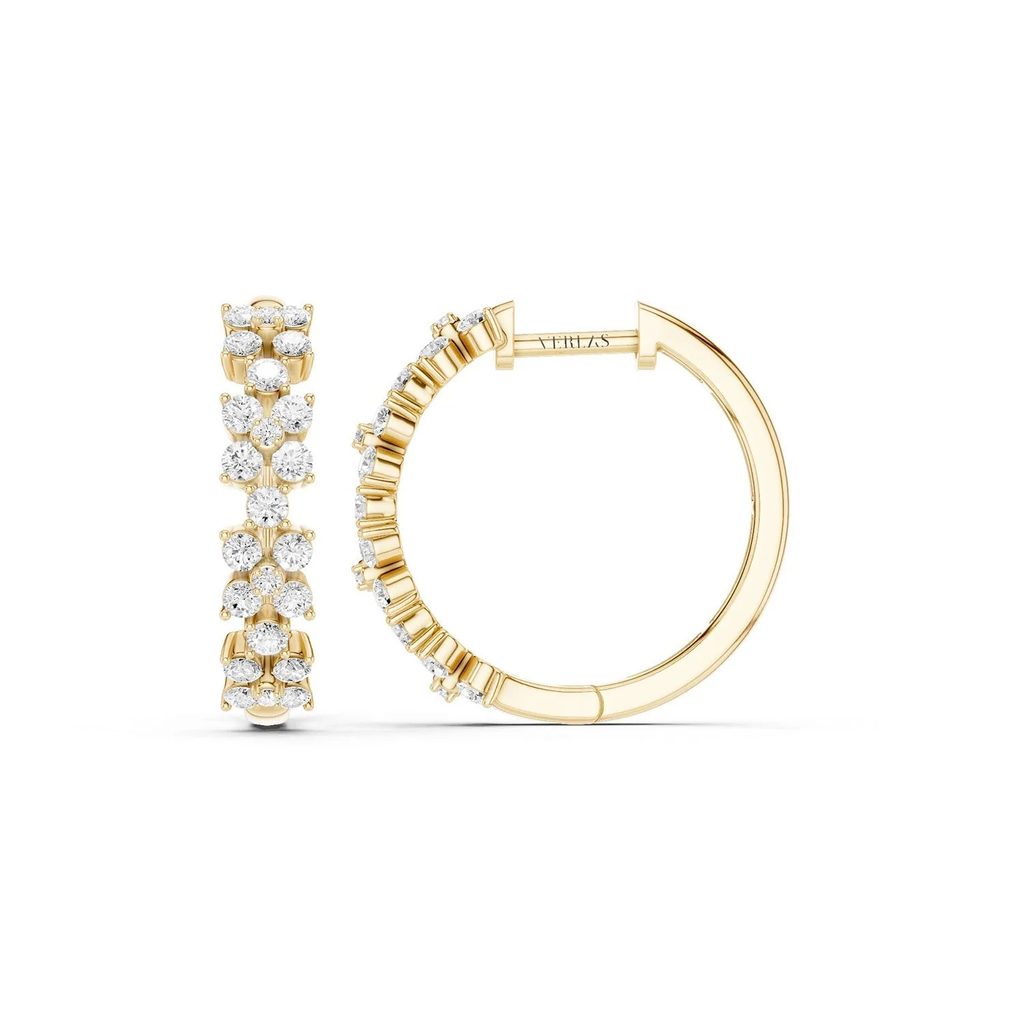
Among the highlights are the Alyssa Cuatro Floral Hoops, featuring five round lab-grown diamonds arranged in a delicate floret on a solid gold hoop. For a softer, more elegant look, these round-cut diamonds bring a classic appeal – perfect for those who prefer understated sparkle.
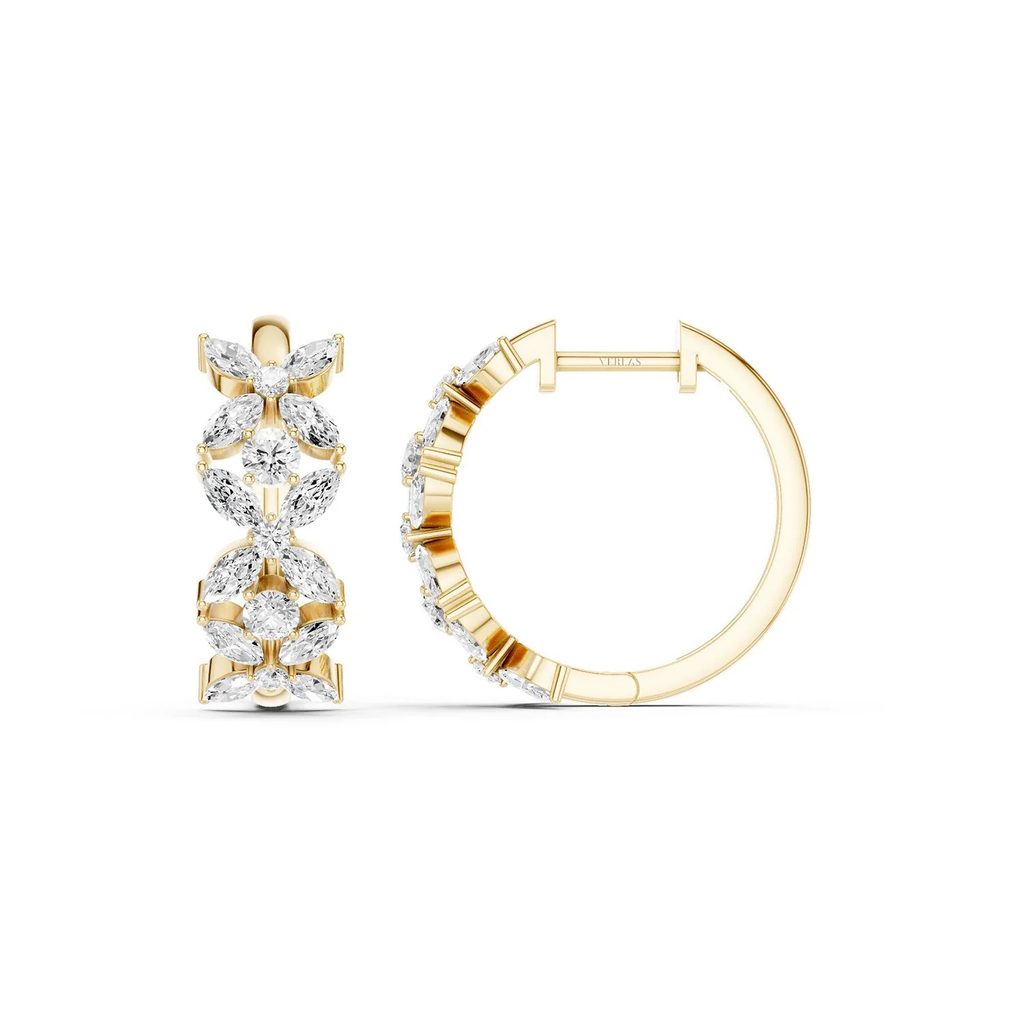
If bold and distinctive is more your style, the Alyssa Tres Marquise Diamond Huggies bring an elongated floral silhouette with marquise-cut diamond petals.
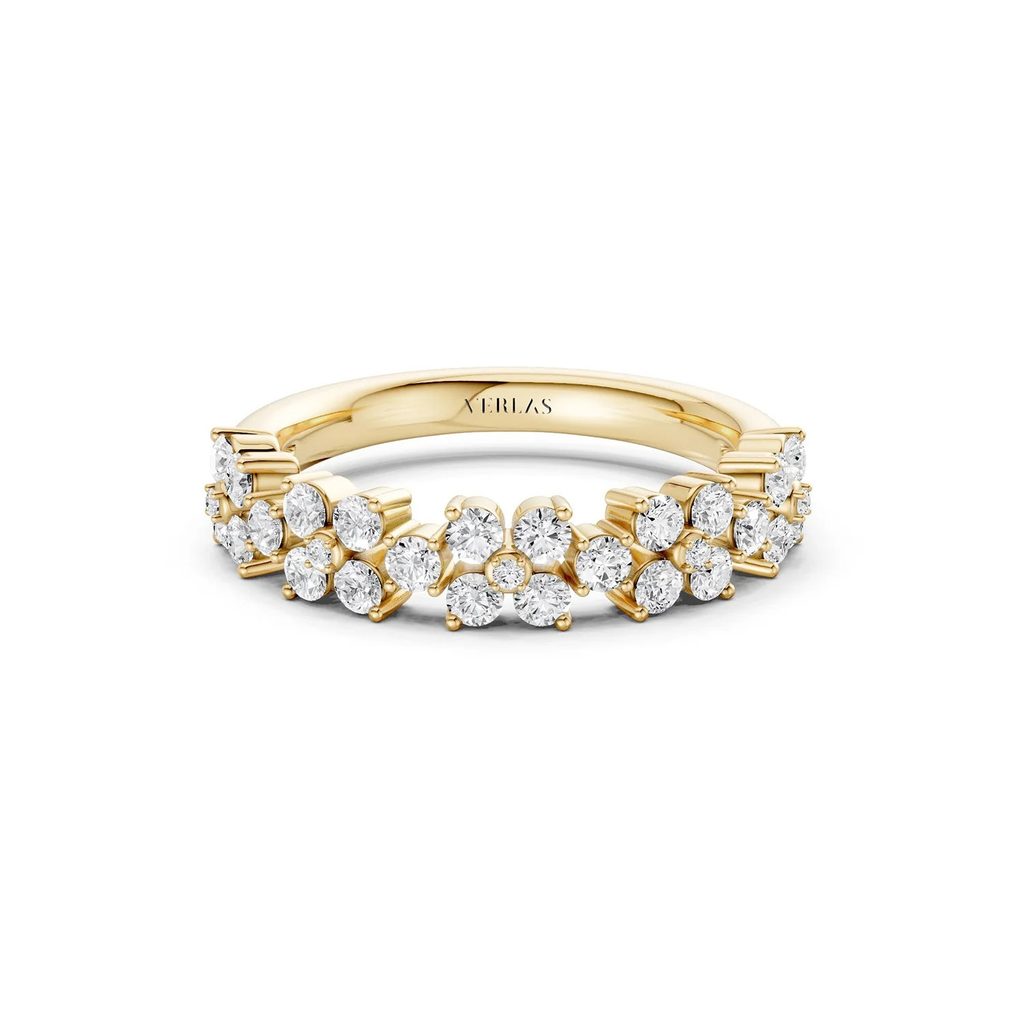
The Alyssa Radiant Bloom Ring offers another take on the floral motif, bringing together round-cut diamonds for a radiant, feminine look.
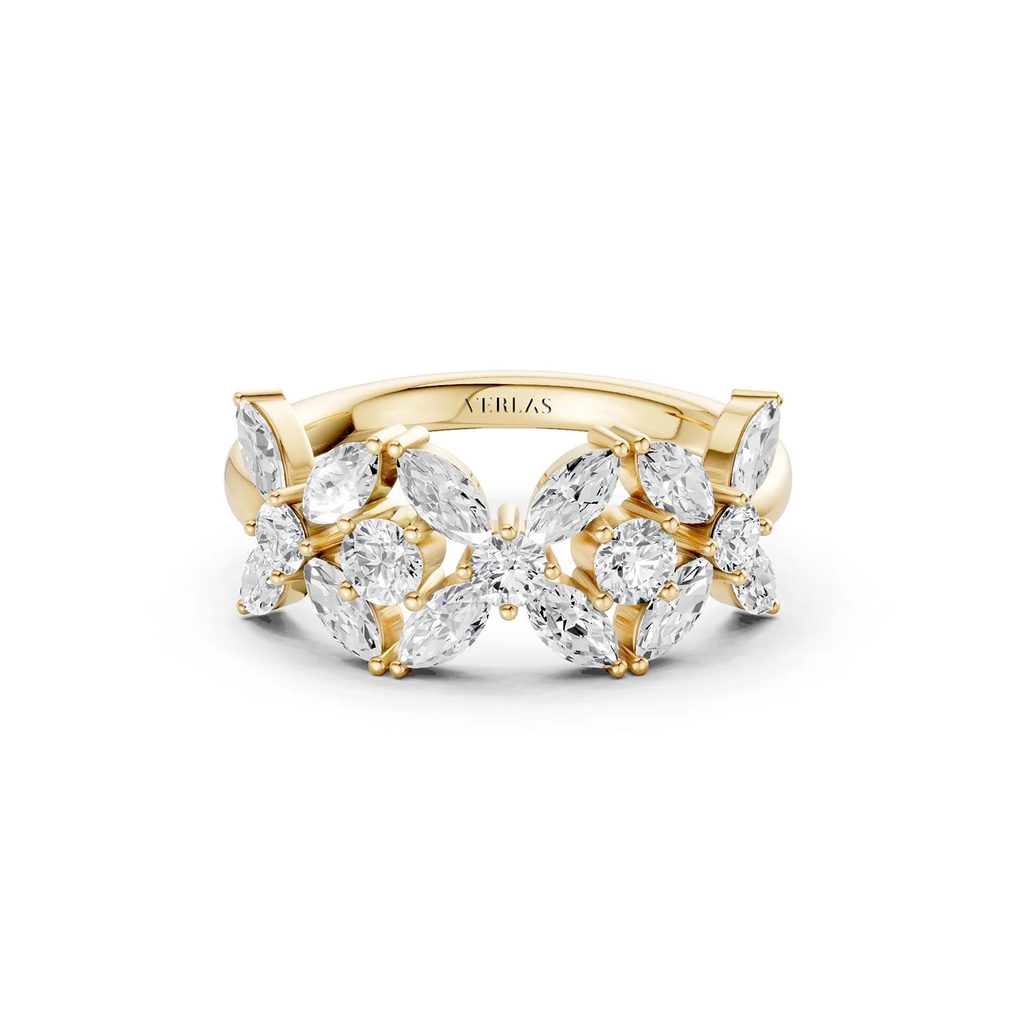
Meanwhile, the Alyssa Trio Marquise Bouquet Ring takes a bolder approach, featuring three diamond florets crafted with marquise diamond petals. Whether you lean towards the elegant simplicity of round cuts or the bolder character of marquise cuts, the Alyssa collection offers a floral style to match.
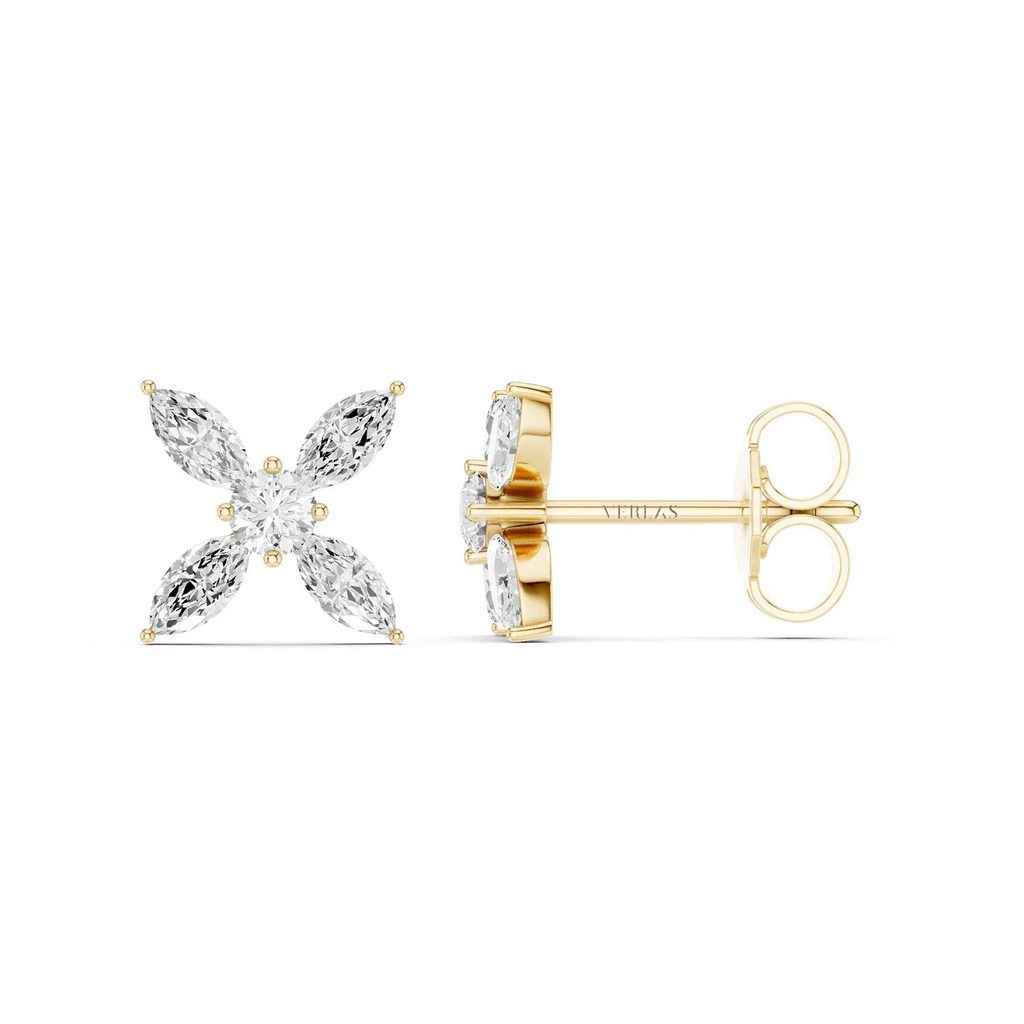
The Alyssa Marquise Studs bring a fresh take on florals, with marquise-cut diamonds forming an X-shaped motif around a round centre. Easy enough for everyday, yet special enough for evenings out, they’re the kind of pair you’ll keep reaching for.
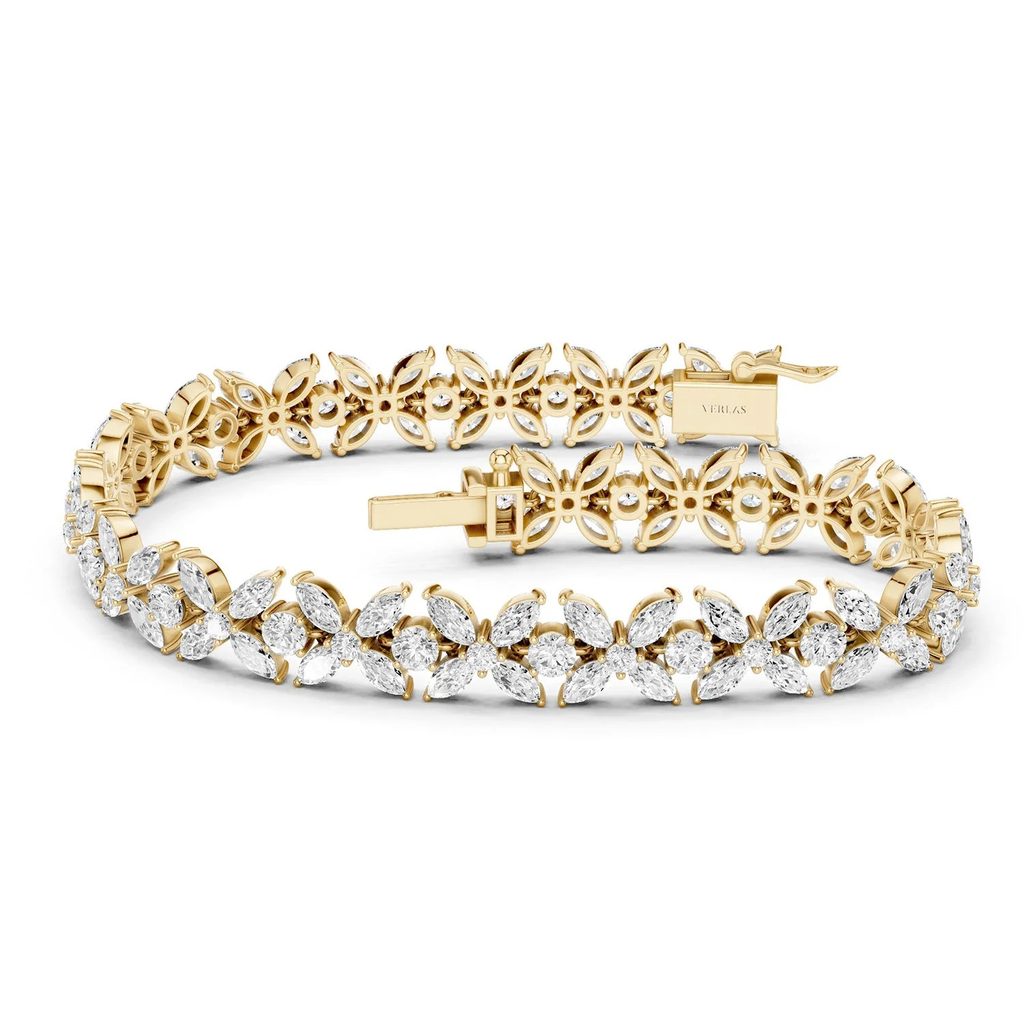
For a little more sparkle, the Alyssa Marquise-Cut Floral Tennis Bracelet makes a statement without feeling reserved for just one occasion. Its floral diamond motifs bring a touch of drama to wedding celebrations, festive evenings and everything in between.
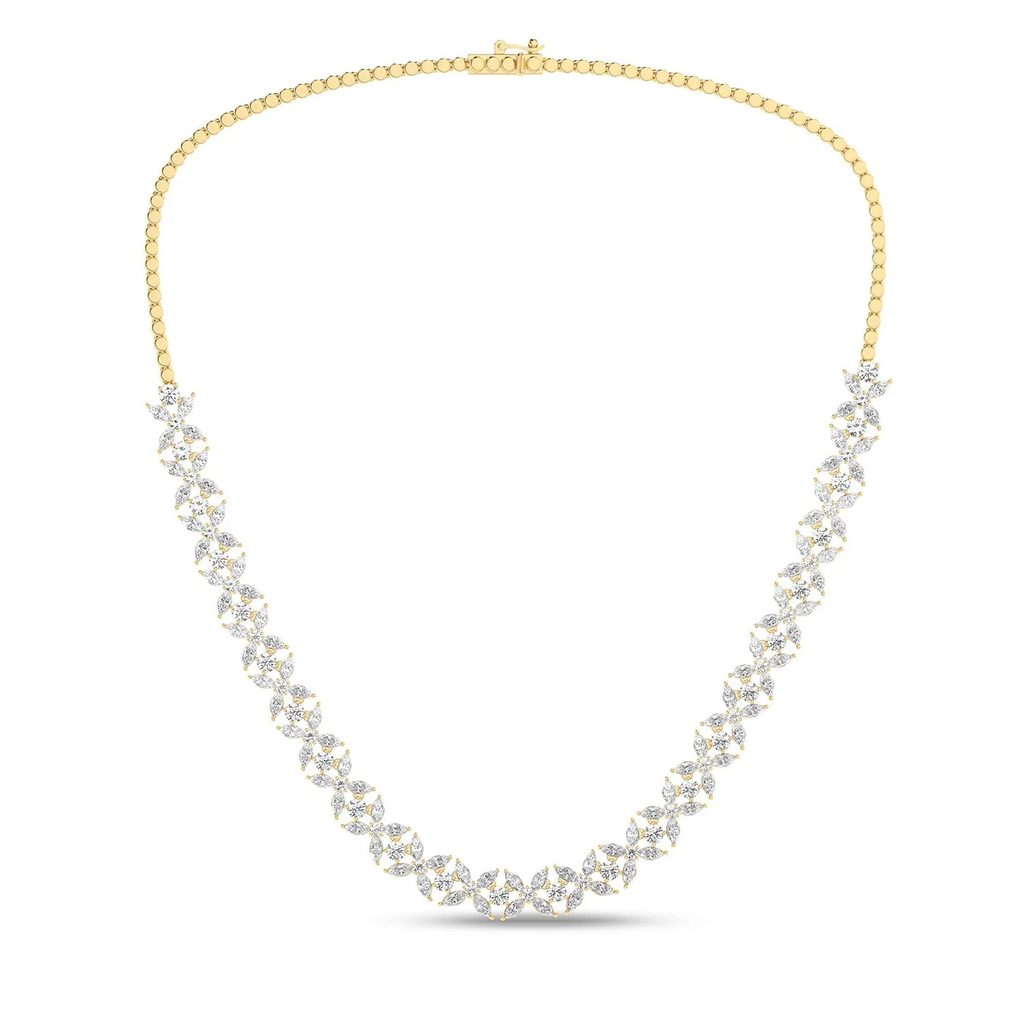
And when you’re ready to go all out, the Alyssa Marquise Radiant Tennis Necklace takes the floral story up a notch. With twenty-three diamond florets and a total weight of 13 carats, it brings together marquise-cut petals and round diamond centres for a look made to shine at the wedding, reception, or your next big celebration.
Available in white, yellow, and rose gold in 14K and 9K, the Alyssa collection reflects Verlas philosophy of creating jewelry that is beautiful, meaningful, and responsibly crafted. Perfect for elevating bridal looks and everyday romance alike.
With its growing presence in India, Verlas continues to bring its modern design and craftsmanship approach to fine jewelry to new audiences, combining considered design, conscious choice, and a more approachable jewelry experience.



Belgian Prime Minister Bart De Wever opens expanded HRD Antwerp laboratory in Mumbai

Verlas Introduces the ‘Alyssa’ Collection in India, Bringing Modern Luxe Floral-Inspired Design to Lab-Grown Diamond Jewelry Crafted in Fine Gold

Gold rebounds,Silver reclaims Rs 2.33 lakh mark

Limelight Lab Grown Diamonds Inaugurates Showroom In Kalyan, Its 8th Exclusive Store MMR
Verlas Introduces the ‘Alyssa’ Collection in India, Bringing Modern Luxe Floral-Inspired Design to Lab-Grown Diamond Jewelry Crafted in Fine Gold
Belgian Prime Minister Bart De Wever opens expanded HRD Antwerp laboratory in Mumbai
-
 National News2 days ago
Limelight Lab Grown Diamonds Inaugurates Showroom In Kalyan, Its 8th Exclusive Store MMR
-
 BrandBuzz13 hours ago
Verlas Introduces the ‘Alyssa’ Collection in India, Bringing Modern Luxe Floral-Inspired Design to Lab-Grown Diamond Jewelry Crafted in Fine Gold
-
 DiamondBuzz13 hours ago
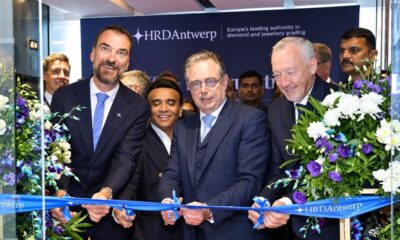
Belgian Prime Minister Bart De Wever opens expanded HRD Antwerp laboratory in Mumbai
-
 National News15 hours ago
Gold rebounds,Silver reclaims Rs 2.33 lakh mark
