
National News
Hari Krishna Group’s 12th Amrit Ganga Tirth Yatra Brings 1,380 Members Together in a Celebration of Faith, Gratitude and Togetherness
The yatra includes 344 Radha Krishna couples, 490 employees’ parents, 310 parents-in-law, 54 organising committee members, 63 invited guests, 150 artists, 77 kitchen staff and 96 support staff

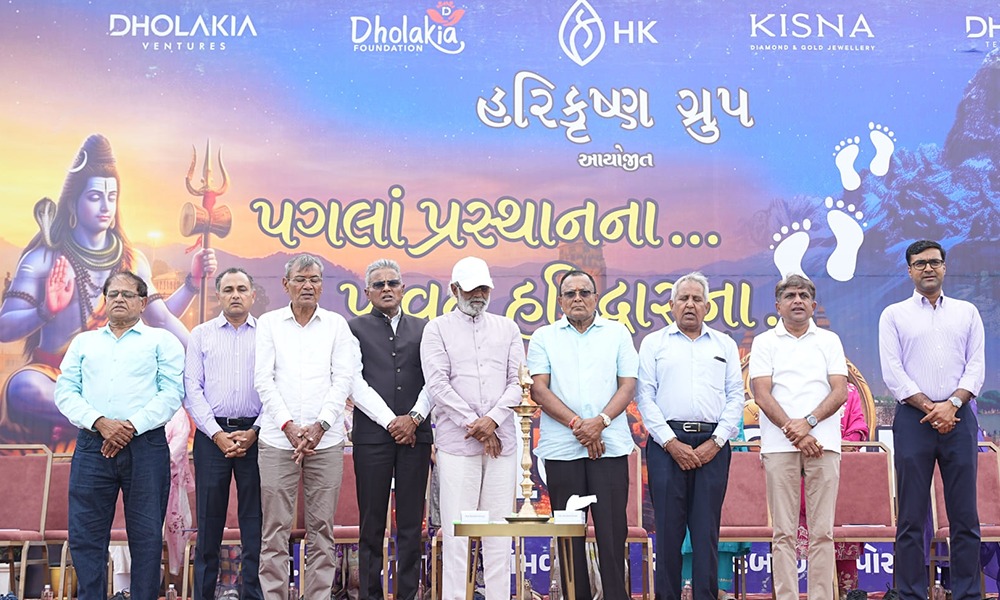
For Hari Krishna Group, employees are never just employees; they are family. And when someone becomes part of the HK family, their parents become our parents too.
Living this belief for over a decade, Hari Krishna Group has commenced its 12th Amrit Ganga Tirth Yatra 2026, bringing together 1,380 members of the HK family on a spiritual journey to Haridwar and Rishikesh. More than an annual pilgrimage, the yatra is a heartfelt tribute to parents and elders whose love, sacrifices and blessings have shaped generations.
This year, the yatra includes 344 Radha Krishna couples, 490 employees’ parents, 310 parents-in-law, 54 organising committee members, 63 invited guests, 150 artists, 77 kitchen staff and 96 support staff, making it one of the most cherished traditions of the Hari Krishna Group. Every invitation reflects the organisation’s culture of treating employees and their families as one extended family.
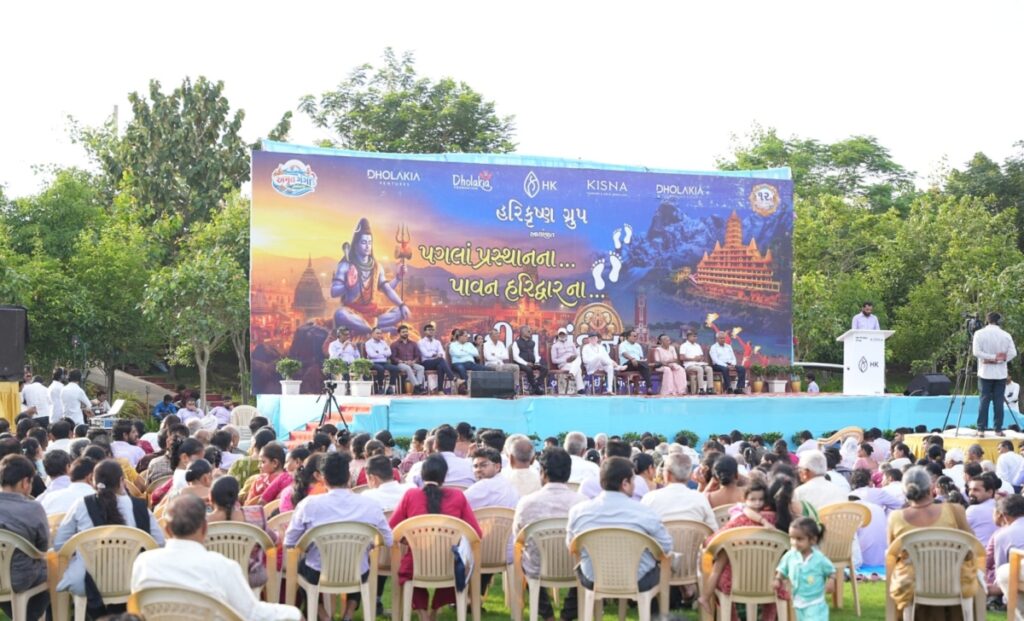
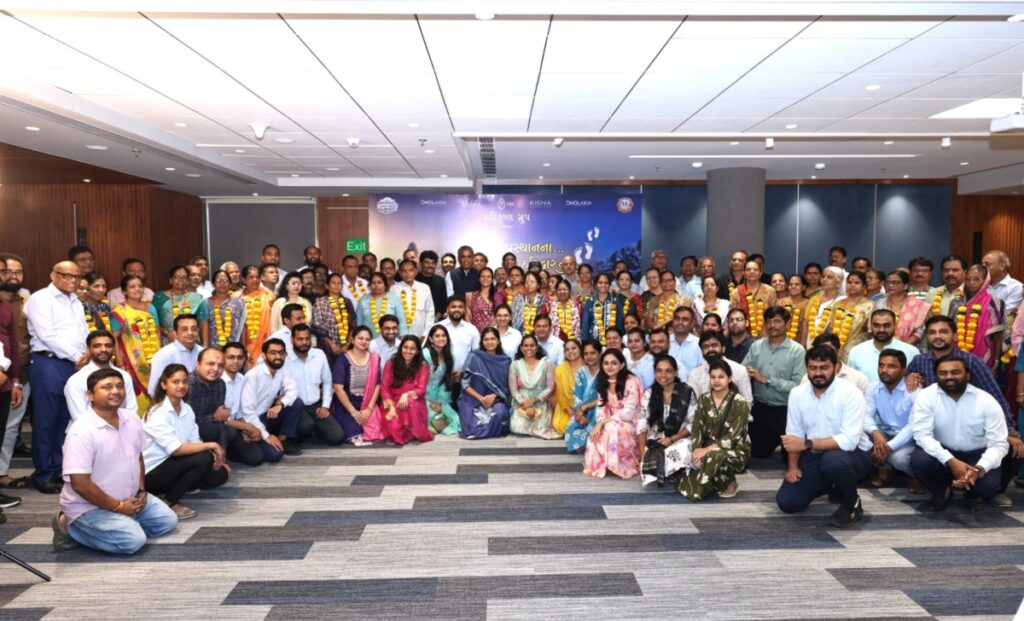
Months of meticulous planning go into making this journey comfortable and memorable for every elder. From travel, accommodation and healthcare to meals, hospitality, sightseeing and daily assistance, every arrangement is thoughtfully planned so that participants can focus entirely on their spiritual experience with complete peace of mind.
The journey began with the traditional Vadil Vandana ceremony at the Group’s Surat and Mumbai offices, where elders were welcomed with shawls as a mark of honour. Employees also performed Pad Prakshalan, the sacred tradition of washing the feet of parents and elders, expressing gratitude for their lifelong sacrifices. Inspired by the timeless values of Shravan Kumar, employees accompany the senior members throughout the pilgrimage, ensuring they experience every moment with comfort, care and dignity.
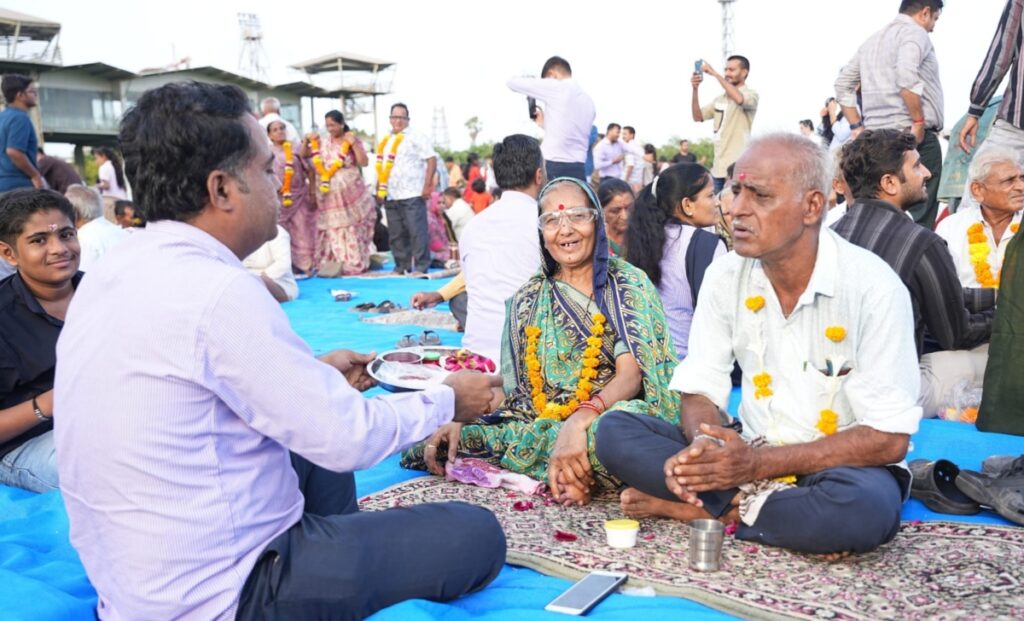
Over the coming days, participants will take part in Rudra Abhishek, Ganga Snan, the divine Ganga Aarti at Har Ki Pauri, yoga and meditation sessions, spiritual discourses, cultural performances, recreational activities and tree plantation initiatives. The itinerary also includes visits to the sacred destinations of Rishikesh, Ram Jhula, Laxman Jhula, Janki Jhula, Mansa Devi and Chandi Devi, creating an enriching experience that beautifully blends spirituality, wellness and togetherness.
Speaking on the occasion, Savjibhai Dholakia, Visionary Founder and Chairman of Hari Krishna Exports, said:
“Every parent spends a lifetime creating a better future for their children. This yatra is our humble way of expressing gratitude to them. At Hari Krishna Group, we have always believed that our employees are family, and naturally their parents become our parents too. Their blessings are our greatest strength, and serving them is our greatest privilege. If we can bring smiles to their faces and create memories they cherish for a lifetime, we feel truly blessed.”
As the 12th Amrit Ganga Tirth Yatra begins, Hari Krishna Group continues to uphold a tradition where business and values walk hand in hand. More than a pilgrimage, the yatra is a living expression of gratitude, respect and togetherness, reminding every member of the HK family that while businesses may be built with vision, enduring legacies are built by honouring parents, preserving culture and staying rooted in family values.




National News
NPCI Defers Rollout Of UPI Merchant Discount Rate Until After Diwali
Given Typical Retail Margins Of 2%–6% On Bullion and Plain Gold Jewellery, Absorbing A 0.4% Fee—Or Up To ₹300 Per Large Transaction—Would Have Directly Eaten Into Festive Profitability. The Deferral Keeps Bottom Lines Protected Through Dhanteras and Diwali.

The National Payments Corporation of India’s (NPCI) UPI and Services Steering Committee has deferred the implementation of Merchant Discount Rates (MDR) on select person-to-merchant (P2M) UPI transactions until immediately after Diwali.
The move aims to protect consumer sentiment and keep operational costs steady for businesses during the peak festive shopping season. A specific implementation date will be announced separately.
Key Highlights
- Festive Relief for Retail: The deferment ensures merchants face no additional payment processing costs during peak festive demand, helping avoid disruptions to consumer spending.
- The Approved MDR Structure:
- Applies only to eligible P2M transactions above Rs 2,000 at a rate of 0.4%.
- Capped at Rs 300 for high-value transactions of Rs 75,000 and above.
- Everyday low-value payments and small merchants remain fully exempt, preserving zero-cost digital transactions for general consumers.
- Timeline Adjustment: Originally notified on September 15 for an October 15 rollout, the framework will now take effect post-Diwali, giving banks, payment aggregators, and merchants additional runway to align their systems and communicate terms clearly.
Jewellery purchase values routinely exceed the Rs 2,000 threshold and frequently touch or surpass the Rs 75,000 cap. Given typical retail margins of 2%–6% on bullion and plain gold jewellery, absorbing a 0.4% fee—or up to Rs 300 per large transaction—would have directly eaten into festive profitability. The deferral keeps bottom lines protected through Dhanteras and Diwali.
Introducing transaction fees just as footfall surges would have forced retailers to decide whether to absorb the cost or pass it on to buyers (via checkout surcharges or selective discounts). Avoiding this choice prevents awkward billing counter negotiations and cart abandonment during rush hours.



NPCI Defers Rollout Of UPI Merchant Discount Rate Until After Diwali

Mutual Engagement Ring-Wearing On The Rise, Insurance Lagging: Jewelers Mutual Group 2026 Engagement Ring Study

GJEPC Partners With The Leela To Offer Exclusive Hospitality Benefits To Members
-
 National News7 hours ago
GJEPC Partners With The Leela To Offer Exclusive Hospitality Benefits To Members
-

 JB Insights7 hours ago
CIBIL Score Plays A Key Role In Festive Financing
-

 DiamondBuzz8 hours ago
Richemont and Signet Jewelers Could Join Global Diamond Consortium In Bid For De Beers
-

 National News7 hours ago
MCX Gold, Silver Surge Ahead On US Inflation Data, Crude Price Dip
