
TechBuzz
Goodwin Refractory Services : cutting-edge production technologies that bridge traditional craftsmanship with modern manufacturing capabilities.

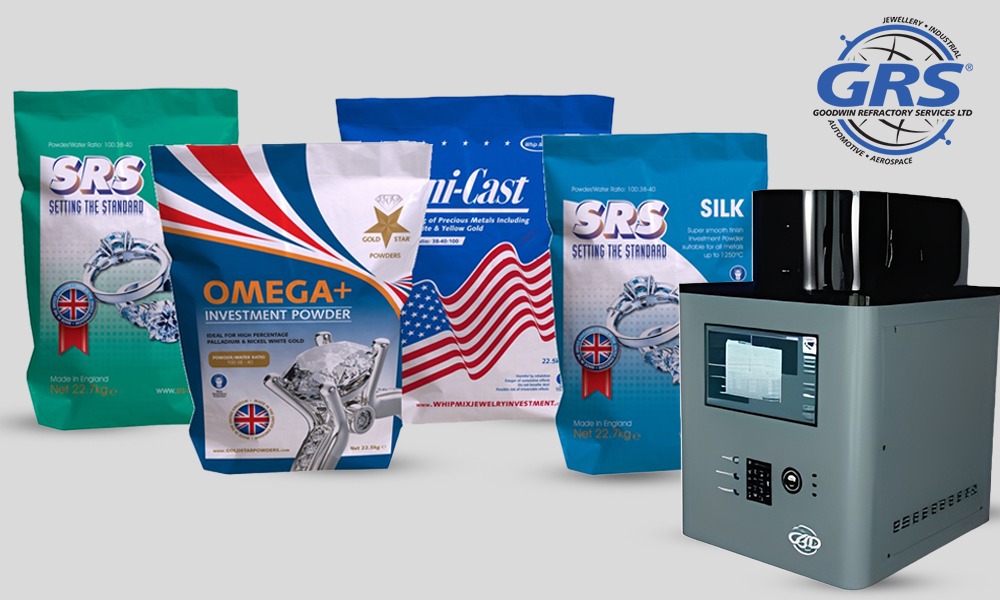
Goodwin Refractory Services India Private Limited, headquartered in Chennai, is a specialized manufacturer dedicated to providing advanced machinery and equipment for the jewelry manufacturing industry. The company has established itself as a key player in supporting India’s vibrant jewelry sector through cutting-edge production technologies that bridge traditional craftsmanship with modern manufacturing capabilities.
The company’s investment and casting products form the foundation of their offerings, catering to the varied needs of different casting applications. Their investment powder range is particularly diverse, featuring specialized formulations such as Jewellery Casting powders for general applications, Jewellery Ultima for premium casting requirements, Jewellery Gemset powders specifically designed for stone-setting applications, and Block Moulding powders for larger casting projects.
Beyond investment materials, Goodwin supplies essential moulding materials including high-quality moulding rubbers and various consumables that support the mold-making process. Their wax product line includes injection waxes alongside premium brands like Gold Star Waxes and Freeman Waxes, which are crucial for creating detailed patterns in the lost-wax casting process. Additionally, the company provides ceramic shell casting materials that enable manufacturers to create durable, heat-resistant molds for precision metal casting, particularly important for aerospace and high-precision jewelry applications.
Goodwin’s machinery and equipment division represents a significant technological leap for traditional casting industries. Their 3D printing capabilities are exemplified by the G3D RP100 Jewellery DLP 3D Printer, which enables rapid prototyping and the creation of complex designs with exceptional detail and accuracy.
The casting machine range includes both automatic casting machines and vacuum casting machines that ensure consistent quality and reduce porosity in cast metal parts. Their burnout furnaces and other specialized furnaces provide precise temperature control essential for proper mold preparation, while vacuum mixers ensure thorough, bubble-free mixing of investment materials.
The company also offers rotary tumbler polishers that streamline the finishing process, allowing manufacturers to achieve professional-grade surface finishes efficiently. This comprehensive machinery lineup eliminates the need for manufacturers to source equipment from multiple vendors, simplifying procurement and ensuring compatibility across the production workflow.





TechBuzz
K. Srinivasan Unveils Doit Coimbatore Experience Centre
The Doit Coimbatore Experience Centre Is A Dedicated Hub Designed To Drive Technical Excellence Across The Region’s Jewellery Manufacturing and Precision Metal Finishing Industries.

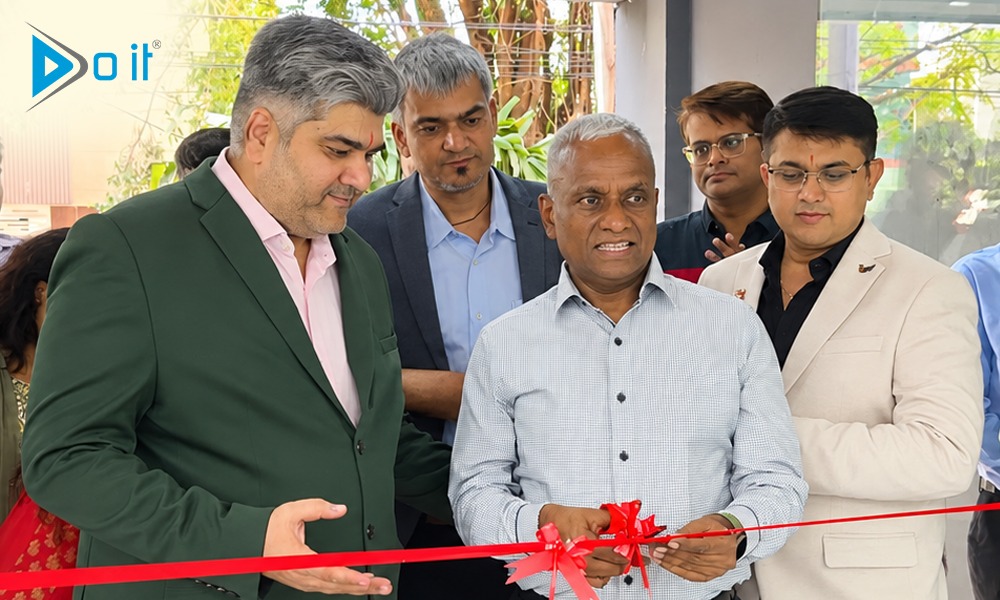
The Doit Coimbatore Experience Centre was officially inaugurated on Thursday, October 15, 2026, with Chief Guest K. Srinivasan, CMD- Emerald Jewel Industry India Limited doing the honours. Representing Doit Industries Limited was the CEO Bhavik Shah.
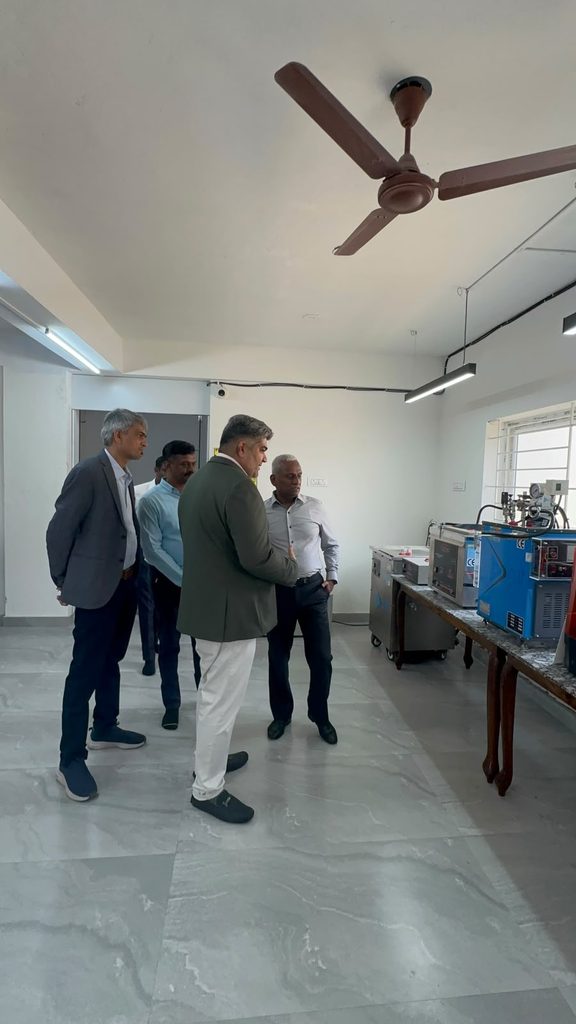
The Doit Coimbatore Experience Centre is a dedicated hub designed to drive technical excellence across the region’s jewellery manufacturing and precision metal finishing industries. This expansion strengthens Doit Industries commitment to bringing advanced jewellery manufacturing machinery, electroplating and electroforming technologies, innovative finishing solutions and expert technical support closer to the jewellery industry in South India.
Greater adoption of modern machinery, advanced surface-treatment processes and innovative finishing techniques can help position India as a preferred global hub for high-quality, design-led and export-oriented jewellery manufacturing.
Doit Industries Limited, a manufacturer of premium jewellery-making machines, chemicals, and jewellery plating and polishing solutions, is supporting the evolution of modern jewellery manufacturing through innovative, Made-in-India technology.



Aisshpra Gems & Jewels Opens Four Stores in One Day, Takes Network to 20; Targets 30 Stores by March 2028

The Met Goes Desi: Inside Sabyasachi’s Showstopping Diwali Dhamaka in New York

Jewellers Expect Healthy Festive and Wedding Demand Amid Evolving Consumer Preferences

Dhanteras Shopping Guide 2026:Gold, Silver, Diamonds & Festive Jewellery Trends To Watch

Indriya, Aditya Birla Jewellery Unveiled India’s Largest Sustainable Jewellery Rangavalli

From Diya Puja To Diwali Soirées: Jewellery Designed To Go Beyond The Festive Season
-
 JB Insights1 day ago
Dhanteras Shopping Guide 2026:Gold, Silver, Diamonds & Festive Jewellery Trends To Watch
-
 National News1 day ago
Indriya, Aditya Birla Jewellery Unveiled India’s Largest Sustainable Jewellery Rangavalli
-
 BrandBuzz1 day ago
From Diya Puja To Diwali Soirées: Jewellery Designed To Go Beyond The Festive Season
-

 BrandBuzz1 day ago
The Solenne Collection: A Celebration Of Diwali By Bharti Bangur Fine Jewels
