
National News
Gold Jewellery Value Set to Rise 12–14% in FY26 Despite Volume Decline- ICRA
Driven by rising gold prices and retail expansion, India’s gold jewellery market will grow in value even as consumption volumes fall for a second consecutive year

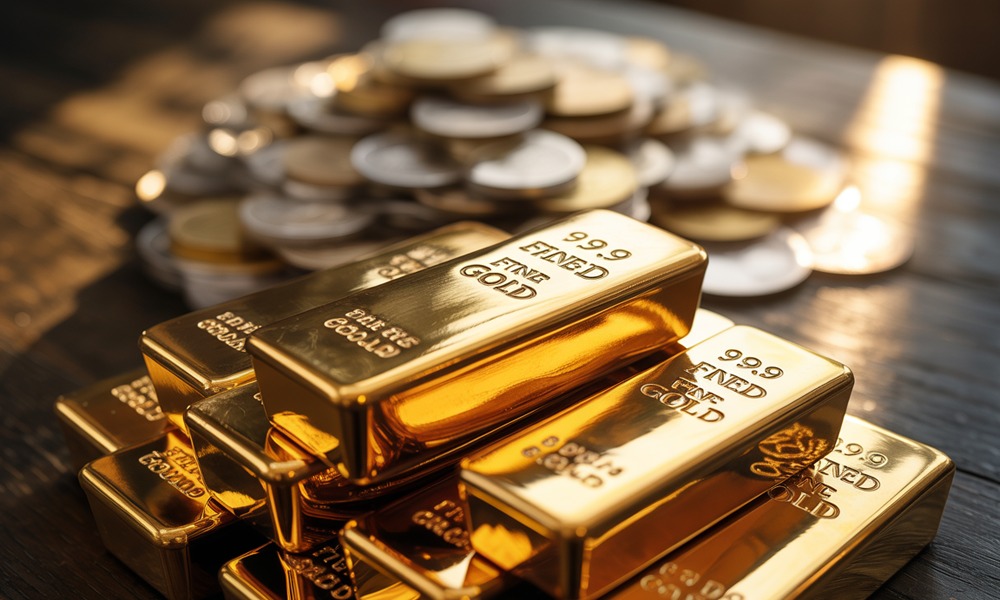
India’s domestic gold jewellery consumption is expected to grow by 12–14% in value terms in FY2026, according to a new report by ICRA, even as consumption volumes are projected to decline for a second year in a row. This value growth is largely attributed to continued gold price appreciation, expanded retail presence, and increasing market consolidation in favour of organised players.
“This will be supported by continued gold price appreciation, planned retail expansion, and market share gains from the unorganised segment. A higher number of auspicious days in the fiscal is also expected to lend some support to demand, despite elevated prices and declining volumes,” said Jitin Makkar, Senior Vice President and Group Head, ICRA.
In FY2025, gold jewellery consumption by value jumped 28%, spurred by a 33% surge in gold prices. A similar trend is anticipated in FY2026, with gold prices already trading about 20% higher than the FY2025 average. However, consumption volumes are expected to fall by 9–10% in FY2026, following a 7% decline in FY2025.
The report also highlights a notable shift in investor behaviour, with demand for gold bars and coins increasing 17% and 25% in FY2024 and FY2025, respectively. This reflects a growing preference for gold as a safe-haven asset amid global geopolitical and economic uncertainty. ICRA expects this demand to rise by another 10% in FY2026, with bars and coins projected to account for 35% of total gold demand.
Jewellery retailers may also see a modest improvement in profitability. Operating margins are forecast to expand by 30 basis points to 7.2% in FY2026. However, net margin growth is likely to remain limited, constrained by higher financing costs linked to elevated Gold Metal Loan (GML) rates and increased working capital needs due to high gold prices and planned store expansions.

“Despite a projected 30 bps expansion in operating margins in FY2026, net margin expansion will remain limited within 10 basis points due to higher financing costs stemming from elevated GML rates and increased working capital borrowings driven by high gold prices and planned store additions,” Jitin Makkar added.







National News
BIS Introduces The Silver Refinery Certification Scheme; Framework Introduces “India Good Delivery For Silver”
Buyers, Institutional Investors, and Jewelers Are Guaranteed Strict Adherence To Exact Quality, Testing, and Traceability Standards. Silver From Any BIS-Approved Refinery Ensures A Verified Fineness and Purity

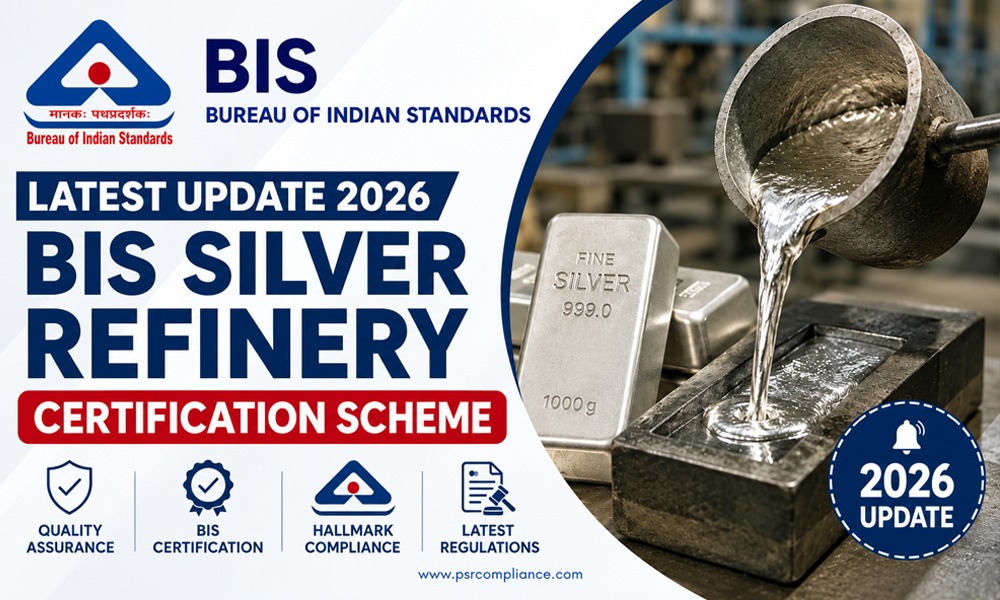
The Bureau of Indian Standards (BIS) has officially prioritized the domestic bullion sector by introducing the Silver Refinery Certification Scheme, that involved critical inputs and efforts by IBJA.
Mirroring the long-established certification ecosystem for gold, this framework introduces a structured “India Good Delivery for Silver” standard specifically tailored for silver bars and coins.
Buyers, institutional investors, and jewelers are guaranteed strict adherence to exact quality, testing, and traceability standards. Silver from any BIS-approved refinery ensures a verified fineness and purity.
Surendra Mehta, National Secretary- IBJA, said:

“BIS is introducing the Silver Refinery Certification Scheme, an initiative that involved critical inputs and efforts by IBJA. Mirroring the long-established certification ecosystem for gold, this framework introduces a structured India Good Delivery for Silver. Now, silver from any BIS-approved refinery ensures a verified fineness and purity. This will gradually end the impure silver bar market.”
Market structures have already evolved alongside this rollout. The Multi Commodity Exchange (MCX) aligned its exchange delivery protocols to accept BIS-standard domestic silver, allowing empanelled Indian refiners to fulfill physical delivery contracts directly on the exchange.
By formalizing the local refining of silver (including silver recovered as a by-product of gold dore), this scheme strengthens the domestic precious metals ecosystem in line with Aatmanirbhar Bharat objectives



India Delegation Arrives In Paris For Three Days Of Learning, Business & Collaboration

BIS Introduces The Silver Refinery Certification Scheme; Framework Introduces “India Good Delivery For Silver”

Navratri Edit By DAIMANTÉ: 9 Pendants, 9 Expressions Of Intention
BIS Introduces The Silver Refinery Certification Scheme; Framework Introduces “India Good Delivery For Silver”

Aspect Bullion & Refinery Launches “India’s Biggest Gold Fest” With Zero Making Charges On Gold Coins and Bars

GJEPC, ECGC Programme Underlines Recent Changes In Export Credit Insurance For The GJ Sector.
-
 National News6 hours ago
BIS Introduces The Silver Refinery Certification Scheme; Framework Introduces “India Good Delivery For Silver”
-
 National News7 hours ago
Aspect Bullion & Refinery Launches “India’s Biggest Gold Fest” With Zero Making Charges On Gold Coins and Bars
-
 National News7 hours ago
GJEPC, ECGC Programme Underlines Recent Changes In Export Credit Insurance For The GJ Sector.
-
 International News5 hours ago
India Delegation Arrives In Paris For Three Days Of Learning, Business & Collaboration
