
National News
Gold and silver prices decline on MCX after record highs

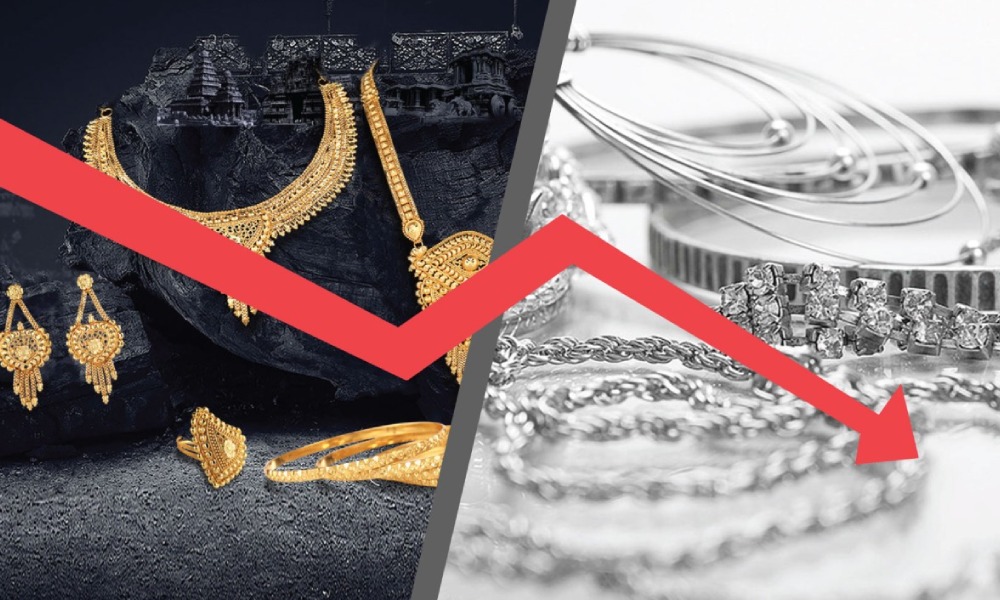
Gold and silver prices on the Multi Commodity Exchange (MCX) experienced a sharp correction on Friday, falling significantly after a prolonged record-setting rally. Gold (24 kt) dropped by about 3 per cent, falling from a high of ₹1,32,294 to ₹1,25,957 per 10 grams, while silver saw an even steeper decline of over 8 per cent, dropping from ₹1,70,415 to ₹1,53,929 per kg.
Key Drivers of the Price Correction
Market analysts largely concurred that the correction was a “healthy” and “expected” development, primarily driven by a confluence of technical and fundamental factors:
1. Technical Correction and Profit-Booking (Immediate Catalyst)
- Overbought Conditions: Prior to the drop, both gold and silver were trading in technically “overbought” territory following a nearly two-month, one-sided surge. A pullback was technically necessary to normalize momentum indicators.
- Wave of Profit-Booking: The primary trigger was a massive wave of profit-booking by short-term traders and speculative investors. After the metals hit fresh lifetime highs, many chose to liquidate their positions to lock in the extraordinary gains, which accelerated the price slide.
- Stop-Loss Triggers: The initial downward movement likely triggered a cascade of stop-loss orders across multiple trading levels, which exacerbated the selling pressure and magnified the correction’s speed.
2. Easing Geopolitical and Economic Anxiety (Fundamental Drivers)
- US-China De-escalation: The easing of tensions between the U.S. and China, potentially involving planned talks or a more conciliatory tone from the U.S. regarding previously threatened high tariffs, reduced the market’s need for traditional “safe-haven” assets like gold and silver.
- Shifting Risk Sentiment: As geopolitical risk receded, capital rotated out of defensive assets (precious metals) and into growth-oriented or riskier assets, further draining momentum from the bullion market.
- Temporary Stability in Macro Indicators: Any temporary signs of stability in the global economic outlook or a decrease in immediate recession fears would diminish the safe-haven appeal of gold.
Underlying Bullish Fundamentals That Persist:
The rally that preceded the correction was rooted in deep, structural market forces that are still in play:
- Central Bank Accumulation: Central banks globally have been net buyers of gold, diversifying their reserves away from the US Dollar.
- Industrial Demand (Silver): Silver demand remains robust, driven by its critical use in the burgeoning renewable energy sector (solar panels), electronics, and electric vehicles.
- Low Real Interest Rates: An environment of expected or persistent low real interest rates makes non-yielding assets like gold more attractive compared to fixed-income investments.




National News
Kangana Ranaut Unveils PNG Jewellers New Showroom In Ayodhya~
The Store Is PNG Jewellers’ 81st Overall and Its Fifth In UP following Lucknow, Kanpur, Gorakhpur and Varanasi.

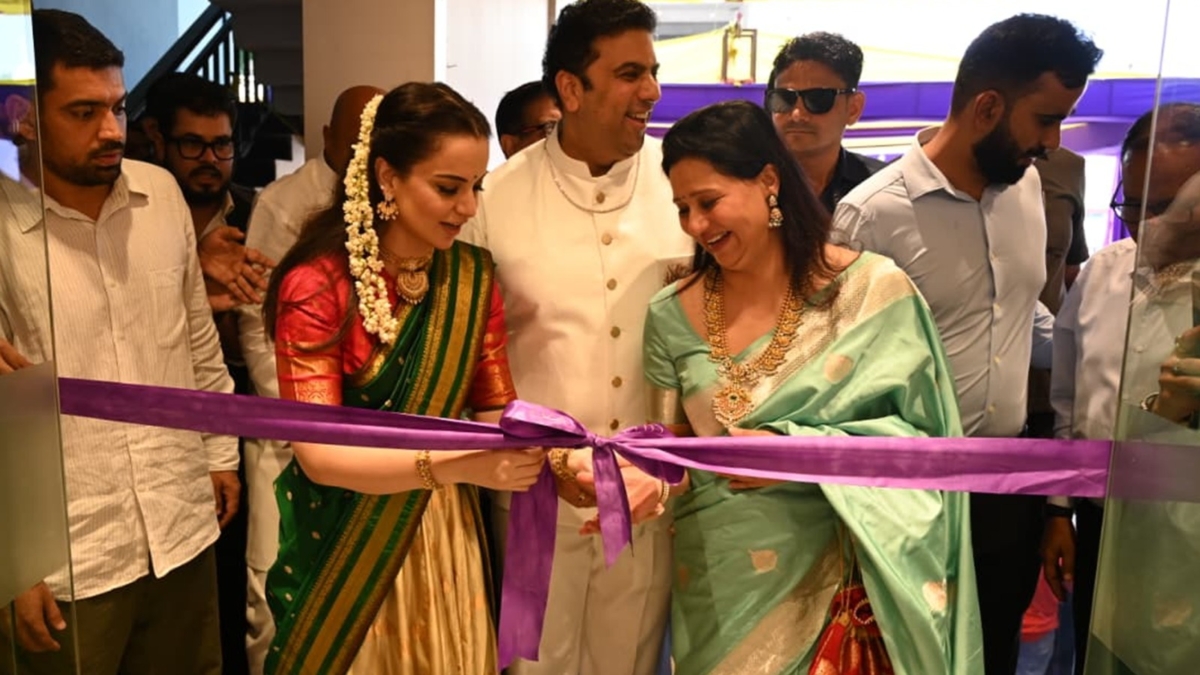
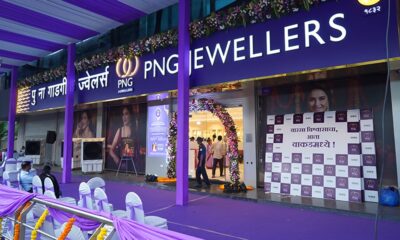
Member of Parliament and Indian film actor Kangana Ranaut inaugurated PNG Jewellers new store in Ayodhya. The store is PNG Jewellers’ 81st overall and its fifth in UP following Lucknow, Kanpur, Gorakhpur and Varanasi. Located next to Rikabganj Women Police Station, the new store gives Ayodhya customers access to PNG Jewellers’ products, collections, and quality service closer to home.
Dr. Saurabh Gadgil, CMD- PNG Jewellers, said:

“Opening a store in Ayodhya is a special moment for us. We have received an encouraging response from customers across Uttar Pradesh, and we are pleased to bring PNG Jewellers closer to people in and around Ayodhya. We look forward to being part of their weddings, festivals and family celebrations, while offering the legacy, trust and craftsmanship that our brand has stood for over generations.”
Kangana Ranaut added:
“Ayodhya holds a special place in the hearts of so many people, and I am delighted to be here for the opening of PNG Jewellers’ new store. Jewellery is closely woven into how we celebrate our traditions, weddings and important moments with family. I wish the PNG team every success in Ayodhya.’’

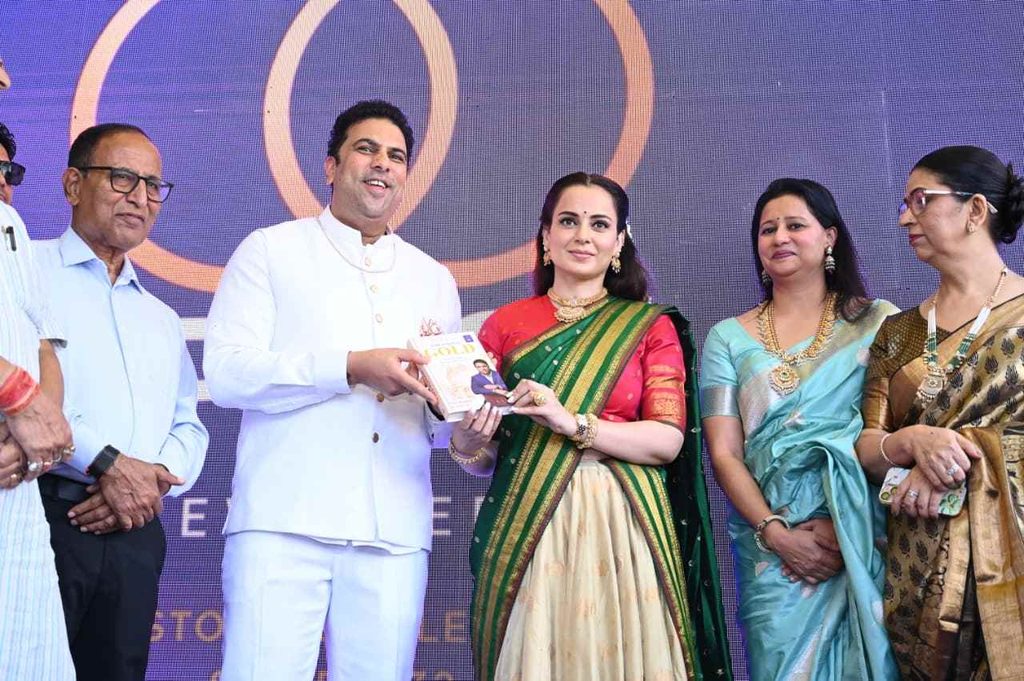
The occasion also marks the debut of Ram Katha, an exclusive collection inspired by the Ramayana and the historical, cultural and spiritual heritage of Ayodhya. Launched by Kangana Ranaut, the collection is being introduced in its initial phase across PNG stores in North India
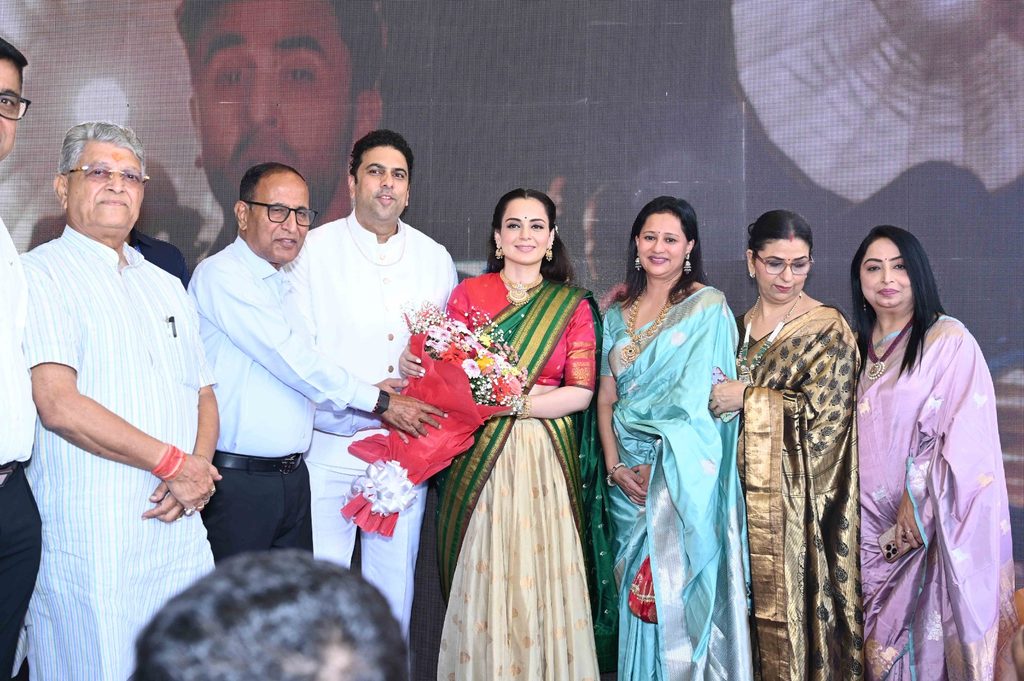
The store also showcases a range of gold, diamond, temple and bridal jewellery for weddings, festive occasions and everyday wear. Customers can explore PNG Jewellers’ collections, including Saptam, Katha, Pratha, Eiina and Polmi, with designs crafted for local tastes.
Ayodhya, revered as the birthplace of Lord Shree Ram, draws people from across the country for its temples, festivals and deeply rooted traditions. Jewellery is closely tied to weddings, festivals and family celebrations in the city. The new store allows PNG Jewellers to serve local customers more conveniently while continuing its expansion in Uttar Pradesh. To celebrate the opening, the brand introduced limited-period inaugural offers of up to 50% off on gold jewellery making charges and up to 100% off on diamond jewellery making charges*, valid till 15th November, 2026.
Adding to the excitement of the festive season, PNG Jewellers brings together its brand ambassadors Madhuri Dixit-Nene and Ranbir Kapoor for the first time in a special festive television commercial. The campaign marks a significant moment, bringing together two of Bollywood’s most iconic stars in a celebration of tradition, elegance and contemporary appeal. This much-awaited collaboration also reflects PNG Jewellers’ vision of connecting its nearly two-century-old legacy with a new generation of consumers.



Kangana Ranaut Unveils PNG Jewellers New Showroom In Ayodhya~

GGJS 2026 Concludes With High-Volume Trade and Strategic Focus On Next-Gen Leadership

The Solitaire Festival Of India Concludes; Bumper Prize Winner At Ranka Jewellers Wins XUV 7XO
GGJS 2026 Concludes With High-Volume Trade and Strategic Focus On Next-Gen Leadership

ABARAN Commemorates The 125th Birth Anniversary Of Founder Shri Burde Sadananda Kamath With Special Gold Coin Launch

MCX Gold Silver Futures See Dip
-
 National News3 hours ago
GGJS 2026 Concludes With High-Volume Trade and Strategic Focus On Next-Gen Leadership
-
 National News7 hours ago
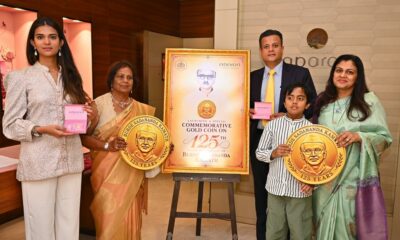
ABARAN Commemorates The 125th Birth Anniversary Of Founder Shri Burde Sadananda Kamath With Special Gold Coin Launch
-
 National News7 hours ago
MCX Gold Silver Futures See Dip
-
 National News3 days ago
P N Gadgil Jewellers Limited – Quarterly Update Q2FY27
