DiamondBuzz
Global Lab-Grown Diamond Market Set to Reach $100 Billion by 2032: DMCC
Global LGD market poised for $60–100B growth by 2032, with Dubai leading as a key facilitator

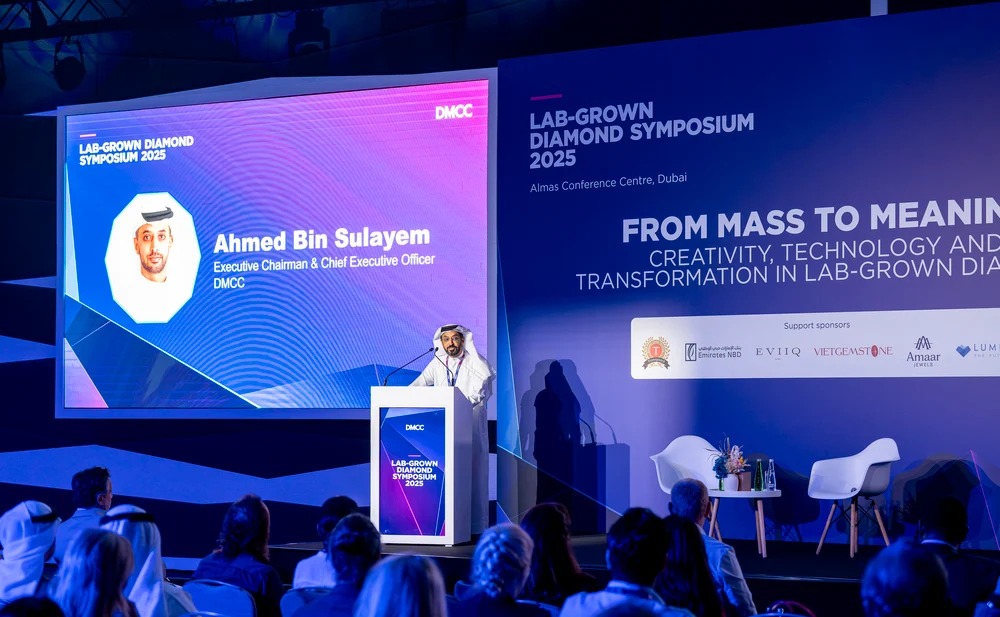
The global lab-grown diamond (LGD) market is projected to expand to $60–100 billion by 2032, according to the Dubai Multi Commodities Centre (DMCC). This growth trajectory is being shaped by three powerful forces: rising jewellery and lifestyle adoption, sustained industrial demand, and accelerated technological integration. Dubai, already among the world’s top diamond trading hubs, is emerging as a critical enabler and facilitator of this growth by providing infrastructure, market access, and thought leadership in the sector.
Market Outlook: Lab-Grown Diamonds Entering a Growth Supercycle
At the second edition of the DMCC Lab-Grown Diamond Symposium, held under the theme “From Mass to Meaning: Creativity, Technology and Transformation in Lab-Grown Diamonds”, more than 150 global leaders, innovators, and policymakers convened to evaluate the LGD industry’s future pathways.
The consensus: LGDs are no longer confined to jewellery. Their applications now extend across high-tech industries, fashion, lifestyle, and advanced engineering, placing them at the centre of multiple innovation streams.
DMCC forecasts underscore the scale of this expansion, with estimates suggesting the LGD industry could surpass the $100 billion threshold by 2032, effectively transforming it into one of the most dynamic markets globally.
Drivers of Growth
Jewellery and Lifestyle Expansion
- Lab-grown diamonds are increasingly embraced by millennials and Gen Z consumers, who value affordability, sustainability, and customisation.
- Designers are leveraging LGDs’ versatility, incorporating them into fashion-forward accessories including sunglasses, footwear, and wearable technologies.
- Interior and lifestyle sectors are exploring LGD applications in home décor and consumer products, broadening demand far beyond traditional jewellery.
- Industrial Applications
- LGDs are now critical in aerospace, construction, and precision tools, owing to their superior hardness, durability, and cost-effectiveness compared to natural diamonds.
- Demand is expected to rise from manufacturing and industrial engineering sectors seeking reliable high-performance materials.
- High-Technology Adoption
- LGDs possess unique physical and chemical properties—notably thermal conductivity, optical clarity, and electronic resilience—that make them suitable for next-generation semiconductors, quantum systems, and photonics.
- Their use in quantum computing and advanced electronics positions LGDs as an enabling material for the future digital economy.
Dubai’s strategic geography, advanced logistics, and position as a global luxury hub place it at the heart of LGD trade and innovation. DMCC is spearheading initiatives to integrate LGDs across industries by:
- Convening global stakeholders through flagship platforms like the Lab-Grown Diamond Symposium.
- Facilitating cross-sector collaboration between technology firms, jewellers, designers, and industrial manufacturers.
- Providing trade infrastructure and regulatory support to strengthen Dubai’s positioning as the global centre for lab-grown diamond dialogue and commerce.

Ahmed Bin Sulayem, Executive Chairman and CEO of DMCC, emphasised:“Lab-grown diamonds are powering global innovation – from quantum computing and semiconductors to jewellery design, aerospace and construction. With the market set to reach $60–100 billion by the early 2030s, this is among the most dynamic sectors worldwide.” He further highlighted Dubai’s unique role in connecting luxury, industrial, and technological applications, with DMCC acting as the platform for convergence.
Implications for Industry Stakeholders
- Jewellery brands: The rise of LGDs offers new possibilities for product innovation, mass-market accessibility, and sustainable branding.
- Technology firms: Opportunities are expanding in quantum, semiconductor, and photonics markets, where LGDs may become indispensable materials.
- Investors: The projected market scale indicates a strong growth and diversification opportunity, particularly in regions where LGD adoption is nascent.
- Trade hubs: Cities like Dubai are set to gain prominence by providing ecosystems that facilitate LGD innovation and commerce.
The lab-grown diamond industry is transitioning from niche to mainstream, underpinned by a multi-sector growth narrative. By 2032, the market could cross the $100 billion mark, reshaping global supply chains and consumer markets alike.
As the host of critical dialogue and innovation platforms, Dubai—through DMCC—has positioned itself at the forefront of this transformation, ensuring that the city is not only a trading powerhouse but also a driver of technological and creative disruption in the LGD sector.


DiamondBuzz
Kylie Jenner Debuts At Victoria’s Secret Show In $50 Million Fantasy Bra By Jacob & Co.
Kylie Jenner Walks The Ramp In Bra Crafted By Jacob & Co. From 4,410 Natural Diamonds Surrounding A 75.54-Carat Radiant-Cut Fancy Vivid Yellow Diamond

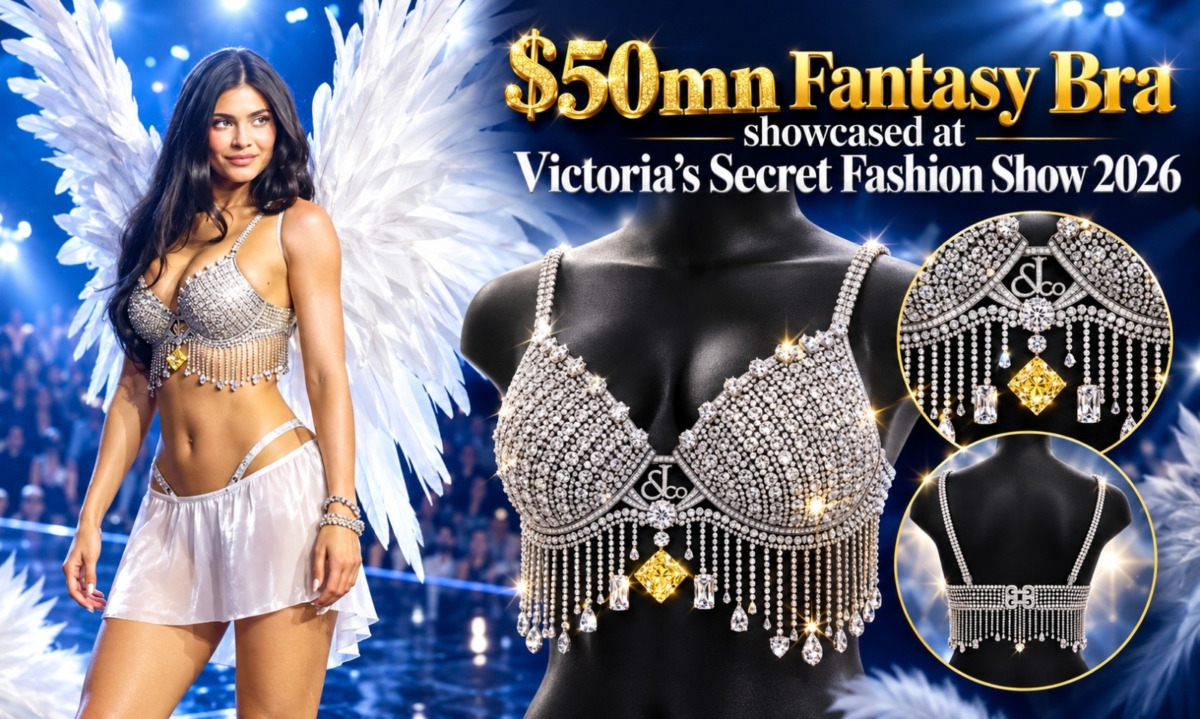
This year, the famous Fantasy Bra returned to the runway for the first time since 2018. Made by New York jeweler Jacob & Co., it costs $50 million—making it the most expensive Fantasy Bra ever and about $35 million more expensive than any previous version.
Making her Victoria’s Secret Fashion Show runway debut,Kylie Jenner wore the show-stopping bedazzled bra, a gauzy white mini skirt and expansive white feathered angel wings.
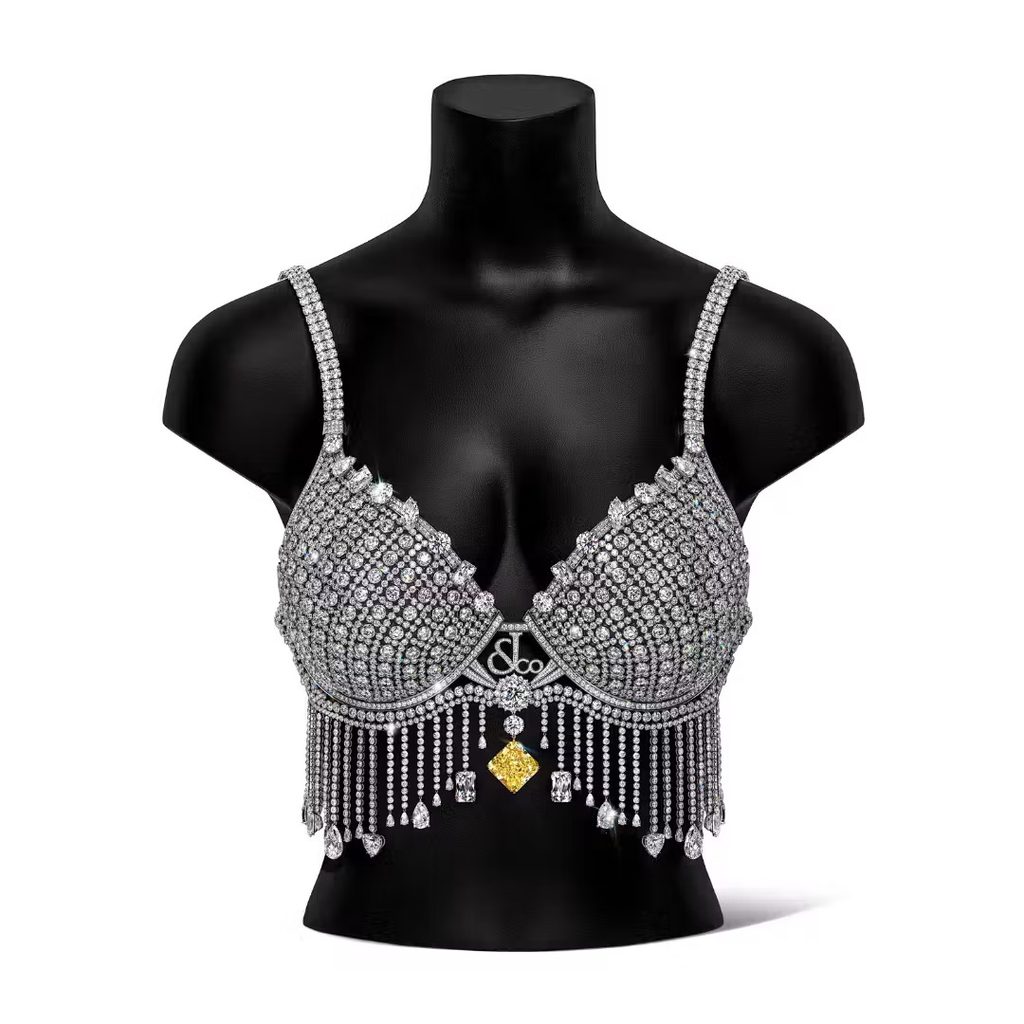
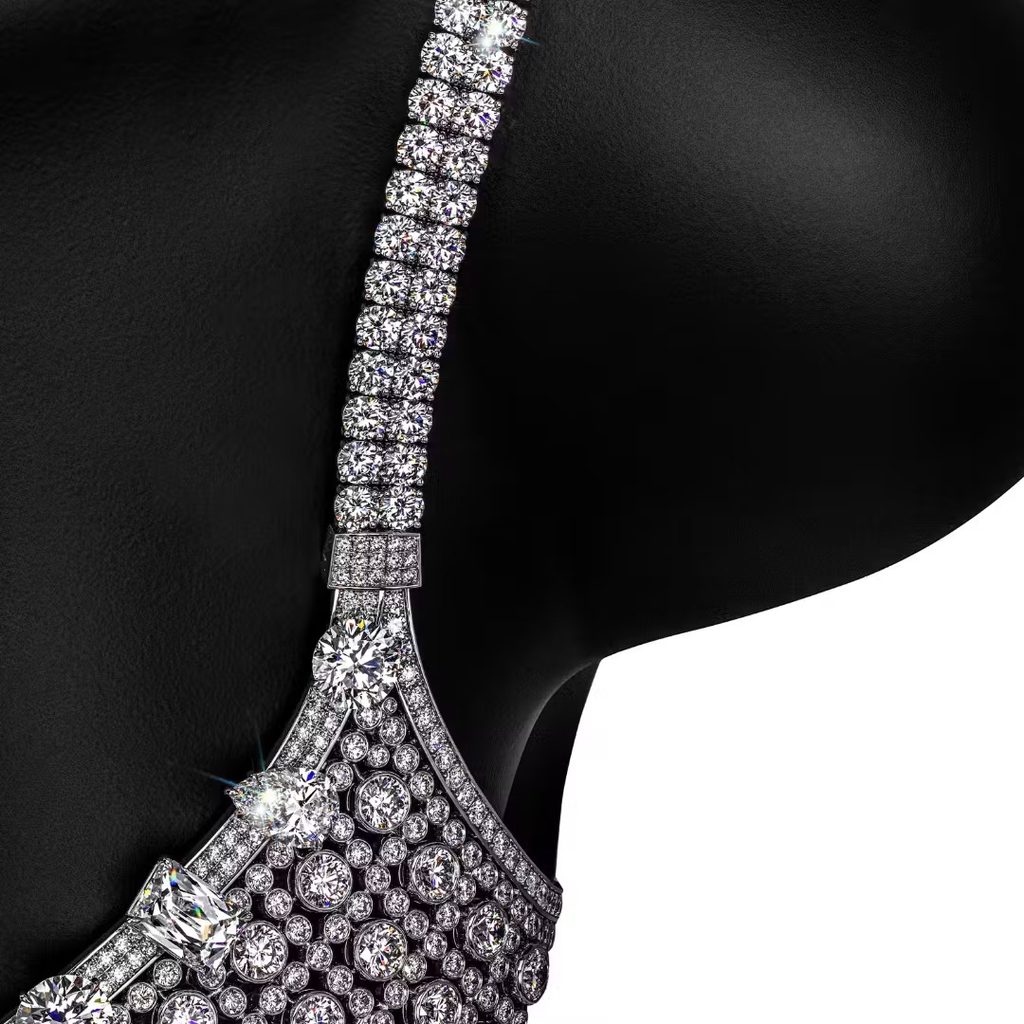
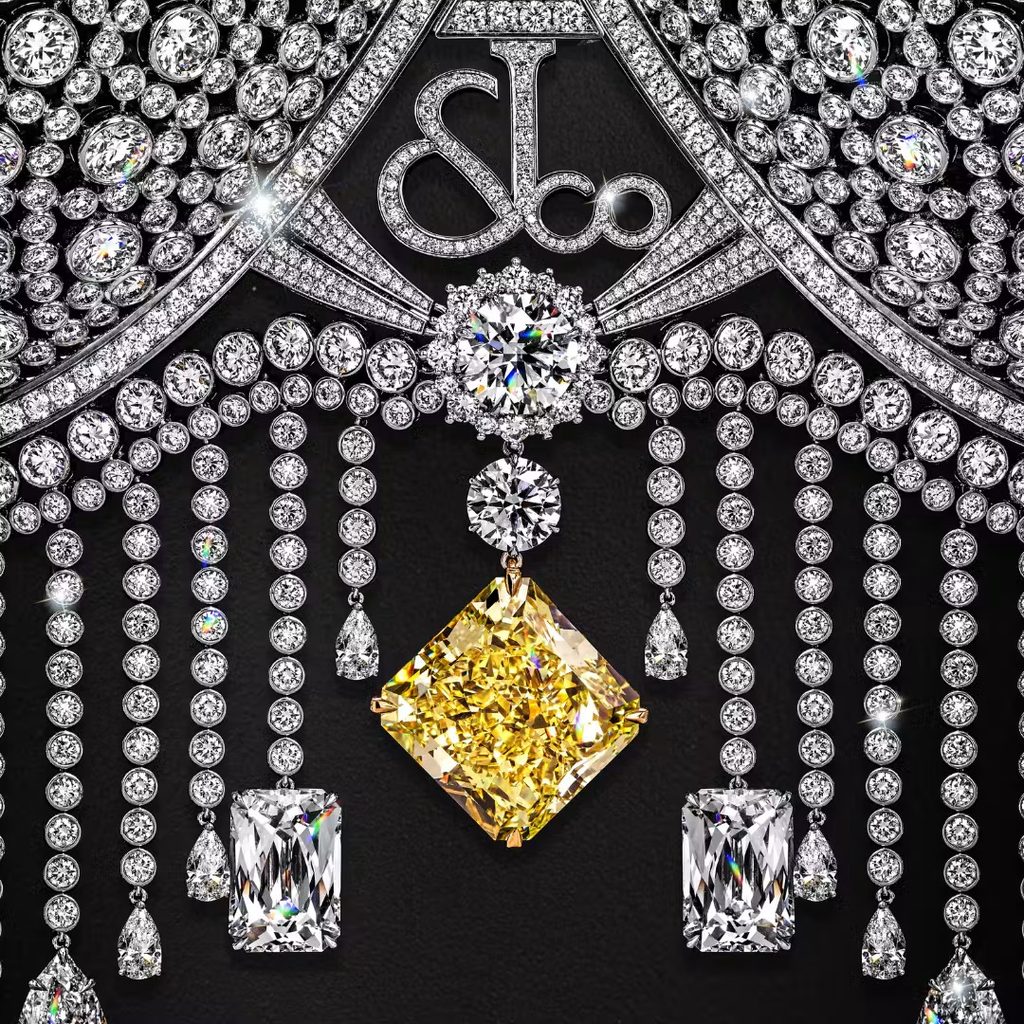
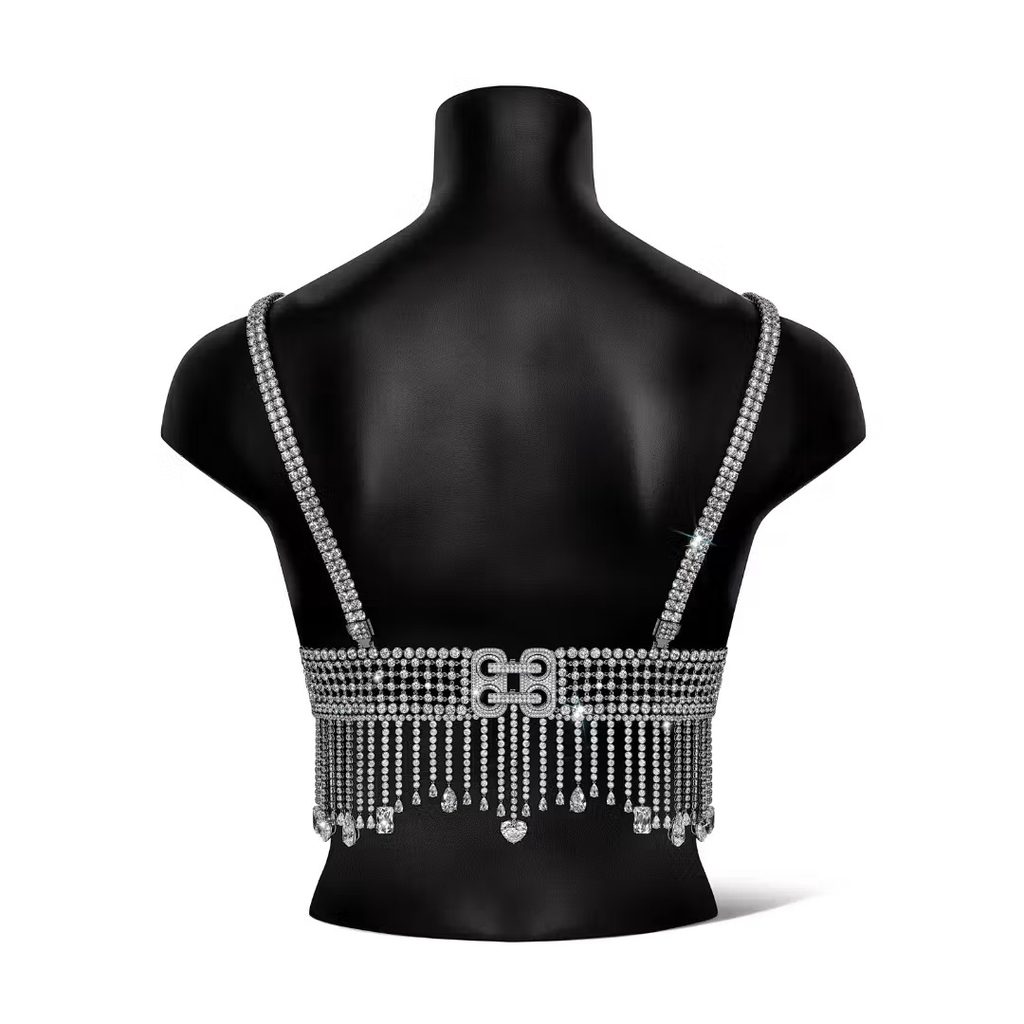
The bra features 4,410 natural diamonds set around a large, bright yellow 75.54-carat diamond. A team of 15 craftspeople spent over 1,000 hours creating the piece, which weighs just under two kilograms (about 4.4 pounds).


Malabar Gold & Diamonds Unveils ‘SWAYE’, A Natural Diamond Collection Inspired By Spiral Forms and Modern Elegance

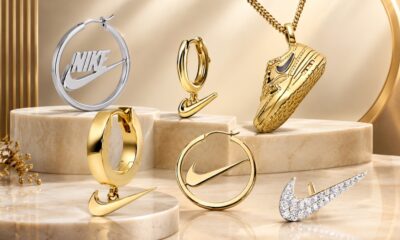
Nike Enters Jewellery Market With First-Ever Collection Priced Up To $5,750

Kylie Jenner Debuts At Victoria’s Secret Show In $50 Million Fantasy Bra By Jacob & Co.
Malabar Gold & Diamonds Unveils ‘SWAYE’, A Natural Diamond Collection Inspired By Spiral Forms and Modern Elegance

Limelight Lab Grown Diamonds Crosses 100 Stores Milestone This Dussehra: Targets 200 In 2027
Kylie Jenner Debuts At Victoria’s Secret Show In $50 Million Fantasy Bra By Jacob & Co.
-
 BrandBuzz3 hours ago
Malabar Gold & Diamonds Unveils ‘SWAYE’, A Natural Diamond Collection Inspired By Spiral Forms and Modern Elegance
-
 National News2 days ago
Limelight Lab Grown Diamonds Crosses 100 Stores Milestone This Dussehra: Targets 200 In 2027
-
 DiamondBuzz3 hours ago
Kylie Jenner Debuts At Victoria’s Secret Show In $50 Million Fantasy Bra By Jacob & Co.
-
 International News3 hours ago
Nike Enters Jewellery Market With First-Ever Collection Priced Up To $5,750