National News
GJC lauds GST 2.0, says it is landmark reform that ushers in a new era of trust, transparency, for GJ sector
It reflects the government’s commitment to ease of doing business and provides jewellers with the confidence to focus on growth, innovation, and customer service.


Rajesh Rokde, Chairman -GJC issued a statement on The 57th GST Council recommendation. Which included a series of measures to simplify tax administration, accelerate refunds and reduce compliance costs, with potential benefits for India’s gem and jewellery manufacturers, exporters, wholesalers and retailers.
The statement read:
GST 2.0 is a landmark reform that ushers in a new era of trust, transparency, and efficiency for the gems and jewellery sector. It reflects the government’s commitment to ease of doing business and provides jewellers with the confidence to focus on growth, innovation, and customer service.
These progressive steps will strengthen industry credibility, safeguard livelihoods, and contribute to sustainable development across India. The Council’s recommendations comprehensively address areas that jewellers have long sought reform in — from smoother movement of goods in transit and faster automated refunds that improve cash flow, to fairer notices that reduce litigation and ensure natural justice.
The rationalization of penalties, reduction of the general penalty cap, and recognition of employee insurance ITC reflect a balanced approach that values both compliance and care for our workforce. Most importantly, the withdrawal of arrest powers and the increase in prosecution thresholds will instill greater trust and confidence across the trade.
Together, these measures will reduce disruption, improve working capital, safeguard livelihoods, and create a more supportive business environment. GJC wholeheartedly welcomes GST 2.0 as a forward-looking framework that empowers jewellers, enhances industry credibility, and contributes to sustainable growth for one of India’s most vital sectors





National News
RBI Warns NBFCs: Soaring Gold Loan LTV Ratios Signal Rising Risk
RBI Cautioned That Outstanding Values On Some Loans May Have Shrunk Below The Stipulated LTV Thresholds (Up To 85% For Small Loans Under The April 2026 Norms), With Some Companies Already Near 75% LTV. Lenders Were Told To Be “More Cautious”.

RBI Governor Sanjay Malhotra, along with Deputy Governors, met Managing Directors and CEOs of select NBFCs, housing finance companies (HFCs), and microfinance lenders in Mumbai on November 23, 2026. The meeting lasted about an hour and a half and was part of the RBI’s periodic engagement with regulated entities. More than two dozen executives attended, along with industry bodies Sa-Dhan, the Microfinance Industry Network (MFIN), and the Finance Industry Development Council (FIDC). A separate meeting was held with select Urban Cooperative Banks and their representative bodies.
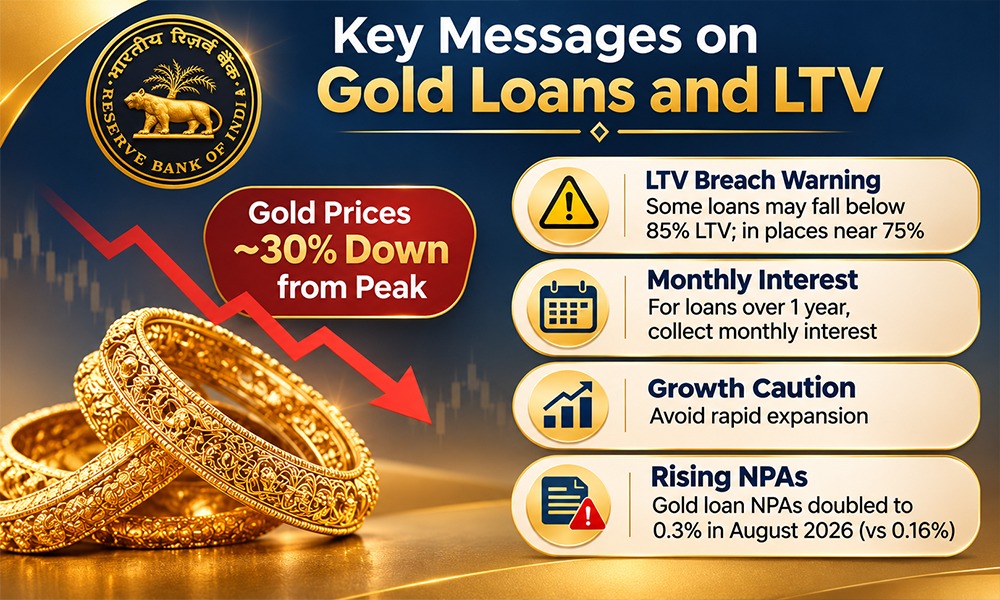
Key Messages on Gold Loans and LTV

The gold price collapse — down close to 30% from its peak (with some executives citing 35–40% declines) — was a central talking point:
- LTV breach warning: RBI cautioned that outstanding values on some loans may have shrunk below the stipulated LTV thresholds (up to 85% for small loans under the April 2026 norms), with some companies already near 75% LTV. Lenders were told to be “more cautious”.
- Repayment structure change: The central bank directed gold loan financiers to collect monthly interest instalments instead of the traditional bullet repayment (interest and principal paid at tenure end) for loans longer than one year.
- Growth caution: NBFCs were told their growth has been good so far but were explicitly warned against growing too quickly.
- Rising NPAs: Gold loan NPA ratios doubled in the first half of the fiscal year — TransUnion Cibil data shows gold loan NPAs rose to 0.3% at end-August 2026 from 0.16% in March, with borrowers holding multiple gold loan accounts more prone to delays.
Other Issues Discussed
- Net owned fund deadline: RBI clarified that NBFCs failing to achieve the Rs 10 crore net owned fund requirement by March 2027 will get no further extension.
- Cybersecurity and tech partners: NBFCs growing rapidly were told they face greater scrutiny when onboarding new technology partners, given rising cyber risks.
- Microfinance stress: MFIs raised questions about concessions on crop loans (linked to drought stress in agrarian regions), which RBI clarified during the meeting; the industry also pressed on the microfinance income limit framework.
Takeaway
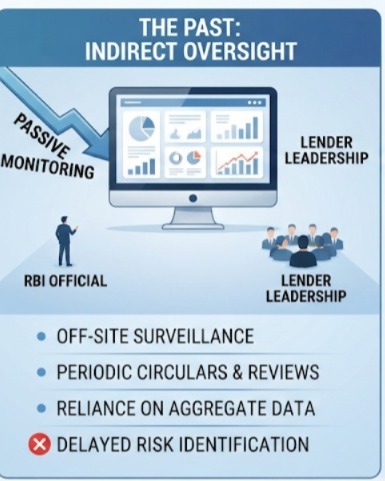
The meeting signals the RBI is moving from passive monitoring to direct engagement with lender leadership on gold loan risk. The push toward monthly interest collection and caution on rapid growth suggests the regulator wants to de-risk the sector before collateral erosion from falling gold prices translates into broader asset quality damage.



RBI Warns NBFCs: Soaring Gold Loan LTV Ratios Signal Rising Risk

Golubhai Badalia Returns To Pitch To Get Rich Season 2 Alongside Malaika Arora, Akshay Kumar and Ashneer Grover

GIA Appoints Regina Aiello To Lead Expansion Of Jewelry Services

Bullion Prices Extend Losing Streak n AI Equity Selloff and Hawkish Fed Outlook

Paid B2B Jewellery Exhibitions Attract Entertainment Duty: Supreme Court

De Beers Group In Collaboration With Grandview Klein Diamond Unveils Namibia’S 176 Carat Owishi Natural Diamond In Washington, Dc
-
 International News3 days ago
Bullion Prices Extend Losing Streak n AI Equity Selloff and Hawkish Fed Outlook
-
 National News3 days ago
Paid B2B Jewellery Exhibitions Attract Entertainment Duty: Supreme Court
-
 DiamondBuzz4 days ago
De Beers Group In Collaboration With Grandview Klein Diamond Unveils Namibia’S 176 Carat Owishi Natural Diamond In Washington, Dc
-

 National News3 days ago
ANTISTATUS Jewellery Debuts Rider Collection At India Bike Week 2026